
 English
 中文简体
中文简体
 +86 15996087029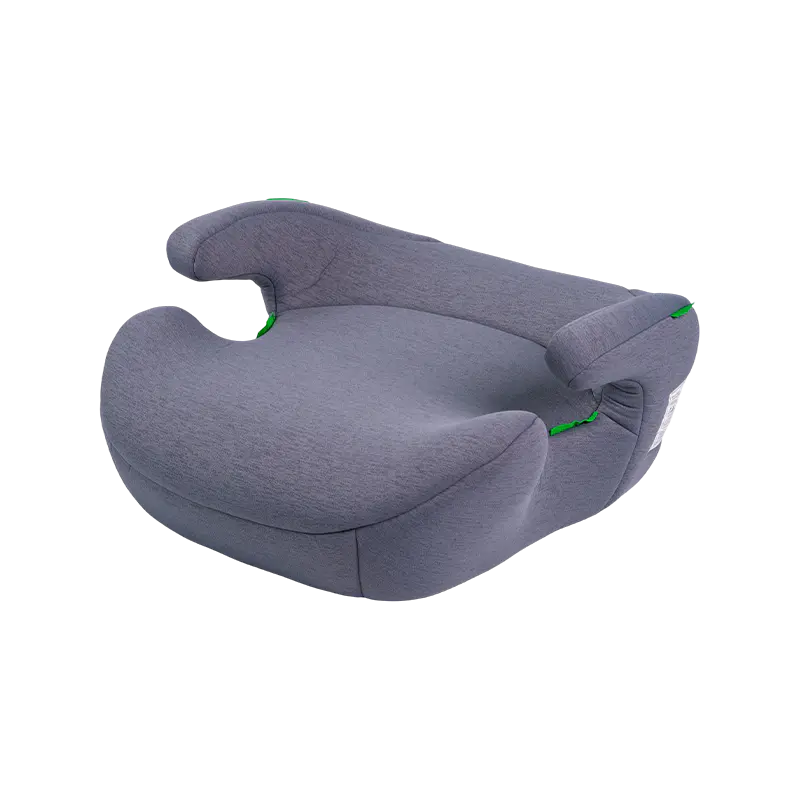
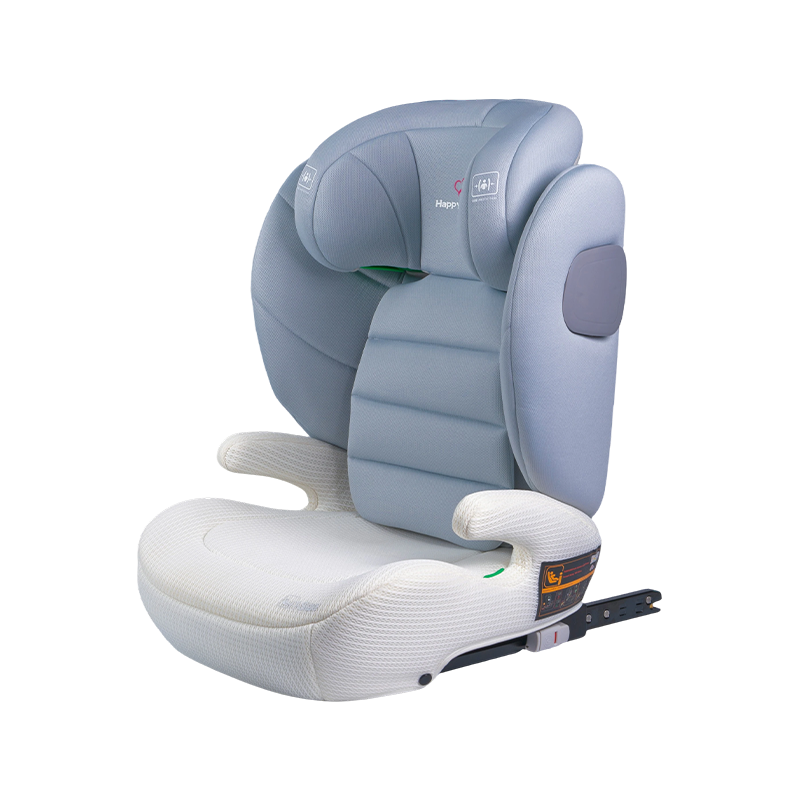
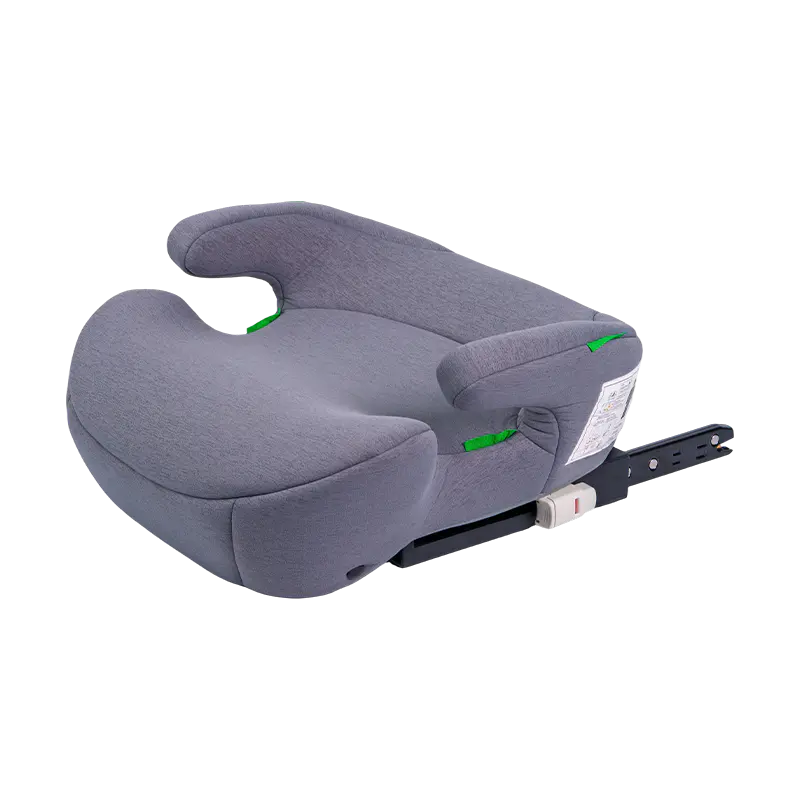

Car seats are crucial for ensuring the safety of passengers, especially when it comes to child car seats, which significantly reduce the risk of injury in the event of a collision. There are two primary types of car seats available on the market: Belted Car Seats and ISO-FIX Seat...
READ MORE
I Size Booster Safety Seat Wholesale
Product Category
Contact us
Wholesale I Size Booster Seat Manufacturers
About Us
JIANGSU HAPPY BABY SAFETY SEAT CO., LTD.
JIANGSU HAPPY BABY SAFETY SEAT CO., LTD. specializes in we hope to be not only the China Infant Booster Manufacturers and Wholesale Booster Safety Seat Factory, but also the trusted guardians of families.
Child safety is not merely a set of standards or a certification, but a responsibility and commitment. The birth of every chair is an understanding of the family and a reverence for life.
We hope to provide products that are safe, comfortable and design-oriented for families around the world through continuous research and development and innovation, so that parents' peace of mind can go hand in hand with children's smiles.
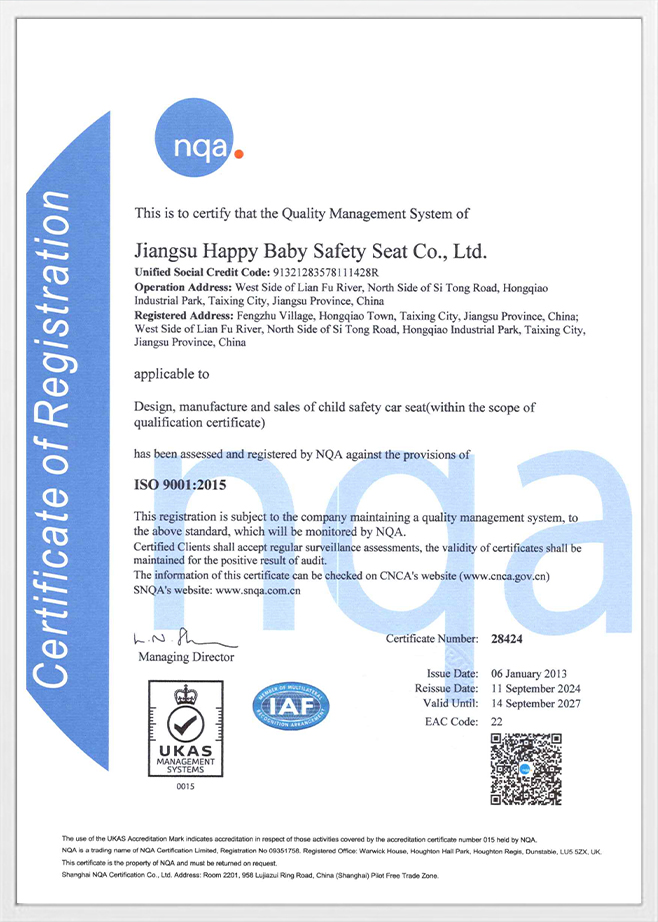
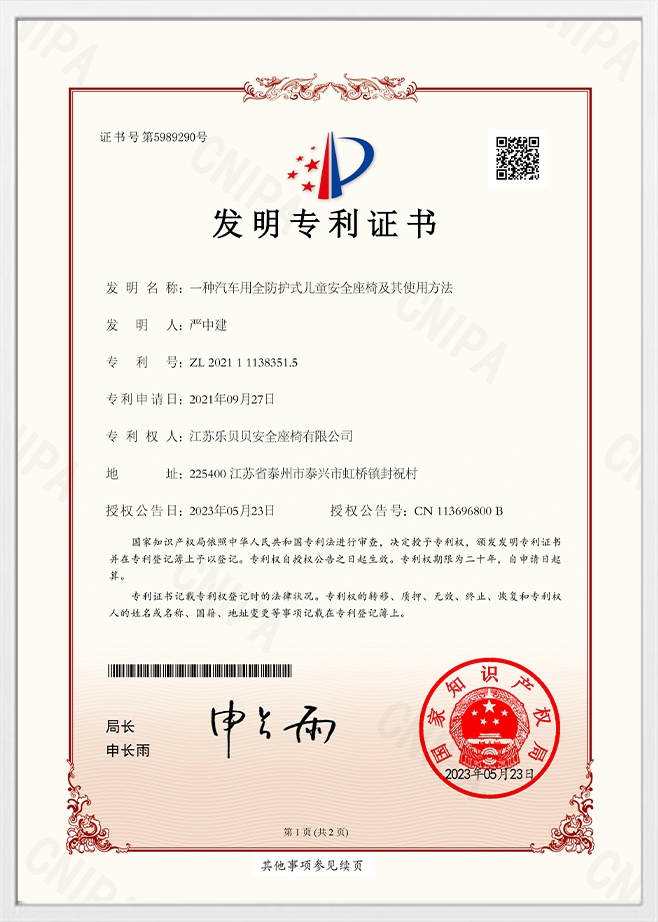
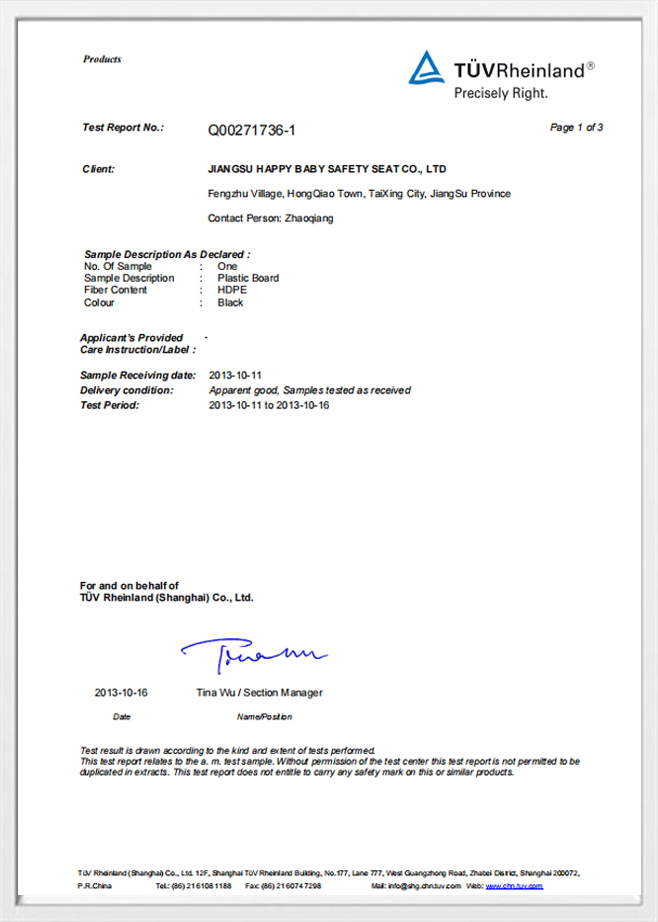
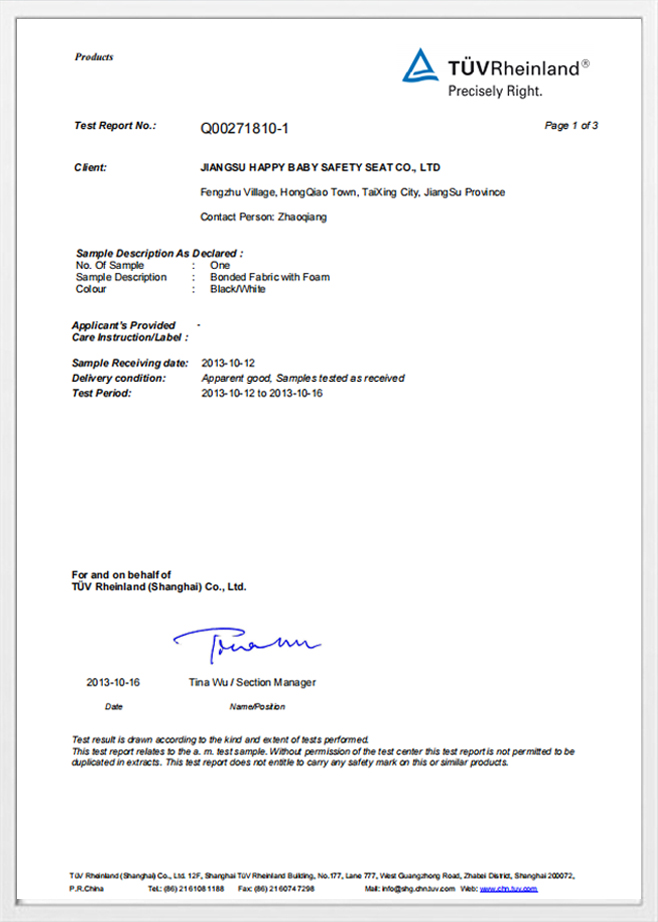
Certificate Of Honor
News
-
-
Baby Car Seat Ultimate Guide: The Safety Fortress for Your Baby's Travel Among the countless items on a parenting checklist, the Baby Car Seat is often regarded as the most indispensable investment. This is not just about complying with the law; it is based on deep principles of ...
READ MORE -
Laboratory Data Perspective: The Absolute Advantage of Rear Center In the physics analysis of traffic accidents, the Rear Center position of a vehicle is generally recognized as the safest installation point for a child safety seat. According to a large-scale crash data analysis ...
READ MORE
I-Size Booster Seat Industry knowledge
I Size Booster Seat: Definition and Core Science of Modern Safety Standards
In the field of child travel protection, the emergence of the I Size Booster Seat marks a revolutionary shift from height-based adaptation to comprehensive safety protection. As a trusted guardian for families worldwide, JIANGSU HAPPY BABY SAFETY SEAT CO., LTD. firmly believes that child safety is not merely a set of standards or a certification, but a responsibility and commitment. We understand that the birth of every chair represents a reverence for life.
Scientific Logic of the R129 (i-Size) Standard
Traditional ECE R44/04 standards primarily classified seats by weight, often ignoring the installation errors caused by differences in child body types. In contrast, the I Size Booster Seat follows the latest UN R129 regulations, centered on these scientific principles:
Height-Based Metrics: Ensures the headrest and belt guides of the Booster Safety Seat precisely match the child's skeletal development, preventing protection failure due to a child meeting weight requirements but lacking sufficient height.
Mandatory Side-Impact Testing: Traditional tests focused only on frontal and rear collisions. The i-Size standard requires every Booster Safety Seat to pass rigorous side-impact tests, simulating high-frequency lateral impacts in real accidents to significantly improve survival rates.
ISOFIX Requirements: To reduce human installation errors, the I Size Booster Seat widely utilizes ISOFIX rigid connectors, integrating the seat firmly with the vehicle chassis.
Why Choose the I-Size Series from JIANGSU HAPPY BABY?
We adhere to the core principle of Safety First throughout our R&D process. From thoughtful design to high-performance shock-absorbing materials, every Booster Safety Seat is equipped with cutting-edge defensive capabilities. Through rigorous testing, we maintain strict supervision of partner factories and conduct ongoing Physical & chemical testing to ensure every product is safe and free of toxic substances.
To ensure parents' peace of mind goes hand in hand with children's smiles, our design team has worked to simulate the curvature of the mother's embrace. Applying Ergonomics, we keep the spine of infants and children in a relaxed state, reducing fatigue during long-distance travel and ensuring physiological development is not compromised.
Comparison of I-Size (R129) and Traditional R44/04 Standards
| Dimension | Traditional R44/04 Standard (Old) | I-Size (R129) Standard (New) |
| Classification Basis | Weight | Height — More precise fit |
| Collision Testing | Frontal and Rear impact | Front, Rear + Mandatory Side Impact |
| Dummy Sensors | P-Series (Fewer sensors) | Q-Series (High-fidelity sensors) |
| Installation | Vehicle belt or ISOFIX | Mandatory ISOFIX to reduce error rates |
| Infant Booster Phase | Forward-facing allowed from 9kg | Rear-facing mandatory until 15 months |
Durable and Long-Lasting Protection
The products provided by JIANGSU HAPPY BABY SAFETY SEAT CO., LTD. are characterized as Durable and Long-Lasting. Our seats are constructed from sturdy, high-quality materials and undergo strict quality control procedures to ensure the Booster Safety Seat maintains its structural integrity and energy-absorption efficiency over years of use.
Why Does Your Child Need a Booster Safety Seat?
During the transitional growth stages, many parents mistakenly believe that children can use vehicle seat belts directly once they get older. However, from the perspectives of anatomy and crash biomechanics, a Booster Safety Seat is an indispensable barrier for protecting older children.
Limitations of Adult-Designed Seat Belts
Standard three-point vehicle seat belts are designed for adult skeletons. For children with insufficient height, the belt often crosses the neck or abdomen, creating fatal hazards:
Neck Risk: In a collision, without the positioning of a Booster Safety Seat, the belt can act as a dangerous edge, causing cutting injuries or strangulation to a child's delicate neck.
Abdominal Danger (Submarining): A child's iliac crest (pelvis) is not yet fully developed and cannot effectively anchor the belt. Without a Booster Safety Seat, the belt can slide up into the soft abdominal tissue, causing severe internal organ damage.
Core Science: Protection Mechanisms of High-Back Booster Safety Seats
JIANGSU HAPPY BABY SAFETY SEAT CO., LTD. implements a Safety First philosophy in all product development. Our Booster Safety Seat addresses safety risks through several technical means:
Path Guidance: Precise red belt guides ensure the seat belt remains centered on the shoulder and across the pelvis, avoiding vulnerable areas.
Head and Neck Support: Our high-back design provides a physical shield and uses shock-absorbing materials to absorb impact forces, protecting the fragile cervical spine from violent whiplash.
Ergonomics: To alleviate travel fatigue, our designs simulate the curvature of the mother's embrace, keeping the spine relaxed even in a raised position.
Comparison: Direct Seat Belt Use vs. Booster Safety Seat
| Evaluation Dimension | Direct Vehicle Seat Belt Use | Professional Booster Safety Seat |
| Shoulder Anchor Point | Likely to rub neck or slip to arm | Precisely fixed at midpoint of collarbone |
| Abdominal Anchor Point | Presses on soft tissue (internal injury risk) | Fixed on the pelvis/hips (sturdy support) |
| Side Protection | Zero protection (head hits window/door) | Deep side wings provide buffering |
| Visibility and Comfort | Obstructed view, prone to motion sickness | Elevated design for better view |
| Safety Assessment | High risk of submarining and neck injury | Greatly reduces injury rates; complies with I-Size |
Commitment to Quality: Durable and Long-Lasting
The child car safety seats manufactured by JIANGSU HAPPY BABY SAFETY SEAT CO., LTD. use sturdy and high-quality materials. We maintain strict supervision over partner factories, ensuring every Booster Safety Seat undergoes rigorous quality control. We know that child safety is a responsibility and commitment. This pursuit of durability ensures our products remain family guardians throughout their lifespan.
Transition Science: Infant Booster and Stage-Based Seats
Understanding the timing of transitioning from an Infant Booster to an older I Size Booster Seat is vital. This is not just a change in size, but a total upgrade of the restraint system and physical protection mechanisms.
Phase One: The Critical Period for Infant Booster
In early life, an infant's head-to-body weight ratio is extremely high, and the cervical spine is not yet calcified. JIANGSU HAPPY BABY SAFETY SEAT CO., LTD. recommends the use of an Infant Booster or carrier-style seat with strong wrapping during this stage.
The Science of Rear-Facing: Seats must be rear-facing during this phase. Studies show that rear-facing installation absorbs up to 80 percent of frontal impact forces, distributing the force across the back.
Five-Point Harness: Unlike the later Booster Safety Seat, this phase relies on a five-point harness to distribute forces across the shoulders, hips, and crotch.
Phase Two: Smooth Transition to I Size Booster Seat
When a child reaches approximately 100cm and the five-point harness is below shoulder height, it is time for an I Size Booster Seat.
From Restraint to Guidance: At this stage, the Booster Safety Seat no longer uses an internal harness but utilizes the vehicle's three-point belt, transformed by the seat's guide mechanism to fit a child's frame.
Height-Guided Logic: Following R129 standards, this transition is based on height rather than age. Our seats feature precise height scales to ensure headrest support always protects the core head area.
Comparison Table: Stage-Based Seat Performance
| Performance Dimension | Infant Booster (Early Phase) | I Size Booster Seat (Older Child Phase) |
| Applicable Height | 40cm to 105cm | 100cm to 150cm |
| Installation Direction | Mandatory Rear-facing | Forward-facing only |
| Restraint System | Internal Five-point Harness | Vehicle Three-point Belt |
| Main Function | Spinal support and full-body wrapping | Belt path optimization and side defense |
| Core Materials | High-density EPP/EPS | Reinforced PP shell + side structure |
Core Scientific Elements of Choosing a Booster Safety Seat
When choosing a high-performance I Size Booster Seat, understanding the internal construction and materials is key. JIANGSU HAPPY BABY SAFETY SEAT CO., LTD. believes Safety First applies to both collision protection and daily health.
Core Energy-Absorbing Materials: EPP vs. EPS
Every quality Booster Safety Seat has a hidden shock-absorption layer. Industry standards typically use EPS or EPP:
EPS (Polystyrene): Excellent initial impact absorption; it dissipates energy by crushing or deforming.
EPP (Polypropylene): A superior material with excellent elastic recovery and fatigue resistance. We utilize high-density EPP in our Booster Safety Seat to ensure structural integrity under extreme conditions, making our seats Durable and Long-Lasting.
Fabric Safety Under Physical and Chemical Testing
B2B procurement values compliance. We maintain strict supervision to ensure all I Size Booster Seat fabrics pass non-toxic testing like Oeko-Tex Standard 100.
Flame Retardancy: We use physical flame-retardant technology rather than cheap chemical sprays to avoid skin contact with harmful substances.
Air Circulation: Designed to facilitate heat dissipation, keeping the child dry during long periods in the Booster Safety Seat.
Ergonomics and Spinal Health
To reduce fatigue, our team ensures seats simulate the curvature of the mother's embrace. An I Size Booster Seat from our collection features a headrest and wings that move upward with height, ensuring the spine of infants and children maintains its natural physiological curve, reducing neck pressure.
Core Material Comparison Table
| Material/Metric | EPS (Commonly Used) | EPP (Enhanced Absorption) | Memory Foam (Comfort Layer) |
| Efficiency | High (one-time use) | Very High (multi-impact) | Moderate (auxiliary) |
| Toughness | Brittle (crushes to absorb) | High Toughness (unlikely to break) | Extremely flexible |
| Eco-friendliness | Standard grade | Food-contact grade eco-friendly | Skin-friendly |
| Weight | Extremely light | Lightweight but high strength | Moderate |
FAQ: Industry Knowledge
JIANGSU HAPPY BABY SAFETY SEAT CO., LTD. aims to be a trusted guardian for families. Below are professional answers regarding the I Size Booster Seat and Infant Booster.
Can all I Size Booster Seats be installed in any car?
Answer: Not necessarily. While I-Size improves compatibility, you must verify if the vehicle has the i-Size ready symbol. This typically requires ISOFIX anchors to ensure the highest level of safety.
Why must an Infant Booster be rear-facing, while older children use a forward-facing Booster Safety Seat?
Answer: In the infant stage, the head accounts for a high percentage of body weight, and neck muscles are weak. Rear-facing installation in an Infant Booster distributes forces across the back. For children over 100cm, the spine is more stable, and the Booster Safety Seat focuses on proper seat belt positioning.
What is the difference between a high-back Booster Safety Seat and a backless booster cushion?
Answer: A high-back seat provides mandatory side-impact protection and head support. A backless cushion only addresses belt pathing and offers no protection against lateral collisions. We always recommend the high-back I Size Booster Seat due to our reverence for life.
Do safety seats expire?
Answer: Yes, typically within 6 to 10 years. Over time, plastic materials can become brittle due to temperature fluctuations in the car. JIANGSU HAPPY BABY SAFETY SEAT CO., LTD. ensures our products are Durable and Long-Lasting through accelerated aging tests, but adherence to the service life is essential for Safety First.
Comparison: High-Back vs. Backless Booster
| Feature | High-Back Booster Safety Seat | Backless Booster Cushion |
| Side Impact Protection | Deep energy-absorbing side wings | Virtually none |
| Head/Neck Support | Multi-position adjustable headrest | No support |
| Belt Positioning | Precise shoulder and hip alignment | Only hip alignment |
| Comfort | Ergonomics design; prevents slouching | Poor support during sleep |
| Standard Compliance | Easier to meet I-Size (R129) | Mostly older R44 standards |
JIANGSU HAPPY BABY SAFETY SEAT CO., LTD. strives to provide products that are safe, comfortable, and design-oriented. Through continuous research and innovation, we ensure that parents' peace of mind goes hand in hand with children's smiles. Child safety is not merely a set of standards, but a responsibility.

For the safety of babies' travel, we are committed to being a reliable partner for babies and families, and to becoming an expert in children's car safety seats. This is our eternal pursuit.
Contact Us
For exclusive deals and latest offers, sign up by entering your email address below.
CONTACT INFORMATION
-
Address: North of Sitong Road and west of Lianfu Port, Hongqiao Industrial Park, Taixing City, Jiangsu Province
-
Phone: +86 15996087029
-
E-mail: [email protected]
Copyright © JIANGSU HAPPY BABY SAFETY SEAT CO., LTD. All Rights Reserved.
Wholesale R129 Booster Safety Seat Manufacturers