
 English
 中文简体
中文简体
Industry News
What is the Difference Between Belted Car Seats and ISO-FIX Seats
2026-03-20
Content
Car seats are crucial for ensuring the safety of passengers, especially when it comes to child car seats, which significantly reduce the risk of injury in the event of a collision. There are two primary types of car seats available on the market: Belted Car Seats and ISO-FIX Seats. These two types differ in terms of installation methods, compatibility with vehicles, and safety features. This article will explore the key differences between these two seat types to help consumers make an informed choice.
Installation Methods
The most significant difference between Belted Car Seats and ISO-FIX Seats lies in their installation method.
Belted Car Seats: This type of seat is secured using the vehicle's built-in seatbelt. The back of the seat has special guide rails or buckles that allow the seat to be firmly fixed with the car’s three-point seatbelt. While this installation method is simple and widely compatible, it has its pros and cons. On one hand, belted car seats can fit almost any vehicle, making them highly versatile. However, the security of the seat relies heavily on the proper installation of the seatbelt. If the seatbelt is not properly tightened, the seat may not provide optimal protection during a collision.
ISO-FIX Seats: The ISO-FIX system is a standardized method of attachment that allows the child seat to be securely fixed to the car using the ISO-FIX connectors, which are built into the car’s seat frame. This system provides a more secure and stable connection compared to the seatbelt method, as there is no risk of improper installation. ISO-FIX seats are quicker and easier to install and typically provide a better overall level of safety due to the secure connection to the vehicle.
Safety Comparison
In crash tests, ISO-FIX seats generally perform better than belted car seats. The reason for this is that ISO-FIX seats are directly attached to the car’s structure, providing a more stable and secure installation. In the event of a collision, the ISO-FIX system reduces seat movement, which significantly enhances the protection of the child. ISO-FIX seats help prevent sideward shifting, thereby minimizing the risk of injury.
Belted car seats, while still providing adequate protection in most cases, rely heavily on the proper installation of the seatbelt. If the seatbelt is not securely fastened, the seat’s stability and ability to absorb impact may be compromised, reducing the level of protection during an accident.
Vehicle Compatibility
Belted Car Seats: Belted car seats are compatible with nearly all vehicles. Since they use the car’s seatbelt for installation, they are not dependent on any specific connectors or interfaces, making them suitable for both old and new car models. This universality is a major advantage, especially for families with older vehicles that may not have ISO-FIX connectors.
ISO-FIX Seats: ISO-FIX seats are designed to work with cars that are equipped with ISO-FIX connectors. While these connectors are becoming increasingly common in new vehicles, many older cars still lack them. This means that ISO-FIX seats may not be compatible with older models or low-spec vehicles, limiting their versatility. In these cases, a belted car seat would be the only option.
Convenience and Installation Time
Belted Car Seats: The installation of a belted car seat is relatively simple, but it requires time and effort to ensure the seatbelt is tightly secured. Parents, especially first-time users, may need some time to learn the correct installation process. While most belted seats provide clear instructions, improper tightening of the seatbelt can lead to reduced security, which may affect the seat’s safety performance.
ISO-FIX Seats: Installing an ISO-FIX seat is quicker and easier. Simply attach the seat’s connectors to the car’s ISO-FIX points, and the installation is complete. The process is generally straightforward, even for new parents. Many ISO-FIX seats also feature indicators (lights or sounds) that confirm the seat has been properly installed, making the process foolproof.
Comfort and Adjustability
Belted Car Seats: Many belted car seats offer a high level of adjustability. The angle and height of the seat can often be adjusted to accommodate children of different ages or varying passenger needs. These seats also tend to be simpler in design, making them easier to clean and maintain. However, due to their installation method, belted car seats may not provide as stable a seating position as ISO-FIX seats, particularly for long trips.
ISO-FIX Seats: ISO-FIX seats are generally designed with a focus on comfort and ergonomics. These seats often offer more head and body support, which is especially beneficial for younger children. Because ISO-FIX seats are more stable, they also provide better support for the child’s posture, reducing fatigue during longer journeys. Furthermore, many ISO-FIX seats offer multiple reclining positions and height adjustments to cater to a child’s growth.
Regulations and Certification Standards
Both Belted Car Seats and ISO-FIX Seats are required to meet strict safety standards set by regulatory bodies. In Europe, for example, car seats must adhere to ECE R44/04 or ECE R129 (i-Size) standards, which include crash tests to ensure they provide adequate protection. ISO-FIX seats tend to perform better in crash tests due to their more stable installation. However, belted car seats are also subject to rigorous safety regulations and are designed to meet the necessary standards for safe usage in vehicles.
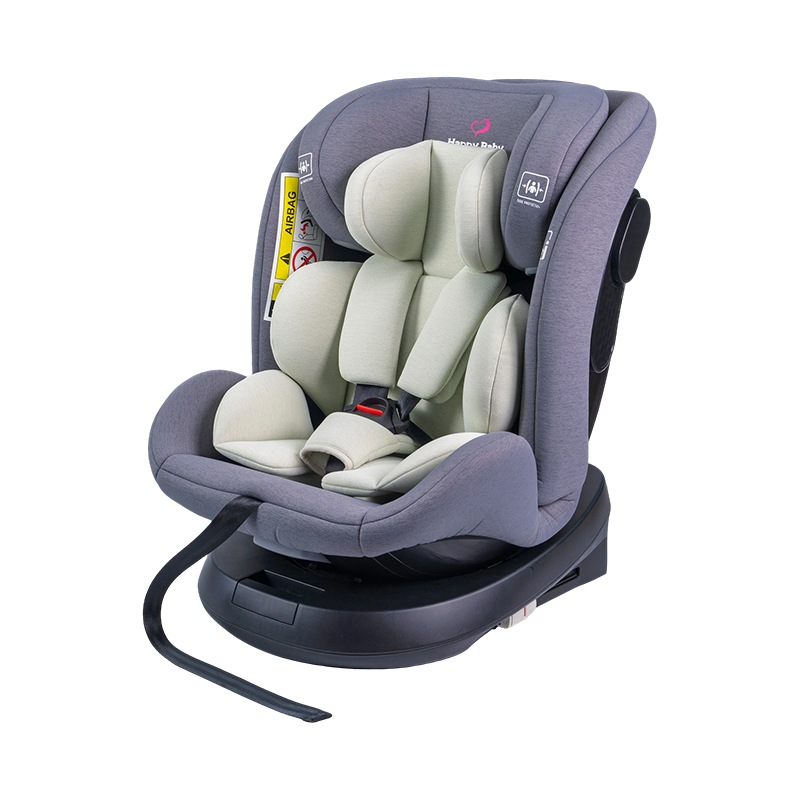
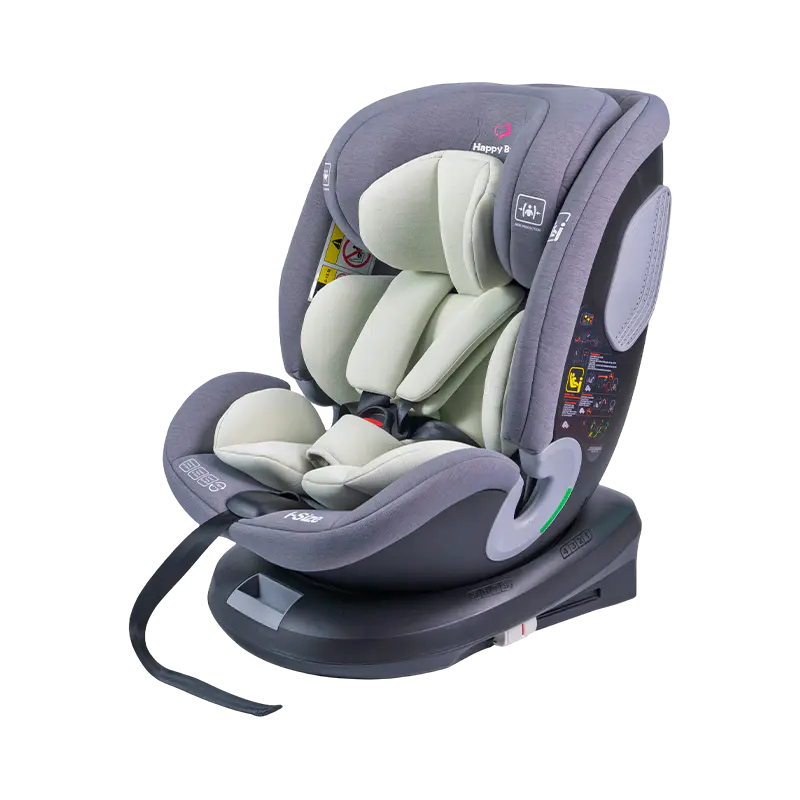
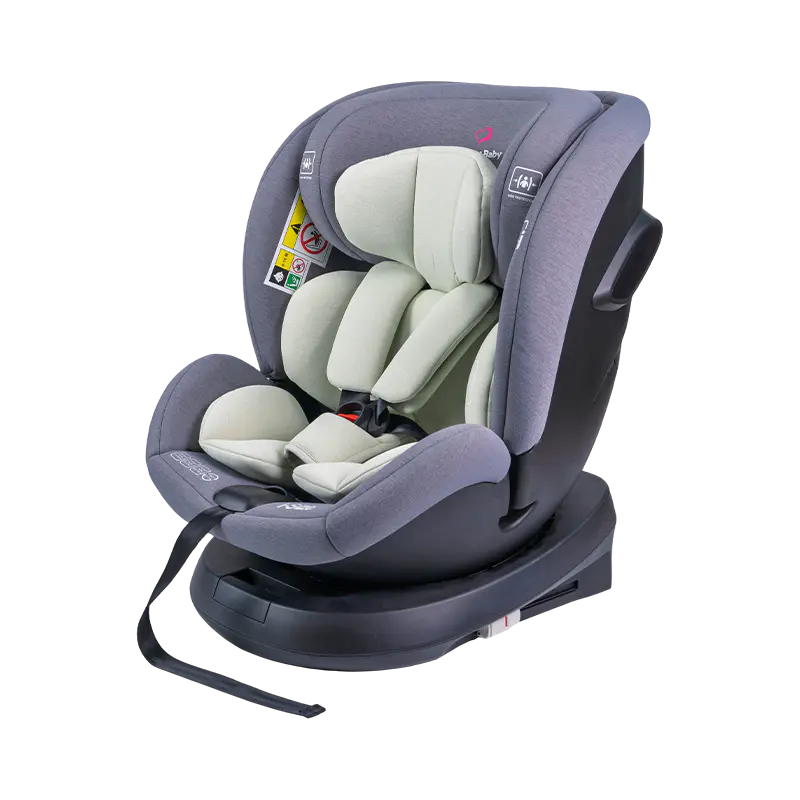
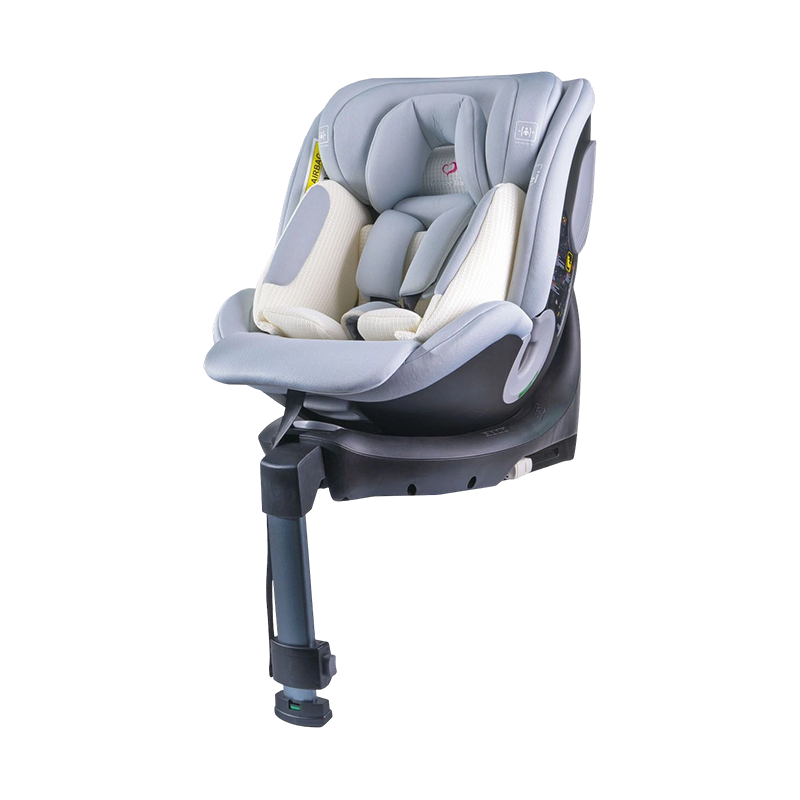
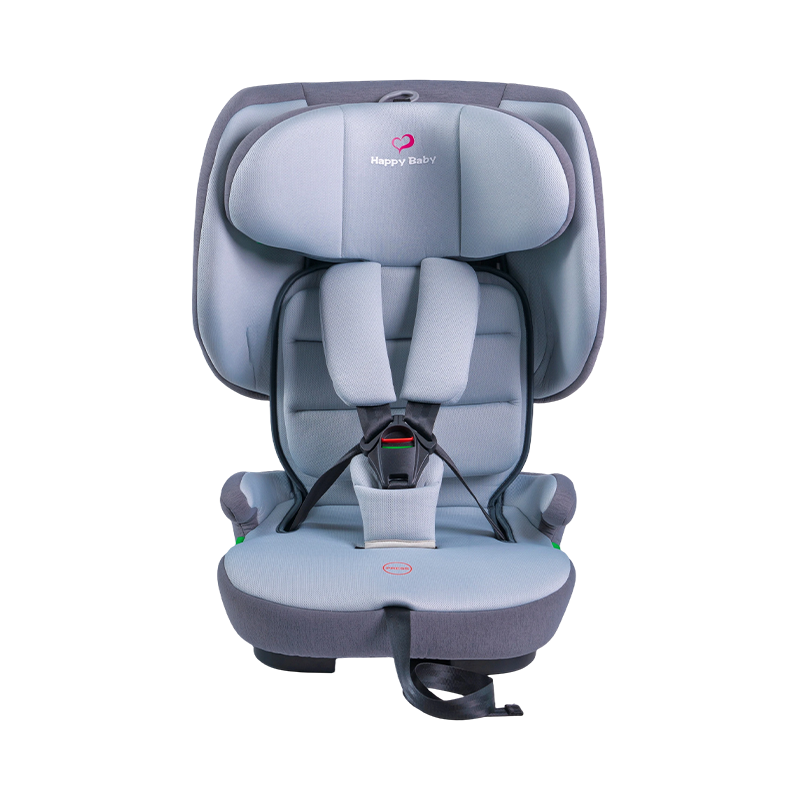


For the safety of babies' travel, we are committed to being a reliable partner for babies and families, and to becoming an expert in children's car safety seats. This is our eternal pursuit.
Contact Us
For exclusive deals and latest offers, sign up by entering your email address below.
CONTACT INFORMATION
-
Address: North of Sitong Road and west of Lianfu Port, Hongqiao Industrial Park, Taixing City, Jiangsu Province
-
Phone: +86 15996087029
-
E-mail: [email protected]
Copyright © JIANGSU HAPPY BABY SAFETY SEAT CO., LTD. All Rights Reserved.
Wholesale Child Travel Safety Seat Factory