
 English
 中文简体
中文简体 Home / News / Industry News / What Are the Most Common Usage Errors and Misconceptions About I Size Booster Safety Seat
Industry News
What Are the Most Common Usage Errors and Misconceptions About I Size Booster Safety Seat
2026-04-17
Content
- 1 I Size Booster Safety Seat Popularity and Misunderstanding Phenomena
- 2 Common Installation Position Misconceptions for I Size Booster Safety Seat
- 3 ISOFIX Interface Usage Misunderstandings
- 4 Common Safety Belt Adjustment Errors
- 5 Age and Height Requirement Misunderstandings
- 6 Forward Installation Misunderstandings
- 7 Seat Pad and Accessory Usage Errors
- 8 Cleaning and Maintenance Misconceptions
- 9 Collision Aftermath Seat Handling Misconceptions
- 10 Multiple Children Sharing Single Seat Erroneous Practices
- 11 Product Instruction Manual Neglect Common Practices
- 12 Safety Seat Validity Period Misunderstandings
- 13 Vehicle Compatibility Neglect
- 14 In-Motion Seat Adjustment Dangerous Practices
I Size Booster Safety Seat Popularity and Misunderstanding Phenomena
As I Size Booster Safety Seat gains global recognition, increasing numbers of parents select this safer child protection product. However, many users possess significant misconceptions and incorrect usage practices regarding proper I Size Booster Safety Seat operation. These erroneous usage methods potentially dramatically reduce product safety protection effectiveness, in certain circumstances proving more dangerous than non-seat-usage.
Common Installation Position Misconceptions for I Size Booster Safety Seat
Installation position errors represent I Size Booster Safety Seat's most common usage misconception. Numerous parents incorrectly install I Size Booster Safety Seat on front passenger seats. Actually, consistent with I Size standards and national safety regulations, I Size Booster Safety Seat should always install on rear seats. Front seating presents greater child risks including increased frontal collision impact force and side collision dangers. Only when rear seating proves unavailable or unusable for special medical reasons might front installation possibly occur, requiring front airbag deactivation.
Another frequent error involves middle seat installation. While middle seating permits use in certain circumstances, many vehicles demonstrate middle seat safety and ISOFIX interface configuration inferiority compared to side seats. Middle seating additionally potentially lacks adequate lateral support and protection.
ISOFIX Interface Usage Misunderstandings
I Size standards mandate ISOFIX interface requirements, yet numerous parents possess misconceptions. A common error assumes I Size Booster Safety Seat requires no safety belt supplementary fixing. Actually, most I Size Booster Safety Seats require simultaneous ISOFIX interface and vehicle safety belt usage ensuring secure installation. Exclusive ISOFIX usage excluding safety belts, or sole safety belt reliance excluding ISOFIX, produces safety seat movement or overturn during collisions.
Another ISOFIX-related misconception involves connection point misunderstanding. Parents sometimes connect ISOFIX connectors to incorrect fixed points or fail ensuring complete locking during connection. I Size Booster Safety Seat ISOFIX connections should produce clear "clicking" sounds indicating locking, with seat remaining firmly secured on seating demonstrating no visible movement.
Common Safety Belt Adjustment Errors
Despite correct safety seat installation, improper safety belt adjustment severely reduces protection effectiveness. A prevalent misconception assumes looser safety belts provide greater comfort. Actually, safety belts should snugly conform to child bodies with no space exceeding single finger insertion capacity between middle. Excessively loose safety belts potentially cause child sliding from seats during collisions.
Another frequent error involves incorrect shoulder region adjustment. Safety belts should traverse child shoulders rather than necks or armpits. Improper shoulder positioning potentially produces neck or rib injuries. Safety belt anchor points require height-based child adjustment, with many I Size Booster Safety Seats featuring adjustable shoulder position functionality.
Age and Height Requirement Misunderstandings
Numerous parents poorly comprehend I Size Booster Safety Seat age and height requirements. A prevalent misconception bases discontinuation age judgment rather than height. I Size standards employ height-based rather than age-based recommendations, typically suggesting booster function discontinuation when child height reaches 150 centimeters. Varying growth rates characterize different children, age-only judgment potentially causes premature protection discontinuation.
Another misconception overlooks minimum height requirement consideration. Certain I Size Booster Safety Seat products maintain minimum height requirements, typically around 100-105 centimeters. Below-minimum-height child usage potentially reduces safety, as safety belt positioning proves unsuitable.
Forward Installation Misunderstandings
I Size Booster Safety Seat's important feature includes forward installation permission for many models. However, numerous parents possess misconceptions regarding forward installation permissibility timing. Typically, forward installation becomes permissible only when children achieve specific height requirements (usually 105-110 centimeters) and maintain stable seating. Premature forward installation potentially produces insufficient protection, particularly during side collisions.
Another related misconception assumes top tether non-requirement following forward installation. Actually, despite forward installation, top tether usage remains necessary preventing excessive forward seat tilting during collisions.
Seat Pad and Accessory Usage Errors
Certain parents place additional cushions or backrest pads on I Size Booster Safety Seats for comfort enhancement. This represents dangerous practice potentially altering safety belt positioning and angles, reducing protection effectiveness. Furthermore, certain non-manufacturer accessories might influence seat stability or ISOFIX interface compatibility.
Similarly, numerous parents incorrectly employ plush toys or similar items filling seat gaps. These objects potentially become dangerous flying projectiles during collisions, causing additional harm. I Size Booster Safety Seat should employ original manufacturer design exclusively without unapproved attachment additions.
Cleaning and Maintenance Misconceptions
Numerous parents lack proper I Size Booster Safety Seat cleaning and maintenance knowledge. A common error involves strong chemical cleaning product or bleach application potentially damaging materials or safety devices. Another misconception involves washing machine placement potentially destroying internal structure.
Correct cleaning methodology typically employs lukewarm soapy water and soft cloth cleaning. Certain components such as ISOFIX connectors require dry cloth cleaning preventing rust. Parents should regularly inspect seats for damage, cracks or loose component evidence.
Collision Aftermath Seat Handling Misconceptions
Numerous parents lack knowledge regarding collision aftermath I Size Booster Safety Seat handling. A prevalent misconception assumes externally undamaged seats remain usage-suitable. Actually, minor collisions potentially damage internal structures reducing protection performance. Following significant collision events, current safety standards recommend seat replacement.
Another misconception includes post-collision inspection insufficiency. Parents should carefully inspect ISOFIX connection firm security, safety belt completeness, cushion crack or deformation evidence. Any uncertainty requires manufacturer consultation or professional guidance.
Multiple Children Sharing Single Seat Erroneous Practices
Certain circumstances might prompt parents attempting simultaneous two-child I Size Booster Safety Seat installation. This proves strictly prohibited, as safety seat design exclusively serves singular child usage. Two-child single-seat sharing produces incorrect safety belt positioning, dramatically reducing protection. Each child requires appropriate-sized individual safety seating.
Product Instruction Manual Neglect Common Practices
Numerous parents fail reading product instruction manuals following I Size Booster Safety Seat purchase. Manuals contain specific model-critical installation and usage information including weight and height limitations, safety belt adjustment methodology and special considerations. Manual non-reading potentially causes multiple erroneous usage methods.
Additionally, parents sometimes purchase I Size Booster Safety Seats through second-hand channels lacking manuals. Such circumstances require manufacturer website manual downloading or manufacturer information contact. Parents should prioritize obtaining product documentation ensuring safe operation.
Safety Seat Validity Period Misunderstandings
Numerous parents lack I Size Booster Safety Seat validity period knowledge. Although physical seat longevity potentially extends 10 years or beyond, certain materials such as plastics and foams gradually degrade overtime. Furthermore, extreme temperature exposure or prolonged sun exposure potentially impairs protection performance.
Related misconception includes seat recycling oversight. Discontinued-use I Size Booster Safety Seats should undergo local regulation-compliant recycling or disposal rather than random discarding. Certain manufacturers provide recycling programs.
Vehicle Compatibility Neglect
Not all vehicles completely accommodate all I Size Booster Safety Seat models. A common error involves seat purchase without pre-purchase vehicle-compatibility checking. Certain vehicles potentially lack ISOFIX interfaces or feature incompatible seat designs. Parents should pre-purchase check seat compatibility lists or manufacturer consultation.
In-Motion Seat Adjustment Dangerous Practices
Certain parents adjust safety belts or perform other seat adjustments during vehicle operation. This proves extremely dangerous potentially causing child injury or driver attention diversion. All seat adjustments should occur during parking periods when children remain absent from seats preferably.
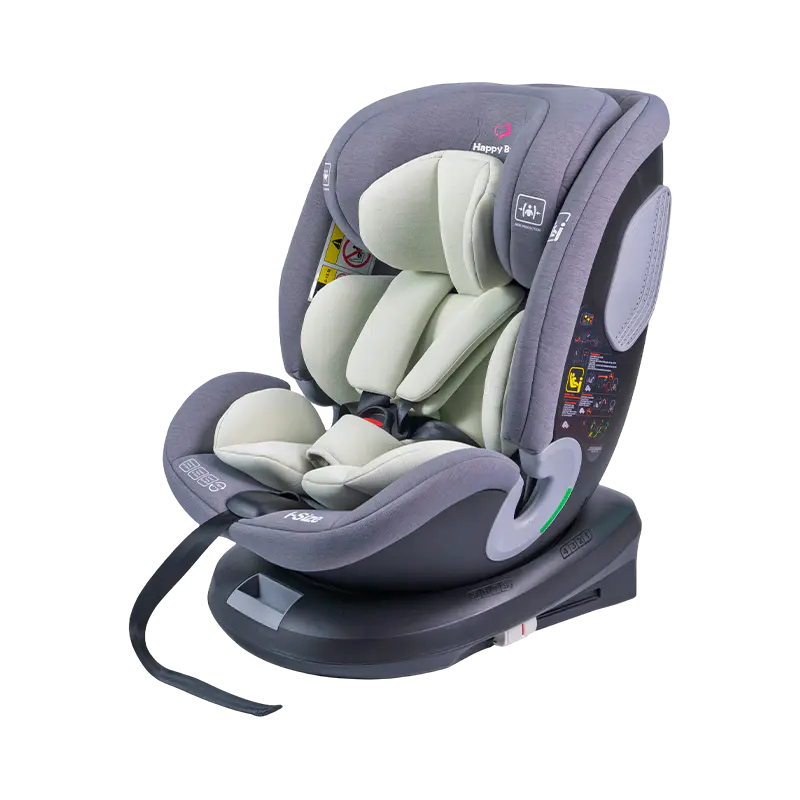
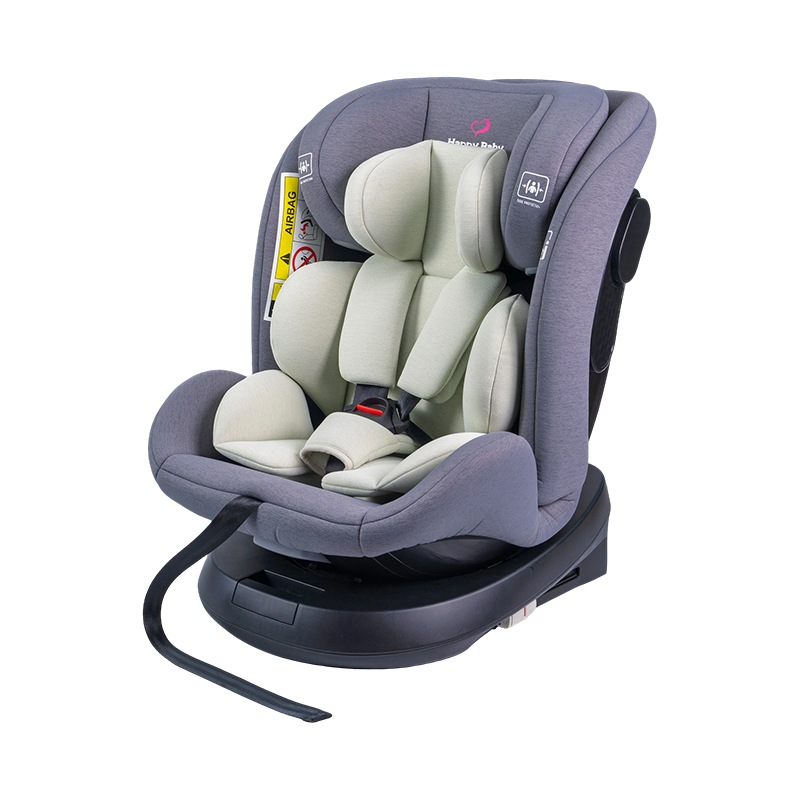
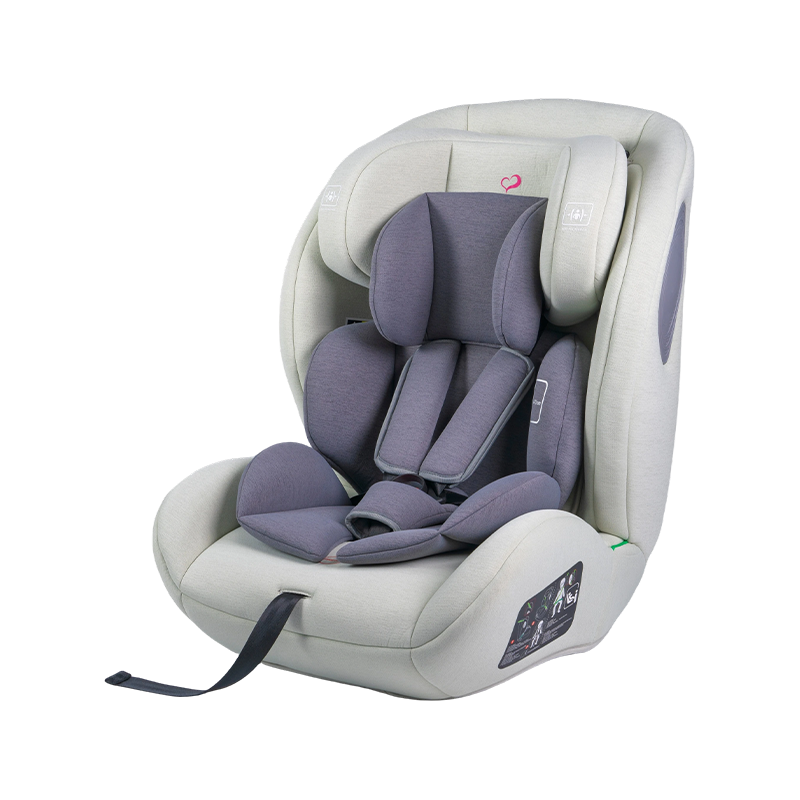
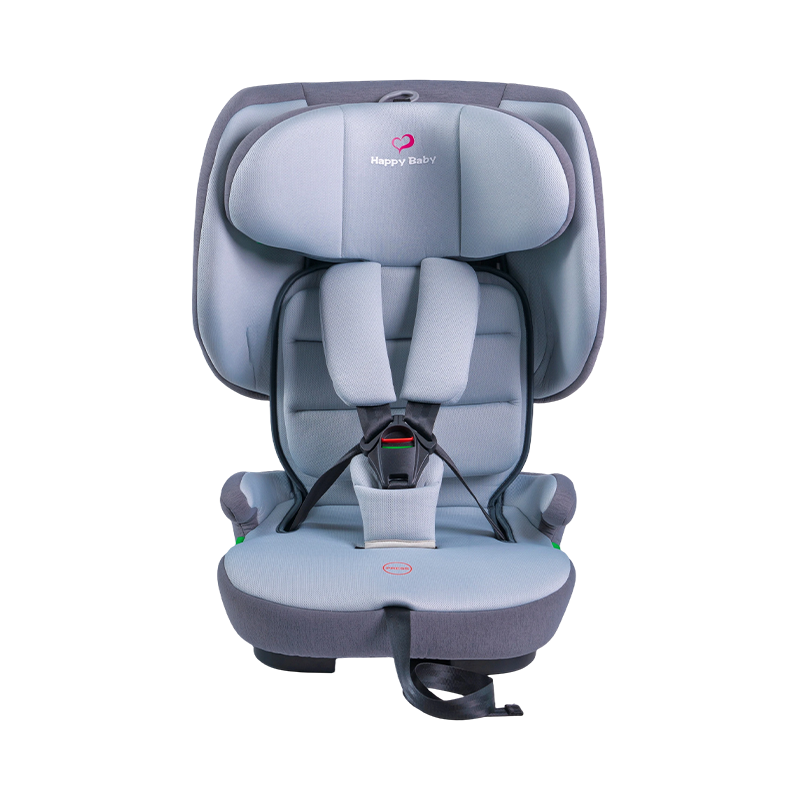
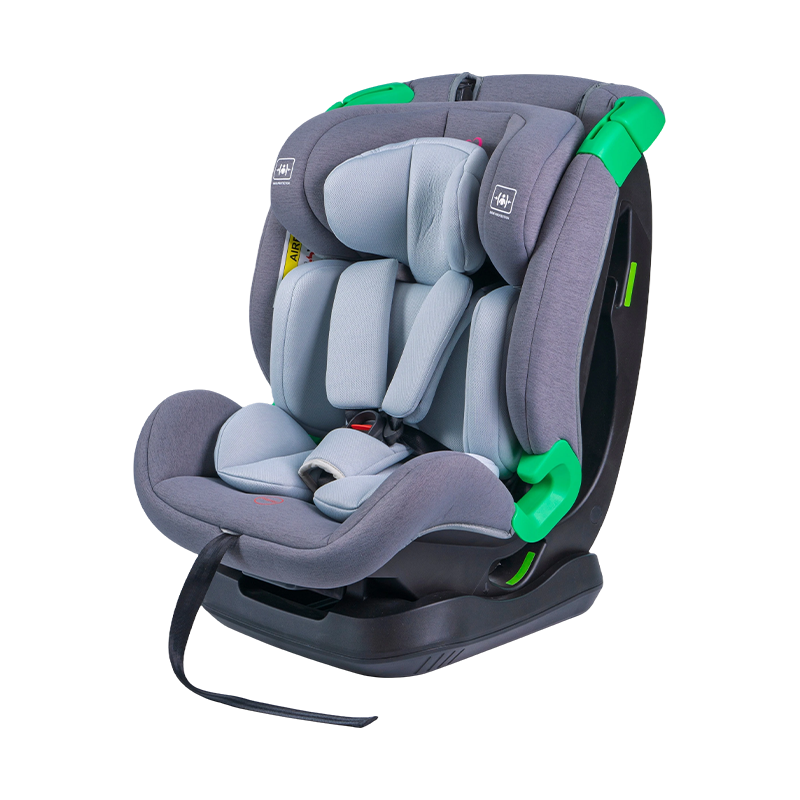
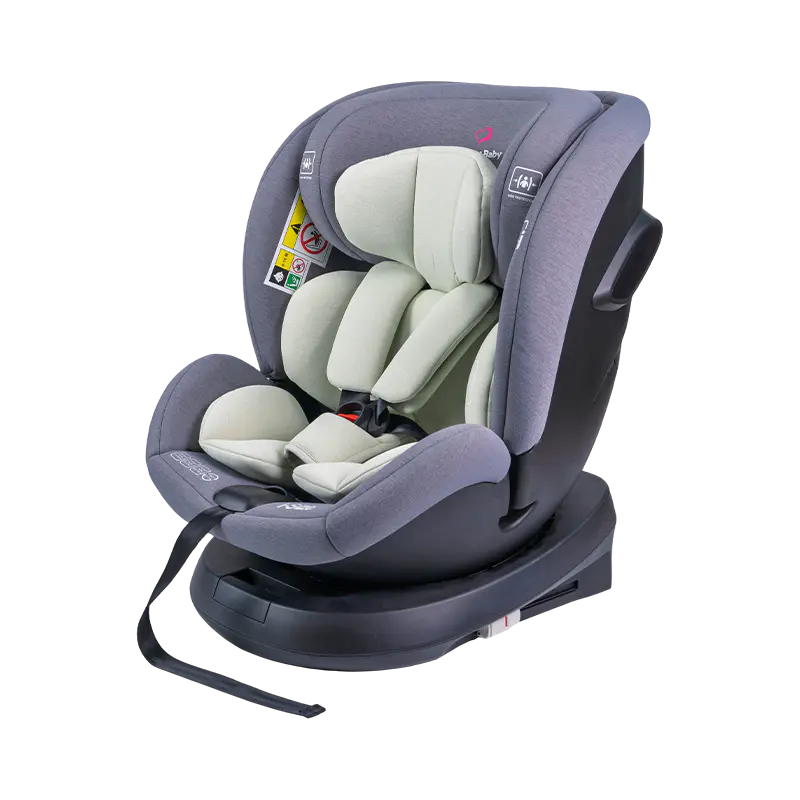

For the safety of babies' travel, we are committed to being a reliable partner for babies and families, and to becoming an expert in children's car safety seats. This is our eternal pursuit.
Contact Us
For exclusive deals and latest offers, sign up by entering your email address below.
CONTACT INFORMATION
-
Address: North of Sitong Road and west of Lianfu Port, Hongqiao Industrial Park, Taixing City, Jiangsu Province
-
Phone: +86 15996087029
-
E-mail: [email protected]
Copyright © JIANGSU HAPPY BABY SAFETY SEAT CO., LTD. All Rights Reserved.
Wholesale Child Travel Safety Seat Factory