
 English
 中文简体
中文简体 Home / News / Industry News / Are You Choosing the Right Safety? What Every Parent Needs to Know About ECE R129 i-Size Car Seats
Industry News
Are You Choosing the Right Safety? What Every Parent Needs to Know About ECE R129 i-Size Car Seats
2026-05-29
In the field of child passenger safety, the evolution of regulations directly affects product design and safety. At present, the ECE R129 (often referred to as i-Size) promulgated by the Economic Commission for Europe has become the highest recognized safety standard in the industry. For parents, understanding the technical implications of r129 safety standard is crucial for selecting an appropriate car seat r129.
Core Differences Between ECE R129 and R44
Many consumers are confused by the differences between r44 r129 car seat. The traditional ECE R44 standard mainly groups products based on the child's weight, while ECE R129 introduces a classification method based on height, which allows r129 isize certified products to more accurately match a child's physical development.
The following technical indicators highlight the differences:
| Technical Indicator | ECE R44 Standard | ECE R129 (i-Size) Standard |
| Basis of Classification | Weight (kg) | Height (cm) |
| Side Impact Test | No requirement | Must pass test |
| Rear-facing Requirement | Only required under 9kg | Mandatory at least under 15 months |
| Dummy Model | Traditional sensor | High-precision Q series sensor |
| Installation Method | Seat belt or ISOFIX | Mandatory ISOFIX (i-Size compatible) |
Why R129 Compliant Car Seats Are Safer
r129 compliant car seats integrate multiple mandatory measures to enhance safety during the development phase.
First, ECE R129 introduces side impact protection testing, which is missing from the traditional standard. In actual road traffic, the proportion of head injuries caused by side impacts is high. car seat ece r129 effectively slows down the impact force through a reinforced energy-absorbing side structure.
Second, given the developmental characteristics of infant spines, r129 isize mandates an extended period for rear-facing travel. Rear-facing installation ensures that the head, neck, and torso are evenly supported during a frontal collision, minimizing the pressure on the neck.
Finally, r129 safety standard uses more advanced Q-series test dummies. Compared to older dummies, the Q-series provide more detailed biomechanical data, especially for stress feedback on the head and neck, prompting manufacturers to optimize the layout of cushioning materials in ece r129 car seats.
How to Identify and Select R129 Products
When choosing a car seat r129, the most direct method is to check the orange label on the back of the product. Products that meet r129 compliant car seats specifications will clearly mark the "i-Size" text and the applicable height range.
In addition, when installing ece r129 car seats, be sure to confirm whether the vehicle itself has i-Size interfaces. Although most r129 compliant car seats can be backward compatible with traditional ISOFIX interfaces, using i-Size certified interfaces ensures installation stability and simplicity, greatly reducing risks caused by incorrect installation.
For parents new to r129 isize, it is recommended to prioritize models with support legs or anti-rebound bars. As part of r129 safety standard, these designs effectively reduce displacement during collisions, ensuring the seat remains in place when impacted.
In child passenger safety, there is no such thing as a "universal" seat; only a car seat r129 that matches the child's height can provide maximum protection. Regularly updating seats based on the child's height growth and strictly following ece r129 installation guidelines is the foundation for every parent to ensure their child's travel safety. By understanding the technical logic of r129 safety standard, parents can more confidently select high-quality products that meet stringent safety requirements in the market.
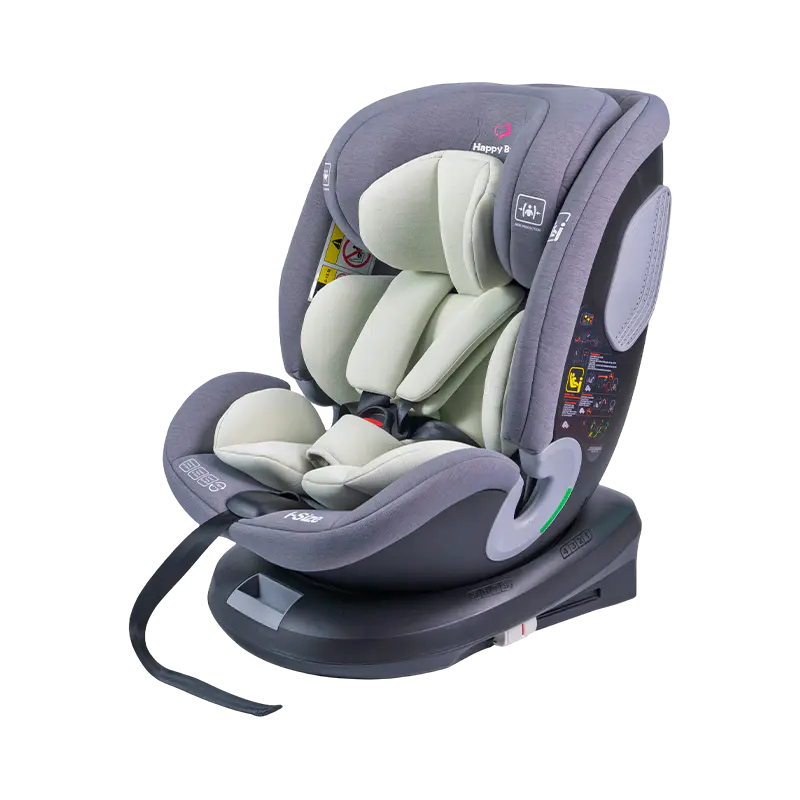
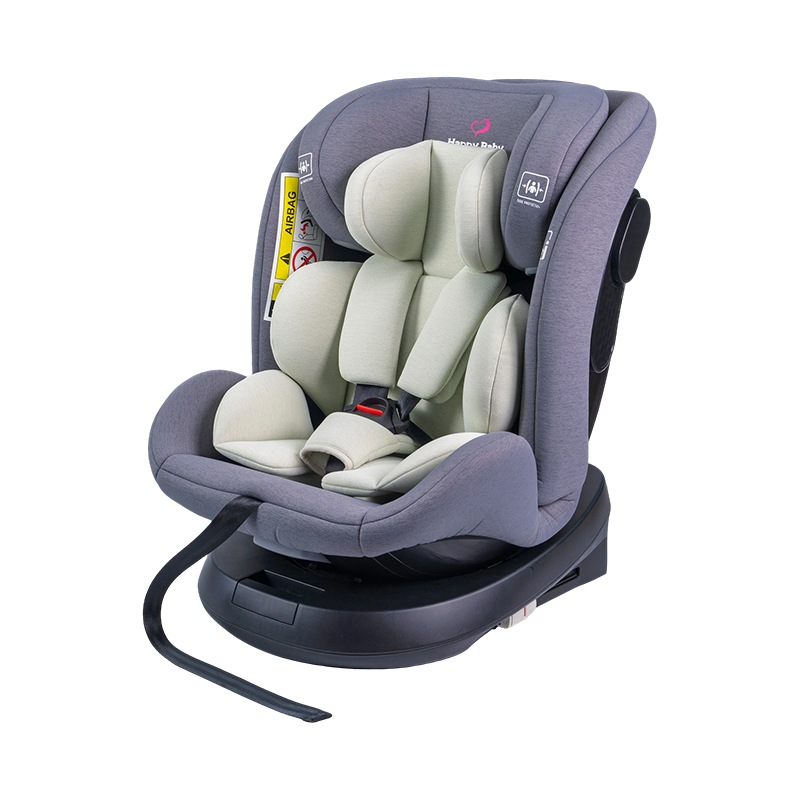
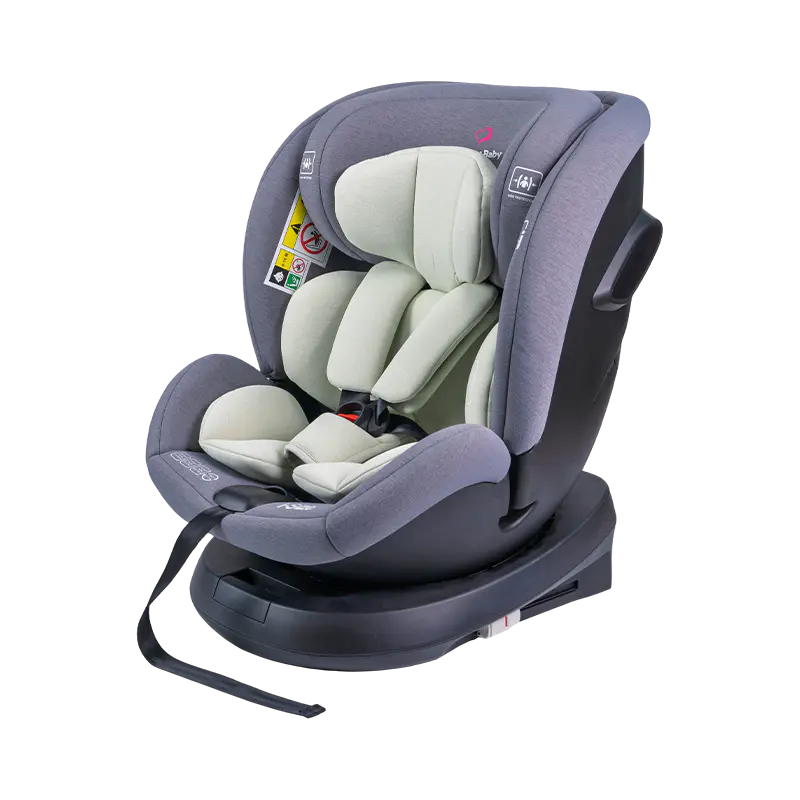
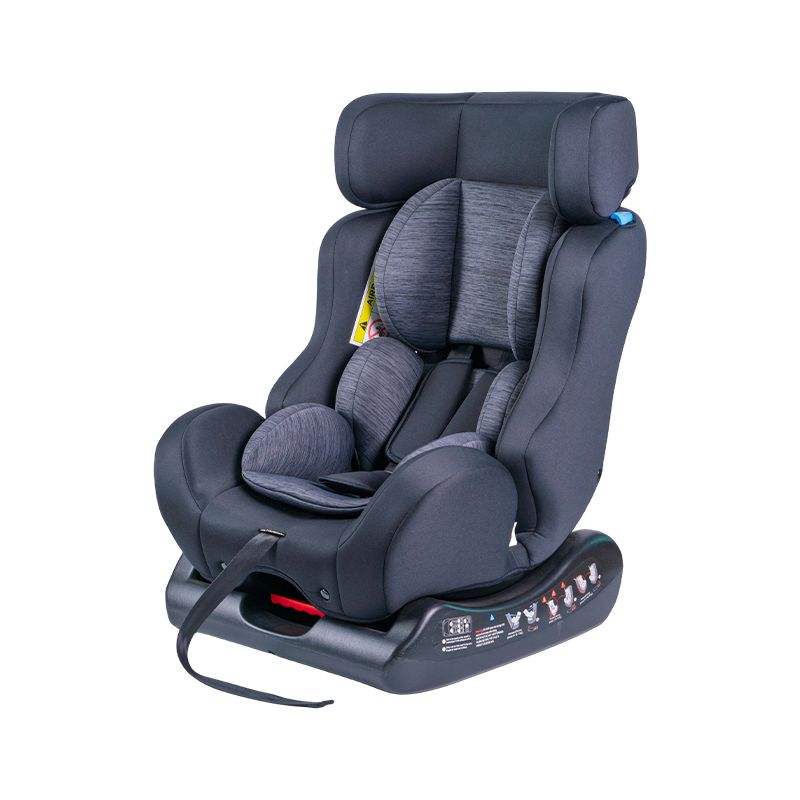
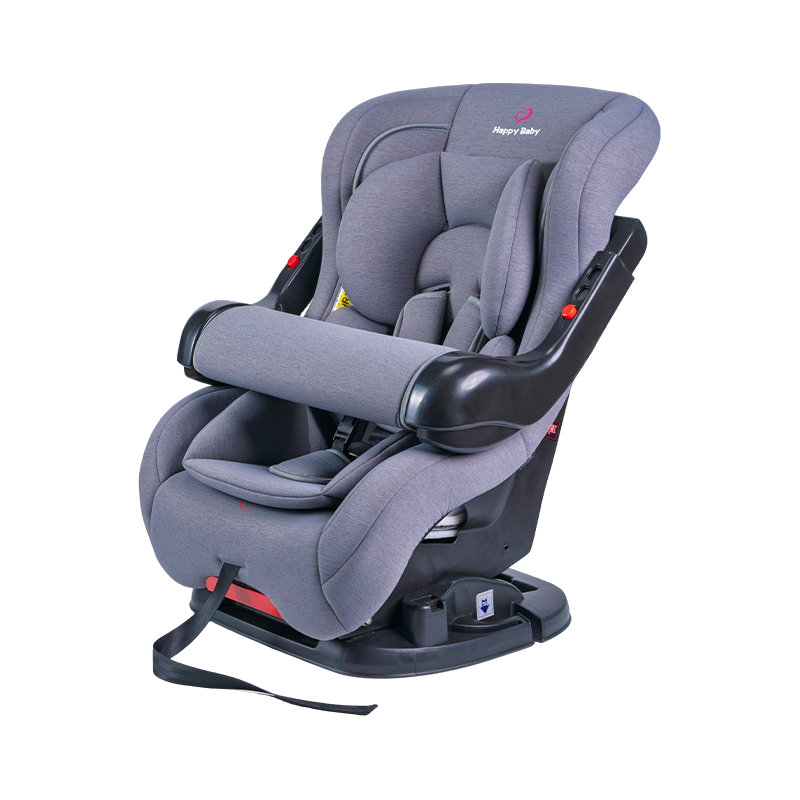
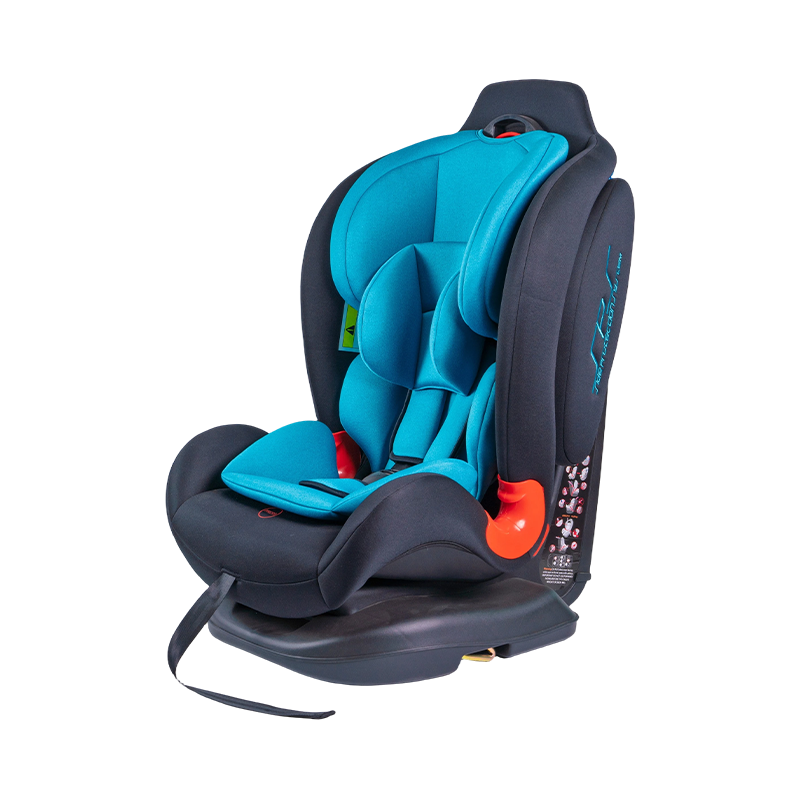

For the safety of babies' travel, we are committed to being a reliable partner for babies and families, and to becoming an expert in children's car safety seats. This is our eternal pursuit.
Contact Us
For exclusive deals and latest offers, sign up by entering your email address below.
CONTACT INFORMATION
-
Address: North of Sitong Road and west of Lianfu Port, Hongqiao Industrial Park, Taixing City, Jiangsu Province
-
Phone: +86 15996087029
-
E-mail: [email protected]
Copyright © JIANGSU HAPPY BABY SAFETY SEAT CO., LTD. All Rights Reserved.
Wholesale Child Travel Safety Seat Factory