
 English
 中文简体
中文简体

Industry News
Choosing the Right Baby Car Seat: A Comprehensive Guide for Parents
2026-01-13
Content
- 1 Introduction to Baby Car Seats
- 1.1 The Role of Baby Car Seats in Child Travel Safety
- 1.2 Car Accidents and Child Safety Considerations
- 1.3 Why Standard Seat Belts Are Not Enough for Children
- 1.4 Legal Requirements for Baby Car Seats
- 1.5 Understanding Different Types of Car Seats
- 1.6 The Importance of Proper Car Seat Installation
- 1.7 Car Seat Harness Function and Adjustment
- 1.8 Rear-Facing Car Seats and Early Development
- 1.9 Transitioning to Forward-Facing and Booster Seats
- 1.10 Car Seat Reviews and Informed Decision-Making
- 1.11 Overview of Common Car Seat Categories
- 1.12 Building Awareness Around Car Seat Safety
- 2 Types of Baby Car Seats
- 3 Key Features to Consider for Baby Car Seats
- 4 Safety Tips for Baby Car Seats
- 4.1 Never Leave a Child Unattended in a Car Seat
- 4.2 Always Follow the Car Seat's Weight and Height Limits
- 4.3 Replace Car Seats After an Accident
- 4.4 Register the Car Seat for Recall Notifications
- 4.5 Dress Children in Appropriate Clothing to Ensure the Harness Fits Snugly
- 4.6 Additional Safety Practices for Car Seat Use
- 4.7 Monitoring and Regular Checks
- 4.8 Comparison Table of Safety Tips and Implementation
- 4.9 Education and Awareness for Caregivers
- 4.10 Practical Recommendations for Daily Use
- 5 References / Sources
Introduction to Baby Car Seats
The Role of Baby Car Seats in Child Travel Safety
A baby car seat is a foundational safety device designed to protect infants and young children during vehicle travel. From the earliest days after birth through different stages of childhood, a properly selected and installed child car seat helps reduce the risk of injury during sudden stops, collisions, or unexpected road conditions. Because a child’s body structure is still developing, standard vehicle seat belts are not suitable for providing adequate restraint. Infant car seats and other age-appropriate systems are specifically engineered to distribute forces more safely across stronger parts of a child’s body, such as the shoulders and hips, while limiting excessive movement.
Car Accidents and Child Safety Considerations
Traffic safety research from transportation authorities consistently shows that motor vehicle accidents remain one of the leading causes of injury for children. Data collected by road safety organizations indicate that children who are properly restrained in a baby car seat experience a much lower risk of serious injury compared to those who are unrestrained or improperly restrained. Car seat safety studies also demonstrate that the correct use of rear-facing car seats for infants and toddlers offers improved protection for the head, neck, and spine during frontal impacts, which are among the most common types of crashes.
Why Standard Seat Belts Are Not Enough for Children
Vehicle seat belts are designed to fit adult body proportions and do not account for the smaller size and different bone structure of young passengers. When a child uses a seat belt without a booster seat or appropriate car seat, the belt may sit too high on the abdomen or neck, increasing the risk of injury in a collision. Baby car seats, including convertible car seats and forward-facing car seats, are designed to work with a car seat harness that holds the child securely in position, ensuring that crash forces are managed in a controlled manner.
Legal Requirements for Baby Car Seats
In many countries and regions, laws mandate the use of child car seats based on a child’s age, weight, and height. These regulations are intended to ensure that children are provided with an appropriate level of protection during vehicle travel. Legal requirements often specify the use of rear-facing car seats for infants, followed by forward-facing car seats and later booster seats as the child grows. While exact regulations vary by jurisdiction, compliance with local car seat laws is an essential responsibility for caregivers and drivers, and failure to follow these rules may result in penalties or fines.
Understanding Different Types of Car Seats
Baby car seats are available in several categories to accommodate a child’s growth and changing safety needs. An infant car seat is typically rear-facing and designed for newborns and young babies, offering head and neck support. A convertible car seat can transition from rear-facing to forward-facing, allowing extended use over multiple stages. As children grow taller and heavier, a booster seat positions them correctly so that the vehicle’s seat belt fits as intended. Each type of child car seat serves a specific purpose and should be selected based on the child’s size and developmental stage.
The Importance of Proper Car Seat Installation
Even the most carefully designed baby car seat cannot provide adequate protection if it is not installed correctly. Car seat installation involves securing the seat firmly to the vehicle using either the seat belt system or dedicated anchoring points, depending on the design. Studies in car seat safety indicate that a significant number of car seats are installed incorrectly, which can reduce their protective function. Following manufacturer instructions, understanding vehicle compatibility, and ensuring the correct angle and tightness are essential steps in effective car seat installation.
Car Seat Harness Function and Adjustment
The car seat harness is a critical component that keeps the child positioned within the protective shell of the seat. A properly adjusted harness should fit snugly without causing discomfort, with straps lying flat and positioned at the appropriate height relative to the child’s shoulders. In rear-facing car seats, the harness helps limit forward motion during a crash, while in forward-facing car seats, it restrains the upper body and distributes forces evenly. Regularly checking and adjusting the harness as the child grows is a key part of maintaining car seat safety.
Rear-Facing Car Seats and Early Development
Rear-facing car seats are widely recommended for infants and toddlers because they provide additional support for the head, neck, and spine. In a frontal collision, the rear-facing orientation allows the car seat to absorb much of the impact energy, reducing stress on vulnerable areas of a child’s body. Many safety authorities encourage keeping children in a rear-facing car seat for as long as possible within the limits specified by the manufacturer. This approach aligns with current understanding of child biomechanics and injury prevention.
Transitioning to Forward-Facing and Booster Seats
As children grow and exceed the limits of rear-facing car seats, they may transition to forward-facing car seats equipped with a harness. This stage provides continued restraint while accommodating increased height and weight. Eventually, a booster seat becomes appropriate, positioning the child so that the vehicle’s seat belt fits across the shoulder and hips rather than the neck or abdomen. Each transition should be based on the child’s physical development rather than age alone, ensuring consistent protection at every stage.
Car Seat Reviews and Informed Decision-Making
Car seat reviews play an important role in helping caregivers compare different models and features. Reviews often consider factors such as ease of car seat installation, adjustability of the car seat harness, material durability, and compatibility with various vehicles. While reviews can provide useful insights, they should be considered alongside official safety standards and manufacturer guidelines. Choosing a baby car seat that fits both the child and the vehicle contributes to better long-term safety outcomes.
Overview of Common Car Seat Categories
| Car Seat Type | Typical Orientation | Primary Use Stage | Key Safety Function |
|---|---|---|---|
| Infant Car Seat | Rear-facing | Newborns and young infants | Supports head, neck, and spine |
| Convertible Car Seat | Rear-facing to forward-facing | Infants to toddlers | Adapts to growth with extended use |
| Forward-Facing Car Seat | Forward-facing | Toddlers and young children | Harness-based upper body restraint |
| Booster Seat | Forward-facing with seat belt | Older children | Positions seat belt correctly |
Building Awareness Around Car Seat Safety
Understanding the purpose and function of different child car seat options helps caregivers make informed decisions that support safer travel. Awareness of legal requirements, correct car seat installation practices, and appropriate transitions between seat types contributes to improved protection for children. As vehicles and safety standards continue to evolve, staying informed about car seat safety remains an essential part of responsible childcare and road safety culture.
Types of Baby Car Seats
Rear-Facing Car Seats
Rear-facing car seats are designed to accommodate the youngest passengers, typically from birth up to two to four years old, depending on the specific model. The weight limits for rear-facing car seats usually range from approximately 4 to 40 pounds, with height restrictions generally up to around 40 inches. This seating position is considered the safest because it provides maximum support for an infant’s head, neck, and spine in the event of a frontal collision, which is the most common type of accident. By distributing crash forces over a larger area of the body, rear-facing car seats reduce the likelihood of serious injury. Popular rear-facing car seat models often feature adjustable recline positions, energy-absorbing foam, and integrated car seat harness systems that can be easily tightened or loosened to ensure proper fit for infants of varying sizes. Examples of well-reviewed models include those that are compatible with infant car seat bases for convenient car seat installation, allowing caregivers to move the seat in and out of the vehicle without disturbing the child.
Convertible Car Seats
Convertible car seats are versatile options that can transition from a rear-facing car seat for infants to a forward-facing car seat for toddlers. These seats are designed for extended use, often supporting children from around 5 pounds up to 65 pounds or more, depending on manufacturer specifications. Convertible car seats allow caregivers to keep a child in the safer rear-facing position for as long as possible, then switch to forward-facing with a harness as the child grows. This flexibility reduces the need to purchase multiple seats and supports consistent car seat safety throughout early childhood. Convertible models typically offer adjustable recline positions, multiple harness heights, and compatibility with various car seat installation systems. Top-rated convertible car seat models often include options for side-impact protection, energy-absorbing padding, and easy-to-use car seat harness adjustments, making them a practical choice for families seeking a single solution for multiple growth stages.
Forward-Facing Car Seats with Harness
Once a child has outgrown the rear-facing limits of a convertible or infant car seat, a forward-facing car seat with a harness becomes the next stage in car seat progression. These seats generally accommodate children from 20 to 65 pounds, with height limits up to 49 inches or according to manufacturer guidelines. The secure car seat harness is critical in forward-facing seats, keeping the child restrained and reducing forward motion in the event of a collision. The harness system typically includes multiple height adjustment points to ensure the straps sit at or above the child’s shoulders, providing proper crash protection. Recommended forward-facing car seats often feature additional safety components, such as reinforced frames, energy-absorbing materials, and car seat installation indicators to verify correct setup. Reliable models are frequently highlighted in car seat reviews for their ease of installation and secure harness functionality.
Booster Seats
Booster seats serve as the bridge between forward-facing car seats with a harness and using the vehicle’s seat belt alone. Children typically transition to booster seats when they exceed the weight or height limits of forward-facing car seats, generally around 40 to 100 pounds and up to 57 inches tall. Booster seats position the vehicle seat belt correctly over the child’s shoulder and lap, preventing the belt from sitting across the neck or abdomen. There are high-back booster seat options, which provide head and neck support, and backless booster seats, which offer a more portable and compact solution while still ensuring proper belt positioning. Comfortable and safe booster seat models include adjustable seat belt guides, padded seating surfaces, and side-impact protection features, making them suitable for longer trips and daily use. Car seat installation for booster seats is typically straightforward, but caregivers should confirm correct belt routing and secure placement according to the manufacturer’s instructions.
All-in-One Car Seats
All-in-one car seats are designed to provide a comprehensive solution for children from infancy through the booster seat stage. These seats usually accommodate children from 5 to 100 pounds or more, covering rear-facing, forward-facing, and booster seat stages in a single product. The benefits of all-in-one car seats include extended use, consistent car seat safety across multiple developmental stages, and fewer replacements required as the child grows. Age, weight, and height requirements are clearly indicated by the manufacturer, and caregivers can adjust recline positions, harness heights, and seat configurations as needed. Top-rated all-in-one car seat models often feature easy-to-use car seat harness systems, side-impact protection, removable and washable covers, and compatibility with both LATCH and seat belt installation methods. Families who prioritize a single, long-term car seat solution may find all-in-one models convenient, cost-effective, and aligned with car seat safety guidelines.
Comparison of Baby Car Seat Types
| Car Seat Type | Orientation | Weight/Height Range | Key Safety Features | Typical Use Stage |
|---|---|---|---|---|
| Rear-Facing Car Seat | Rear-facing | 4–40 lbs, up to 40 in | Car seat harness, head/neck support, energy-absorbing foam | Infants |
| Convertible Car Seat | Rear-facing to Forward-facing | 5–65+ lbs, up to 49 in | Adjustable harness, side-impact protection, recline positions | Infants to Toddlers |
| Forward-Facing Car Seat | Forward-facing | 20–65 lbs, up to 49 in | Secure harness system, reinforced frame, installation indicators | Toddlers |
| Booster Seat | Forward-facing with seat belt | 40–100 lbs, up to 57 in | Belt guides, side-impact protection, high-back or backless options | Older children |
| All-in-One Car Seat | Rear-facing to Forward-facing to Booster | 5–100+ lbs | Adjustable harness, side-impact protection, multiple recline positions | Infants to Older children |
Choosing the Right Car Seat Based on Child Growth
Selecting the appropriate baby car seat requires careful attention to the child’s weight, height, and developmental stage. Caregivers should follow manufacturer guidelines for car seat installation and monitor their child’s growth to determine when a transition to the next car seat type is necessary. Car seat reviews can provide insights into ease of installation, comfort, and durability, but safety standards and proper car seat harness adjustment remain the primary considerations. Consistent adherence to recommended seating orientations and usage limits ensures ongoing child car seat safety throughout early and middle childhood.
Additional Considerations for Car Seat Selection
Beyond weight and height specifications, caregivers should evaluate additional features when selecting a baby car seat. Factors such as removable and washable covers, compatibility with strollers or travel systems, recline adjustments, and side-impact protection contribute to comfort and convenience without compromising safety. Car seat installation should be verified using both seat belt and LATCH systems where applicable, ensuring the car seat is securely anchored to the vehicle. Regular inspection of the car seat harness, connectors, and frame is essential to maintain optimal performance. Families may also consult car seat reviews and safety ratings from independent testing organizations to make informed choices among rear-facing, convertible, forward-facing, booster, and all-in-one car seat options.
Key Features to Consider for Baby Car Seats
Safety Standards and Certifications
Ensuring car seat safety begins with verifying compliance with established safety standards and certifications. In the United States, the National Highway Traffic Safety Administration (NHTSA) sets regulations and testing protocols that all baby car seats must meet. These standards include crash testing, harness performance, and structural integrity under impact. Many car seat models also carry additional certifications from independent organizations, indicating that they meet or exceed safety benchmarks. When evaluating a child car seat or infant car seat, caregivers should look for labels or documentation that confirm compliance with these safety standards. Car seat reviews often provide information about safety certifications, highlighting which models have been rigorously tested and verified. This verification process ensures that the baby car seat, convertible car seat, forward-facing car seat, or booster seat provides consistent protection during daily use and in the event of a collision.
Ease of Installation
Proper car seat installation is critical for ensuring that a baby car seat or child car seat functions effectively in protecting a child. Improperly installed seats can reduce the effectiveness of the car seat harness and compromise car seat safety. Modern car seats often feature the LATCH (Lower Anchors and Tethers for Children) system, which allows for secure attachment to the vehicle without relying solely on the seat belt. For vehicles without LATCH anchors, seat belt installation is an alternative, and many convertible car seats and forward-facing car seats offer clear belt routing guides to facilitate correct placement. Car seat reviews frequently emphasize ease of installation as a key factor for caregivers, highlighting models that provide clear indicators when the seat is securely anchored. Tips for a secure fit include ensuring the seat does not move more than one inch side-to-side or front-to-back when installed, tightening the car seat harness appropriately, and verifying that all connectors and tethers are properly fastened.
Comfort and Padding
Comfort is an important consideration for long-term use of a baby car seat, convertible car seat, forward-facing car seat, or booster seat. Seats with adequate padding provide support for the child’s head, neck, and back, which can help reduce fatigue during extended trips. Breathable materials are particularly beneficial in hot weather, as they allow for airflow and help prevent overheating. Fabric choices may include moisture-wicking or ventilated materials, which contribute to overall comfort without compromising car seat safety. Caregivers often consider comfort when reviewing car seat models, noting whether padding is thick enough for support yet flexible enough to adjust as the child grows. Removable inserts for infants, particularly in rear-facing car seats, can enhance comfort while ensuring that the baby car seat harness positions the child correctly.
Harness System
The harness system is one of the most crucial components of a child car seat, directly affecting the level of protection provided during a collision. A 5-point harness is the standard for most rear-facing, convertible, and forward-facing car seats, securing the child at both shoulders, both hips, and the crotch. This design helps distribute crash forces evenly across the strongest parts of the child’s body. Adjustable harness heights allow caregivers to modify the straps as the child grows, ensuring that the harness remains at the correct shoulder level. Ease of use is also important, as caregivers need to be able to tighten, loosen, or buckle the harness quickly while maintaining safety. Car seat reviews often highlight harness systems that combine safety, adjustability, and user-friendly design, making daily use simpler and more secure.
Cleaning and Maintenance
Regular cleaning and maintenance of a baby car seat, child car seat, or booster seat contribute to both hygiene and longevity. Most modern car seats feature removable and machine-washable covers, allowing caregivers to address spills, stains, and dirt without disassembling the entire seat. Padding and fabric inserts can often be detached and cleaned separately, while harness straps and buckles may be wiped down with mild cleaning solutions to maintain functionality. Car seat reviews may discuss ease of maintenance as a factor in overall usability, noting models that balance comfort and durability with practical cleaning solutions. Regular inspections and maintenance help ensure that the car seat harness, recline mechanisms, and installation components continue to function correctly, supporting ongoing car seat safety for infants and older children alike.
Expiration Date
Baby car seats and child car seats are subject to expiration dates set by manufacturers, typically ranging from six to ten years from the date of production. Over time, materials can degrade, affecting the structural integrity of the seat and the effectiveness of the car seat harness. Exposure to sunlight, temperature fluctuations, and daily wear can contribute to deterioration, making it important to check the car seat’s expiration date before use. Using a car seat beyond its expiration date may compromise car seat safety, even if the seat appears intact. Caregivers should note the manufacturing date, consult the user manual for specific expiration guidance, and consider replacing the seat if it approaches or surpasses its recommended lifespan. Car seat reviews often remind parents to monitor expiration dates as part of responsible car seat use, ensuring ongoing protection for the child.
Comparison of Key Features in Car Seats
| Feature | Rear-Facing Car Seat | Convertible Car Seat | Forward-Facing Car Seat | Booster Seat |
|---|---|---|---|---|
| Safety Standards | NHTSA certified, side-impact tested | NHTSA certified, convertible crash-tested | NHTSA certified, reinforced frame | NHTSA certified, seat belt positioning guides |
| Installation | LATCH and seat belt compatible | LATCH and seat belt, installation indicators | LATCH and seat belt, secure tether | Seat belt guides, high-back or backless options |
| Comfort | Infant inserts, padded, breathable fabrics | Adjustable recline, padding for toddlers | Side-impact padding, comfortable fabric | Padded seating surface, ventilated fabrics |
| Harness System | 5-point, adjustable heights | 5-point, rear-to-forward adjustable | 5-point, secure harness with adjustment | N/A, seat belt used instead |
| Cleaning | Removable, machine-washable covers | Removable inserts, wipeable harness | Washable seat cover, easy maintenance | Detachable pad, easy cleaning |
| Expiration | Check manufacturing date, typically 6-10 years | Check expiration for safety integrity | Verify lifespan before extended use | Check seat belt guides and pad condition |
Tips for Selecting a Car Seat
When choosing a baby car seat, convertible car seat, forward-facing car seat, or booster seat, caregivers should prioritize models that meet safety standards and provide clear installation guidance. Car seat installation should be tested in the vehicle before first use, ensuring minimal movement and correct harness alignment. Comfort features, such as padded inserts and breathable fabrics, contribute to long-term usability. A 5-point harness system with adjustable heights supports safe restraint as the child grows. Regular cleaning and attention to the expiration date help maintain optimal function and hygiene. Consulting car seat reviews can provide additional insights into usability, ease of installation, and reliability across various models, enabling caregivers to make informed decisions based on both safety and convenience.
Conclusion on Key Features
Understanding the key features of a baby car seat, child car seat, or booster seat allows caregivers to select products that balance safety, comfort, and practicality. Compliance with safety standards, secure car seat installation, effective harness systems, comfortable materials, and manageable cleaning procedures all contribute to overall car seat safety. Monitoring the expiration date ensures that the car seat continues to provide protection over time. By considering these factors, families can make informed choices that enhance car seat safety and provide a reliable, comfortable environment for their children during travel.
Safety Tips for Baby Car Seats
Never Leave a Child Unattended in a Car Seat
One of the most critical aspects of car seat safety is never leaving a child unattended in a baby car seat, child car seat, or infant car seat. Even brief periods of inattention can lead to serious risks such as accidental tipping, strangulation from an improperly adjusted car seat harness, or heat-related issues in warm weather. Rear-facing car seats and convertible car seats, when installed using the correct car seat installation methods such as the LATCH system or seat belt installation, are particularly sensitive to movement, making constant supervision essential. Car seat reviews often highlight cases where inattentive placement or leaving a child alone in the seat led to minor injuries or stress, emphasizing the importance of adult presence. In addition, caregivers should avoid placing car seats on elevated surfaces or in unstable locations outside of the vehicle, as these actions can increase the risk of accidents. Consistent attention ensures that the baby car seat provides the intended protection in any scenario.
Always Follow the Car Seat's Weight and Height Limits
Adhering to manufacturer-specified weight and height limits is essential to ensure car seat safety. Rear-facing car seats are generally designed for infants and young toddlers, providing critical support to the head, neck, and spine in the event of a collision. Convertible car seats allow children to remain in a rear-facing position longer before transitioning to a forward-facing car seat, extending protection during early developmental stages. Forward-facing car seats with a car seat harness are intended for older toddlers and preschoolers, and booster seats are used when children have outgrown forward-facing seats but are not yet large enough to use the vehicle seat belt safely. Ignoring weight and height specifications can compromise the effectiveness of the car seat harness and reduce protection. Caregivers should consult car seat reviews to compare limits across models and select the most appropriate baby car seat or child car seat for the child’s current size while planning for growth. Proper adherence to these limits is crucial for maintaining consistent car seat safety across different stages of childhood development.
Replace Car Seats After an Accident
Car seats, including baby car seats, convertible car seats, forward-facing car seats, and booster seats, are engineered to absorb energy in a crash to protect the child. The materials used in these seats are designed to deform under stress, dissipating forces that could otherwise harm the child. After any accident, the structural integrity of the seat, the frame, and the car seat harness may be compromised, even if no visible damage is present. Car seat reviews frequently stress that replacement is necessary after a collision to ensure ongoing car seat safety. This applies to rear-facing car seats, convertible car seats, and booster seats alike. Maintaining a record of accidents and the history of car seat use can guide caregivers in deciding when to replace a seat. This practice helps maintain consistent protection and ensures that the car seat harness and structural components perform as intended in future scenarios.
Register the Car Seat for Recall Notifications
Registering a baby car seat, child car seat, infant car seat, or convertible car seat with the manufacturer is an important step in maintaining safety. Registration allows caregivers to receive notifications regarding recalls, design updates, or potential defects that could affect car seat safety. Manufacturers may issue recalls due to issues with the car seat harness, buckle, frame integrity, or installation mechanisms. Forward-facing car seats, booster seats, and convertible car seats can all benefit from registration, as timely alerts allow for necessary repairs or replacements. Car seat reviews often provide guidance on how to register a car seat, emphasizing the importance of this step in maintaining ongoing safety. Staying informed through manufacturer communication ensures that caregivers can act promptly if any component of their baby car seat requires attention, thereby preserving the effectiveness of the car seat harness and overall seat performance.
Dress Children in Appropriate Clothing to Ensure the Harness Fits Snugly
The proper fit of a car seat harness is a key factor in car seat safety. Clothing that is too bulky, such as thick coats or snowsuits, can prevent the harness from fitting snugly against the child’s body. This can reduce the protective effect of rear-facing car seats, convertible car seats, forward-facing car seats, and booster seats. The car seat harness should be positioned closely around the shoulders and chest, with the chest clip at armpit level to distribute forces effectively in case of sudden braking or a collision. Car seat reviews frequently provide instructions on adjusting harness straps and positioning, emphasizing that snug fit is essential for safe operation. Parents are encouraged to place blankets or jackets over the harness rather than underneath it, ensuring warmth without compromising the tightness of the car seat harness. Proper harness adjustment is particularly critical for infant car seats and rear-facing car seats, which support the head and neck during early stages of development.
Additional Safety Practices for Car Seat Use
Beyond primary precautions, several supplementary practices enhance car seat safety. Always double-check car seat installation before every trip, confirming that the seat does not move excessively side-to-side or front-to-back. Proper placement in the vehicle, whether using LATCH system anchors or seat belt installation, ensures stability for rear-facing car seats, convertible car seats, forward-facing car seats, and booster seats. Avoid aftermarket accessories that are not approved by the manufacturer, as these may interfere with the car seat harness or compromise structural integrity. Car seat reviews often highlight user experiences regarding ease of installation, real-world safety performance, and the effectiveness of built-in safety indicators. Ensuring consistent and careful adherence to installation and harness adjustment protocols maximizes the protective features of all types of car seats, enhancing overall child safety.
Monitoring and Regular Checks
Regular monitoring of car seats, including baby car seats, convertible car seats, forward-facing car seats, and booster seats, is essential for maintaining safety. Caregivers should inspect the harness, buckle, connectors, and seat frame for signs of wear or damage. Confirm that adjustable harness heights function properly and that the car seat installation remains tight. Checking expiration dates is equally important, as the materials in car seats can degrade over time, reducing the performance of the car seat harness and structural components. Car seat reviews often provide insights into long-term durability, highlighting which models maintain integrity over years of use. By conducting regular checks and monitoring the condition of the car seat, caregivers can ensure ongoing car seat safety and reliable performance during each use.
Comparison Table of Safety Tips and Implementation
| Safety Tip | Implementation in Rear-Facing Car Seat | Implementation in Convertible Car Seat | Implementation in Forward-Facing Car Seat | Implementation in Booster Seat |
|---|---|---|---|---|
| Never leave unattended | Always supervise infant in seat | Monitor child during rear- or forward-facing use | Ensure presence while child is restrained | Supervise child using booster and seat belt |
| Follow weight/height limits | Adhere to infant weight guidelines | Switch from rear- to forward-facing within limits | Confirm harness and height limits | Use booster only when child meets minimum size |
| Replace after accident | Replace immediately after crash | Replace after impact or damage | Ensure seat integrity post-collision | Check booster for damage, replace if needed |
| Register for recalls | Complete registration upon purchase | Register for notifications on rear/forward modes | Update registration for forward-facing alerts | Register for booster-related notifications |
| Dress appropriately | Use snug clothing, adjust harness correctly | Avoid bulky clothing in both orientations | Ensure harness fits close to body | Seat belt should lie flat across torso and lap |
Education and Awareness for Caregivers
Educating caregivers on proper use, installation, and maintenance of baby car seats, convertible car seats, forward-facing car seats, and booster seats is essential for long-term safety. Awareness of each safety tip, from correct car seat harness adjustment to adherence to weight and height limits, enhances the caregiver’s ability to prevent misuse. Instruction manuals, car seat reviews, and manufacturer videos are valuable resources that demonstrate proper car seat installation techniques and safe operation. Hands-on demonstrations through certified child passenger safety programs provide additional guidance and reassurance that car seat installation and harness adjustment are correct. Consistent education and reinforcement of safety principles contribute significantly to the overall effectiveness of car seat safety practices.
Practical Recommendations for Daily Use
In daily use, caregivers can adopt several practical strategies to ensure both convenience and safety. Regularly checking the car seat harness, buckles, and connectors before each trip prevents minor issues from escalating. Ensuring that children are dressed appropriately and that the car seat harness fits snugly contributes to the effectiveness of rear-facing car seats, convertible car seats, forward-facing car seats, and booster seats. Using visual installation indicators, when available, and reviewing car seat reviews to select seats with user-friendly adjustment mechanisms can simplify day-to-day operation. Maintaining a log of car seat usage, installation checks, and cleaning routines supports informed decisions about replacement or repairs. Integrating these practices into daily routines enhances both the practical and safety aspects of baby car seats, ensuring that the car seat harness and overall seat performance remain reliable.
References / Sources
- CDC — "Preventing Child Passenger Injury"
- National Highway Traffic Safety Administration — "Car Seat & Booster Seat Safety, Ratings, Guidelines"
- American Academy of Pediatrics — "Child Passenger Safety"
- CDC — "Child Passenger Safety" Factsheet
- National Safety Council (NSC) — "Child Restraint" Traffic Injury Facts Summary
- American Academy of Family Physicians (AAFP) — "Child Passenger Safety Best Practice Recommendations"
- AAA Newsroom — "Car Seat Safety Starts at Birth — and Shouldn't End Too Soon"
- CDC — "Risk Factors for Child Passengers"
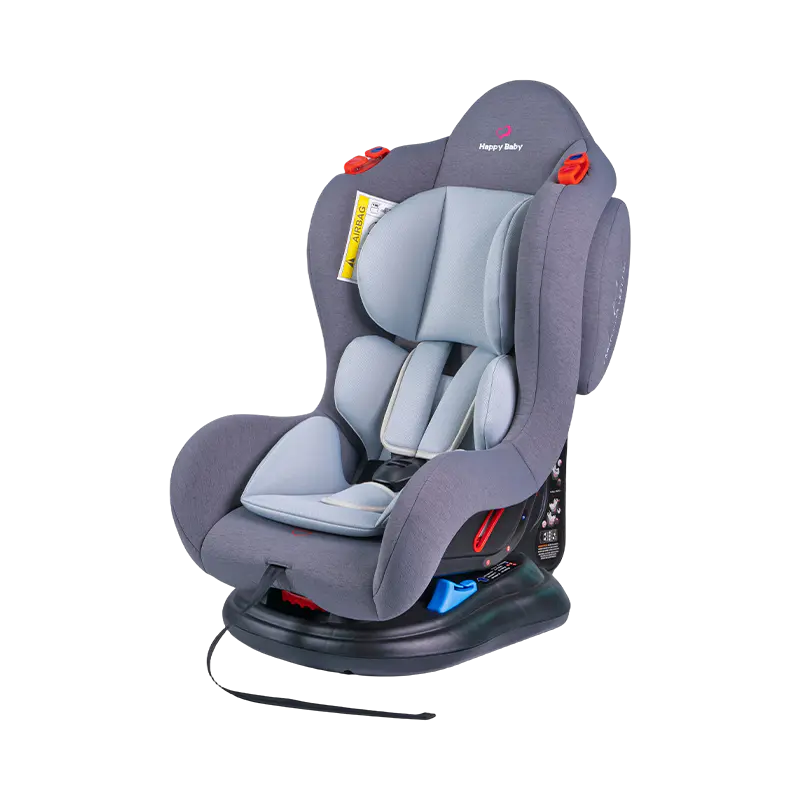
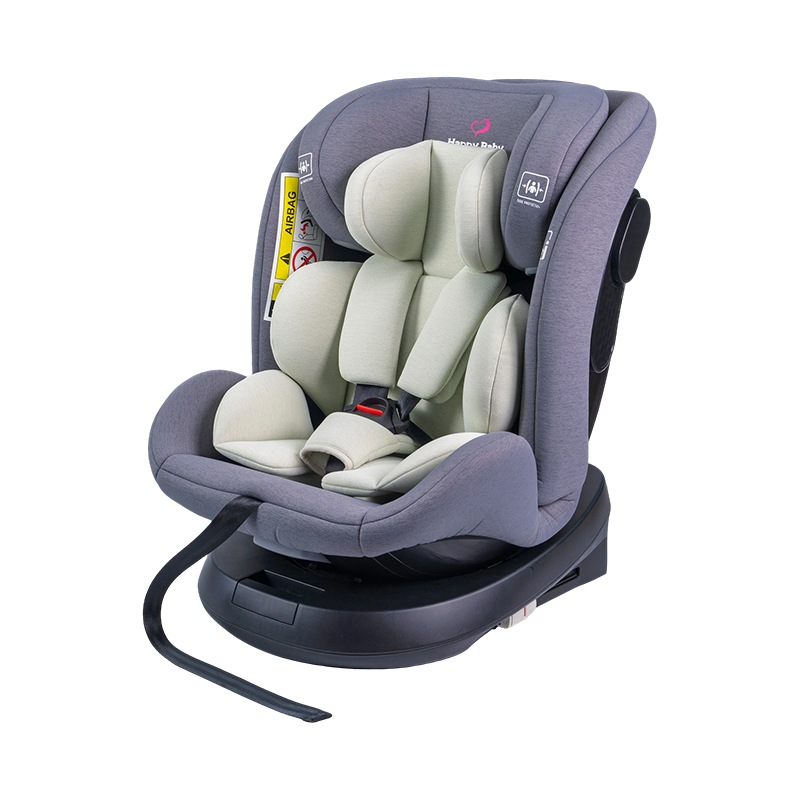
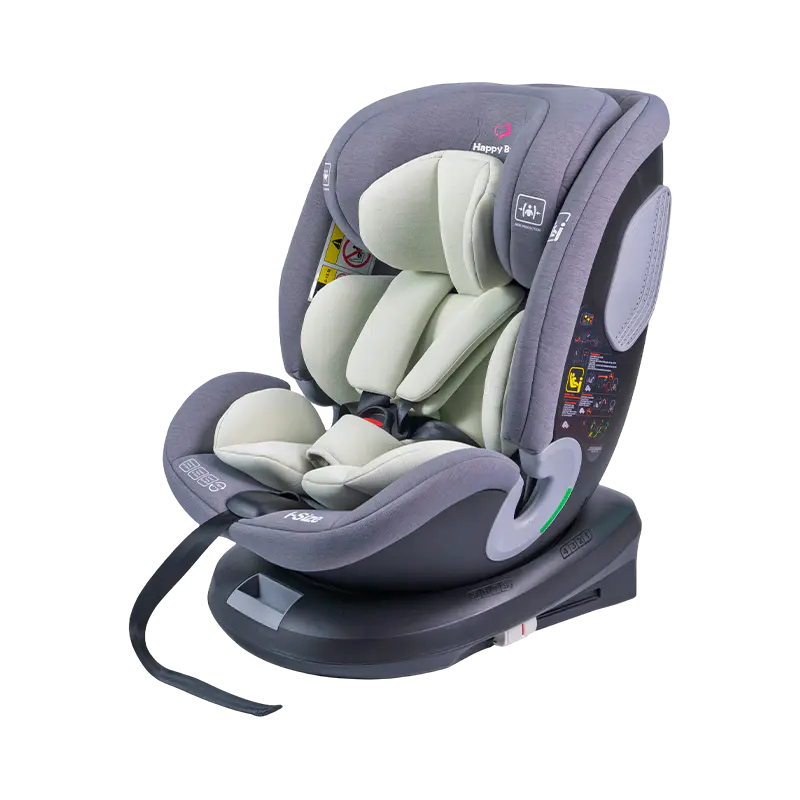
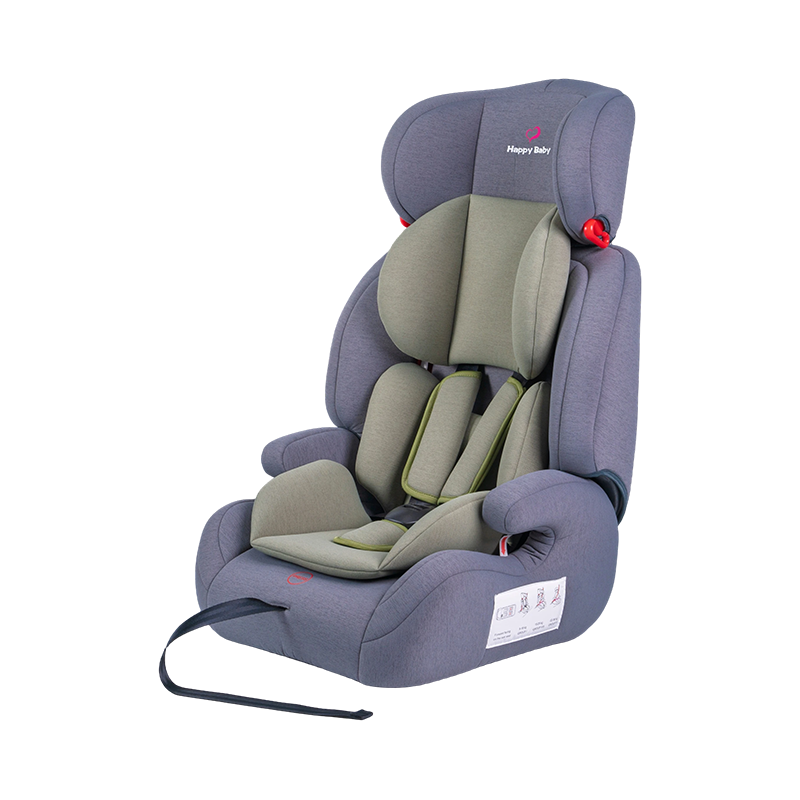
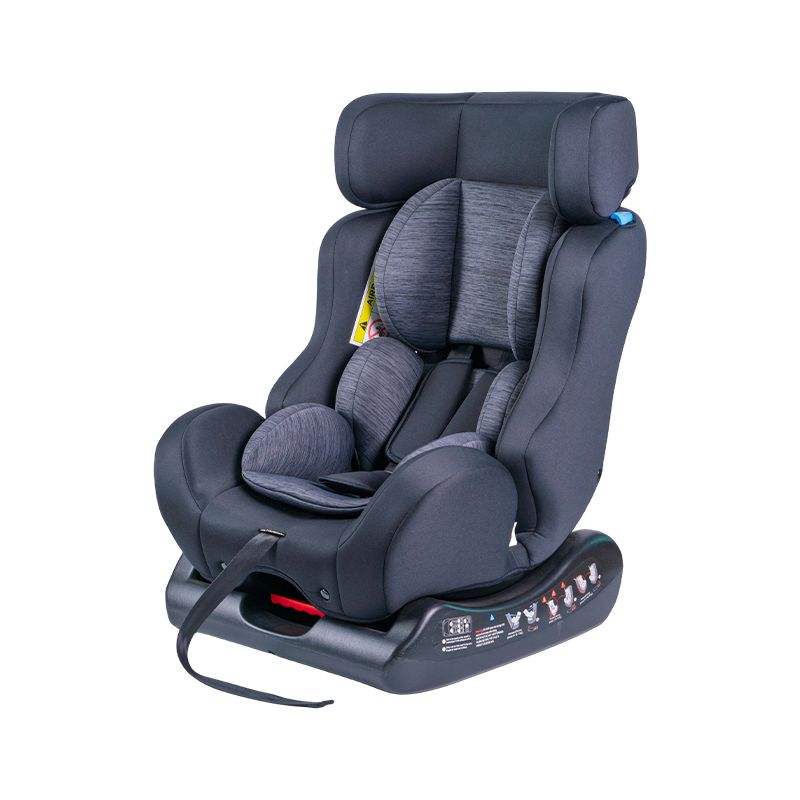
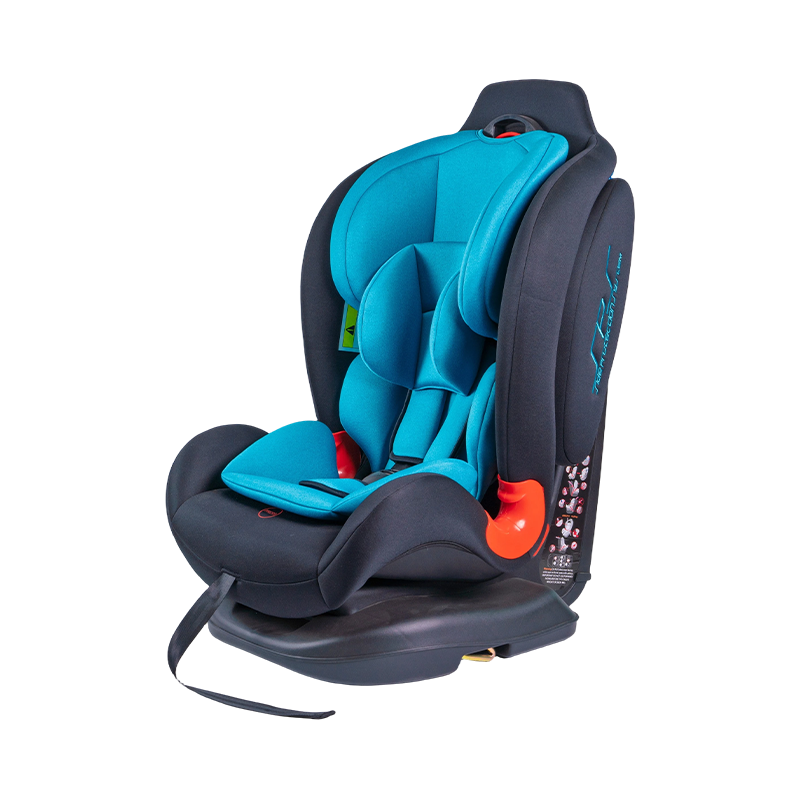

For the safety of babies' travel, we are committed to being a reliable partner for babies and families, and to becoming an expert in children's car safety seats. This is our eternal pursuit.
Contact Us
For exclusive deals and latest offers, sign up by entering your email address below.
CONTACT INFORMATION
-
Address: North of Sitong Road and west of Lianfu Port, Hongqiao Industrial Park, Taixing City, Jiangsu Province
-
Phone: +86 15996087029
-
E-mail: [email protected]
Copyright © JIANGSU HAPPY BABY SAFETY SEAT CO., LTD. All Rights Reserved.
Wholesale Child Travel Safety Seat Factory