
 English
 中文简体
中文简体 Home / News / Industry News / The Ultimate Guide to Belted Baby Car Seats: Is Your Child Truly Protected on Every Journey
Industry News
The Ultimate Guide to Belted Baby Car Seats: Is Your Child Truly Protected on Every Journey
2026-01-14
Content
- 1 What is a Belted Baby Car Seat and What are Its Unique Advantages?
- 2 How to Identify if a Car Seat Meets National and International Safety Standards?
- 3 Which Type of Belted Baby Car Seat Should You Choose?
- 3.1 The Infant Car Seat: Specialized Rear-Facing Protection for the First Year
- 3.2 The Convertible Car Seat: The Versatile Multi-Stage Solution
- 3.3 The All-in-One Car Seat: A One-Stop Safety Investment
- 3.4 The Booster Seat: Transitioning to the Vehicle's Safety Systems
- 3.5 Matching the Seat to the Child
- 4 How Can You Correctly and Securely Install a Belted Car Seat?
- 5 Key Features to Consider When Choosing a Belted Car Seat
What is a Belted Baby Car Seat and What are Its Unique Advantages?
The safety of our youngest passengers is a paramount concern for every parent and caregiver. When it comes to vehicle safety, the child car seat is the most critical piece of equipment you will ever use. Among the various types of restraint systems available today, the belted baby car seat remains a cornerstone of child passenger safety. While modern technology has introduced various attachment methods, understanding the fundamental role of the vehicle's own seat belt system in securing a child car seat is essential for any parent navigating the complex world of child safety.
Understanding the Definition and Core Mechanics: How Belted Seats Protect Your Child?
A belted baby car seat is a safety device designed to be secured into a vehicle using the adult lap-and-shoulder belt rather than the rigid ISOFIX or LATCH (Lower Anchors and Tethers for Children) connectors. The core mechanism of a belted baby car seat relies on the physics of friction and tension. When a child car seat is installed using a seat belt, the belt is threaded through a specific "belt path" designated by the manufacturer. Once the belt is buckled, the caregiver must tighten it to eliminate any slack, effectively cinching the seat into the vehicle's upholstery.
The protection principle is straightforward yet highly effective. In the event of a collision, the vehicle's seat belt which is engineered to withstand thousands of pounds of force acts as the primary anchor. Most modern belted baby car seat models feature integrated "lock-off" devices. These are clamps or tensioning systems built into the seat's frame that grip the seat belt tightly, preventing it from sliding or loosening during transit. This ensures that the car seat safety standards are met by maintaining a rigid connection between the child’s seat and the vehicle’s frame.
Whether you are using an infant car seat for a newborn or a convertible car seat for a growing toddler, the belted installation method utilizes the same heavy-duty webbing that protects adults. For many, this provides a sense of security, knowing that the most tested safety component in a car—the seat belt—is what is holding their child's life-saving device in place. Furthermore, car seat safety experts often point out that a correctly installed belted baby car seat is just as safe as one installed via ISOFIX, provided the installation is performed meticulously.
Why It Is the Preferred Choice for Older Vehicles and Multi-Car Families?
One of the most significant advantages of choosing a belted baby car seat is its unparalleled compatibility. While ISOFIX and LATCH systems became standard in most vehicles manufactured after the early 2000s, there are millions of cars on the road—including classic cars, older family vehicles, and international models—that lack these specialized anchors. A belted baby car seat bridges this gap, ensuring that car seat safety is accessible to everyone, regardless of what they drive.
For multi-car families, the flexibility offered by a belted baby car seat is a game-changer. Consider a scenario where a child needs to be transported in the parents' modern SUV in the morning, a grandparent’s older sedan in the afternoon, and perhaps a rental car or a taxi during a family vacation. In many of these situations, relying solely on LATCH/ISOFIX can be a gamble. However, almost every passenger vehicle in the world is equipped with seat belts. This makes the belted baby car seat the most versatile tool in a parent's arsenal.
Space-saving is a hidden benefit of the belted method. In smaller vehicles, ISOFIX anchors are often positioned in a way that forces the child car seat toward the center of the bench, or they may overlap with other seat belt buckles, making it impossible to fit three seats across. Because a belted baby car seat can often be positioned more flexibly along the seat cushion (depending on the vehicle's belt geometry), it is frequently the only viable option for families needing to install multiple seats, such as an infant car seat, a convertible car seat, and a booster seat all in one row.
Belted Installation vs. ISOFIX/LATCH – Which Is Right for You?
When parents begin researching car seat safety standards, the debate between belted and ISOFIX installations is inevitable. To make an informed choice, one must understand that neither system is inherently "safer" in a crash; rather, the difference lies in the "ease of use" and the specific constraints of your vehicle.
The Case for ISOFIX/LATCH: The primary goal of ISOFIX was to reduce the high rate of incorrect car seat installation. By using rigid connectors that "click" into place, it minimizes the human error associated with tightening a seat belt. It is fast, convenient, and often includes visual indicators (green/red) to confirm a secure connection. However, ISOFIX has weight limits. As a child grows, the combined weight of the child car seat and the child may exceed the strength of the lower anchors, at which point the car seat safety standards (such as those set by NHTSA car seats guidelines) mandate a switch to a seat belt installation anyway.
The Case for Belted Installation: The belted baby car seat does not have the same weight restrictions as ISOFIX anchors because vehicle seat belts are designed to restrain full-grown adults. This is particularly relevant for a heavy convertible car seat or an all-in-one car seat used for older children. Additionally, many high-end belted baby car seat models now feature "self-tensioning" or "click-tight" technologies that make seat belt installation nearly as easy and foolproof as ISOFIX.
Another factor to consider is the center seating position. Statistically, the center of the rear seat is the safest place for a child. However, many vehicles do not provide ISOFIX anchors for the center seat. In such cases, if you want your infant car seat or child car seat in the safest spot, a belted installation is your only choice.
Comparison: Belted vs. ISOFIX/LATCH
|
Feature |
Belted Installation |
ISOFIX / LATCH System |
|---|---|---|
|
Weight Limits |
High (utilizes adult seat belt strength) |
Limited (anchor strength has set limits) |
|
Installation Speed |
Moderate (requires manual tightening) |
High (quick "click-in" mechanism) |
|
Risk of Error |
Higher (requires careful belt routing) |
Lower (visual indicators for lock) |
|
Vehicle Position |
Versatile (includes center seat) |
Restricted (often outboard seats only) |
|
Compatibility |
Universal (all cars with belts) |
Dependent on vehicle anchor points |
The best child car seat is the one that fits your vehicle, fits your child, and that you can install correctly every single time. By understanding the robust nature of the belted baby car seat, parents can feel confident in a system that has been protecting lives for decades. Whether you are looking at an infant car seat for your first journey home from the hospital or a booster seat for a school-aged child, mastering the belted installation is a fundamental skill in ensuring long-term car seat safety.
The belted baby car seat remains an essential and highly effective choice in the modern market. It offers the versatility needed for diverse lifestyles, the strength required for growing children, and the compatibility necessary for a wide range of vehicles. As we move into the next sections of this guide, we will explore how to ensure these seats meet the highest car seat safety standards and how to master the car seat installation process to provide your child with the best possible protection on the road.
How to Identify if a Car Seat Meets National and International Safety Standards?
When choosing a belted baby car seat, parents often first notice factors like appearance, color, and price. However, what truly determines your child’s life safety is the engineering design hidden beneath the plastic shell and the car seat safety standards it has passed. A safety certification is not just a label; it is a seal of trust backed by hundreds of simulated crash tests. In this chapter, we will provide an in-depth interpretation of the world's mainstream safety certification systems and teach you how to verify the safety of a child car seat like an expert.
Deep Dive into Global Certification Systems: NHTSA, ECE R129, and 3C Certification
Understanding the car seat safety standards of different regions is the first step in ensuring you purchase a compliant product. Whether you are buying an infant car seat, a convertible car seat, or a booster seat, it must meet at least one of the following standards:
U.S. Standard: FMVSS 213 (NHTSA)
In the United States, all child car seats sold must comply with Federal Motor Vehicle Safety Standard No. 213 (FMVSS 213). The NHTSA car seats guidelines require all seats to maintain structural integrity during a 30-mph crash test and effectively limit head excursion. NHTSA (National Highway Traffic Safety Administration) is not only responsible for setting standards but also periodically performs spot checks on products in the market. For a belted baby car seat, the American standard emphasizes clear labeling of the seat belt path and the readability of the manual to reduce errors during car seat installation.
European Standards: ECE R44/04 and ECE R129 (i-Size)
European standards are considered among the strictest in the world. Currently, two standards coexist:
ECE R44/04: An older standard that classifies seats primarily based on the child's weight.
ECE R129 (i-Size): The latest "gold standard" which classifies seats by the child's height. The i-Size standard mandates that children under 15 months must use a rear-facing installation and adds requirements for side-impact testing. While i-Size was originally designed for ISOFIX, many high-performance belted baby car seat models are now designed using R129 safety parameters.
China Standard: GB 27887 (3C Certification)
Every child car seat sold in China must pass the China Compulsory Certificate (CCC). This standard was developed with reference to the European ECE R44 standard and has strict requirements for material flame retardancy, toxicity, and mechanical strength.
Verifying Safety Labels: Identifying the "Identity Plate" of Compliance
When you receive a belted baby car seat, the first thing you should do is look for its safety certification label. These labels are usually located on the base or side of the seat.
Color Codes: On European (ECE) labels, orange is the most common color. It will specify if the seat is "Universal" or "Semi-Universal." For a belted baby car seat, it usually says "Universal," meaning it can be installed in most vehicles using the car's seat belt.
Approval Number: There will be a string of numbers. For example, on an ECE label, if the number starts with "04," it indicates compliance with the R44/04 standard.
Manufacturing and Expiration Date: Car seats have an "expiration date." Because plastic parts gradually age and become brittle under high temperatures and UV exposure inside a car, most child car seat models have a lifespan of 6 to 10 years. Always check the manufacturing date on the label to ensure the seat is within its safe usage period.
By correctly verifying labels, you ensure that your car seat installation is built on a foundation of qualified hardware. For NHTSA car seats, you can also scan a QR code on the seat to jump directly to the official database for safety updates.
Risk Assessment for Second-hand Seats: The Invisible Threat
While buying a second-hand seat may seem economical, car seat safety experts view it as a high-risk activity. Below are the core reasons why you should avoid second-hand options when choosing a belted baby car seat:
Invisible Micro-cracks: Even a minor traffic collision can cause micro-cracks in the internal structure (such as the EPS energy-absorbing foam or the injection-molded frame) that are invisible to the naked eye. These damages are often hidden under the fabric cover and may look perfectly intact, but in the event of another accident, the compromised structure will fail to maintain its original compressive strength. It may even shatter upon impact, failing to provide any protection.
Wear and Missing Parts: Second-hand seats often lose critical accessories after multiple owners or long-term use. This can include essential components like the lock-off clip used for a secure car seat installation, shoulder strap anti-slip pads, or even the original printed manual. Without a manual, parents are highly likely to follow incorrect guidance, and missing parts directly reduce the seat's stability in extreme situations.
Technological Obsolescence: As car seat safety standards continuously advance, older seat models may no longer meet current protection requirements. For example, early booster seat models may completely lack Side Impact Protection (SIP) systems, and older infant car seat versions may use energy-absorbing materials that lag far behind today's ECE R129 standards. Choosing these obsolete products is akin to placing a child in a low-standard protection environment.
Natural Aging and Embrittlement: The interior of a car experiences drastic temperature changes and intense UV radiation year-round. The plastic shell of a second-hand seat undergoes photo-oxidative aging over time, causing the material to become brittle. Even if it has never experienced a crash, an old seat near the end of its lifespan is extremely fragile against the force of an impact.
If you must use a second-hand seat, ensure it meets the "Three Nos" principle: No expiration exceeded, No history of accidents (requires a known source), and No missing core components.
Certification is the First Firewall of Safety
Whether you are looking for a lightweight infant car seat for travel or a convertible car seat that can be used from birth to age 12, always prioritize certification standards. Products that comply with NHTSA car seats or ECE standards have proven their protective capabilities in extreme environments.
In the next part of this guide, we will explore the different types of belted baby car seat options and help you make the most scientific purchasing decision based on your child's growth stage.
Which Type of Belted Baby Car Seat Should You Choose?
Selecting the right child car seat is not a one-time event; it is a journey that evolves as your child grows. Because children’s bodies change rapidly in terms of height, weight, and bone development, car seat safety standards dictate specific designs for different life stages. When opting for a belted baby car seat, you must ensure the model you choose is developmentally appropriate. In this section, we will break down the four primary categories of seats and help you decide which configuration offers the best protection for your child's current stage.
The Infant Car Seat: Specialized Rear-Facing Protection for the First Year
The infant car seat is specifically designed for newborns and small babies, typically used from birth until the child reaches approximately 22 to 35 pounds (depending on the model). These seats are exclusively rear-facing, which is the gold standard for car seat safety. In a collision, the rear-facing position allows the back of the child car seat to cradle the baby’s head, neck, and spine, distributing the force of the impact across the seat's shell rather than the child's fragile body.
A belted baby car seat in this category often comes with a stay-in-car base. You install the base using the vehicle's seat belt, and the carrier clicks in and out, allowing you to transport a sleeping baby without waking them. For parents who travel frequently, many infant car seat models can also be installed "European style" without the base, using just the vehicle's shoulder belt routed around the back of the carrier. This versatility is a key reason why NHTSA car seats guidelines recommend them for infants.
The Convertible Car Seat: The Versatile Multi-Stage Solution
As your child outgrows their carrier, the convertible car seat becomes the next logical step. These seats are called "convertible" because they can be installed in a rear-facing position for toddlers and then "converted" to a forward-facing position once the child meets the height or weight requirements.
From a car seat safety perspective, the longer a child can stay rear-facing, the better. Many modern convertible car seat models allow for rear-facing up to 40 or 50 pounds. When installing a belted baby car seat of this type, you must pay close attention to the dual belt paths—one for rear-facing and a separate one for forward-facing. Using the wrong path is one of the most common errors in car seat installation. These seats are heavier and more permanent than infant carriers, but they offer robust side-impact protection and adjustable headrests that grow with your child.
The All-in-One Car Seat: A One-Stop Safety Investment
For families looking for a singular solution, the all-in-one car seat (or "3-in-1") is designed to be the only seat you will ever need. It starts as a rear-facing seat, converts to a forward-facing seat with a harness, and eventually becomes a high-back booster seat.
While these seats offer incredible value, they are often quite bulky. If you are choosing a belted baby car seat in an all-in-one configuration, ensure your vehicle’s rear seat is wide enough to accommodate its larger footprint. These models must adhere to rigorous car seat safety standards across all three modes of use. Because they are meant to last for 10 years, it is extra important to follow the cleaning and maintenance instructions to ensure the mechanical parts and the seat belt lock-offs remain functional over a decade of use.
The Booster Seat: Transitioning to the Vehicle's Safety Systems
The final stage of child passenger safety is the booster seat. Once a child outgrows the internal harness of their convertible car seat, they are still too small for the vehicle's seat belt to fit them properly. A booster seat works by "boosting" the child up so that the lap belt sits low across the strong pelvic bones and the shoulder belt crosses the center of the chest and shoulder, rather than the neck or face.
There are two main types:
High-Back Booster: This version provides a complete shell with specialized wings that offer extra head, neck, and side-impact protection. It is especially essential for vehicles that have low seat backs or lack built-in headrests, as it prevents whiplash during a collision. High-back models often feature integrated belt-positioning guides to ensure the belted baby car seat logic is flawlessly applied, keeping the adult shoulder belt away from the child's neck and across the collarbone.
Backless Booster: These are highly portable, lightweight, and ideal for older children who have outgrown the high-back version but still do not meet the height requirements for the vehicle's seat belt. While they lack the torso and head support of the high-back variety, they are excellent for carpooling and travel. They provide just enough lift to ensure the lap belt is correctly positioned over the thighs and the shoulder belt sits squarely on the shoulder, ensuring the child remains safe until they reach the 4-foot-9-inch milestone.
According to NHTSA car seats recommendations, children should stay in a booster seat until the vehicle's seat belt fits them correctly without help, which usually happens when they reach 4 feet 9 inches in height.
Matching the Seat to the Child
Choosing between an infant car seat, a convertible car seat, or an all-in-one depends on your lifestyle and budget. However, the priority remains the same: the seat must fit your child's current measurements and be installed according to the strictest car seat installation protocols.
In the next part of this guide, we will provide a step-by-step masterclass on how to perform a secure car seat installation using the vehicle’s seat belt to ensure maximum stability and safety.
How Can You Correctly and Securely Install a Belted Car Seat?
Even the highest-rated child car seat on the market cannot perform its life-saving function if it is not installed correctly. Research consistently shows that a staggering percentage of car seats—some estimates say over 75%—are installed with at least one significant error. When dealing with a belted baby car seat, the margin for error is small because the stability of the seat depends entirely on the tension and locking mechanism of the vehicle's seat belt. In this section, we provide a definitive, step-by-step guide to mastering car seat installation using a seat belt, ensuring your child is protected by the highest car seat safety standards.
Preparation: The Foundation of a Safe Installation
Before you even bring the child car seat into the vehicle, you must perform two essential tasks: read the car seat manual and read your vehicle’s owner’s manual. Every belted baby car seat has unique belt paths and locking features, and every vehicle has different seat belt retractor systems.
Identify where the seat belt is located and whether it is a lap-and-shoulder belt or a lap-only belt. For an infant car seat, decide if you are installing the base or the carrier alone. For a convertible car seat, you must identify whether the child is at the stage for a rear-facing or forward-facing installation, as these require different belt paths. Once you have a clear understanding of the hardware, you are ready to begin.
The Step-by-Step Guide to Installation
Step 1: Positioning the Seat
Place the child car seat on the vehicle seat. Ensure it is sitting flat against the seat cushion. If you are installing an infant car seat or a rear-facing convertible car seat, check the recline angle. Most seats have a built-in level indicator (like a bubble or a line) to ensure the baby's airway remains open. A seat that is too upright can cause an infant's head to flop forward, which is a major car seat safety risk.
Step 2: Threading the Seat Belt
Locate the correct belt path. On most seats, the rear-facing path is marked in blue, and the forward-facing path is marked in red. Pull the vehicle seat belt out and thread it through the designated openings in the child car seat frame. It is vital that the belt goes under the seat cover or through the specific plastic guides provided by the manufacturer. Ensure the belt is laying flat and is not twisted, as a twist can reduce the belt's strength and cause it to fail during a crash.
Step 3: Buckling and Locking the Belt
Buckle the seat belt into the crotch buckle. Now comes the most critical part of a belted baby car seat installation: locking the retractor. Most modern vehicles (post-1996) have an Automatic Locking Retractor (ALR) mode. To activate this, pull the shoulder belt all the way out until it stops. Then, let it slowly retract back into the wall. You should hear a "clicking" sound. This indicates the belt is now in locking mode and will not pull out again, which is essential for a secure car seat installation. If your car does not have this feature, you must use the "lock-off" clip provided with your child car seat.
Step 4: Removing the Slack
To get the seat tight, apply firm pressure. For a convertible car seat, it often helps to put your knee into the seat to compress the vehicle's upholstery. While pushing down, pull the shoulder portion of the seat belt upward toward the retractor as hard as you can. This cinches the lap portion of the belt tightly across the child car seat base.
The "One-Inch Rule": Testing for Stability
How do you know if your car seat installation is successful? We use the "One-Inch Rule." Grab the child car seat at the belt path (where the seat belt goes through the seat) and give it a firm shake from side to side and front to back.
The seat should not move more than one inch in any direction. If it moves more than an inch, the belt is not tight enough, or the retractor is not locked. It is a common mistake to test for movement at the top of the seat; however, car seat safety standards focus on the stability at the base where the belt is anchored. For a belted baby car seat, achieving this level of tightness is the difference between a seat that stays put during an impact and one that becomes a projectile.
Common Mistakes and How to Avoid Them
The Twisted Belt Trap
A twisted seat belt is more than just an aesthetic issue. In a high-speed collision, a twist concentrates the force on a smaller area of the belt, which could lead to the belt snapping or the child car seat rotating out of position. Always run your hand along the belt during installation to ensure it is perfectly flat.
Forgetting the Top Tether
When moving a child into a forward-facing convertible car seat, many parents forget the top tether. Even if you are using a belted installation, the top tether is a mandatory component of car seat safety standards. It connects the top of the car seat to an anchor point on the vehicle's rear shelf or floor, preventing the seat from tipping forward in a crash. Using the tether can reduce head excursion by several inches, potentially saving the child from a traumatic brain injury.
Incorrect Harness Height
While not strictly an installation of the seat itself, the harness is part of the system. For an infant car seat (rear-facing), the straps should be at or below the child's shoulders. For a forward-facing seat, they should be at or above the shoulders.
ALR vs. ELR: Understanding Your Vehicle's Hardware
To ensure a safe belted baby car seat setup, you must understand your vehicle's retractor type.
ALR (Automatic Locking Retractor): As mentioned, these lock when pulled all the way out. You can identify an ALR by pulling the shoulder belt out slowly to its full length; when you hear a steady clicking sound as the belt retracts, you know it is locked. They are essentially the "best friend" of a belted baby car seat because they hold the seat belt at a fixed length, providing constant tension that keeps the seat immobile during every mile of your journey.
ELR (Emergency Locking Retractor): These are designed for adult comfort and only lock during a sudden stop, sharp turn, or actual crash impact. Under normal driving conditions, an ELR allows the belt to move freely. If your car only has ELR belts and your child car seat does not feature a built-in mechanical lock-off device, you must use a brass "locking clip" (a H-shaped metal piece) to manually lock the lap and shoulder belts together. This clip should be installed about one inch above the buckle. Failure to do this means the seat will remain loose and wobbly until the very moment of impact, which represents a catastrophic failure of car seat safety and places the child at extreme risk.
Practice Makes Perfect
Installing a belted baby car seat is a skill that requires practice. Before your baby’s first ride, practice the installation several times until you can achieve a rock-solid fit without hesitation. If you are ever in doubt, consult a certified Child Passenger Safety Technician (CPST). By following these rigorous car seat installation protocols, you are giving your child the best possible protection, meeting and exceeding NHTSA car seats recommendations.
Key Features to Consider When Choosing a Belted Car Seat
Selecting the ideal child car seat is not just about the brand or the price tag; it is a comprehensive balance of safety, convenience, and long-term value. For a belted baby car seat, which relies heavily on the vehicle's integrated seat belt for stability, certain technical details require extra attention during the selection process.
This section provides an in-depth look at the key performance indicators to help you find the best option among the numerous NHTSA car seats recommendations.
Safety Ratings and Crash Performance
The baseline requirement for any car seat is compliance with national or regional car seat safety standards (such as China's 3C, Europe's R129, or the U.S. FMVSS 213). However, premium products often participate in more rigorous third-party independent testing.
Beyond-Standard Testing: Look for ratings from organizations like Germany's ADAC, Austria's ÖAMTC, or the U.S.-based Consumer Reports. These agencies typically test at speeds exceeding legal requirements and simulate harsh side-impact and rollover scenarios. Seats receiving "Gut" (Good) or "Sehr Gut" (Very Good) ratings from these bodies offer a higher margin of safety in extreme accidents.
Energy-Absorbing Materials: High-performance seats utilize EPS (Expanded Polystyrene) or EPP (Expanded Polypropylene) foam in the internal frame and side wings. These are "sacrificial" materials that absorb and dissipate massive amounts of kinetic energy through structural deformation during an impact, minimizing the force exerted on the child's fragile spine and internal organs.
Ease of Installation: Usability is Safety
Statistics indicate that the majority of child car seat failures in accidents result from improper car seat installation rather than the seat's quality. Therefore, "ease of use" is itself a core safety metric.
Built-in Lock-off Devices: Prioritize models equipped with integrated mechanical lock-offs. This device acts like an "extra hand," physically gripping the vehicle seat belt to prevent it from loosening during travel. This is crucial for older vehicles without ALR (Automatic Locking Retractor) modes or for seat belts with slippery webbing.
Visual Guidance Systems: Quality seats feature clear color-coded belt paths (typically blue for rear-facing and red for forward-facing) and built-in levels (such as bubble indicators). These tools ensure the seat is installed at the correct recline angle, preventing a newborn's head from flopping forward and obstructing their airway while optimizing crash protection.
Comparison Matrix of Key Features by Seat Type
To assist in your decision-making, the following table summarizes the focus areas for different types of child car seats:
|
Key Feature |
Infant Car Seat |
Convertible Car Seat |
Booster Seat |
|---|---|---|---|
|
Stage |
Newborn to ~1 year |
Birth to ~6+ years |
4 to 12 years |
|
Core Advantage |
Portability / Undisturbed sleep |
Long-term rear-facing support |
Corrects adult belt path |
|
Install Difficulty |
Low (usually via base) |
High (switches belt paths) |
Minimal (belt guides) |
|
Selection Focus |
Carrier weight / Ergonomics |
Side-impact wing depth |
Backrest height / Belt positioning |
|
Safety Emphasis |
Head/Neck encapsulation |
5-point harness stability |
Precision of lap/shoulder fit |
Comfort and Ergonomics
If a child is uncomfortable, they may cry or attempt to wriggle out of the harness, creating a dangerous distraction for the driver.
Newborn Inserts: For an infant car seat, check for specialized torso and head support inserts. These fill the gaps around a small baby's body, providing a secure, "snug" feeling and preventing dangerous head wobbling during turns or bumps.
Fabric Breathability: Premium seats use flame-retardant yet highly breathable "Cool-Flow" or 3D mesh fabrics. This facilitates air circulation, preventing heat rashes or irritability caused by back sweat during summer trips, ensuring the child remains calm and settled.
Multi-position Recline: The ability to adjust the recline angle is vital. It allows for a smooth transition between awake and sleep modes and helps the seat fit more snugly against various vehicle seat contours, eliminating gaps that could compromise stability.
Dimensions, Maintenance, and Lifespan
Footprint and Lateral Layout: If you need to install multiple seats side-by-side or maintain space for an adult passenger, check the external width. Some "Slim-fit" models are designed at approximately 17 inches wide, optimizing the exterior profile without sacrificing internal protection—ideal for large families or compact cars.
Maintenance and Hygiene: Spills and messes are inevitable. Ensure the fabric cover is "Quick-remove," meaning it can be taken off without dismantling the complex internal harness. Verify that the material is machine-washable and durable enough to withstand repeated cleaning.
Expiration and Material Longevity: All child car seat models have a defined lifespan (usually 6-10 years). Over time, the plastic and foam degrade due to UV exposure and temperature fluctuations. Always check the manufacturing or "Do Not Use After" date on the label to ensure the seat is still within its optimal performance window.
References and Technical Literature
ASM International,Metals Handbook, Volume 2: Properties and Selection: Nonferrous Alloys and Special-Purpose Materials, Tenth Edition.
National Association of Corrosion Engineers (NACE),Corrosion Data Survey: Metals Section, Sixth Edition.
The Minerals, Metals & Materials Society (TMS),Journal of Materials Engineering and Performance: Analysis of Galling in Ferrous vs. Non-Ferrous Threaded Joints.
Copper Development Association (CDA),Technical Report: Corrosion Resistance of Copper and Copper Alloys in Industrial Water Systems.
ASM International,Metals Handbook, Volume 2: Properties and Selection: Nonferrous Alloys and Special-Purpose Materials, Tenth Edition.
National Association of Corrosion Engineers (NACE),Corrosion Data Survey: Metals Section, Sixth Edition.
The Minerals, Metals & Materials Society (TMS),Journal of Materials Engineering and Performance: Analysis of Galling in Ferrous vs. Non-Ferrous Threaded Joints.
Copper Development Association (CDA),Technical Report: Corrosion Resistance of Copper and Copper Alloys in Industrial Water Systems.
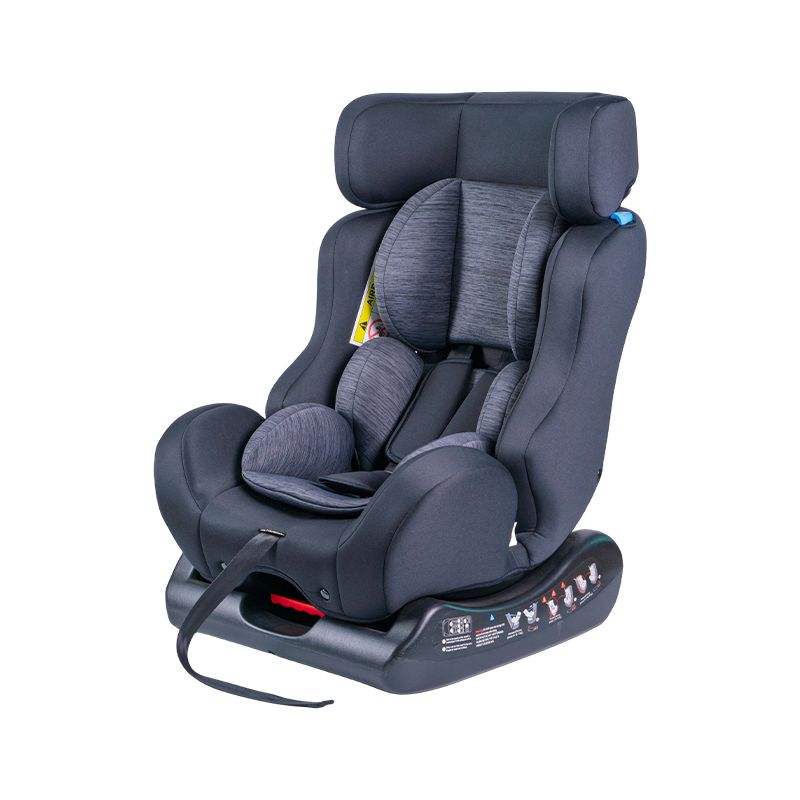
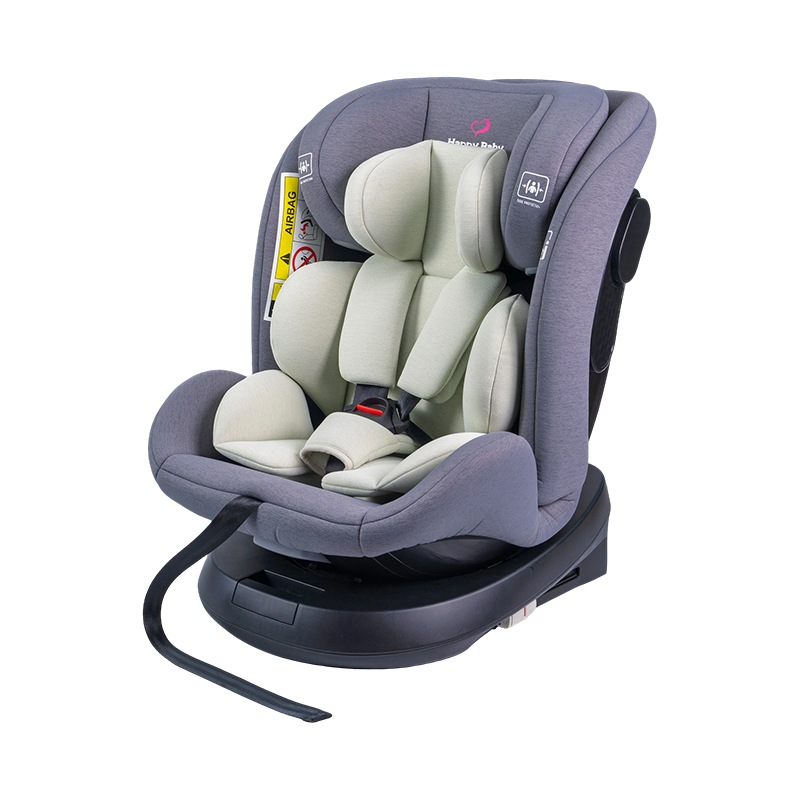
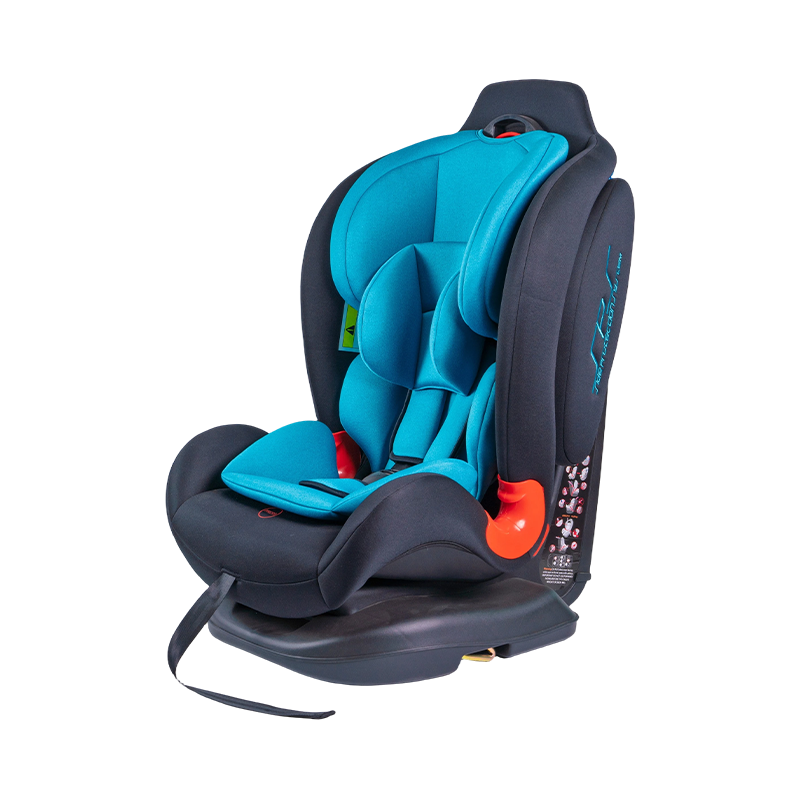
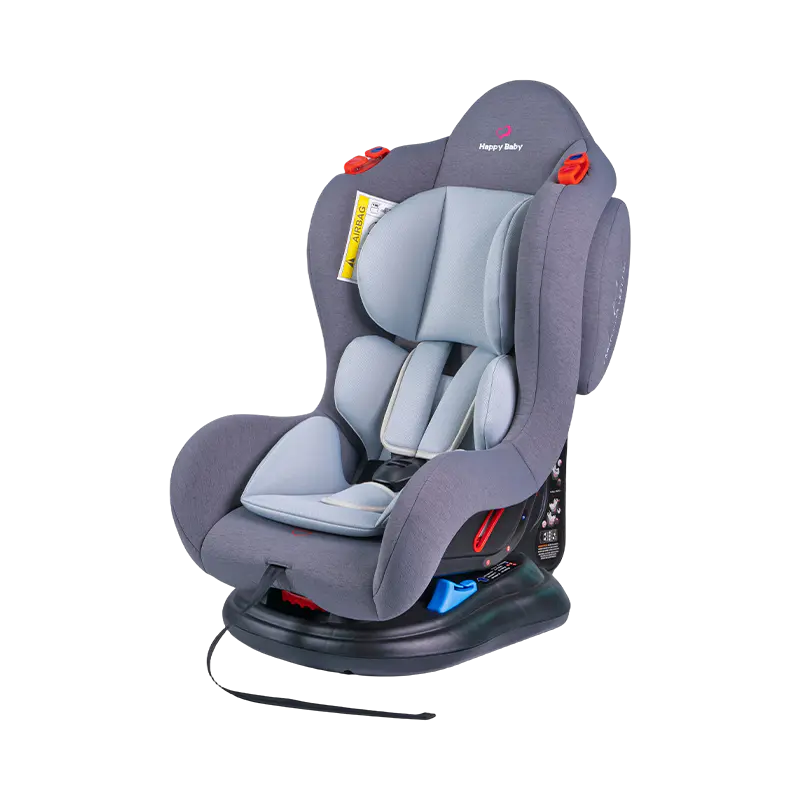
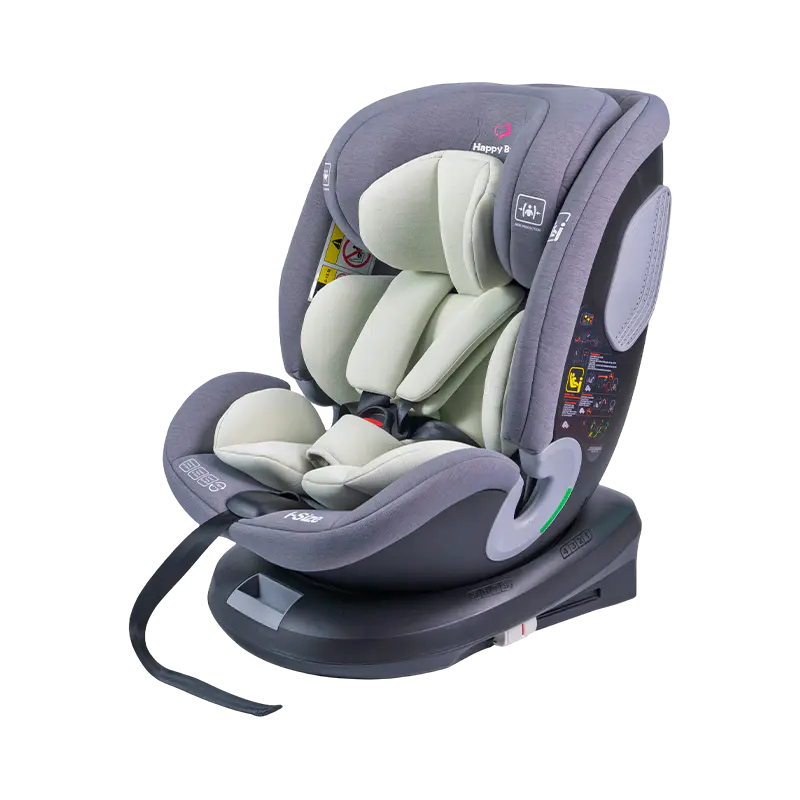
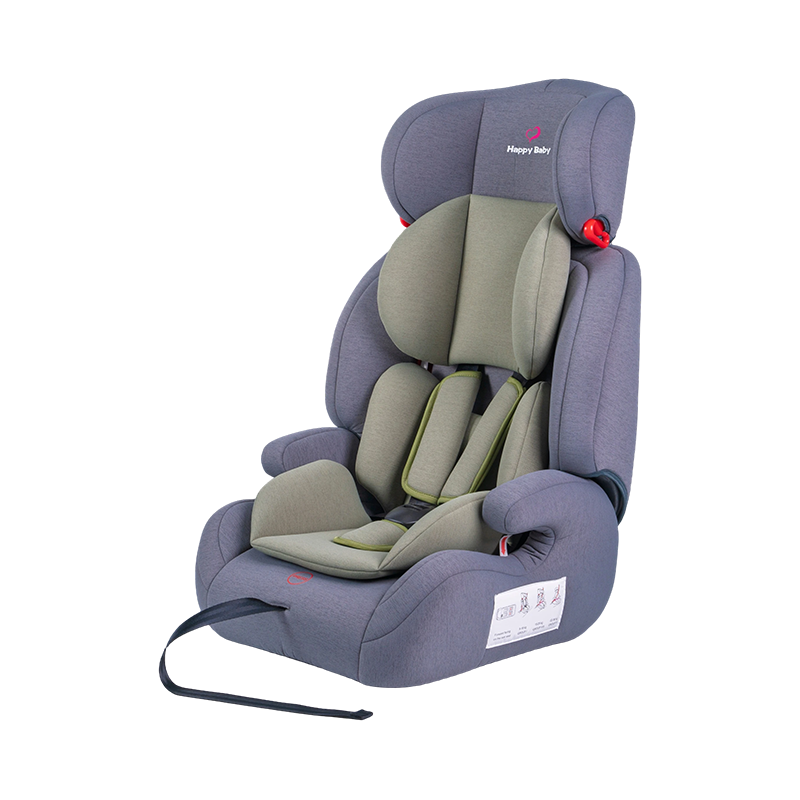

For the safety of babies' travel, we are committed to being a reliable partner for babies and families, and to becoming an expert in children's car safety seats. This is our eternal pursuit.
Contact Us
For exclusive deals and latest offers, sign up by entering your email address below.
CONTACT INFORMATION
-
Address: North of Sitong Road and west of Lianfu Port, Hongqiao Industrial Park, Taixing City, Jiangsu Province
-
Phone: +86 15996087029
-
E-mail: [email protected]
Copyright © JIANGSU HAPPY BABY SAFETY SEAT CO., LTD. All Rights Reserved.
Wholesale Child Travel Safety Seat Factory