
 English
 中文简体
中文简体

Industry News
Choosing the Right Baby Car Seat: A Comprehensive Guide
2026-01-14
Content
- 1 Introduction
- 2 Understanding Car Seat Types
- 3 Key Safety Features to Look For
- 3.1 Side-Impact Protection
- 3.2 Five-Point Harness System
- 3.3 Adjustable Headrest and Harness Height
- 3.4 Energy-Absorbing Foam
- 3.5 Steel-Reinforced Frame
- 3.6 Recline Positions and Angle Indicators
- 3.7 LATCH Compatibility and Installation-Friendly Design
- 3.8 Clear Labels and Safety Indicators
- 3.9 Why Safety Features Matter More Than Brand Names
- 4 Installation and Proper Use
- 4.1 LATCH System vs. Seat Belt Installation
- 4.2 Importance of Tight and Secure Installation
- 4.3 Rear-Facing vs. Forward-Facing Positioning
- 4.4 Correct Harness Use and Adjustment
- 4.5 Proper Recline Angle and Seat Positioning
- 4.6 Common Car Seat Mistakes to Avoid
- 4.7 Importance of Following Manufacturer Instructions
- 4.8 Building Safe Habits for Everyday Travel
- 5 Tips for Choosing the Right Car Seat
- 5.1 Consider Your Child’s Age, Weight, and Height
- 5.2 Prioritize Extended Rear-Facing Capability
- 5.3 Check Vehicle Compatibility and Fit
- 5.4 Evaluate Ease of Installation and Daily Use
- 5.5 Review Safety Ratings and Test Results
- 5.6 Understand Safety Standards and Certification
- 5.7 Balance Budget and Long-Term Value
- 5.8 Consider Lifestyle and Practical Needs
- 5.9 Pay Attention to Expiration Dates
- 5.10 Read Reviews but Trust Proper Fit
- 5.11 Making a Confident and Informed Choice
- 6 Car Seat Safety Standards and Regulations
- 6.1 FMVSS 213: Federal Motor Vehicle Safety Standard
- 6.2 Role of the National Highway Traffic Safety Administration (NHTSA)
- 6.3 American Academy of Pediatrics (AAP) Recommendations
- 6.4 State Laws vs. Best Practice Guidelines
- 6.5 Car Seat Expiration Dates
- 6.6 Recalls and Safety Defects
- 6.7 Crash Testing Beyond Minimum Standards
- 6.8 International Safety Standards (Brief Overview)
- 6.9 Why Compliance Alone Is Not Enough
- 6.10 Making Safety Standards Work for Your Family
- 7 References / Sources
Introduction
Choosing the right baby car seat is one of the most important decisions parents and caregivers make to protect their child. Car accidents remain a leading cause of injury among young children, and using a properly selected and correctly installed child car seat can significantly reduce the risk of serious harm. Prioritizing car seat safety from your child’s very first ride home from the hospital lays the foundation for safer travel throughout childhood.
Today’s market offers a wide range of car seat options, each designed to meet specific age, weight, and height requirements. Understanding these options helps parents make informed decisions that balance safety, comfort, and convenience. The main car seat types include infant car seats, convertible car seats, all-in-one car seats, and booster seats—each serving a unique purpose as your child grows.
Understanding Car Seat Types
Choosing the right baby car seat starts with understanding the different car seat types available and how each one supports your child’s safety at various growth stages. Not all car seats serve the same purpose, and selecting the appropriate type based on your child’s age, weight, height, and developmental needs is essential for optimal car seat safety.
Infant Car Seats
Infant car seats are specifically designed for newborns and young babies, typically from birth up to 12–18 months, depending on the manufacturer’s height and weight limits. These seats are rear-facing only, which is the safest position for infants because it provides critical support to the head, neck, and spine during a collision.
One of the biggest advantages of an infant car seat is portability. Most models come with a carrying handle, allowing parents to move a sleeping baby from the car without disturbance. The seat clicks into a base that remains installed in the vehicle, making daily use quick and convenient. Many infant seats are also compatible with strollers, creating a travel system that simplifies errands and outings.
From a safety perspective, infant car seats are engineered to cradle smaller bodies securely. They often include removable infant inserts, energy-absorbing foam, and a five-point harness designed to fit tiny passengers properly. However, because babies grow quickly, infant car seats have a shorter usage window compared to other car seat types. Once a child exceeds the seat’s height or weight limit, parents must transition to a convertible or all-in-one seat.
Infant car seats are ideal for parents who value convenience, portability, and a tailored fit for newborns, but they are not intended as a long-term solution.
Convertible Car Seats
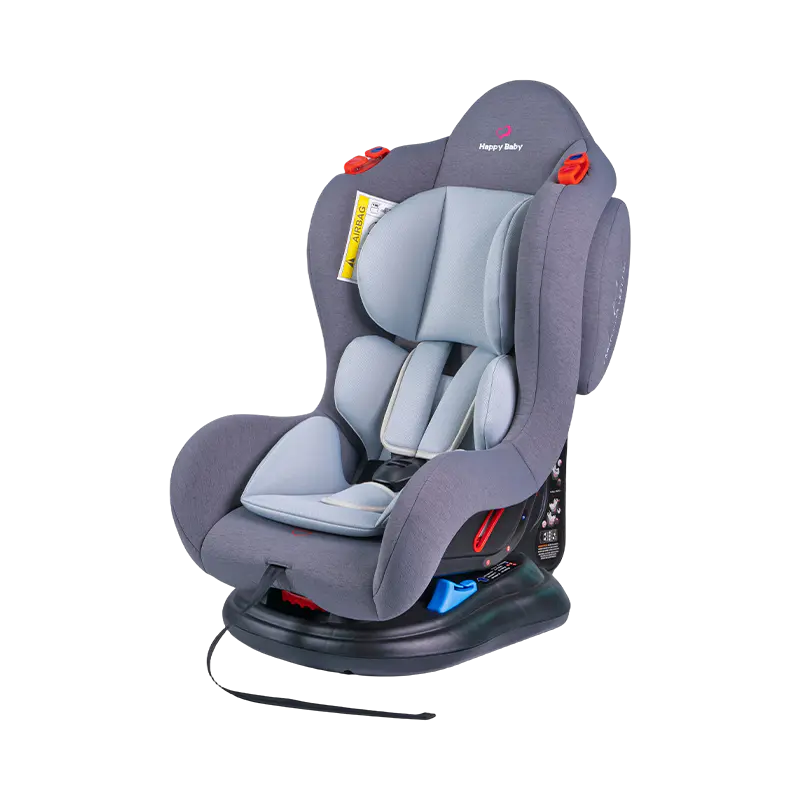
Convertible car seats are designed to “convert” as your child grows, making them a popular choice for families looking for longevity and value. These seats can be used rear-facing for infants and toddlers, then switched to forward-facing once the child meets the recommended age, height, and weight requirements.
One of the key benefits of a convertible car seat is its extended rear-facing capability. Many models allow children to remain rear-facing up to 40–50 pounds, aligning with safety recommendations from the American Academy of Pediatrics (AAP), which advises keeping children rear-facing for as long as possible.
Unlike infant seats, convertible car seats are not portable and do not detach from a base. They remain installed in the vehicle at all times, which can make them less convenient for frequent transfers between cars. However, they compensate for this by offering a longer lifespan, often accommodating children from infancy through preschool years.
Convertible car seats typically feature adjustable headrests, multiple recline positions, side-impact protection, and reinforced frames. While they may have a higher upfront cost than infant seats, they often eliminate the need to purchase multiple car seats in a short period, making them a cost-effective option in the long run.
All-in-One Car Seats
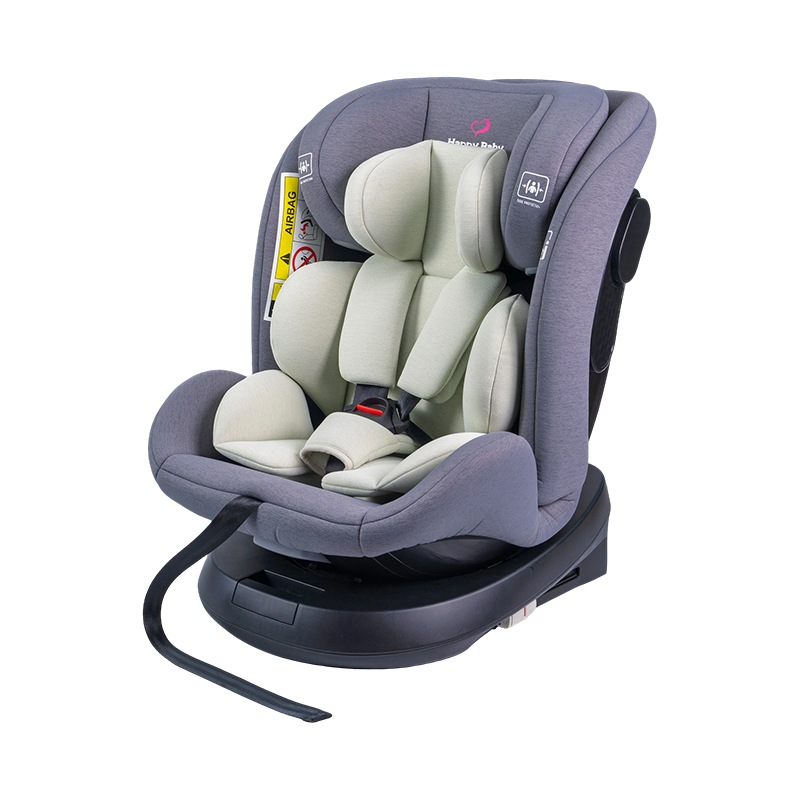
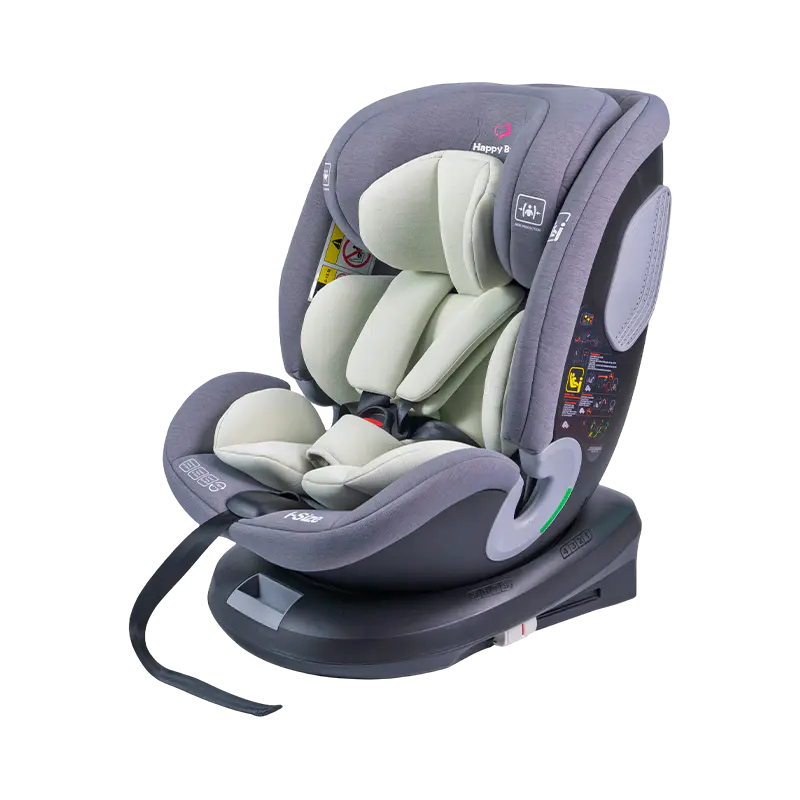
All-in-one car seats, sometimes called 3-in-1 or 4-in-1 car seats, are designed to grow with your child from infancy all the way through the booster stage. These versatile seats can be used as a rear-facing car seat, a forward-facing car seat, and later as a booster seat, accommodating children from birth up to 100–120 pounds, depending on the model.
The primary advantage of an all-in-one car seat is its long-term value. Instead of purchasing multiple seats as your child grows, one seat can meet your needs for many years. This makes all-in-one seats appealing to budget-conscious families who want a single, comprehensive solution.
However, versatility comes with trade-offs. All-in-one car seats tend to be bulkier and heavier than other options, which may make installation more challenging—especially in smaller vehicles. Because they are designed to fit such a wide range of sizes, achieving a perfect fit for a newborn may require careful adjustment and the use of infant inserts.
When properly installed and adjusted, all-in-one car seats offer excellent safety features, including steel-reinforced frames, advanced side-impact protection, and easy-to-use harness systems. They are best suited for families who prefer a one-time investment and plan to use the same seat across multiple stages of childhood.
Booster Seats
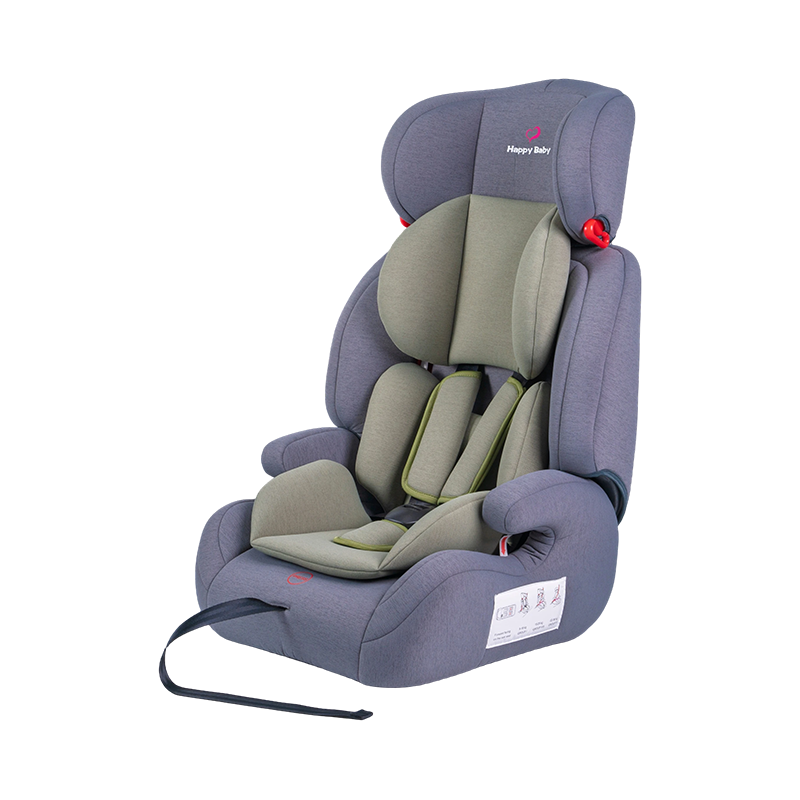
Booster seats are intended for older children who have outgrown their forward-facing car seats but are not yet tall enough to use a vehicle’s seat belt safely on its own. The purpose of a booster seat is to position the seat belt correctly across the child’s body—lying flat across the chest and shoulder, not the neck, and low across the hips, not the stomach.
There are two main types of booster seats: high-back boosters and backless boosters. High-back booster seats provide additional head, neck, and side support, making them a good option for vehicles without headrests or for children who still need extra stability. Backless boosters are more compact and portable, suitable for older children and cars with adequate headrests.
While booster seats do not use a five-point harness, they play a crucial role in child car seat safety by ensuring proper seat belt fit. Many booster seats include features such as belt guides, padded armrests, and cup holders to improve comfort and usability.
Children typically use booster seats until they reach a height of about 4 feet 9 inches and can sit properly with the seat belt fitting correctly without assistance. Transitioning too early from a booster seat to a seat belt alone can significantly increase the risk of injury in a crash.
Choosing the Right Car Seat Type for Your Child
Understanding these car seat types helps parents make informed decisions at every stage of their child’s development. The safest choice is not just about age, but also about height, weight, vehicle compatibility, and correct usage. Whether you start with an infant car seat, invest in a convertible model, or opt for an all-in-one solution, the goal remains the same: providing the highest level of protection for your child on every journey.
Key Safety Features to Look For
When selecting a baby car seat, safety features should be your top priority. While all car seats sold in the United States must comply with federal safety standards, the level of protection, ease of use, and advanced safety technology can vary significantly between models. Understanding which features truly matter will help parents choose a child car seat that offers reliable protection and long-term peace of mind.
Side-Impact Protection
Side-impact collisions are particularly dangerous because they offer less space between the vehicle door and the child. For this reason, side-impact protection is a critical feature in modern baby car seats. This protection is designed to absorb and distribute crash forces away from a child’s head, neck, and upper body during a side collision.
Many high-quality car seats use deep side walls, reinforced shells, and energy-absorbing foam to create a protective barrier. Some premium models include additional side-impact pods or multi-layer protection systems that provide extra cushioning around the headrest. Although side-impact testing is not yet fully standardized across manufacturers, choosing a car seat that clearly emphasizes side-impact protection can significantly enhance overall car seat safety.
Five-Point Harness System
A five-point harness is one of the most essential safety components in rear-facing and forward-facing car seats. This system secures the child at five points: two shoulders, two hips, and one point between the legs. By distributing crash forces across the strongest parts of a child’s body, a five-point harness helps reduce injury risk during sudden stops or collisions.
Compared to standard seat belts, a five-point harness limits forward movement and prevents ejection in an accident. It also keeps the child properly positioned within the car seat’s protective shell. When choosing a car seat, look for a harness system that adjusts smoothly and tightens evenly, as correct harness fit is crucial for real-world safety performance.
Adjustable Headrest and Harness Height
Children grow quickly, and a car seat that adapts to that growth helps maintain proper protection over time. An adjustable headrest allows the seat to provide correct head and neck support as your child gets taller. Many modern car seats feature no-rethread harness systems, meaning the harness height adjusts automatically when you raise or lower the headrest.
This feature improves both safety and convenience. Incorrect harness height is one of the most common car seat misuse issues, and easy adjustability encourages parents to keep the seat correctly configured. Proper headrest positioning also enhances side-impact protection by keeping the child’s head aligned within the safest area of the seat.
Energy-Absorbing Foam
Energy-absorbing foam, such as EPS (expanded polystyrene) or EPP (expanded polypropylene), plays a vital role in protecting children during a crash. This foam compresses upon impact, absorbing energy and reducing the amount of force transferred to the child’s head and body.
You’ll typically find energy-absorbing foam in the headrest, side wings, and torso areas of higher-end car seats. While it may not always be visible, manufacturers often highlight its use in product descriptions. This feature is especially important for protecting the brain and reducing the risk of head injuries, making it a key element of advanced car seat safety.
Steel-Reinforced Frame
Some car seats include a steel-reinforced frame, which adds strength and structural stability during a collision. While high-quality plastic shells are standard and effective, steel reinforcement helps the seat maintain its shape under extreme forces and improves overall durability.
Car seats with steel frames are often heavier, but the added weight reflects increased structural integrity. This feature is particularly beneficial in convertible and all-in-one car seats designed for extended use over many years. Parents who prioritize maximum protection and long-term reliability often prefer models with reinforced frames.
Recline Positions and Angle Indicators
Proper recline is critical, especially for rear-facing infant car seats. If a seat is too upright, a baby’s head may fall forward, potentially restricting breathing. If it is too reclined, the seat may not perform optimally in a crash.
Many car seats include multiple recline positions along with built-in angle or level indicators. These indicators help parents achieve the correct installation angle based on the child’s age and weight. Visual guides, such as bubble levels or color-coded markers, reduce guesswork and help prevent installation errors that could compromise safety.
LATCH Compatibility and Installation-Friendly Design
Even the safest car seat cannot protect a child if it is installed incorrectly. Features that simplify car seat installation are therefore an essential part of overall safety. Compatibility with the LATCH system (Lower Anchors and Tethers for Children) allows for secure installation without using the vehicle’s seat belt.
User-friendly installation features such as push-button connectors, click-tight systems, and clearly marked belt paths make it easier for parents to achieve a tight, secure fit. A properly installed car seat should move less than one inch side-to-side or front-to-back at the belt path. Seats designed for easy installation reduce the risk of misuse and improve real-world safety outcomes.
Clear Labels and Safety Indicators
Clear instructions and visual cues play a surprisingly important role in car seat safety. Features such as color-coded belt paths, labeled harness slots, and audible “clicks” when components are correctly secured help parents confirm proper usage.
Some advanced models even include indicators that show when the harness is tight enough or when the seat is properly attached to its base. These small design details help prevent common mistakes like loose harnesses or incorrect belt routing, both of which can significantly reduce protection in a crash.
Why Safety Features Matter More Than Brand Names
While trusted brands such as Graco, Chicco, Britax, Nuna, and Evenflo are known for producing reliable car seats, no single brand is automatically the best choice for every family. True safety comes from selecting a car seat with the right features for your child and using it correctly every time.
By focusing on proven safety features—such as side-impact protection, a five-point harness, energy-absorbing foam, adjustable headrests, and strong structural design—parents can confidently choose a baby car seat that provides dependable protection on every journey. Safety is not just about meeting minimum standards; it’s about choosing thoughtful design and using it properly to protect what matters most.
Installation and Proper Use
Even the safest baby car seat cannot protect a child if it is installed or used incorrectly. Studies consistently show that a large percentage of car seats are misused in some way, reducing their effectiveness during a crash. Proper car seat installation and correct daily use are just as critical as choosing a seat with strong safety features. Understanding installation methods, positioning guidelines, and common mistakes can greatly improve overall car seat safety.
LATCH System vs. Seat Belt Installation
Car seats can be installed using either the vehicle’s seat belt or the LATCH system (Lower Anchors and Tethers for Children). Both methods are safe when used correctly, and most modern car seats allow for either option.
The LATCH system uses built-in lower anchors and a top tether to secure the car seat directly to the vehicle’s frame. Many parents prefer LATCH because it can be easier to use and reduces the risk of incorrect belt routing. Push-button connectors and color-coded anchors make attachment more intuitive, especially for first-time users. However, LATCH systems have weight limits that include both the child and the car seat. Once this combined weight limit is reached, parents must switch to seat belt installation.
Seat belt installation is equally safe and is often required for older children or heavier car seats. When using a seat belt, it is essential to lock the belt according to your vehicle’s instructions and ensure it passes through the correct belt path. Whether using LATCH or a seat belt, the car seat should not move more than one inch side-to-side or front-to-back at the belt path.
The key takeaway is that neither method is inherently safer than the other—correct installation is what truly matters.
Importance of Tight and Secure Installation
A properly installed child car seat should feel solid and stable. If the seat shifts excessively during normal driving or can be moved easily by hand, it may not provide adequate protection in a crash. Parents should apply firm pressure to the seat during installation, often by pressing down with their body weight, to remove slack from the belt or LATCH straps.
After installation, always check for movement at the belt path, not at the top of the seat. Some movement near the headrest is normal, but the base must remain secure. Rechecking installation periodically is important, especially after adjusting the seat, cleaning the vehicle, or switching the seat between cars.
Rear-Facing vs. Forward-Facing Positioning
Correct positioning plays a major role in car seat safety. Rear-facing car seats offer the best protection for infants and young children because they support the head, neck, and spine during a crash. In a frontal collision, which is the most common type of crash, rear-facing seats distribute force evenly across the child’s back instead of concentrating it on the neck.
The American Academy of Pediatrics (AAP) recommends keeping children rear-facing for as long as possible, at least until they reach the maximum height or weight limit allowed by their car seat. Many convertible car seats allow rear-facing use up to 40 or even 50 pounds, providing extended protection.
Children should only transition to a forward-facing car seat when they have outgrown the rear-facing limits of their seat. Forward-facing seats must always be used with a top tether, which significantly reduces head movement and lowers the risk of injury during a crash.
Correct Harness Use and Adjustment
Proper harness use is essential for daily safety. The harness should be snug, lying flat against the child’s body with no twists. A good rule of thumb is the “pinch test”: if you can pinch excess webbing at the shoulder, the harness is too loose.
For rear-facing seats, the harness straps should come from at or below the child’s shoulders. For forward-facing seats, the straps should be at or above the shoulders. The chest clip should always be positioned at armpit level, helping keep the harness properly aligned across the shoulders.
As children grow, parents must regularly adjust harness height and tightness. Even small changes in fit can have a significant impact on safety in the event of a crash.
Proper Recline Angle and Seat Positioning
Maintaining the correct recline angle is especially important for infants. A seat that is too upright may cause the baby’s head to fall forward, potentially restricting breathing. Most infant and rear-facing convertible car seats include recline indicators or level guides to help parents achieve the correct angle.
Car seat placement within the vehicle also matters. The back seat is the safest location for children, with the center position often considered the safest if a secure installation is possible. However, the best position is one where the car seat can be installed correctly every time. Never place a rear-facing car seat in front of an active airbag.
Common Car Seat Mistakes to Avoid
Many car seat safety issues stem from common, preventable mistakes. These include:
- Loose installation or harness straps
- Incorrect recline angle
- Improper harness height
- Using bulky clothing under the harness
- Failing to use the top tether for forward-facing seats
- Transitioning to forward-facing or booster seats too early
Avoiding these errors significantly improves protection and ensures that the car seat performs as designed.
Importance of Following Manufacturer Instructions
Every car seat model is different, and manufacturer instructions provide critical guidance for proper use. Always read both the car seat manual and the vehicle owner’s manual before installation. Weight limits, belt paths, recline positions, and tether usage can vary between models.
If you are unsure about installation, many local fire departments, hospitals, and community organizations offer free car seat inspections by certified Child Passenger Safety Technicians. These experts can help ensure your seat is installed correctly and answer any questions about daily use.
Building Safe Habits for Everyday Travel
Proper car seat use is not a one-time task—it requires ongoing attention as your child grows. Regularly check installation, adjust the harness, and review safety guidelines. Developing consistent habits around car seat use helps ensure your child is protected on every trip, no matter how short.
By taking the time to install and use your baby car seat correctly, you maximize the effectiveness of its safety features and provide your child with the highest level of protection on the road.
Tips for Choosing the Right Car Seat
Choosing the right baby car seat can feel overwhelming, especially with so many models, features, and recommendations available. While safety standards ensure that all car seats meet minimum requirements, the best choice depends on your child’s needs, your vehicle, and your lifestyle. By focusing on practical considerations and verified safety guidance, parents can confidently select a child car seat that offers both protection and long-term value.
Consider Your Child’s Age, Weight, and Height
The most important factor when choosing a car seat is your child’s current size and stage of development. Every car seat has clearly defined height and weight limits, and exceeding those limits can compromise car seat safety.
Newborns and young infants should always ride in a rear-facing seat that supports their head, neck, and spine. As children grow, convertible or all-in-one car seats allow extended rear-facing use before transitioning to forward-facing. Older children who have outgrown harnessed seats will require a booster seat to ensure proper seat belt fit.
Rather than choosing a seat based solely on age recommendations, always prioritize height and weight limits. Children of the same age can vary significantly in size, and the safest option is the one that fits your child correctly.
Prioritize Extended Rear-Facing Capability
Rear-facing is the safest position for young children, and many experts, including the American Academy of Pediatrics (AAP), recommend keeping children rear-facing for as long as possible. When choosing a car seat, look for models that allow extended rear-facing use, often up to 40 or 50 pounds.
Convertible and all-in-one car seats with higher rear-facing limits provide additional protection and flexibility. Even if your child meets the minimum requirements to face forward, keeping them rear-facing longer significantly reduces the risk of serious injury in a crash.
Check Vehicle Compatibility and Fit
Not all car seats fit well in every vehicle. Before purchasing, consider your vehicle’s size, seating layout, and available installation options. Some car seats are wider or bulkier, which can be an issue in smaller cars or when installing multiple seats side by side.
Check whether the car seat is compatible with your vehicle’s LATCH system or seat belt configuration. Reviewing both the car seat manual and your vehicle owner’s manual can help avoid installation challenges later. When possible, test-fit the car seat in your vehicle or choose retailers with flexible return policies.
Evaluate Ease of Installation and Daily Use
A car seat that is difficult to install or adjust is more likely to be used incorrectly. Features that simplify car seat installation, such as clear belt paths, push-button LATCH connectors, click-tight mechanisms, and recline indicators, can make a big difference in everyday safety.
Also consider how easy it is to adjust the harness, headrest, and recline settings. No-rethread harness systems and one-hand adjustments save time and reduce the risk of errors. The easier a car seat is to use correctly, the more likely it will be used properly on every trip.
Review Safety Ratings and Test Results
While all car seats sold in the U.S. meet federal safety requirements, additional evaluations can help parents compare models. Car seat ratings and car seat reviews from trusted sources often assess ease of installation, clarity of instructions, and overall usability.
Organizations such as the National Highway Traffic Safety Administration (NHTSA) provide ease-of-use ratings that can help identify seats with fewer common misuse issues. Although higher ratings do not necessarily mean better crash protection, they often indicate a more user-friendly design that supports correct installation and use.
Understand Safety Standards and Certification
When shopping for a baby car seat, always verify that it meets FMVSS 213 (Federal Motor Vehicle Safety Standard) requirements. This standard ensures that car seats meet minimum performance criteria for crash protection and durability.
In addition to federal standards, reputable manufacturers invest in additional testing and quality control. Understanding these standards helps parents make informed decisions and avoid unsafe or counterfeit products.
Balance Budget and Long-Term Value
Car seats are available at a wide range of price points, and a higher price does not automatically guarantee better safety. Instead of focusing solely on cost, consider long-term value. Convertible and all-in-one car seats often have a higher upfront cost but can be more economical over time by accommodating multiple growth stages.
Set a realistic budget and look for a car seat that offers essential safety features, good reviews, and compatibility with your vehicle. Remember that all children deserve safe transportation, and effective options are available at many price levels.
Consider Lifestyle and Practical Needs
Your daily routine should influence your car seat choice. Families who frequently transfer seats between vehicles may prefer lightweight models with simple installation systems. Urban parents who walk often may benefit from an infant car seat compatible with strollers.
If you travel frequently or use ride-sharing services, portability and ease of installation become even more important. Choosing a car seat that fits your lifestyle increases the likelihood of consistent, correct use.
Pay Attention to Expiration Dates
All car seats have expiration dates, typically ranging from six to ten years from the date of manufacture. Materials degrade over time, and safety standards evolve. Always check the expiration date before purchasing, especially if considering a discounted or older model.
Never use a car seat that is expired, has been involved in a moderate or severe crash, or is missing parts or instructions. These factors can significantly reduce safety performance.
Read Reviews but Trust Proper Fit
Reading car seat reviews and expert opinions can provide helpful insights, but personal fit and usability should guide your final decision. A highly rated car seat that does not fit your vehicle or is difficult for you to use may not be the safest option for your family.
Whenever possible, consult a certified Child Passenger Safety Technician for guidance. Their expertise can help ensure you choose a seat that meets your child’s needs and is installed correctly.
Making a Confident and Informed Choice
Choosing the right car seat is a combination of research, practicality, and attention to detail. By considering your child’s size, prioritizing rear-facing safety, checking vehicle compatibility, and focusing on ease of use, you can make a well-informed decision that enhances car seat safety every day.
A thoughtfully chosen and properly used baby car seat is one of the most effective ways to protect your child on the road—making every journey safer and more secure.
Car Seat Safety Standards and Regulations
Understanding car seat safety standards and regulations is essential for parents who want to make informed decisions about their child’s protection. While design features and brand reputation matter, safety regulations establish the baseline requirements that every baby car seat must meet before it can be sold. These standards ensure that car seats provide a minimum level of crash protection and durability, helping parents trust that certified products are safe when used correctly.
FMVSS 213: Federal Motor Vehicle Safety Standard
In the United States, all child restraint systems must comply with FMVSS 213 (Federal Motor Vehicle Safety Standard 213). This regulation, enforced by the federal government, sets performance requirements for child car seats, booster seats, and harness systems used in motor vehicles.
FMVSS 213 testing evaluates how a car seat performs during simulated frontal crashes, which are the most common type of serious collision. The tests assess factors such as:
- Structural integrity of the car seat
- Effectiveness of the harness system
- Head and chest movement during impact
- Ability to keep the child securely restrained
Only car seats that meet or exceed these requirements can be legally sold in the U.S. Parents should always check that a car seat clearly states compliance with FMVSS 213, usually printed on a label attached to the seat.
Role of the National Highway Traffic Safety Administration (NHTSA)
The National Highway Traffic Safety Administration (NHTSA) plays a key role in regulating and monitoring child passenger safety. While NHTSA does not approve individual car seats before sale, it enforces compliance with FMVSS 213 and conducts compliance testing on products already on the market.
In addition to enforcement, NHTSA provides valuable consumer resources, including:
- Ease-of-use ratings for car seats
- Educational materials on installation and proper use
- Recalls and safety defect notifications
NHTSA ease-of-use ratings focus on factors such as clarity of instructions, labeling, and installation features. Although these ratings do not measure crash protection beyond federal standards, they help parents identify car seats that are easier to use correctly—an important aspect of real-world car seat safety.
American Academy of Pediatrics (AAP) Recommendations
The American Academy of Pediatrics (AAP) is a leading authority on child health and safety. While it does not regulate car seats directly, its evidence-based recommendations strongly influence best practices for child passenger safety.
The AAP recommends:
- Rear-facing car seats for as long as possible, until the child reaches the maximum height or weight allowed by the seat
- Forward-facing seats with a harness until the child outgrows them
- Booster seats until the vehicle seat belt fits properly
These guidelines are based on extensive research into child injury patterns and crash dynamics. While legal requirements may vary by state, following AAP recommendations often exceeds minimum legal standards and provides greater protection for children.
State Laws vs. Best Practice Guidelines
Car seat laws differ from state to state, specifying minimum requirements for age, height, weight, and seating position. However, legal minimums do not always reflect the safest option for children.
For example, some state laws allow children to transition to forward-facing or booster seats earlier than what safety experts recommend. Parents should understand that best practice guidelines, such as those from the AAP and NHTSA, are designed to maximize safety—not just meet legal requirements.
Whenever possible, caregivers should follow the stricter of the two: safety recommendations rather than minimum legal standards.
Car Seat Expiration Dates
One often overlooked regulation-related factor is car seat expiration dates. All car seats have a lifespan, typically ranging from six to ten years from the date of manufacture. This information is usually printed on the seat or included in the manual.
Expiration dates exist for several reasons:
- Materials such as plastic and foam degrade over time
- Wear and tear can reduce structural integrity
- Safety standards and technology evolve
- Replacement parts may no longer be available
Using an expired car seat can compromise safety, even if the seat appears to be in good condition. Parents should always verify expiration dates before purchasing or using a car seat.
Recalls and Safety Defects
Manufacturers are required to report safety-related defects and noncompliance issues. When a problem is identified, a car seat recall may be issued to correct the issue, often through repairs, replacement parts, or refunds.
Parents should register their car seat with the manufacturer after purchase. Registration ensures that they receive timely notifications if a recall occurs. NHTSA also maintains a public database of recalls, making it easier for parents to stay informed.
Importantly, a recalled car seat is not necessarily unsafe to use if the issue is minor and the recommended fix has been applied. Always follow manufacturer instructions when responding to a recall notice.
Crash Testing Beyond Minimum Standards
While FMVSS 213 establishes minimum requirements, many manufacturers conduct additional internal testing. These tests may include:
- Side-impact simulations
- Higher-speed crash tests
- Testing with heavier dummies
- Evaluation of advanced safety features
Because side-impact testing is not yet fully standardized at the federal level, testing methods can vary between manufacturers. For this reason, parents should be cautious about marketing claims and focus on documented compliance, reputable brands, and correct usage.
International Safety Standards (Brief Overview)
Parents may encounter car seats designed for international markets, especially when traveling. It’s important to note that safety standards differ by region, such as ECE regulations in Europe.
Car seats approved for use outside the U.S. may not meet FMVSS 213 requirements and are generally not legal for use in U.S. vehicles unless they specifically state compliance. Always verify certification before using an imported or travel car seat.
Why Compliance Alone Is Not Enough
Meeting safety standards is only the starting point. A compliant baby car seat must also be:
- Correctly installed
- Properly adjusted for the child
- Used consistently on every trip
Even the highest-rated car seat cannot provide adequate protection if it is misused. That is why safety standards, expert recommendations, and proper usage all work together to protect children effectively.
Making Safety Standards Work for Your Family
Understanding car seat regulations empowers parents to make confident, informed choices. By selecting a car seat that meets FMVSS 213 standards, following AAP recommendations, checking NHTSA ratings, and staying aware of recalls and expiration dates, families can ensure the highest level of protection for their children.
Safety standards exist to protect lives—but it is informed, consistent use that ultimately makes the difference.
References / Sources
- American Academy of Pediatrics – Car Seat Safety Guidelines
- National Highway Traffic Safety Administration (NHTSA) – Child Passenger Safety
- Federal Motor Vehicle Safety Standard 213 (FMVSS 213) – Child Restraint Systems
- Insurance Institute for Highway Safety (IIHS) – Child Safety Research
- Centers for Disease Control and Prevention (CDC) – Child Passenger Safety
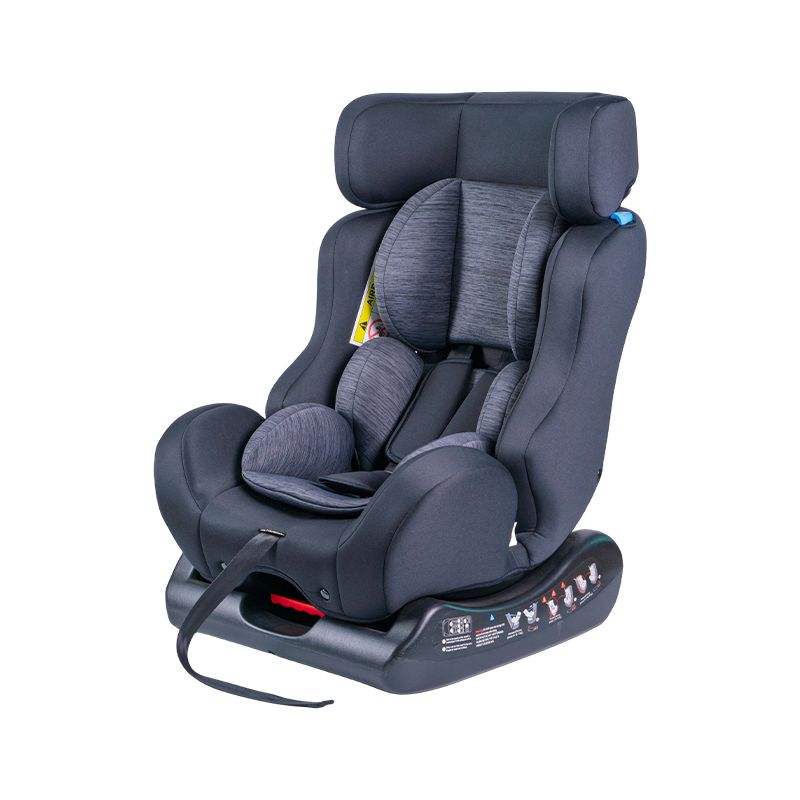
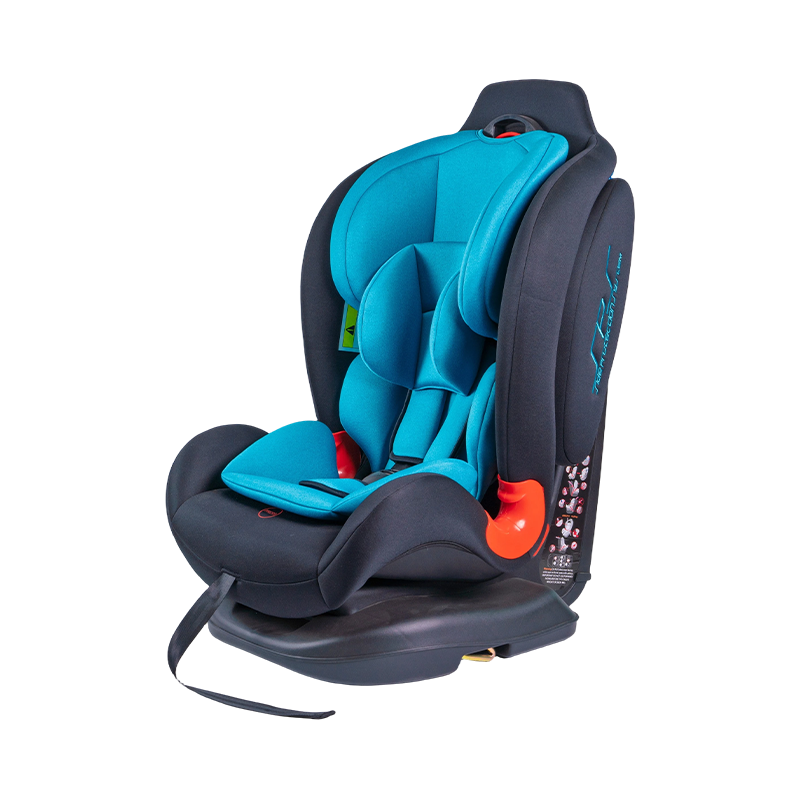

For the safety of babies' travel, we are committed to being a reliable partner for babies and families, and to becoming an expert in children's car safety seats. This is our eternal pursuit.
Contact Us
For exclusive deals and latest offers, sign up by entering your email address below.
CONTACT INFORMATION
-
Address: North of Sitong Road and west of Lianfu Port, Hongqiao Industrial Park, Taixing City, Jiangsu Province
-
Phone: +86 15996087029
-
E-mail: [email protected]
Copyright © JIANGSU HAPPY BABY SAFETY SEAT CO., LTD. All Rights Reserved.
Wholesale Child Travel Safety Seat Factory