
 English
 中文简体
中文简体

Industry News
Infant Seat vs Convertible Car Seat: Which Is Better for Newborns
2026-01-13
Content
- 1 What Is an Infant Seat and How Does It Differ from a Convertible Car Seat?
- 1.1 What Is an Infant Seat?
- 1.2 What Is a Convertible Car Seat?
- 1.3 Design Philosophy: Infant Seat Versus Convertible Car Seat
- 1.4 Installation and Daily Use
- 1.5 Safety Considerations for Newborns
- 1.6 Comfort and Ergonomics
- 1.7 Longevity and Cost Implications
- 1.8 Travel and Mobility Context
- 1.9 Regulatory and Usage Guidelines
- 1.10 Comparative Summary Without Conclusion
- 2 Infant Seat Safety for Newborns: Designed Specifically for the First Months
- 2.1 Newborn Biomechanics and Why Infant Seat Design Matters
- 2.2 Rear-Facing Physics and Force Management in an Infant Seat
- 2.3 Recline Angle, Airway Protection, and Positional Safety
- 2.4 Harness Geometry, Load Distribution, and Occupant Retention
- 2.5 Side-Impact Protection and Shell Architecture
- 2.6 Base Systems, Installation Integrity, and Error Reduction
- 2.7 Material Science, Energy Absorption, and Structural Integrity
- 3 Infant Seat vs Convertible Car Seat: Which Offers Better Head and Neck Support?
- 3.1 Newborn Head–Neck Anatomy and Injury Mechanisms
- 3.2 Infant Seat Architecture for Head and Neck Support
- 3.3 Convertible Car Seat Architecture and Its Implications
- 3.4 Static Support: Everyday Head Positioning and Airway Considerations
- 3.5 Dynamic Support: Head and Neck Behavior in a Collision
- 3.6 Shell Geometry and the Concept of a “Protective Cocoon”
- 3.7 Harness Interaction and Neck Load Management
- 3.8 Role of Inserts and Accessories in Head and Neck Support
- 4 Infant Seat Comfort: Why Newborns Fit Better in an Infant Seat
- 4.1 Newborn Body Proportions and the Concept of “Proper Fit”
- 4.2 Shell Geometry and Cradle-Like Support
- 4.3 Cushioning, Padding Density, and Pressure Distribution
- 4.4 Infant Inserts and Customizable Fit
- 4.5 Harness Interaction and Comfort in Restraint
- 4.6 Recline Angle and Postural Comfort
- 4.7 Thermal Regulation and Breathable Materials
- 4.8 Motion, Stability, and the Perception of Security
- 4.9 Handling, Transitions, and Comfort Beyond the Vehicle
- 4.10 Adaptability to Individual Variability Among Newborns
- 4.11 Sensory Environment and Tactile Experience
- 4.12 Fit as the Foundation of Comfort
- 5 References / Sources
What Is an Infant Seat and How Does It Differ from a Convertible Car Seat?
What Is an Infant Seat?
An Infant Seat is a rear-facing child restraint system engineered specifically for newborns and young infants, typically from birth until approximately 9–15 months, depending on height and weight limits set by the manufacturer. Unlike broader categories of car seats that aim to cover multiple developmental stages, the Infant Seat is purpose-built for the unique anatomical, physiological, and safety needs of the earliest months of life. Its design philosophy centers on providing optimal head, neck, and spinal alignment for babies who lack the muscular strength to control their posture.
Structurally, an Infant Seat is characterized by a deep, cradle-like shell with pronounced side wings and energy-absorbing materials. These features create a cocoon that helps distribute crash forces away from the infant’s most vulnerable areas. The shell is often paired with a detachable base that remains installed in the vehicle, allowing caregivers to click the seat in and out with minimal effort. This modular design distinguishes the Infant Seat from many other car seats and is one of the primary reasons it is widely regarded as a travel-friendly solution.
From a biomechanical perspective, the Infant Seat is engineered to maintain a precise recline angle—usually between 30 and 45 degrees—to keep the infant’s airway open and reduce the risk of head slump. Newborns have disproportionately large heads relative to their bodies and underdeveloped neck musculature; if seated too upright, their chin may fall toward the chest, potentially compromising breathing. The Infant Seat’s geometry, combined with adjustable inserts and padding, addresses this risk by stabilizing the head and torso in a neutral position.
Another defining feature of the Infant Seat is its integrated carry handle and compatibility with stroller frames, forming what is commonly referred to as a “travel system.” This allows caregivers to move a sleeping baby from car to stroller without disturbing them, a convenience that extends the Infant Seat’s function beyond the vehicle. While it is not intended to replace a crib or bassinet for prolonged sleep, its short-duration portability makes it a practical mobility tool for everyday errands and short trips.
In regulatory terms, Infant Seats are subject to the same federal and international safety standards as other child restraints, such as FMVSS 213 in the United States or ECE R129 (i-Size) in Europe. However, they are tested and rated within weight and height ranges that specifically reflect newborn and early-infant use. Manufacturers often include additional infant-specific safety technologies, such as load legs, anti-rebound bars, or enhanced side-impact protection, further underscoring the category’s focus on early-life protection.
What Is a Convertible Car Seat?
A convertible car seat is designed to “convert” from a rear-facing configuration for infants and toddlers to a forward-facing configuration for older children. Some models extend usability even further by accommodating booster modes. The core advantage of a convertible car seat lies in its longevity: a single product can potentially serve a child from birth through several years of development, depending on size and local legal requirements.
In contrast to the Infant Seat, a convertible car seat is installed permanently in the vehicle and is not intended to be removed regularly. It does not include a carry handle, nor is it designed for stroller compatibility. The seat shell is larger and heavier, built to accommodate a wider range of body sizes. While most modern convertible car seats advertise “newborn-ready” features—such as removable infant inserts and adjustable recline mechanisms—their fundamental architecture must balance the needs of both very small and much larger occupants.
From an engineering standpoint, convertible car seats prioritize structural robustness and adaptability. The shell is typically reinforced to handle higher loads associated with forward-facing use, and the harness system is designed to adjust across multiple growth stages. This versatility, however, means that the seat cannot be as narrowly optimized for the biomechanics of a newborn as an Infant Seat can. Instead, it aims to be “good enough” across a spectrum of ages.
Regulatory compliance for convertible car seats is equally stringent, but testing parameters reflect a broader user range. Manufacturers must demonstrate performance for both rear-facing and forward-facing scenarios, which can influence design trade-offs in padding density, shell contouring, and recline geometry. As a result, while convertible car seats can safely transport newborns when properly installed and adjusted, they do so within a multi-purpose framework rather than a newborn-exclusive one.
Design Philosophy: Infant Seat Versus Convertible Car Seat
The most fundamental difference between an Infant Seat and a convertible car seat lies in their design philosophy. An Infant Seat is a single-stage solution optimized for the earliest phase of life, while a convertible car seat is a multi-stage system intended to evolve with the child.
For the Infant Seat, every dimension—from shell curvature to harness slot placement—is calculated with the newborn’s proportions in mind. The side wings are positioned to align with a small torso, the crotch buckle is placed to avoid abdominal pressure, and the harness webbing is routed to minimize slack around a fragile chest. Even the foam density is often tuned to absorb energy effectively at lower occupant weights. This level of specialization is difficult to replicate in a product that must later accommodate a 40-pound toddler or beyond.
In a convertible car seat, the design must anticipate future needs. The shell must be tall enough for a forward-facing child, the harness must have sufficient adjustment range, and the base must remain stable under higher mass. These requirements can limit how precisely the seat can be contoured for a newborn. Although infant inserts can bridge some of the gap, they are supplementary components rather than the core structural design.
Installation and Daily Use
Installation practices further highlight the differences between an Infant Seat and a convertible car seat. The Infant Seat typically uses a two-part system: a base that remains secured in the vehicle via LATCH/ISOFIX or a seat belt, and the seat itself, which clicks into the base. This arrangement allows caregivers to remove the seat without reinstalling it each time, reducing the likelihood of repeated installation errors. Many bases also include visual or audible indicators to confirm correct angle and attachment.
A convertible car seat, by contrast, is installed as a single unit and is not designed for frequent removal. While modern models also feature level indicators and straightforward LATCH systems, the installation process is inherently more involved due to the seat’s size and weight. For families who frequently switch vehicles or rely on caregivers other than themselves, the Infant Seat’s modularity can offer a practical advantage in maintaining consistent installation quality.
From a usability standpoint, the Infant Seat’s portability transforms it into a short-range mobility device. Parents can carry the baby inside the seat, transfer it onto a stroller frame, or move it between vehicles. This convenience is particularly valuable during the newborn phase, when infants sleep frequently and are sensitive to disruption. A convertible car seat lacks this portability; every transfer requires lifting the child out of the seat, which can be challenging in adverse weather or when the baby is asleep.
Safety Considerations for Newborns
Safety is the central criterion in any comparison between an Infant Seat and a convertible car seat, especially for newborns. Both types, when used correctly, meet established safety standards. The distinction lies in how directly each design addresses newborn-specific vulnerabilities.
The Infant Seat’s recline geometry is perhaps its most significant safety feature for this age group. By maintaining an optimal angle, it supports airway patency and reduces the risk of positional asphyxia during car travel. Additionally, the deep shell and targeted side-impact protection are proportioned for a small body, ensuring that crash forces are managed in a way that aligns with an infant’s biomechanics.
Convertible car seats can also be installed at appropriate rear-facing angles, and many models provide infant inserts to improve fit. However, achieving the ideal configuration often requires meticulous adjustment, and the seat’s larger dimensions may result in a less snug fit around a very small infant. While this does not inherently make a convertible car seat unsafe, it places greater emphasis on correct setup and ongoing monitoring of fit as the baby grows.
Another safety-related factor is handling. An Infant Seat allows caregivers to secure the baby indoors, away from traffic and weather, before carrying the seat to the vehicle. This can reduce exposure to hazards during loading and unloading. With a convertible car seat, the baby must be carried in arms to and from the vehicle, which introduces additional variables in busy or slippery environments.
Comfort and Ergonomics
Comfort is not merely a matter of convenience; it is closely linked to safety and well-being. An Infant Seat is engineered to cradle the newborn’s body in a semi-reclined position that distributes weight evenly and minimizes pressure points. The harness is designed to sit low on the shoulders, and padding is strategically placed to stabilize the head and hips.
In a convertible car seat, comfort features must be adaptable. While many models offer plush padding and adjustable headrests, the seat’s geometry is optimized for a wider range of sizes. For a newborn, this can mean that inserts and adjustments are doing much of the work to achieve a proper fit. Over time, as the child grows, the convertible car seat may become increasingly comfortable and spacious, but during the earliest months, the Infant Seat often provides a more tailored ergonomic environment.
Longevity and Cost Implications
One of the primary reasons parents consider a convertible car seat from birth is cost efficiency. Purchasing a single seat that lasts several years can appear more economical than buying an Infant Seat first and then transitioning to another seat later. However, this calculation should account for the functional differences between the two.
The Infant Seat’s limited lifespan is a direct consequence of its specialized design. It is not intended to accommodate a growing toddler; its value lies in delivering optimal protection and convenience during a specific developmental window. A convertible car seat, while longer-lasting, may require compromises in newborn-specific fit and usability. Families must weigh whether the upfront savings justify these trade-offs during a period when infants are most physically vulnerable.
Travel and Mobility Context
In the context of travel, the Infant Seat’s identity as both a car restraint and a short-range mobility tool becomes especially relevant. Its compatibility with strollers, taxis, and, in some cases, aircraft seats, makes it a versatile companion for families who are frequently on the move. The ability to move a sleeping infant without repositioning them can significantly reduce stress during errands, medical appointments, and transit connections.
A convertible car seat, while suitable for extended road travel, is less adaptable in multi-modal environments. Its bulk and fixed installation make it impractical for situations that require frequent transfers or the use of public transportation. For families who anticipate regular travel during the first year, the Infant Seat’s mobility features can represent a meaningful functional advantage.
Regulatory and Usage Guidelines
Regulatory bodies and pediatric safety organizations consistently emphasize the importance of rear-facing travel for as long as possible, ideally until at least two years of age or beyond, depending on local laws. Both Infant Seats and convertible car seats support rear-facing use. The key distinction is how each product category is optimized within that framework.
Infant Seats are tested specifically for the weight and height ranges of newborns and young infants, and their instructions are tailored to this demographic. Convertible car seats must satisfy a broader set of test conditions, reflecting their dual-mode use. As a result, while both categories can be compliant and safe, the Infant Seat’s regulatory context is more narrowly aligned with the newborn phase.
Comparative Summary Without Conclusion
When examining what an Infant Seat is and how it differs from a convertible car seat, the contrast is not simply between two products but between two design philosophies. The Infant Seat is a precision instrument for the earliest stage of life, emphasizing biomechanical alignment, portability, and ease of daily use for caregivers. The convertible car seat is a versatile, long-term solution that prioritizes adaptability and structural robustness across multiple growth stages.
For newborns, these differences manifest in fit, ergonomics, handling, and mobility. The Infant Seat’s specialized geometry and modular design cater directly to the physical and practical realities of caring for a very young baby. The convertible car seat offers durability and extended use but requires careful adjustment to approximate the newborn-specific features that are intrinsic to the Infant Seat.
Infant Seat Safety for Newborns: Designed Specifically for the First Months
Newborn Biomechanics and Why Infant Seat Design Matters
Newborns present a set of anatomical and physiological characteristics that are fundamentally different from those of older infants and toddlers. Their heads are proportionally large and heavy relative to total body mass, their cervical spine is incompletely ossified, and the musculature required to stabilize the head and neck is minimally developed. Ligaments are more elastic, vertebral bodies are not fully fused, and the rib cage is more compliant. In a crash scenario—whether frontal, side, or rear—these characteristics translate into unique injury mechanisms. Excessive head excursion, neck flexion or extension, and uneven distribution of forces across the torso can all pose heightened risks.
An Infant Seat is engineered around these realities. Rather than scaling down a generic child restraint, the Infant Seat’s geometry, materials, and restraint systems are tuned for the earliest months of life. The shell contour supports the occipital region and upper thorax, the harness anchors are positioned to align with a newborn’s shoulder height, and the recline geometry is calibrated to protect the airway while maintaining spinal alignment. These features are not merely comfort enhancements; they are safety-critical design decisions grounded in pediatric biomechanics and crash dynamics.
Rear-Facing Physics and Force Management in an Infant Seat
Rear-facing orientation is universally recognized as the safest position for newborns because it distributes crash forces across the strongest areas of the body—the back, head, and pelvis—rather than concentrating them on the neck. In a frontal impact, which is the most common severe crash type, a rear-facing Infant Seat allows the infant’s body to move into the shell, where energy is absorbed by the seat structure and padding. This reduces the relative motion between the head and torso, minimizing tensile and shear loads on the cervical spine.
The Infant Seat’s shell is typically deep and continuous, forming a cradle that guides the infant’s motion along a controlled path. Energy-absorbing foams and engineered plastic composites are placed in high-load zones to deform in a predictable manner, converting kinetic energy into work through controlled material compression. The side wings and headrest areas are shaped to manage lateral acceleration during side impacts, reducing the likelihood of the head striking the vehicle interior.
In contrast to seats designed for multiple age ranges, the Infant Seat’s rear-facing configuration is not a temporary mode; it is the sole operating mode. This allows manufacturers to optimize the structure for one direction of force management. Load paths from the shell to the base and into the vehicle anchorage system are tuned to the mass of a newborn occupant, ensuring that the seat responds appropriately to the lower but still dangerous forces involved.
Recline Angle, Airway Protection, and Positional Safety
One of the most critical safety parameters for newborns is the recline angle of the seat. Newborns have limited control of head position, and if the torso is too upright, gravity can cause the chin to fall toward the chest, potentially compromising the airway. An Infant Seat is designed to maintain a recline angle—commonly between 30 and 45 degrees—that balances two competing safety needs: keeping the airway open and providing optimal crash protection.
Manufacturers integrate angle indicators, adjustable bases, and level lines to help caregivers achieve the correct installation. Some designs incorporate multi-position recline mechanisms that automatically adjust based on the baby’s weight or the vehicle seat geometry. The shell contour supports the head and upper back in a way that limits forward flexion while avoiding hyperextension. This is particularly important for premature or low-birth-weight infants, whose muscle tone and respiratory control may be even more limited.
Positional safety extends beyond airway protection. A properly reclined Infant Seat helps distribute pressure across the back and pelvis, reducing localized stress on soft tissues and immature skeletal structures. This contributes to both immediate safety in a crash and short-term physiological stability during routine travel.
Harness Geometry, Load Distribution, and Occupant Retention
The restraint system in an Infant Seat is designed to secure a very small occupant without introducing concentrated loads on vulnerable areas. Five-point harnesses are standard, with two shoulder straps, two hip straps, and a crotch buckle. For newborns, the routing of these straps is critical. The shoulder straps are positioned at or below shoulder level to ensure that, in a crash, the body is held back into the shell rather than allowing upward motion that could increase neck loads.
Harness webbing width, flexibility, and padding are selected to distribute forces across a broader area of the torso. The chest clip is placed at armpit level to maintain proper strap alignment and prevent lateral displacement. Many Infant Seats include removable infant inserts that fill excess space, ensuring that the harness lies flat against the body and that the pelvis is correctly positioned within the seat pan.
Load distribution during a collision depends on the interaction between the harness and the shell. In an Infant Seat, the shell’s geometry ensures that the harness restrains the torso while the shell supports the head and back, creating a coordinated system. The result is reduced differential motion between body segments, which is essential for protecting the cervical spine and internal organs in a newborn.
Side-Impact Protection and Shell Architecture
Side impacts introduce complex loading patterns, including lateral acceleration and rotational forces. Newborns are particularly susceptible to head injury in these scenarios due to their large head-to-body ratio and limited neck strength. Infant Seats address this through deep side walls, energy-absorbing materials, and, in some models, dedicated side-impact protection systems.
The shell architecture often features reinforced wings around the head and torso, creating a protective envelope. These wings are shaped to keep the head centered within the seat during a lateral crash, reducing the risk of contact with the vehicle door or window. Advanced designs incorporate multi-layer foam structures that progressively absorb energy, with softer layers for low-speed impacts and denser layers for higher loads.
Some Infant Seats also include load legs or anti-rebound bars as part of the base system. A load leg extends from the base to the vehicle floor, limiting downward rotation in a crash and reducing the forces transmitted to the infant. Anti-rebound bars control the seat’s motion after the initial impact, preventing excessive rebound toward the vehicle seatback. While these features may not be present on all models, they exemplify how Infant Seat safety design is increasingly focused on managing complex crash dynamics.
Base Systems, Installation Integrity, and Error Reduction
Installation quality is a major determinant of real-world safety. Studies consistently show that misuse and incorrect installation are common with child restraints, reducing their effectiveness in a crash. The Infant Seat addresses this risk through modular base systems designed to simplify installation and minimize variability.
The base is secured to the vehicle using LATCH/ISOFIX anchors or a seat belt, depending on regional standards and vehicle compatibility. Once the base is correctly installed, the seat can be clicked in and out without disturbing the installation. Audible clicks, visual indicators, and mechanical locks confirm proper engagement. This reduces the likelihood that a caregiver will inadvertently misinstall the seat after removing it.
Angle adjusters, built-in bubble levels, and color-coded guides further support correct positioning. By standardizing the interface between the seat and the vehicle, the Infant Seat creates a controlled environment in which the primary variables—angle, anchorage, and engagement—are easier to manage consistently. This design approach directly addresses one of the most significant real-world safety challenges: human error.
Material Science, Energy Absorption, and Structural Integrity
The materials used in an Infant Seat are selected for specific mechanical properties related to impact performance. The outer shell is typically constructed from high-strength polymers engineered to deform in a controlled manner under load. This deformation absorbs energy and reduces the peak forces transmitted to the occupant.
Inside the shell, layers of expanded polypropylene (EPP), expanded polystyrene (EPS), or similar foams are strategically placed. These materials are chosen for their ability to crush and recover, dissipating energy over a longer time interval. The thickness and density of these layers are calibrated based on the expected load levels for a newborn occupant.
Textiles and padding also play a safety role. Breathable, low-friction fabrics help maintain proper positioning and reduce the risk of overheating, which can be a concern for young infants. Fire retardancy, toxicity standards, and durability under repeated loading are all part of the material selection process, reflecting the multifaceted safety requirements of Infant Seat design.
Infant Seat vs Convertible Car Seat: Which Offers Better Head and Neck Support?
Newborn Head–Neck Anatomy and Injury Mechanisms
Head and neck support is a central safety concern for newborns because of the unique proportions and structural immaturity of the cervical spine. At birth, an infant’s head represents a significantly larger percentage of total body mass than that of an older child or adult. The occipital bone is prominent, the vertebral bodies are incompletely ossified, and the intervertebral ligaments are highly elastic. Muscle tone in the neck and upper torso is minimal, meaning that even small accelerations can produce large relative motion between the head and trunk.
In a collision, this disparity between head mass and neck strength creates a scenario in which the head tends to continue moving while the torso is restrained, generating bending moments and shear forces along the cervical spine. Excessive flexion, extension, or lateral displacement can compromise the spinal cord and surrounding soft tissues. Even outside of crash events, inadequate positional support can result in sustained flexion of the neck, potentially affecting airway patency and oxygenation during travel.
Both an Infant Seat and a convertible car seat aim to mitigate these risks, but they do so through different structural philosophies and design priorities. Understanding which offers better head and neck support requires examining geometry, materials, restraint systems, and the interaction between seat and occupant during both dynamic (crash) and static (everyday positioning) conditions.
Infant Seat Architecture for Head and Neck Support
An Infant Seat is engineered from the outset to cradle a very small body. The shell is deeply contoured, with pronounced side wings that rise high around the head and shoulders. These wings serve two primary functions: they limit lateral movement in a side impact and provide a physical boundary that helps maintain head alignment in everyday use.
The headrest area in an Infant Seat is typically integrated into the shell rather than being an adjustable add-on. This allows the manufacturer to shape the head support precisely for a newborn’s anatomy, aligning the occiput, cervical spine, and upper thorax along a continuous support surface. Energy-absorbing foam layers are strategically placed behind the head and along the sides of the shell, creating a graduated stiffness profile that cushions minor movements while managing higher loads during a collision.
Another defining element is the harness routing. In an Infant Seat, the shoulder straps are positioned at or below shoulder level, ensuring that the torso is drawn back into the shell in a crash. This restraint geometry reduces the tendency for the head to move independently of the body. The chest clip maintains strap alignment across the sternum, preventing lateral separation that could allow asymmetric loading of the neck.
Infant Seats also incorporate removable infant inserts that fill voids around the head, neck, and torso. These inserts are not merely comfort accessories; they are designed to ensure that the baby’s head remains centered and that the cervical spine is supported in a neutral position. The inserts often include contoured head pads with cutouts or channels that accommodate the natural shape of the skull while preventing lateral slump.
Convertible Car Seat Architecture and Its Implications
Convertible car seats must accommodate a wide range of occupant sizes, from newborns to toddlers and beyond. This requirement influences their structural design in ways that affect head and neck support for the smallest users. The shell is larger and taller, with a headrest that is often adjustable to multiple positions. While this adjustability is advantageous as the child grows, it means that the head support for a newborn is typically achieved through add-on components rather than an integrated shell contour.
Many convertible car seats include newborn inserts that are intended to reduce internal volume and improve fit. These inserts can provide additional padding around the head and torso, but they are necessarily modular and removable. The underlying shell geometry is optimized for a broader range of body sizes, which can limit how precisely it conforms to a newborn’s anatomy.
Harness geometry in convertible car seats is also a compromise between stages. Although rear-facing mode requires the shoulder straps to be at or below shoulder level, the harness anchor points must also accommodate higher positions for forward-facing use later. This can result in a less optimized strap angle for very small infants compared to an Infant Seat that is dedicated to a single size range.
Headrest systems in convertible car seats are often designed to move vertically as the child grows. For newborns, the headrest is typically set to its lowest position and supplemented by inserts. While this can achieve adequate support when properly configured, it introduces more variables into the fit process. Incorrect adjustment or premature removal of inserts can reduce head and neck support during a critical developmental period.
Static Support: Everyday Head Positioning and Airway Considerations
Head and neck support is not only about crash performance; it also affects how the baby’s head is positioned during routine travel. Newborns lack the muscular control to reposition their heads if they slump forward or to the side. An Infant Seat’s deep shell and contoured headrest work together to maintain a neutral alignment that supports the occiput and cervical spine while keeping the chin from falling toward the chest.
The recline angle of an Infant Seat is carefully calibrated to balance spinal alignment with airway protection. By supporting the upper back and head in a semi-reclined posture, the seat reduces gravitational flexion of the neck. The side wings provide lateral containment, preventing the head from rolling to one side, which could otherwise lead to asymmetrical loading of the neck and potential airway compromise.
In a convertible car seat, achieving the same level of static support for a newborn depends heavily on correct configuration. If the seat is too upright or if the headrest and inserts are not optimally positioned, the baby’s head may tilt forward or sideways. While manufacturers provide guidance and level indicators, the larger shell geometry and multi-stage design can make it more challenging to maintain ideal head positioning for very small infants, particularly in vehicles with steeply contoured seats.
Dynamic Support: Head and Neck Behavior in a Collision
During a crash, head and neck support becomes a function of how effectively the seat manages relative motion between the head and torso. In an Infant Seat, the integrated shell and headrest act as a continuous support structure. As the vehicle decelerates, the infant’s body moves into the shell, and the head is guided along the same trajectory as the torso. Energy-absorbing materials behind the head compress in a controlled manner, reducing peak accelerations and limiting the differential motion that generates cervical loads.
The side wings of an Infant Seat play a critical role in side impacts, where lateral acceleration can cause the head to move toward the point of impact. By containing the head within a narrow envelope, the seat reduces lateral excursion and the associated bending moments on the neck. Some models incorporate advanced side-impact protection systems, such as additional foam layers or structural reinforcements around the head area, further enhancing protection.
In a convertible car seat, the dynamic behavior of the head and neck is influenced by the fit achieved through adjustments and inserts. If the inserts are properly positioned and the harness is correctly tensioned, the seat can provide effective restraint. However, because the shell is larger and the headrest is adjustable, there may be more internal space around a very small infant. In a high-energy event, this can translate into greater initial movement before the head contacts the supportive surfaces, potentially increasing neck loads.
Additionally, some convertible car seats rely on adjustable headrests that move independently of the shell. While these systems are designed to maintain harness alignment, they can introduce additional interfaces between the head and the seat structure. Each interface must perform predictably under load to ensure that energy is absorbed smoothly rather than being transmitted abruptly to the neck.
Shell Geometry and the Concept of a “Protective Cocoon”
The notion of a “protective cocoon” is central to Infant Seat design. The shell envelops the infant, with high sidewalls and a narrow interior width that keeps the head, shoulders, and torso aligned. This geometry minimizes free space around the head, reducing the distance the head can travel before being supported in a crash.
In contrast, the interior geometry of a convertible car seat must accommodate a growing child. Even when configured for a newborn, the shell often has a broader profile, and the effective cocoon is created through removable inserts rather than the shell itself. While these inserts can be well-designed, they are inherently less integrated into the structural load paths of the seat. The shell’s primary energy management features are optimized for higher occupant masses and may not engage as precisely with a very small infant’s head and neck.
Harness Interaction and Neck Load Management
Harness design is a critical factor in controlling head motion. In an Infant Seat, the harness anchors are fixed in positions that align with newborn shoulder heights. This ensures that, in a crash, the harness restrains the torso without introducing upward forces that could increase neck extension. The straps are often narrower and more flexible, distributing load across the chest while allowing the shell to support the head.
Convertible car seats must accommodate a wide range of harness heights. Although they provide low settings for rear-facing use, the overall harness system is designed to manage higher loads from older children. This can influence strap stiffness and routing in ways that are not as finely tuned for newborn biomechanics. While not inherently unsafe, this design approach means that the interaction between harness and head support may not be as optimized for minimizing cervical loads in the smallest occupants.
Role of Inserts and Accessories in Head and Neck Support
Infant Seats and convertible car seats both use inserts to enhance fit, but the role and integration of these components differ. In an Infant Seat, inserts are designed as part of the system. They are shaped to complement the shell geometry and to position the head, neck, and torso in alignment with the seat’s load-bearing structures. Manufacturers typically specify strict guidelines for when inserts should be used or removed based on weight or height, reflecting their role in safety performance.
In convertible car seats, inserts are often more modular and may vary significantly between models. Some provide robust head and neck support, while others are primarily comfort-oriented. Because these inserts are removable and sometimes adjustable in multiple ways, there is greater potential for misuse. Improper placement, premature removal, or incorrect stacking of inserts can compromise the intended head and neck support for a newborn.
Infant Seat Comfort: Why Newborns Fit Better in an Infant Seat
Newborn Body Proportions and the Concept of “Proper Fit”
Comfort for a newborn in a car seat is inseparable from biomechanics and safety. A newborn’s body proportions differ dramatically from those of older infants and toddlers: the head accounts for a much larger percentage of total body mass, the neck is short and structurally immature, the rib cage is soft and highly compliant, and the pelvis is narrow with minimal natural curvature. Muscle tone is limited, particularly in the neck, shoulders, and trunk, and voluntary postural control is essentially absent. These factors mean that a newborn cannot adjust position to relieve pressure, maintain alignment, or correct an uncomfortable posture.
An Infant Seat is engineered around these anatomical realities. Its internal dimensions, shell contours, and restraint geometry are designed to match the scale of a newborn’s body, creating a seating environment where the infant’s head, torso, and pelvis are simultaneously supported. Comfort in this context is not merely about softness; it is about how well the seat maintains neutral alignment of the spine, distributes pressure across contact surfaces, and minimizes points of concentrated load that could cause discomfort or physiological stress.
In contrast, seats designed for broader age ranges must accommodate bodies that are significantly larger and more structurally mature. Even when fitted with inserts, they may not replicate the precise internal geometry required for a newborn’s unique proportions. The concept of “fit” in an Infant Seat therefore encompasses both dimensional accuracy and biomechanical compatibility, ensuring that the baby’s body rests in a position that feels natural and stable.
Shell Geometry and Cradle-Like Support
One of the most distinctive comfort features of an Infant Seat is its cradle-like shell. The shell is deeply contoured to follow the natural curvature of a newborn’s back and the rounded shape of the occipital region of the head. Rather than presenting a flat seating surface, the shell creates a gentle, enveloping cavity that supports the spine from the sacrum through the thoracic region and into the base of the skull.
This geometry provides several comfort-related benefits. First, it maintains spinal alignment by supporting the infant in a slightly reclined posture that mirrors the natural curvature of the newborn spine. Second, it reduces localized pressure by spreading the baby’s weight over a larger contact area. Third, it offers lateral containment that prevents the body from shifting or slumping to one side, a common source of discomfort in less tailored seating systems.
The side wings that rise along the torso and head are not only protective in a crash; they also serve a postural function during everyday travel. By gently bracing the shoulders and head, they help maintain a centered position without the need for tight harness tension. This contributes to a sense of stability that can be soothing for newborns, who often respond negatively to uncontrolled movement or unstable postures.
Cushioning, Padding Density, and Pressure Distribution
Comfort in an Infant Seat is heavily influenced by the materials used in contact areas. Manufacturers typically employ multi-layer cushioning systems that combine structural foams with softer, surface-level padding. The deeper layers are designed to absorb energy and provide shape retention, while the upper layers are tuned for softness and pressure distribution.
Padding density is carefully calibrated for the low body weight of a newborn. Too firm a surface can create pressure points at the shoulders, hips, and back of the head, while overly soft materials may allow excessive sinking that alters posture and alignment. In an Infant Seat, the balance between support and softness is optimized for a body that weighs only a few kilograms, ensuring that the infant is held securely without feeling constrained.
Pressure distribution is particularly important for the occipital region and the sacral area, where prolonged contact with a hard surface can cause discomfort. The contoured headrest and lower back support in an Infant Seat are designed to spread load evenly, reducing the risk of localized pressure that could lead to fussiness or restlessness during travel.
Infant Inserts and Customizable Fit
A defining feature of many Infant Seats is the inclusion of removable inserts designed specifically for newborns. These inserts fill excess space within the shell, ensuring that the baby’s small body is properly supported. They often include head pads, body cushions, and sometimes additional lumbar or pelvic supports.
These components serve multiple comfort-related functions. They maintain the head in a neutral position, preventing it from falling to the side. They support the shoulders and torso, keeping the body centered within the shell. They also elevate the pelvis slightly to achieve an optimal recline angle, which can reduce strain on the lower back and hips.
Importantly, these inserts are designed as integral parts of the seat system rather than generic accessories. Their shapes correspond to the shell geometry, and their thickness and firmness are chosen to complement the underlying structure. As the baby grows, the inserts can be removed in stages, allowing the seat to adapt while preserving appropriate fit and comfort. This gradual transition ensures that the infant remains well-supported throughout the usable lifespan of the seat.
Harness Interaction and Comfort in Restraint
Harness design plays a critical role in how comfortable a newborn feels in a car seat. In an Infant Seat, the harness system is proportioned for small bodies, with narrow webbing, soft edge treatments, and low-profile buckles. The shoulder straps emerge from the shell at positions that align with a newborn’s shoulder height, reducing the likelihood of upward or downward pressure on the shoulders and neck.
The harness works in concert with the seat’s padding to distribute restraint forces across the torso rather than concentrating them on small areas. Properly adjusted, the harness should be snug enough to secure the infant without compressing soft tissues or restricting movement. The chest clip, positioned at armpit level, maintains strap alignment and prevents lateral migration that could cause rubbing or discomfort.
Because the shell and inserts already provide much of the positional support, the harness in an Infant Seat does not need to be excessively tight to maintain posture. This contrasts with seats where the harness must compensate for less precise shell geometry, potentially leading to a feeling of constraint. For newborns, who are highly sensitive to tactile input, this more balanced approach can translate into a calmer, more comfortable experience.
Recline Angle and Postural Comfort
Posture is a fundamental component of comfort for newborns. An Infant Seat is designed to hold the baby in a semi-reclined position that supports the natural curvature of the spine and reduces gravitational load on the neck and upper torso. This recline also helps maintain an open airway, which is both a safety and comfort consideration.
The base of an Infant Seat often includes angle adjustment mechanisms and level indicators to ensure that the shell is positioned correctly relative to the vehicle seat. When the angle is properly set, the baby’s weight is distributed along the back and pelvis rather than being concentrated at a single point. This reduces muscle strain and allows the infant to rest in a posture that more closely resembles being cradled in a caregiver’s arms.
In seats that are not as precisely optimized for newborn posture, even small deviations in angle can result in the head tipping forward or the body slumping, both of which can lead to discomfort. The Infant Seat’s emphasis on controlled recline is therefore a key factor in why newborns often appear more settled and content in this type of seat.
Thermal Regulation and Breathable Materials
Newborns have limited ability to regulate body temperature, making thermal comfort an important aspect of overall well-being. Infant Seats are typically upholstered with breathable fabrics that allow air circulation while still providing adequate padding. Many designs incorporate moisture-wicking textiles that help manage perspiration and reduce the risk of overheating during travel.
The shell’s shape and the spacing created by inserts can also influence airflow around the body. By preventing the infant from being pressed flat against a solid surface, the seat allows small channels of air to circulate, enhancing thermal comfort. Some models include ventilated foam structures or mesh panels in high-contact areas, further improving breathability.
Thermal comfort contributes indirectly to fit by reducing restlessness and movement that can occur when a baby becomes too warm or too cold. A newborn who is thermally comfortable is more likely to remain in a stable posture, allowing the seat’s ergonomic features to function as intended.
Motion, Stability, and the Perception of Security
Comfort for a newborn is also influenced by how stable and secure the seating environment feels. An Infant Seat’s snug internal dimensions and enveloping side walls create a sense of containment that can be calming. The baby is less likely to experience uncontrolled lateral movement during vehicle turns, stops, or accelerations.
This stability has both physical and psychological dimensions. Physically, it reduces micro-movements that can cause rubbing or shifting against the padding. Psychologically, the contained environment mimics the close boundaries of the womb or being held, which many newborns find soothing. The result is often a calmer demeanor during travel, with fewer episodes of fussiness attributable to discomfort.
Convertible seats, even when configured for newborns, often have a more spacious interior due to their need to accommodate larger bodies. While inserts can reduce this space, the overall feel may still be less cocoon-like. For some newborns, the increased freedom of movement can translate into less perceived support and, consequently, less comfort.
Handling, Transitions, and Comfort Beyond the Vehicle
An Infant Seat’s design extends comfort beyond the moment of being seated in the car. The ability to lift the seat with the baby inside and transfer it to a stroller frame or carry it into another environment allows the infant to remain in a consistent, familiar posture. This continuity can be particularly important for newborns, who may become distressed by frequent changes in position.
The integrated handle and balanced weight distribution of an Infant Seat enable caregivers to move the baby without jostling or repositioning. This minimizes disruptions to sleep and reduces the likelihood of uncomfortable handling. The baby experiences fewer transitions between different support surfaces, maintaining a consistent level of postural comfort.
In contrast, with a non-removable seat, the baby must be lifted out of the seat for every transition. This introduces additional handling and position changes, which can disturb a sleeping infant or result in momentary discomfort. While this does not directly reflect the seat’s in-vehicle ergonomics, it influences the overall comfort experience associated with travel.
Adaptability to Individual Variability Among Newborns
Newborns vary widely in size, muscle tone, and sensitivity. Some are long and lean, others shorter and broader; some have stronger neck control earlier, while others remain more hypotonic for longer. An Infant Seat’s modular insert system and adjustable harness are designed to accommodate this variability while preserving a snug, supportive fit.
By contrast, seats that rely on a one-size-fits-many approach may not adapt as precisely to individual differences at the smallest end of the size spectrum. The Infant Seat’s ability to fine-tune internal dimensions and support points allows it to maintain comfort across a wide range of newborn body types.
This adaptability is particularly relevant for premature or low-birth-weight infants, who may require additional support to maintain alignment and reduce pressure on fragile tissues. Many Infant Seats are explicitly designed to accommodate smaller babies safely and comfortably, reflecting their focus on the earliest months of life.
Sensory Environment and Tactile Experience
The combination of materials, geometry, and containment in an Infant Seat creates a specific sensory environment. The tactile experience of soft, padded surfaces, combined with the gentle pressure of a properly adjusted harness and the surrounding shell, can have a regulatory effect on a newborn’s nervous system. For many infants, this environment promotes calmness and sleep, both indicators of comfort.
The reduced exposure to external stimuli—light, drafts, and abrupt motion—further enhances this effect. The side wings and canopy features found on some Infant Seats create a semi-enclosed space that shields the baby from visual and environmental disturbances, contributing to a more restful travel experience.
Fit as the Foundation of Comfort
At the core of the Infant Seat’s comfort advantage is the principle that proper fit underpins every other ergonomic feature. When the shell contours match the baby’s body, when the inserts fill space appropriately, when the harness aligns with the shoulders and hips, and when the recline angle supports the spine, comfort emerges naturally from the system.
Rather than relying on added softness alone, the Infant Seat integrates structural design and material science to create a seating environment that aligns with a newborn’s physical needs. This holistic approach to fit explains why, in practice, newborns often appear more settled, better supported, and more comfortable in an Infant Seat than in a seat designed to serve multiple stages of growth.
References / Sources
-
Behlman, K. R., McIntosh, A. H. — “Pediatric Biomechanics and Injury Mechanisms in Motor Vehicle Crashes”
-
Hedlund, G. L., Rozzelle, J. H. — “The Developing Cervical Spine in Infants and Children”
-
Klinich, P., Reed, M., Rupp, J. — “Injury Risk in Child Restraint Systems: Effects of Geometry and Fit”
-
Reed, M. L., Klinich, P. M. — “Development of Human Body Models for Child Occupants”
-
Carbone, B. C., Silverman, J. E. — “Airway Positioning and Postural Stability in Newborns: Implications for Infant Seating Systems”
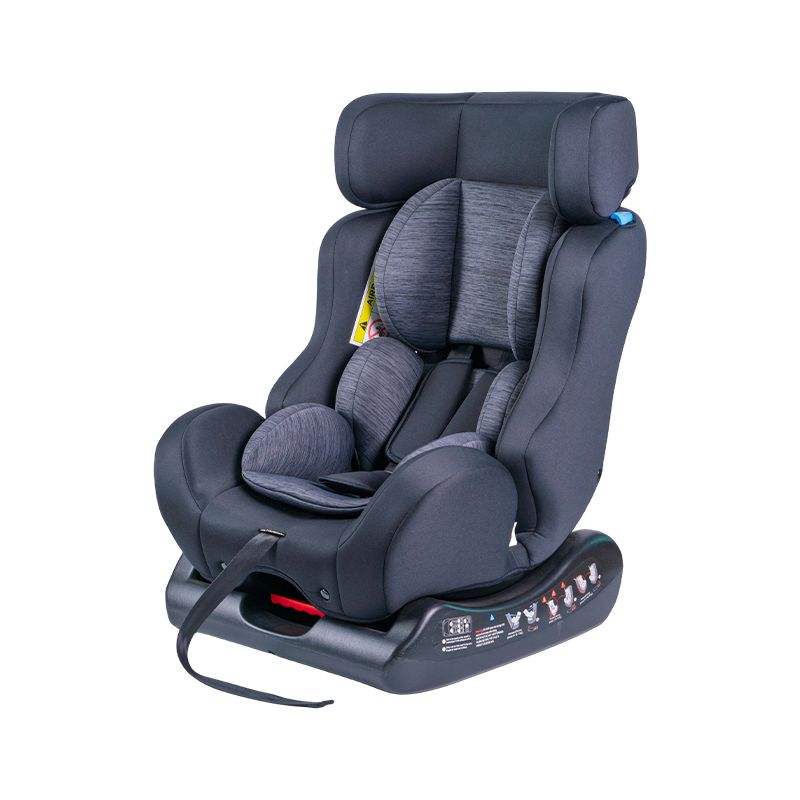
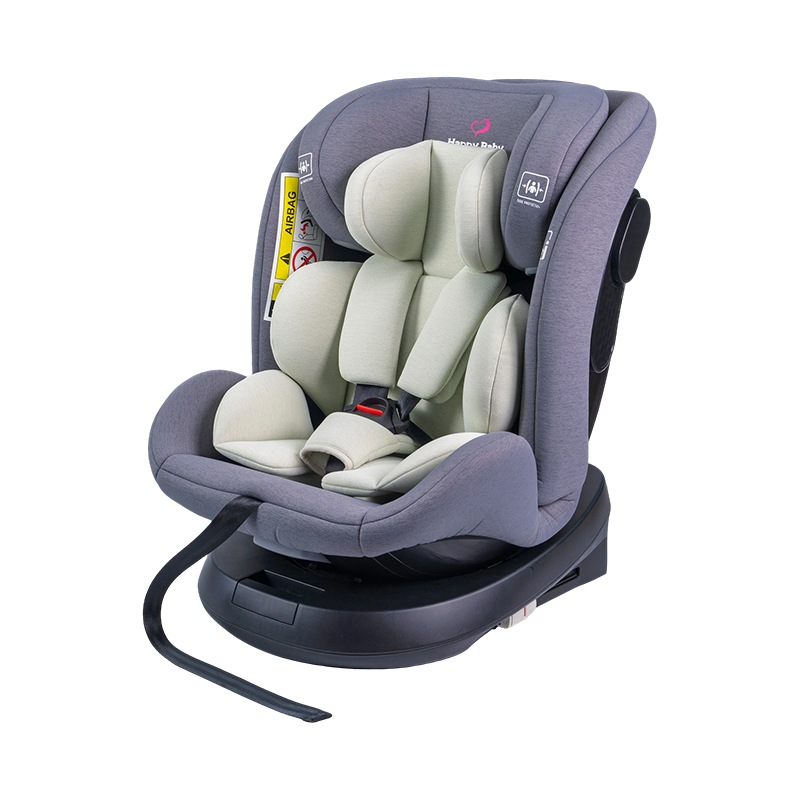
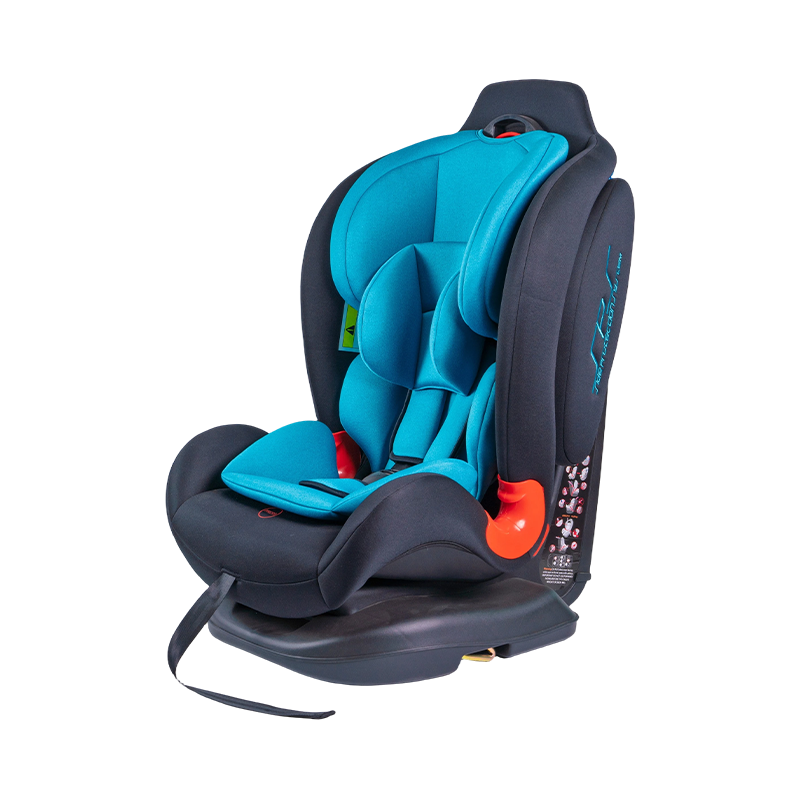
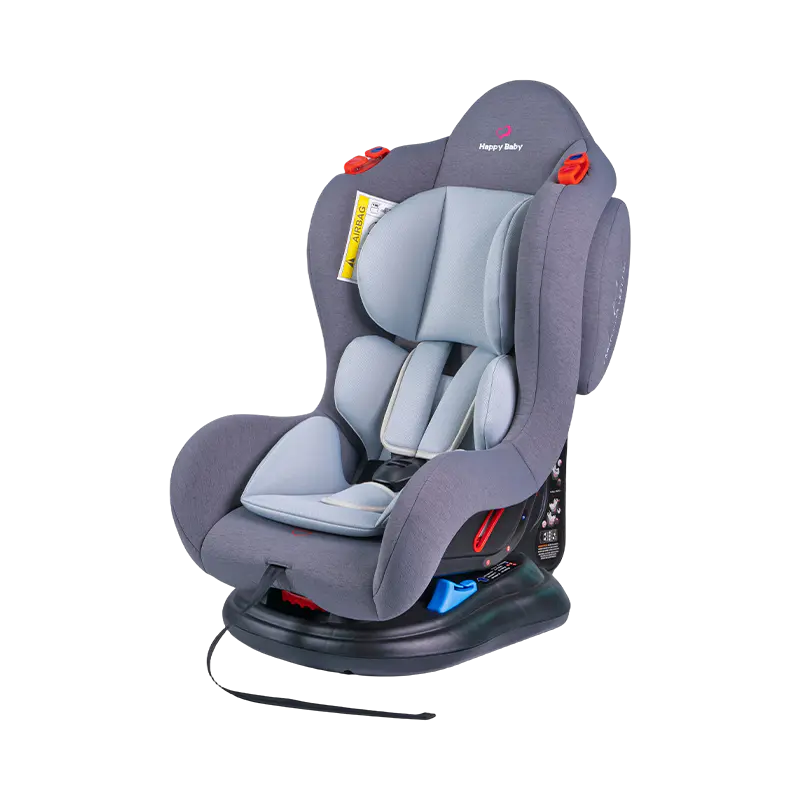
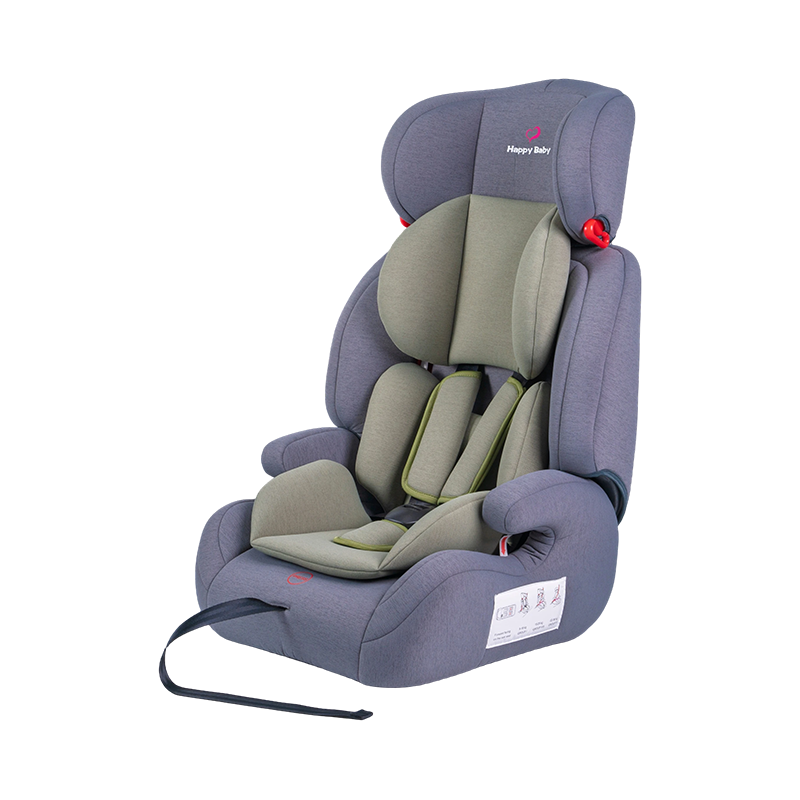
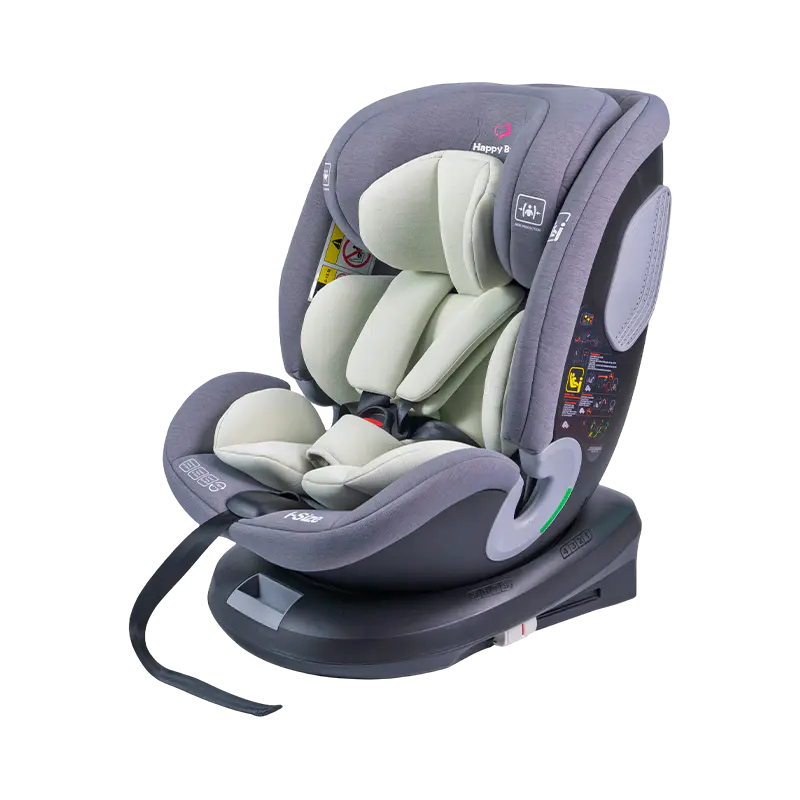

For the safety of babies' travel, we are committed to being a reliable partner for babies and families, and to becoming an expert in children's car safety seats. This is our eternal pursuit.
Contact Us
For exclusive deals and latest offers, sign up by entering your email address below.
CONTACT INFORMATION
-
Address: North of Sitong Road and west of Lianfu Port, Hongqiao Industrial Park, Taixing City, Jiangsu Province
-
Phone: +86 15996087029
-
E-mail: [email protected]
Copyright © JIANGSU HAPPY BABY SAFETY SEAT CO., LTD. All Rights Reserved.
Wholesale Child Travel Safety Seat Factory