
 English
 中文简体
中文简体

Industry News
Is Your Child Protected? Why Choose an ECE R129 i-Size Car Seat
2026-06-05
Content
In the field of modern traffic safety, the protection of children during travel remains a primary focus. To improve safety levels for children in vehicles, international authorities have established rigorous testing regulations. Among these, the r129 car seat standard (also known as ece r129) is currently recognized globally as the most comprehensive and up-to-date certification system for child safety seats. Understanding the technical essence of ece r129 and r129 isize is critical for selecting scientific and reliable equipment for travel.
ece r129: Comprehensive Safety Assurance
Since its release, the ece r129 car seats standard has aimed to minimize potential injuries to children in accidents through more scientific testing methods. Unlike traditional safety regulations, the r129 safety standard introduces advanced dummy testing models (Q-series dummies) during the research and design phase. These models are equipped with precision sensors that can simulate the forces exerted on key areas such as the head, neck, and chest during severe collisions.
The core advantage of the r129 car seat lies in its introduction of mandatory side-impact testing. This aspect was not previously included in mandatory assessments under older standards. Through structural optimization specifically for side-impacts, ece r129 ensures that the seat possesses superior energy absorption capabilities, effectively protecting a child's torso and head during an unexpected incident.
Core Technical Advantages of r129 isize
As a key component of the r129 car seat standard, the fundamental shift of r129 isize is moving from a weight-based classification to a height-based one. This change in logic is based on rigorous scientific research: a child's height is more directly correlated with the compatibility of a safety seat and reduces the likelihood of misjudgment.
Under the r129 isize system, installation must utilize the ISOFIX system. This mechanical installation method, which connects directly to the vehicle chassis, significantly lowers the probability of human error during installation. Compared to traditional seatbelt wrapping methods, the ISOFIX system ensures that the car seat r129 remains firmly locked during emergency braking or collisions, effectively transferring impact forces to the vehicle's structure.
Additionally, r129 isize mandates that rear-facing installation must be maintained for at least 15 months. This is because infants and young children have not yet fully developed their neck muscles; rear-facing installation effectively distributes the inertial forces generated during frontal collisions, achieving a higher level of protection for the head and neck.
Key Technical Parameter Comparison: R44 vs R129
To more clearly demonstrate the differences between ece r129 car seats and older standards, the core testing parameters are compared below:
| Assessment Metric | ECE R44 Standard | ECE R129 (r129 isize) |
| Classification Basis | Weight | Height |
| Side-impact Testing | Not Mandatory | Mandatory |
| Rear-facing Requirement | At least 9 months | At least 15 months |
| Installation System | Seatbelt / ISOFIX | Mandatory ISOFIX |
| Dummy Sensor Standard | P-series dummies | Q-series dummies (higher level) |
Scientific Considerations for Selecting Professional Standards
Choosing a product that meets the r129 safety standard signifies opting for the highest level of protection technology in current industrial manufacturing. For parents, focusing on the certification marks of car seat ece r129 is not just about following regulations, but is a direct investment in a child's life safety.
The widespread application of r129 isize marks the entry of the child safety seat industry into a more refined and scientific era. Through precise size matching, rigid mechanical structures, and simulations of various collision scenarios, the r129 car seat is becoming the cornerstone for families worldwide to build a safe travel environment. In increasingly complex traffic conditions, prioritizing equipment that meets this standard is a critical step to ensure that every journey receives professional-grade protection. By deeply understanding the technical requirements of ece r129, users can more rationally select the safest barrier for their child's developmental stage, ensuring long-term peace of mind for every family.
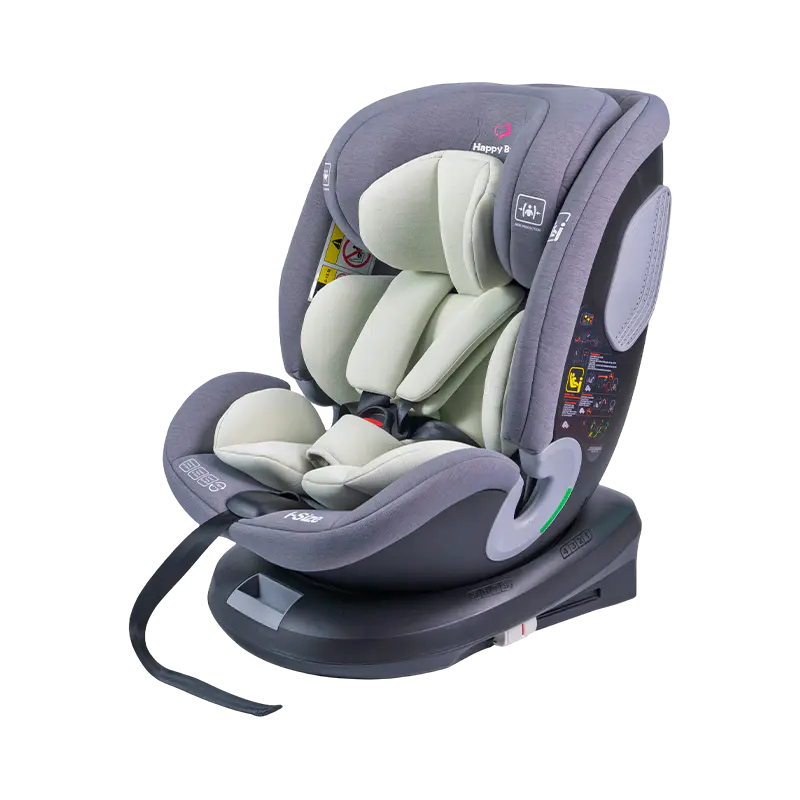
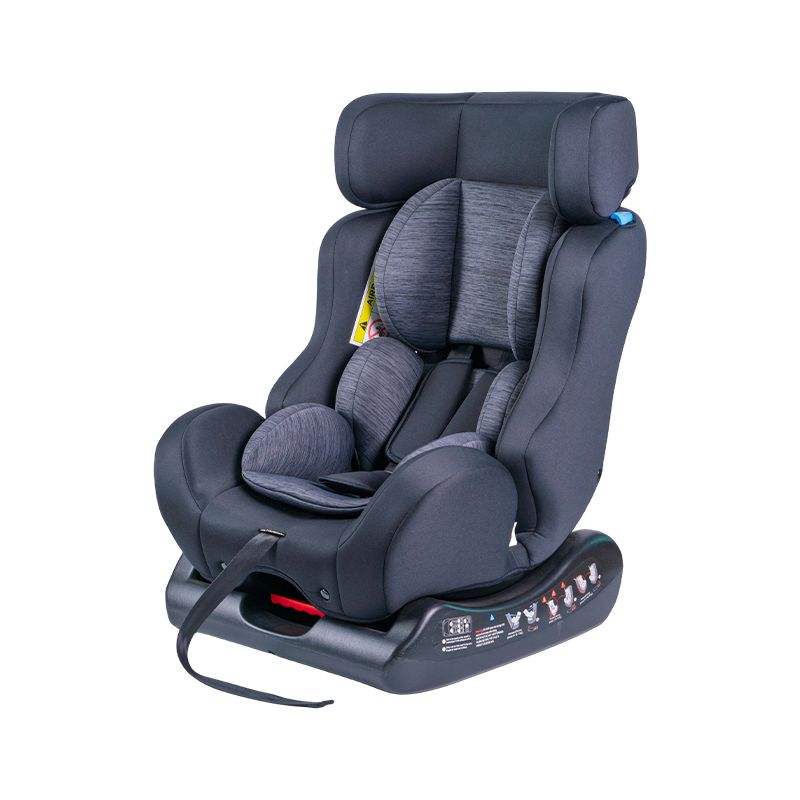
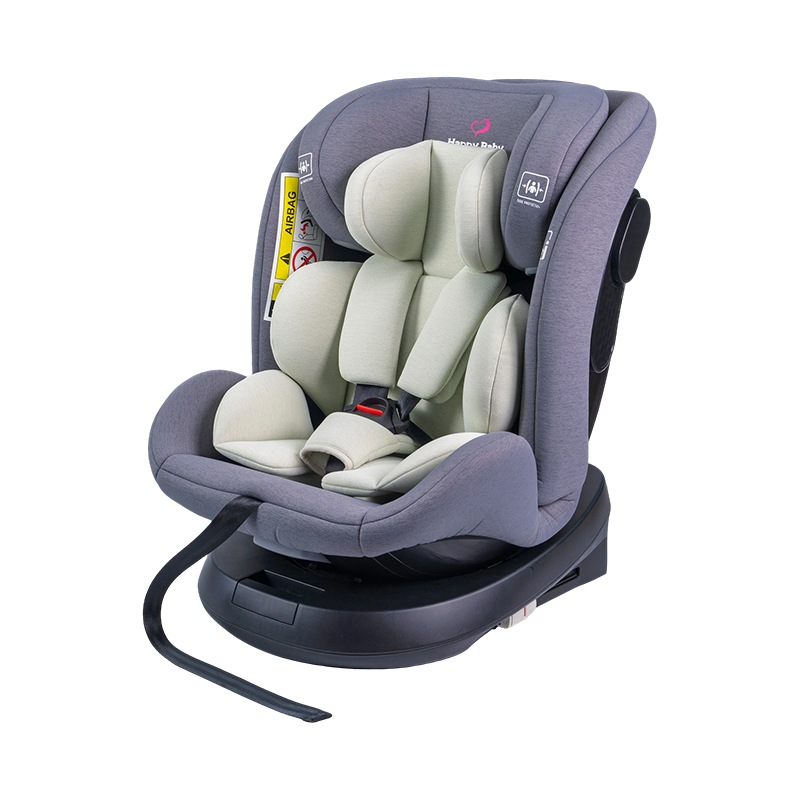
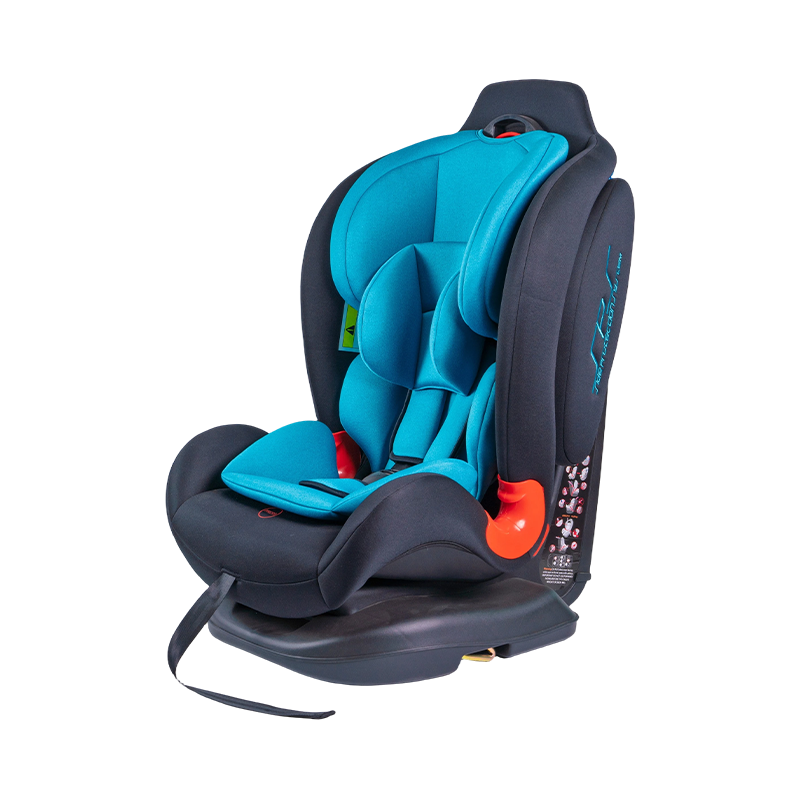
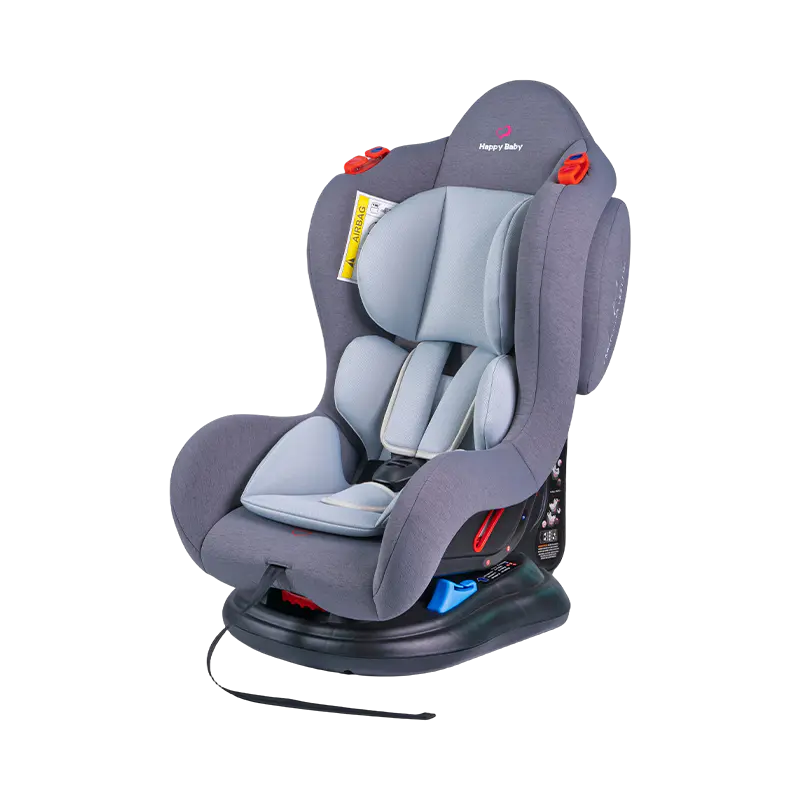


For the safety of babies' travel, we are committed to being a reliable partner for babies and families, and to becoming an expert in children's car safety seats. This is our eternal pursuit.
Contact Us
For exclusive deals and latest offers, sign up by entering your email address below.
CONTACT INFORMATION
-
Address: North of Sitong Road and west of Lianfu Port, Hongqiao Industrial Park, Taixing City, Jiangsu Province
-
Phone: +86 15996087029
-
E-mail: [email protected]
Copyright © JIANGSU HAPPY BABY SAFETY SEAT CO., LTD. All Rights Reserved.
Wholesale Child Travel Safety Seat Factory