
 English
 中文简体
中文简体 Home / News / Industry News / Why Rear-facing Car Seats Should Be Maintained Until Age 4: A Biomechanical Analysis
Industry News
Why Rear-facing Car Seats Should Be Maintained Until Age 4: A Biomechanical Analysis
2026-02-27
Content
In the field of child passenger safety, Rear-facing installation is not merely an option but a core technical measure to protect the fragile lives of infants and toddlers. While many regional regulations only mandate rear-facing up to 15 months, professional organizations such as the Volvo Safety Center and the American Academy of Pediatrics (AAP) consistently recommend: Extend the rear-facing duration as long as possible, ideally until around 4 years old.
Infant Head-to-Neck Mass Ratio and Anatomical Differences
The physiological structure of infants and toddlers differs significantly from adults. For a newborn, the head mass accounts for approximately 25% of their total body weight, whereas for an adult, it is only about 6%. This means a young child has a very high center of gravity.
More importantly, a child's cervical spine is not yet fully calcified and is primarily connected by flexible cartilage tissue. In a Forward-facing scenario, during a frontal collision, the five-point harness of the car seat secures the torso, but the massive inertia causes the heavy head to fly forward violently. Because the neck muscles and ligaments are not strong enough to support this impact force, it easily leads to spinal cord stretching, causing irreversible Internal Decapitation injuries.
Collision Mechanics: The Back as a Shield
The design logic of a Rear-facing seat is based on Energy Distribution. In the most common frontal collision accidents, the backrest of the rear-facing seat acts like a giant catcher's mitt, cradling the child's entire back, head, and neck.
Surface Area: The impact force is distributed evenly across the wide area of the seat back rather than being concentrated on the shoulders and hips where the harness straps are located.
Spinal Protection: The head and torso are pressed into the seat as a single unit. The neck does not produce significant displacement relative to the torso, thereby maximizing the protection of the fragile spinal cord.
Standard Evolution: From ECE R44 to i-Size (R129)
The transition of international safety standards confirms the importance of rear-facing installation. The older ECE R44/04 standard was primarily based on weight, which often led parents to switch to forward-facing prematurely when the child reached 9kg (approx. 9 months).
The newer i-Size (ECE R129) standard introduces stricter biomechanical indicators:
- Mandatory Rear-facing: Regulations require rear-facing installation until at least 15 months.
- Q-Dummies: The use of Q-series dummies equipped with advanced sensors to simulate the forces on the head and neck.
- Side Impact Protection: Mandatory side impact testing is required. Rear-facing seats provide better displacement protection during lateral forces due to the superior wrap-around nature of the side wings.
Addressing Common Myths: Leg Room and Motion Sickness
Many parents choose to switch to forward-facing too early due to common misconceptions:
Legs appearing cramped: In reality, children are much more flexible than adults. They are comfortable sitting cross-legged or resting their legs against the vehicle's seat back. In an accident, a broken leg can be treated, but a cervical spine injury is often fatal.
Child wanting to see outside: Modern Rear-facing seats usually have a higher base and wide-view designs. Children can see a completely different landscape through the rear and side windows.
Motion Sickness: Motion sickness stems from a mismatch between the vestibular system and visual signals and is not strictly related to the direction of travel. Conversely, the head support provided by a Rear-facing seat helps stabilize vision.
Practical Purchasing Advice for Extended Rear-facing
To achieve the goal of "Rear-facing until age 4," pay attention to these parameters when selecting a car seat:
Height Limit: Ensure the seat has a sufficient backrest height; i-Size seats are typically labeled up to 105cm.
Weight Limit: Some enhanced models support rear-facing up to 18kg or even 25kg.
Leg Room: Look for models with an adjustable Rebound Bar or support leg, as these designs often provide more stretching space for older children.
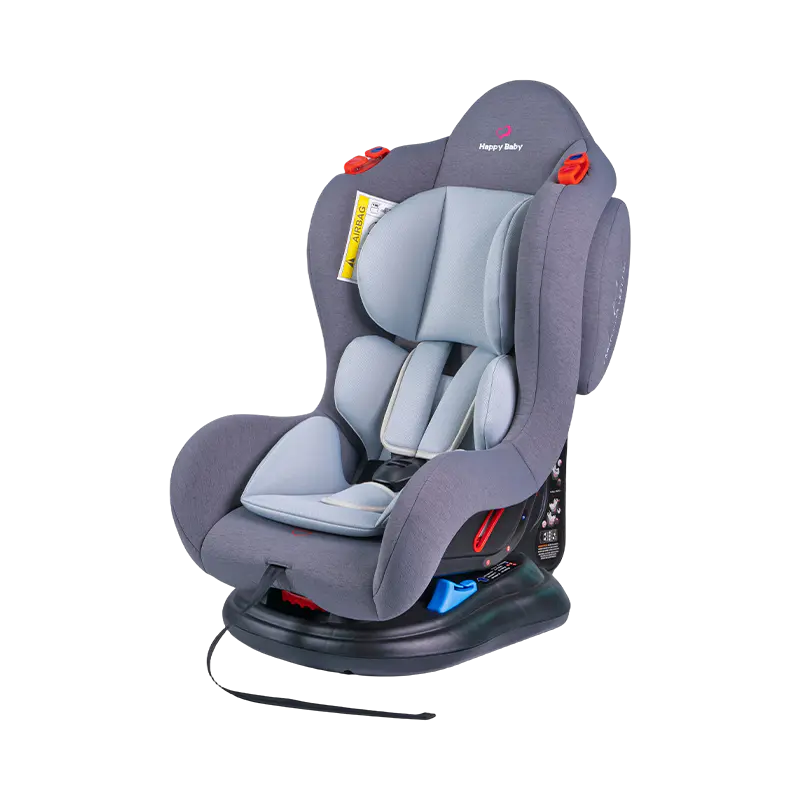
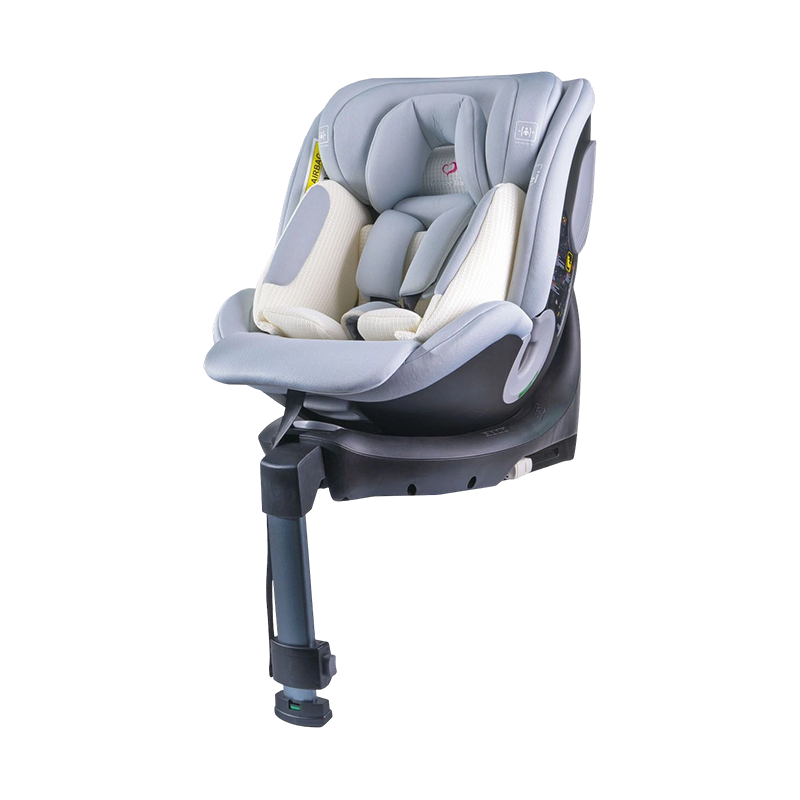
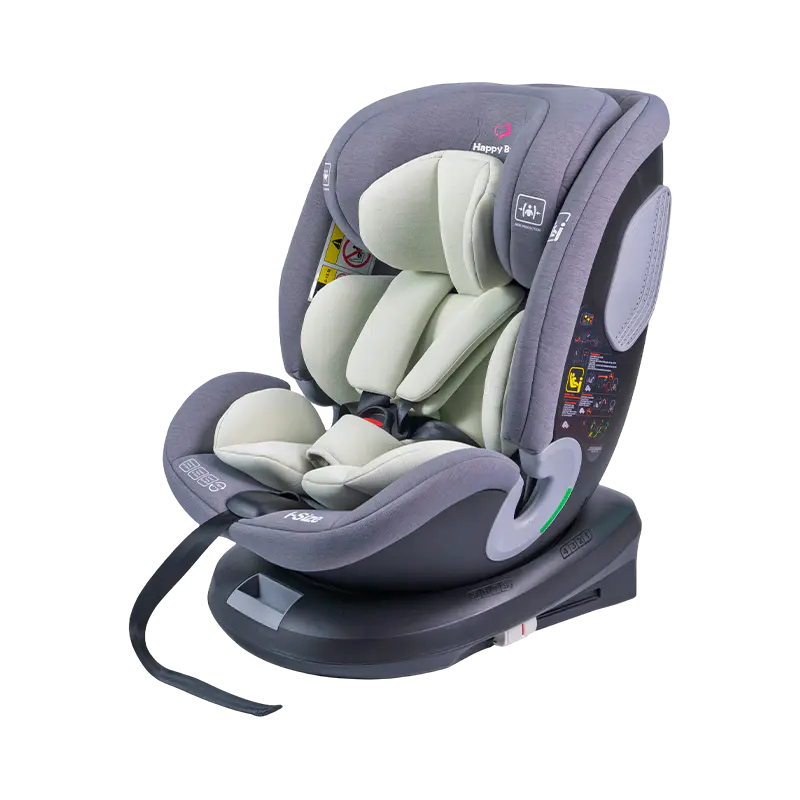
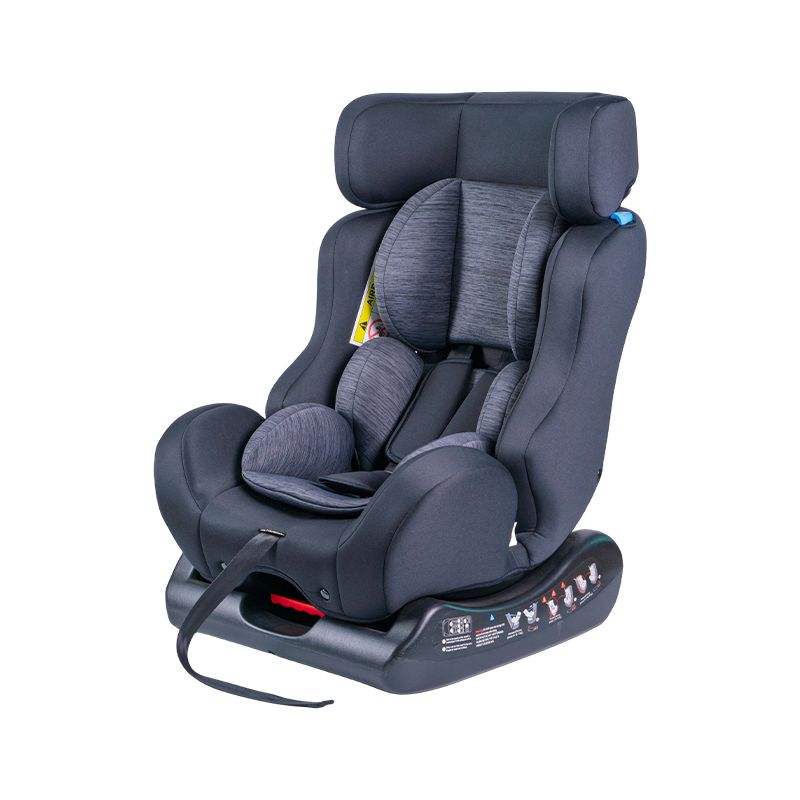

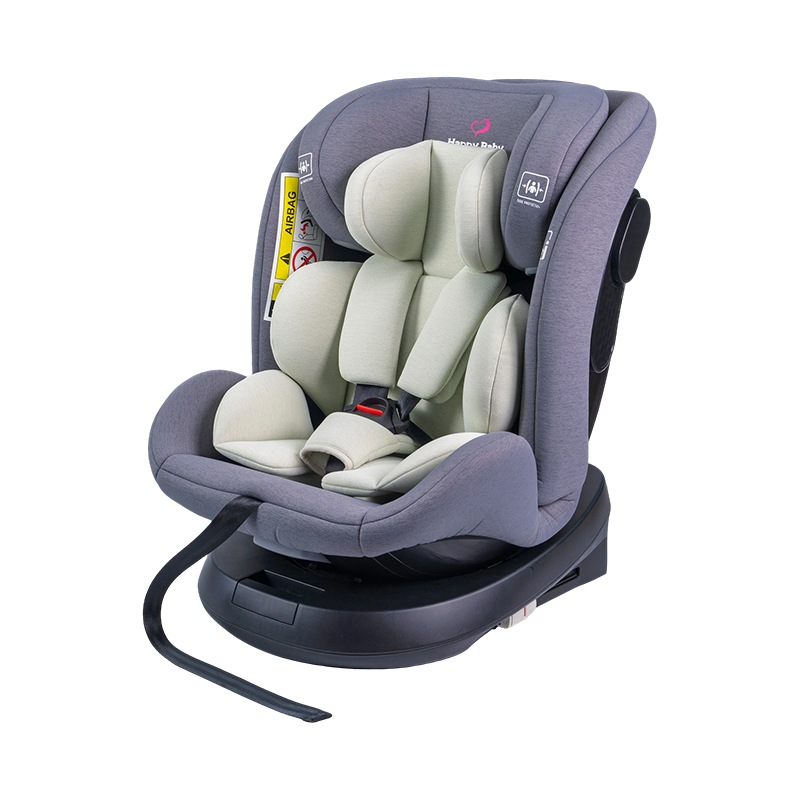

For the safety of babies' travel, we are committed to being a reliable partner for babies and families, and to becoming an expert in children's car safety seats. This is our eternal pursuit.
Contact Us
For exclusive deals and latest offers, sign up by entering your email address below.
CONTACT INFORMATION
-
Address: North of Sitong Road and west of Lianfu Port, Hongqiao Industrial Park, Taixing City, Jiangsu Province
-
Phone: +86 15996087029
-
E-mail: [email protected]
Copyright © JIANGSU HAPPY BABY SAFETY SEAT CO., LTD. All Rights Reserved.
Wholesale Child Travel Safety Seat Factory