
 English
 中文简体
中文简体 Home / News / Industry News / Why is the Adjustable Infant Seat the Top Choice for Child Travel Safety
Industry News
Why is the Adjustable Infant Seat the Top Choice for Child Travel Safety
2026-05-08
Content
In the field of infant travel safety, the security and convenience of an infant car seat remain the core concerns for parents. With advancements in manufacturing processes, a high-quality baby car seat is no longer just a simple carrier but a precision safety instrument integrating material mechanics, ergonomics, and crash protection technology. For families seeking high-standard protection, understanding the core technical parameters and functional modules of an adjustable infant car seat is key to reducing blind purchasing and ensuring travel safety.
Core Protection Mechanisms and Side Impact Protection Systems
The primary function of an infant car seat is to absorb energy during a vehicle collision. Professional-grade baby car seat products commonly use high-density EPS or EPP energy-absorbing foam filling. These materials consume most of the impact force through physical deformation when subjected to stress, thereby protecting the infant's fragile cervical spine and skull.
Furthermore, an adjustable infant car seat is often equipped with multi-stage Side Impact Protection Systems (SIPS). This technology utilizes energy-absorbing devices added to the side wings to effectively mitigate the risk of injury caused by the intrusion of vehicle doors during lateral collisions. In terms of technical parameters, an Adjustable Infant Seat with a multi-layered shell design can improve energy absorption efficiency by approximately 25% compared to single-layer structures.
Ergonomic Advantages of the Adjustable Infant Seat
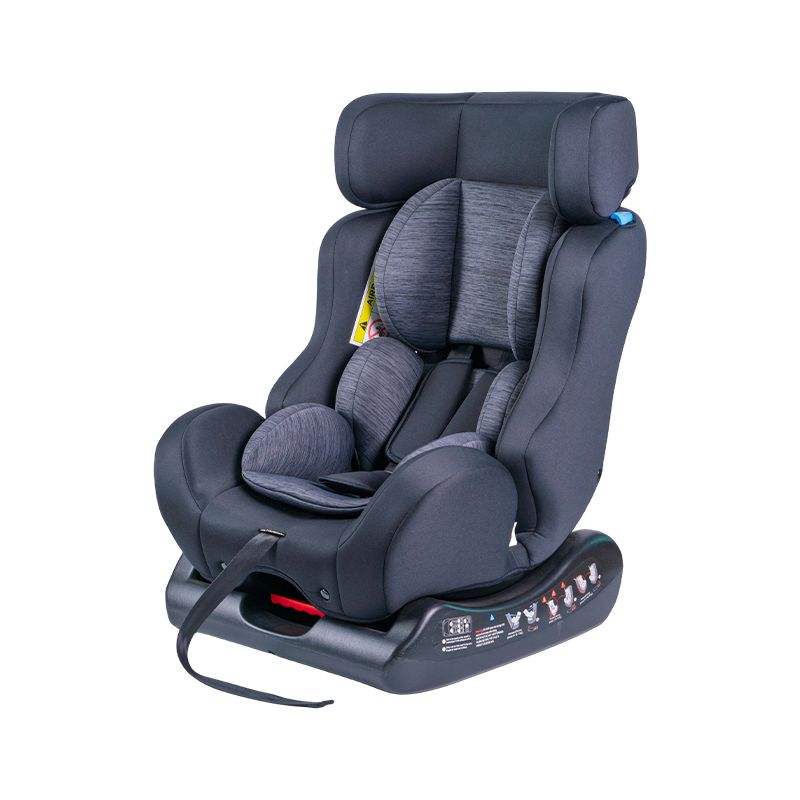
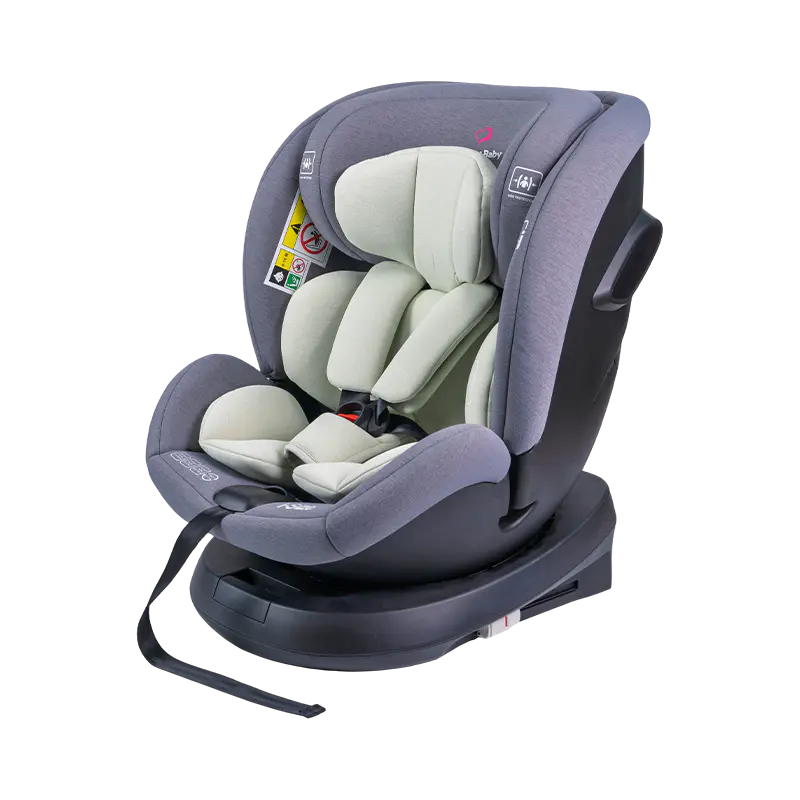
Infants are in a period of rapid skeletal development, making the support of a baby car seat crucial. A highly adaptable adjustable infant car seat typically includes the following adjustable modules:
Headrest and Harness Linkage System: Through one-button adjustment, the height of the headrest and the position of the five-point safety harness change synchronously, ensuring the webbing always stays at or slightly below the baby's shoulders to prevent slipping during emergency braking.
Recline Angle Adjustment: A professional infant car seat must support multiple recline positions. For newborns, a proper tilt angle prevents the head from flopping forward and compressing the airway; as the infant grows, adjusting to a more upright angle provides better back support.
Modular Inlay Design: For infants of different weights, the Adjustable Infant Seat provides removable support cushions to ensure a snug fit from the neonatal stage through the transition phase.
Technical Parameter Comparison Reference
When choosing a baby car seat, horizontal comparison through quantitative parameters is an objective method. The table below lists the core reference data for high-performance infant car seat models across different adjustment dimensions:
| Technical Indicators | Standard Configuration | High-End Adjustable Infant Seat |
| Harness System | Fixed 3-point/5-point | Dynamic Adaptive 5-point (Stepless Adjustment) |
| Recline Angles | 2 - 3 Fixed Positions | 5 - 7 Precision Positions (with Level Indicator) |
| Headrest Height | Manual Plug-in Replacement | 5 - 10 Synchronized Adjustment Positions |
| Energy Absorbing Material | Single Layer EPS | Double/Triple Composite EPP + Memory Foam |
| Installation Method | Seat Belt Only | ISOFIX Rigid Connection + Support Leg/Top Tether |
| Weight Capacity | 0 - 10kg | 0 - 13kg or Higher Compatibility |
Installation Stability and ISOFIX System Application
No matter how powerful an infant car seat is, incorrect installation will result in zero safety performance. Many adjustable infant car seat models utilize standard ISOFIX rigid connectors, which lock the seat directly onto the vehicle chassis through rigid components, greatly reducing displacement caused by loose seat belt fastening.
When installing an Adjustable Infant Seat, emphasis should be placed on checking the base's support leg (Load Leg). The support leg transfers the tipping moment generated by a collision to the vehicle floor, effectively suppressing the forward rotation of the baby car seat and reducing acceleration injury to the infant's head.
Fabric Technology and Breathability
Since the thermoregulation function of infants is not yet fully developed, the fabric technology of an infant car seat also falls within the scope of professional consideration. A high-quality baby car seat uses skin-friendly fabrics certified by OEKO-TEX standards, featuring flame-retardant, hypoallergenic, and highly breathable properties. In the back support area of an adjustable infant car seat, honeycomb-shaped air circulation channels are usually designed. Combined with 3D mesh fabrics, these effectively conduct away excess heat from the back, avoiding rashes and crying caused by overheating, and enhancing comfort during long trips.
Selecting an Adjustable Infant Seat is a systematic project; every detail from materials and structure to installation and maintenance determines the protective effect. By focusing on the aforementioned technical parameters and adjustment flexibility, parents can build a mobile safety cabin for their children that meets both biomechanical requirements and offers high error tolerance.
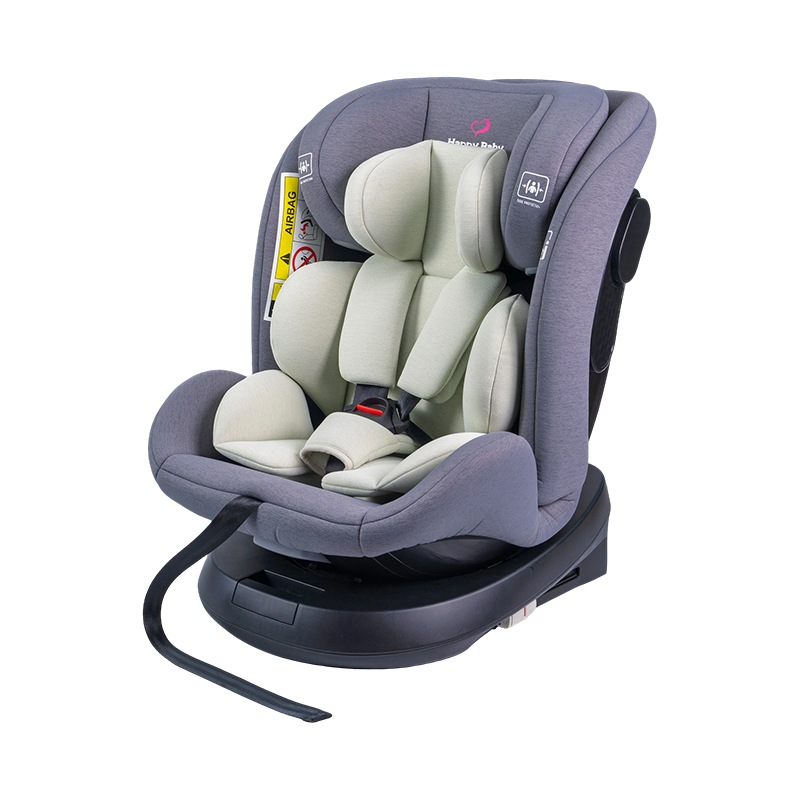
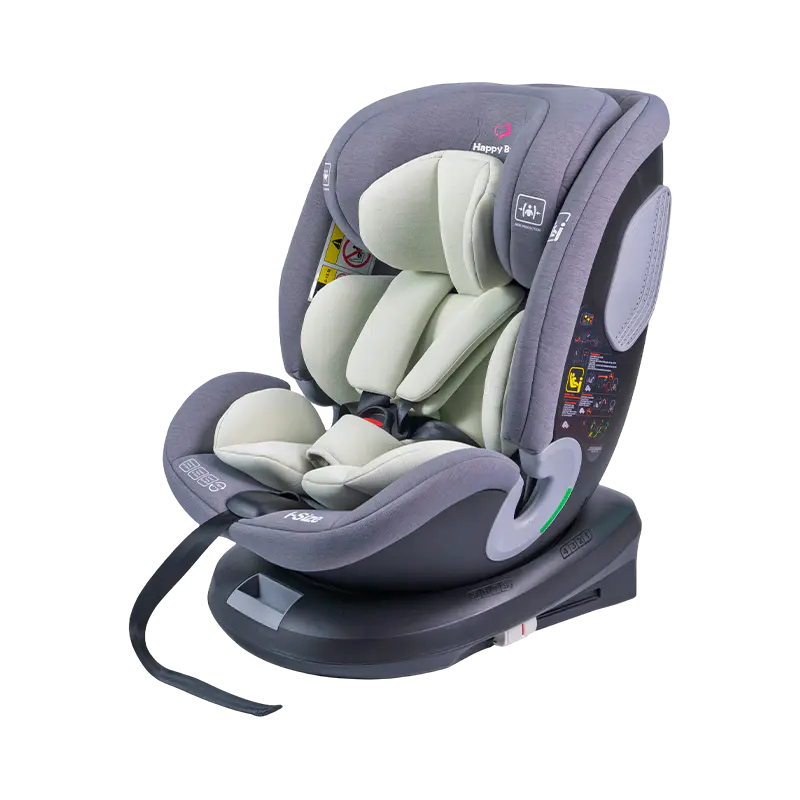
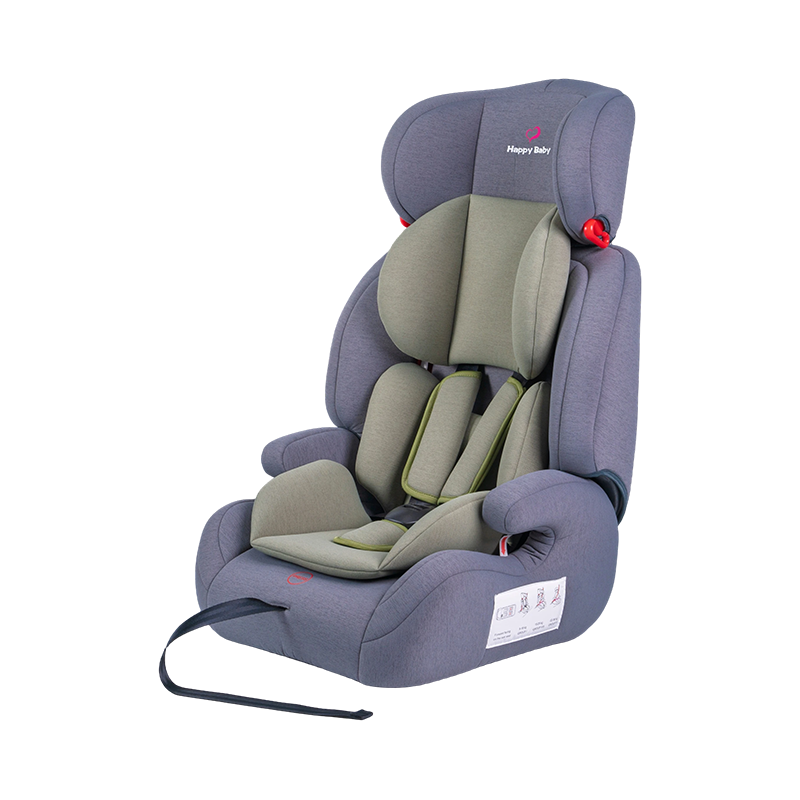
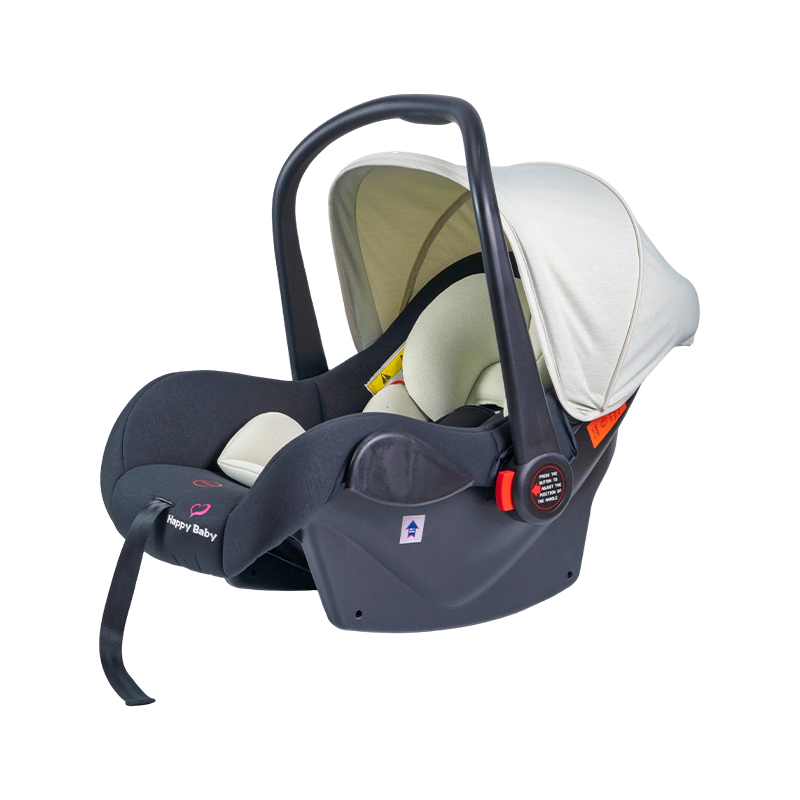

For the safety of babies' travel, we are committed to being a reliable partner for babies and families, and to becoming an expert in children's car safety seats. This is our eternal pursuit.
Contact Us
For exclusive deals and latest offers, sign up by entering your email address below.
CONTACT INFORMATION
-
Address: North of Sitong Road and west of Lianfu Port, Hongqiao Industrial Park, Taixing City, Jiangsu Province
-
Phone: +86 15996087029
-
E-mail: [email protected]
Copyright © JIANGSU HAPPY BABY SAFETY SEAT CO., LTD. All Rights Reserved.
Wholesale Child Travel Safety Seat Factory