
 English
 中文简体
中文简体 Home / News / Industry News / What Are the Key Features to Look for When Buying a Safe Child Travel Seat
Industry News
What Are the Key Features to Look for When Buying a Safe Child Travel Seat
2026-06-26
Content
In the process of family travel, ensuring the safety of children remains the top priority. With the improvement of traffic regulations and the enhancement of traffic safety awareness, correctly choosing and using a Child Safety Seat has become a compulsory course for every parent. For families who often need to travel across regions or drive long distances, a high-performance and highly adaptable Travel Safety Seat not only provides necessary physical protection but also significantly improves the comfort of long-distance travel.
Core Safety Design Principles of a Child Safety Seat
A qualified Child Safety Seat must possess a rigorous mechanical structure. Its design core lies in the energy absorption and restraint system. When a vehicle undergoes emergency braking or a collision, the shell material of the seat usually adopts high-strength injection molding technology, which can undergo controlled deformation at the moment of impact to absorb most of the kinetic energy, thereby reducing direct impact on the child's torso.
In addition, the five-point harness system is the most critical protective configuration of a Child Safety Seat. Unlike adult three-point seat belts, the five-point design distributes the immense inertial force to the load-bearing skeletal areas of the human body (shoulders and pelvis) through five anchor points: two shoulders, two hips, and one crotch. This effectively prevents the impact force from concentrating on the soft abdomen, thereby significantly reducing the risk of internal organ damage.
Portability and Installation Adaptability of a Travel Safety Seat
When choosing a Travel Safety Seat, besides basic protection capabilities, the ease of installation and system adaptability are key factors determining the travel experience. Professional portable safety seats usually adopt ISOFIX or LATCH interface systems. These international standard interfaces not only ensure a rigid connection between the seat and the vehicle frame but also minimize installation error rates.
For scenarios requiring frequent changes of vehicles or switching between different cars, the lightweight design and multi-angle adjustment functions of a Travel Safety Seat are particularly important. Excellent seats should possess the following parameter characteristics:
| Technical Parameters | High Performance Standard | Basic Requirements |
| Shell Material | Expanded Polypropylene (EPP) | High Quality Engineering Plastic |
| Side Protection Depth | Above 150mm | 100mm |
| Restraint System | ISOFIX Rigid Interface | Three-point Seat Belt Fixing |
| Adjustment Positions | 5 Reclining Angles | 3 Reclining Angles |
| Fabric Breathability | 3D Mesh Textile | Standard Polyester Fiber |
Precautions for Correct Installation and Maintenance
Owning a high-quality Child Safety Seat is only the first step; correct installation and daily maintenance are the prerequisites for ensuring safety. Many parents, when using a Travel Safety Seat, often neglect the adjustment of the seat's reclining angle. For children of different age groups, the seat's elevation angle setting should follow ergonomic principles: for infants, a reclining angle closer to flat should be used to protect spinal development; as the child grows in height and weight, the seat angle should be gradually adjusted to a more upright position.
Furthermore, regular inspection of the seat's connection firmness is crucial. At regular driving intervals, one should check whether the ISOFIX locking indicator is green and confirm that the seat belt webbing is not twisted or worn. At the same time, the seat fabric should be cleaned regularly to ensure the air vents are not obstructed, maintaining a good cockpit environment.
Frequently Asked Questions
What is the service life of a Child Safety Seat?
Usually, the service life of the plastic parts of a seat is 5-8 years, depending on the degree of material aging and frequency of use.
Why does a Travel Safety Seat need side protection design?
Side impacts are one of the main causes of casualties among children. An thickened side protection system can effectively block side intruders and protect the child's head and neck safety.
What details should be paid attention to during installation?
Ensure that the seat belt passes through the guide slot completely flat without any twisting, and the chest buckle should be positioned at the same level as the child's armpits.
Why is it not recommended to let children wear thick coats while using the seat in winter?
Thick clothing creates excessive displacement space. When a collision occurs, the seat belt cannot fit the body closely, thereby losing its protective effect.
What kind of Travel Safety Seat is suitable for long-distance travel?
It is recommended to choose a seat equipped with adjustable headrest height and multi-level reclining functions to adapt to the different needs of children in sleeping and awake states.
Is the ISOFIX interface fully compatible with all vehicles?
The vast majority of modern vehicles are equipped with ISOFIX interfaces as standard, but it is recommended to check the manual for instructions regarding safety seat installation positions before purchase.
How to judge whether a child can switch to a vehicle-mounted seat belt?
When the child's height and weight exceed the upper limit of the seat, and they can keep their back firmly against the seat back with knees naturally bent and feet flat on the ground, transitioning can be considered.
Can the seat continue to be used after a collision?
Absolutely not. Even if structural damage cannot be observed with the naked eye, the micro-cracks generated by the impact will destroy its mechanical performance.
How to maintain the fabric of a Travel Safety Seat?
It is recommended to use mild soapy water for partial wiping, avoiding strong bleaching agents, to maintain the performance of flame-retardant materials.
Why is the seat always shaking?
Shaking is usually caused by the installation interface not being fully locked. Please re-check whether the ISOFIX hooks or the seat belt tensioning device are in a tensioned state.
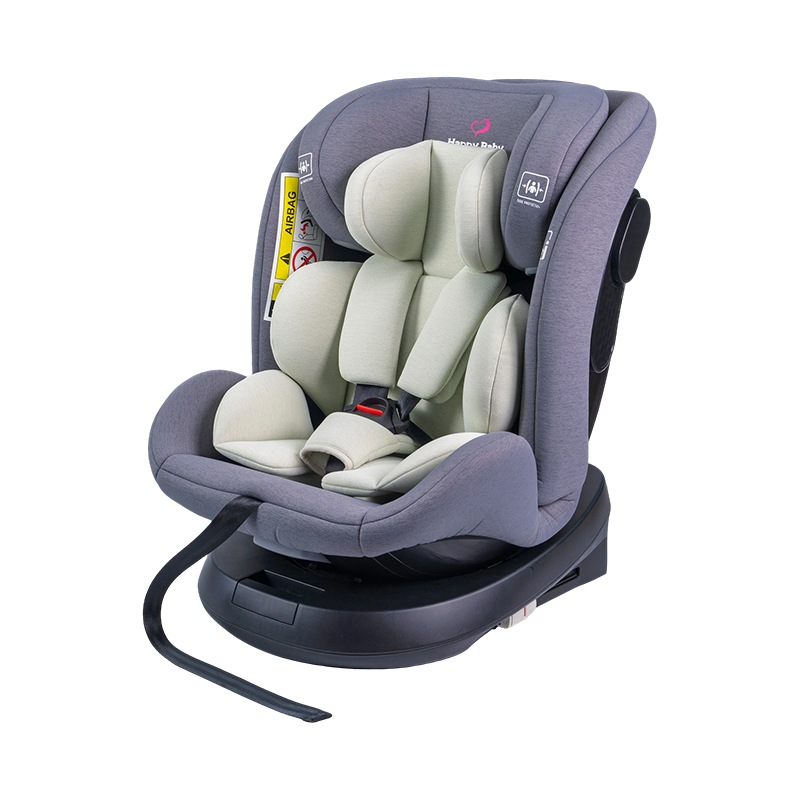
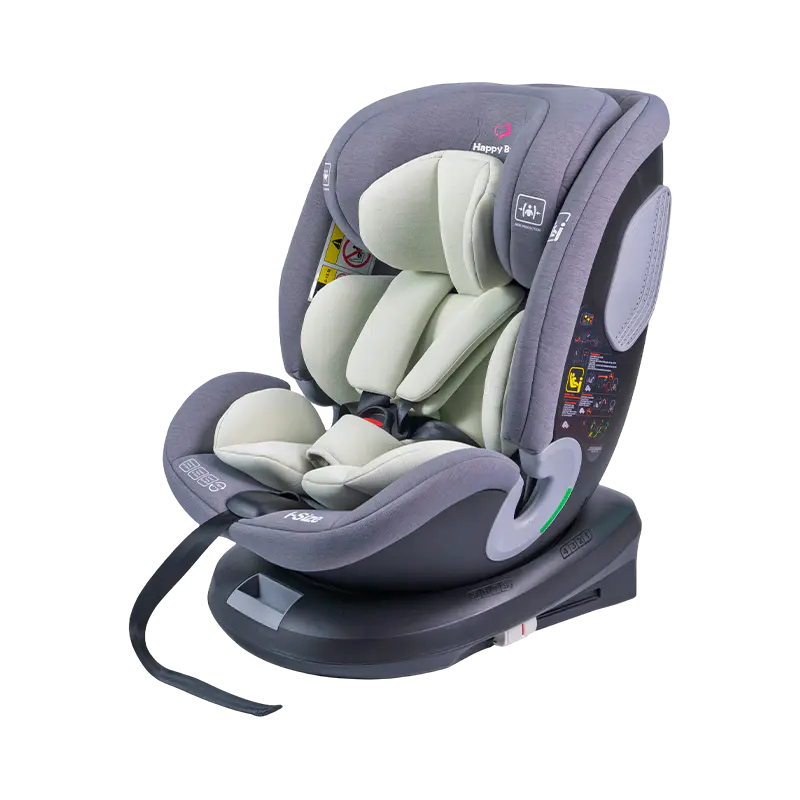
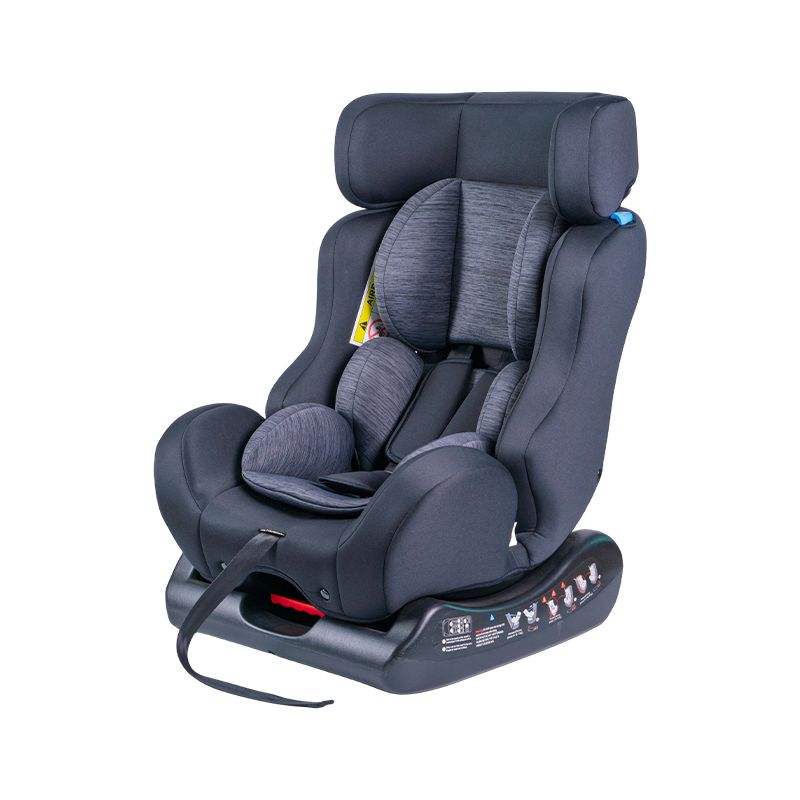
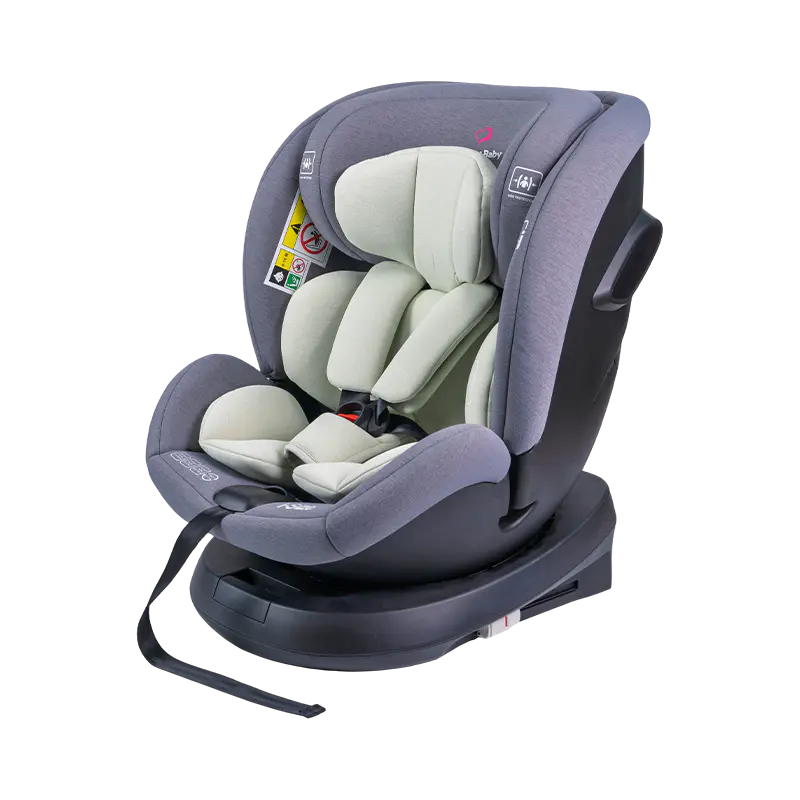
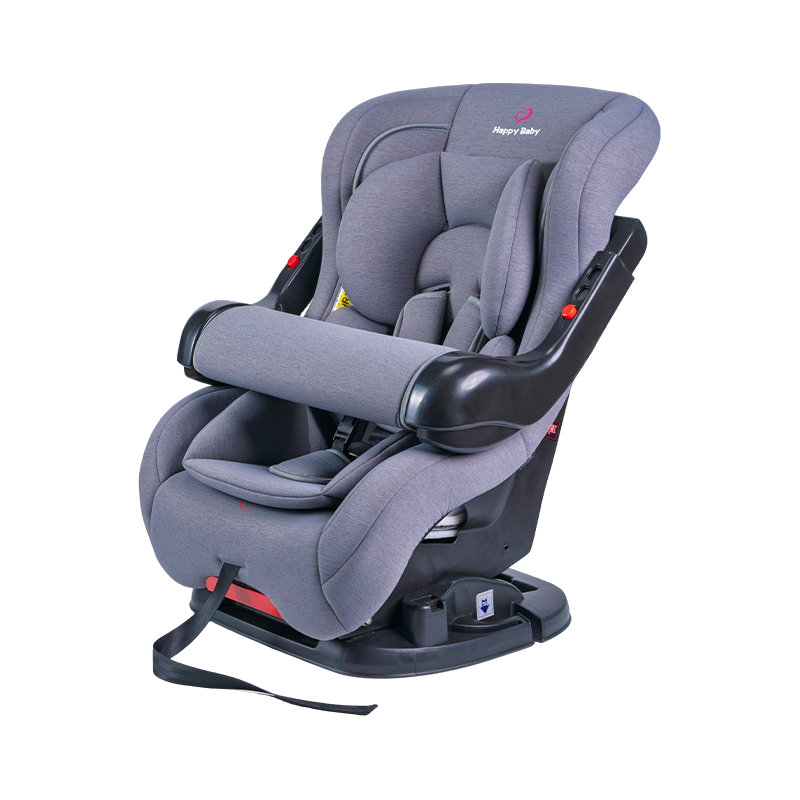
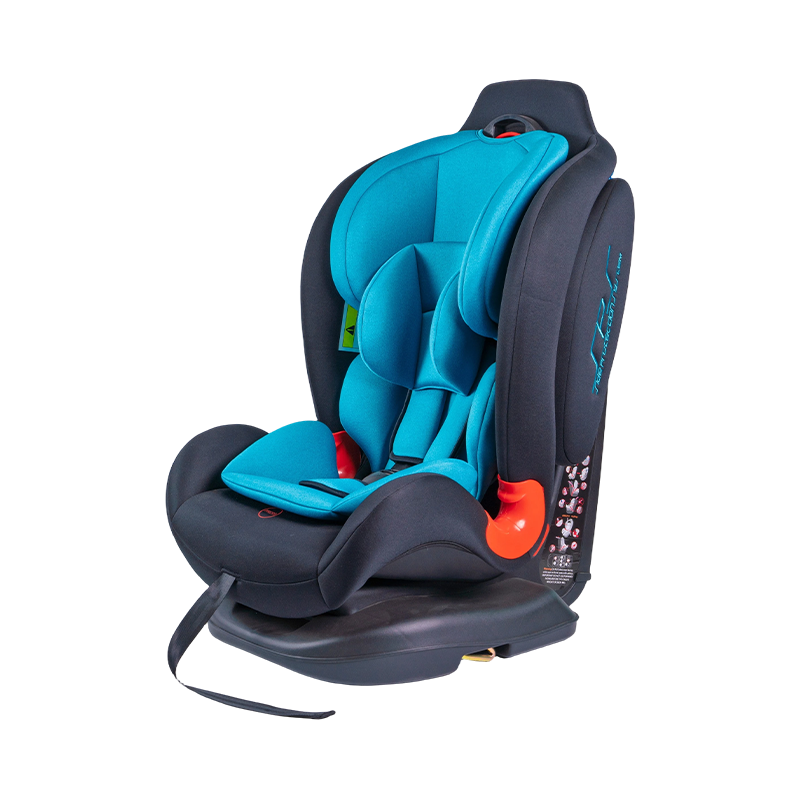

For the safety of babies' travel, we are committed to being a reliable partner for babies and families, and to becoming an expert in children's car safety seats. This is our eternal pursuit.
Contact Us
For exclusive deals and latest offers, sign up by entering your email address below.
CONTACT INFORMATION
-
Address: North of Sitong Road and west of Lianfu Port, Hongqiao Industrial Park, Taixing City, Jiangsu Province
-
Phone: +86 15996087029
-
E-mail: [email protected]
Copyright © JIANGSU HAPPY BABY SAFETY SEAT CO., LTD. All Rights Reserved.
Wholesale Child Travel Safety Seat Factory