
 English
 中文简体
中文简体

Industry News
What Are the Key Differences Between R44 Car Seats and R129 Standards
2026-05-22
Content
In the field of child safety protection, the certification standard of car seats directly determines the protective performance and structural strength of the product. Among the mainstream certification regulatory systems in the global market, R44 (the United Nations ECE R44/04 standard) and the newer R129 (i-Size standard) coexist, serving as the core basis for measuring car seat compliance. Although the new regulation has upgraded the testing dimensions, child car seats complying with the R44 standard still occupy a pivotal technical position in major testing institutions and practical applications by virtue of their mature structural design, wide vehicle adaptability, and precise weight grouping system.
Core Technical Framework and Grouping Logic of the R44 Standard
The core logic of the R44 regulation is based on a sophisticated classification system rooted in "child weight." This classification method ensures that the structural frame, seat belt restraint system, and high-density energy-absorbing materials (such as EPS/EPFS) of the car seat match the bone endurance of children during specific growth cycles.
According to the specifications of the R44 regulation, car seats are strictly divided into the following five core mass groups:
Group 0: Applicable to infants weighing 0 to 10 kg, usually adopting an infant carrier structure, with rearward-facing installation mandatory to protect the fragile cervical spine of infants.
Group 0+: The applicable weight is extended to 0 to 13 kg, prolonging the usage cycle of rearward-facing installation and enhancing the wrapping support of the head and neck.
Group 1: Applicable to toddlers weighing 9 to 18 kg, where the seat frame is mostly manufactured using one-piece molding processes, featuring a built-in five-point harness system capable of withstanding higher-intensity crash impacts.
Group 2: Applicable to children weighing 15 to 25 kg, a stage where child body development becomes more mature, gradually transitioning to using the vehicle's three-point seat belt combined with seat belt guide slots for fixation.
Group 3: Applicable to older children weighing 22 to 36 kg, mainly utilizing booster seats or high-back booster seats to optimize the force path of the vehicle seat belt, ensuring a precise fit across the child's shoulder and pelvis.
This rigid grouping based on physical mass allows engineering technicians to optimize the structural force distribution to the extreme when designing products, avoiding the risk of restraint failure caused by non-proportional growth of height and weight.
Key Technical Parameter Comparison Between R44 and R129 Regulations
To provide a more intuitive understanding of the differences in engineering design and test parameters between the two standards, the core technical indicators are systematically listed below:
| Technical Parameter Dimension | ECE R44/04 Regulatory Standard (R44) | ECE R129 Regulatory Standard (i-Size) |
| Classification Basis | Strictly based on child weight (kg) as the sole classification standard | Primarily based on child height (cm), while limiting maximum weight |
| Crash Test Dimensions | Mandatory execution of frontal impact and rear impact testing | Mandatory execution of frontal, rear, and side impact testing |
| Test Dummy Technology | Adopts P-series dummies (built-in 4 monitoring sensors) | Adopts high-simulation Q-series dummies (built-in up to 32 sensors) |
| Rearward-Facing Restriction | Forward-facing installation can be switched once the child's weight reaches 9 kg or more | Children must be at least 15 months old and 76 cm tall before facing forward |
| Vehicle Fixation Method | Supports vehicle three-point seat belt fixation, or ISOFIX rigid interfaces | Mandatory use of the ISOFIX system, and must be equipped with a support leg or top tether |
How R44 Car Seats Resolve Core Pain Points in Actual Use
In actual vehicle scenarios, the installation stability of the car seat and the riding comfort of the child often experience conflict. High-quality seats conforming to the R44 standard effectively solve the core pain points of car owners through multiple engineering improvements in design.
Solving Vehicle Compatibility Pain Points
Many vehicles are not equipped with dedicated ISOFIX anchorage points, or the middle seat of the second row often lacks rigid interfaces. The Universal certification of the R44 standard allows the seat to be fixed directly using the vehicle's built-in three-point seat belt. Through the built-in dedicated seat belt tensioning lock-off device (Lock-off Device), the vehicle seat belt can be firmly locked to the seat base. Even without an ISOFIX interface, extreme stability with a lateral displacement of less than 1 millimeter can be achieved.
Solving the Pain Point of Premature Outgrowth in Heavy-Weight Children
Some children exhibit obvious weight advantages at a young age. If height classification is applied, it may cause the child's weight to exceed the load limit of the seat's plastic shell and five-point buckle. The R44 regulation takes weight as the primary criterion, requiring extreme tensile testing of load-bearing structural parts, inner liners, and metal buckles during design (usually requiring more than 10,000 fatigue cycles and high-G instantaneous tensile testing). This ensures that even for large, robust children, the overall architecture of the seat remains intact under strong impact, without plastic deformation or fracture.
Improving the Balance Between Energy Absorption and Heat Dissipation During Long Trips
To reduce bounce rates during travel and improve children's endurance while sitting, the selection of materials for professional seats complying with the R44 standard is extremely precise. The core energy-absorbing layer mostly utilizes aviation-grade shock-absorbing materials. When a collision occurs, through the collapse of micro-pores inside the material, more than 60% of the impact force can be absorbed within milliseconds. At the same time, the fabric layer uses non-toxic, flame-retardant 3D fly-knitted honeycomb breathable fabric, combined with the air guide groove design at the bottom of the base, which can quickly export the heat accumulated on the child's back, fundamentally solving the problem of children refusing to ride due to stuffiness and crying.
Engineering Specifications for Correct Installation and Compliance Inspection
Regardless of how excellent the protective parameters of the seat itself are, standardized installation is a prerequisite for activating its protective performance. When installing a seat that complies with the R44 standard, the following technical specifications must be strictly followed:
First, the orange certification label (E-mark) on the back or side of the seat must be carefully inspected to ensure it bears the words ECE R44/04. "Universal" on the label stands for universal type, meaning that the seat can be used in the vast majority of vehicles equipped with three-point seat belts.
Second, for Group 0/0+ convertible seats, before the child's weight reaches the rigid standard of 9 kg, it is strictly prohibited to adjust the seat to forward-facing installation. When installing rearward-facing, the front passenger airbag must be deactivated (if installed in the front passenger position), because the instantaneous impact force of the airbag deployment is enough to cause severe secondary damage to an incompletely developed infant.
Finally, when constraining a child with a five-point harness, the "one-finger tightness" rule should be implemented—that is, the gap between the harness and the child's chest should just accommodate one finger. If it is too loose, the child's body will undergo excessive forward displacement during a high-deceleration collision, leading to violent squeezing between the torso and the harness; if it is too tight, it will compress the chest cavity and reduce riding comfort.
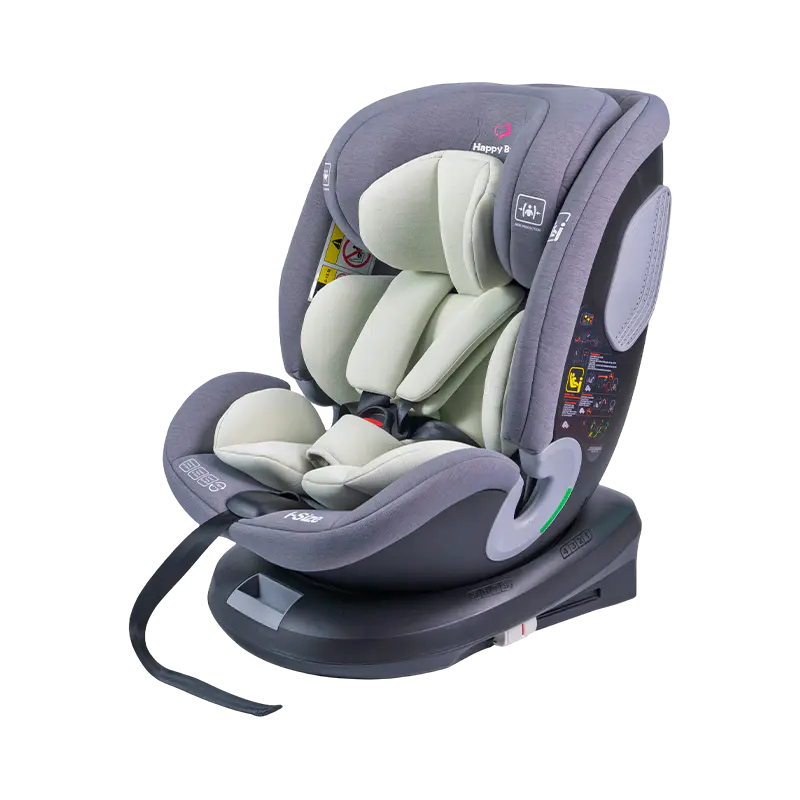
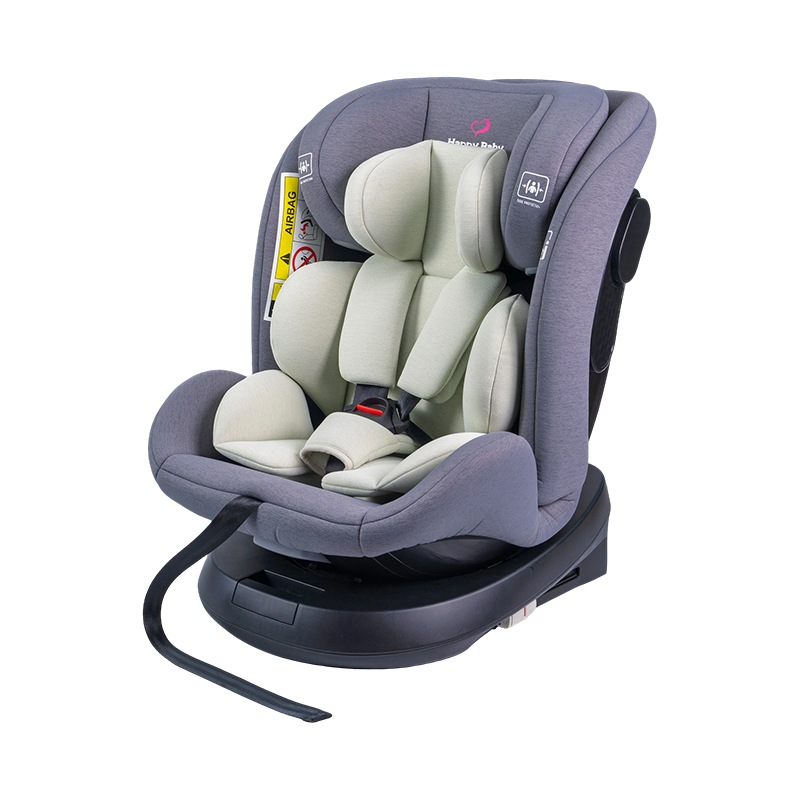
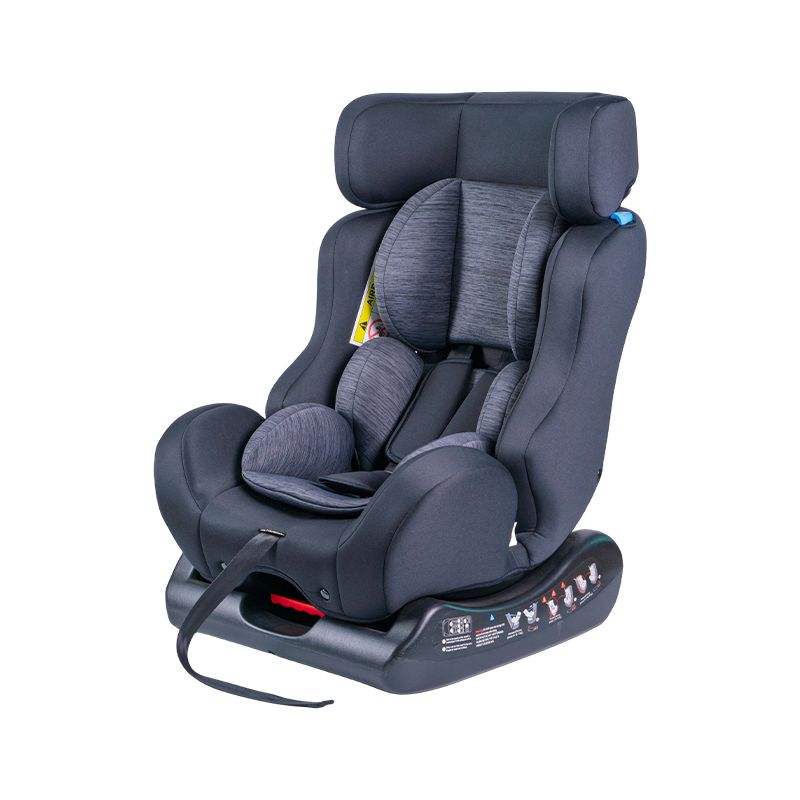
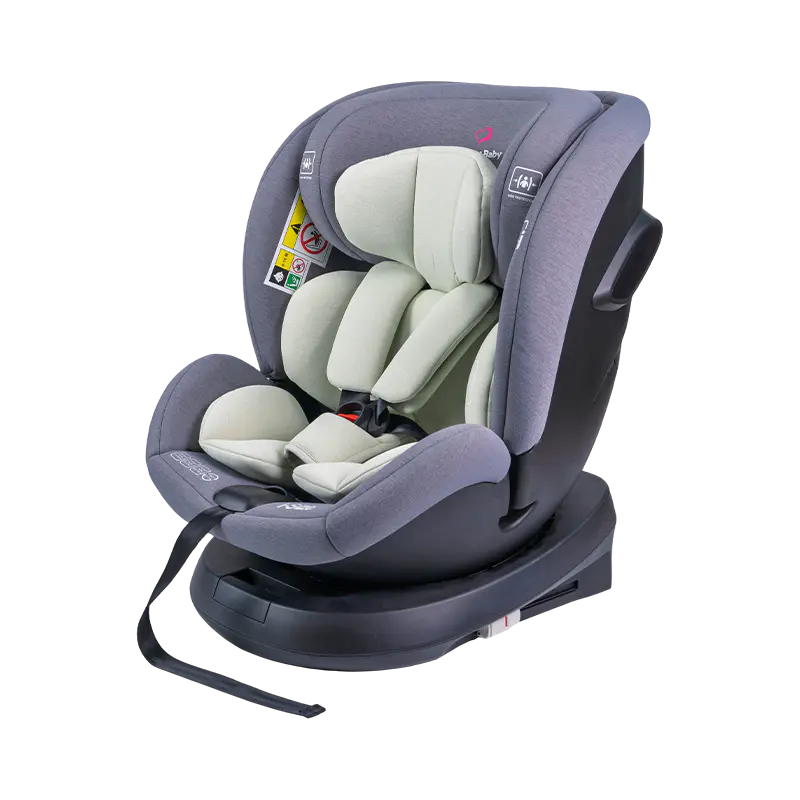
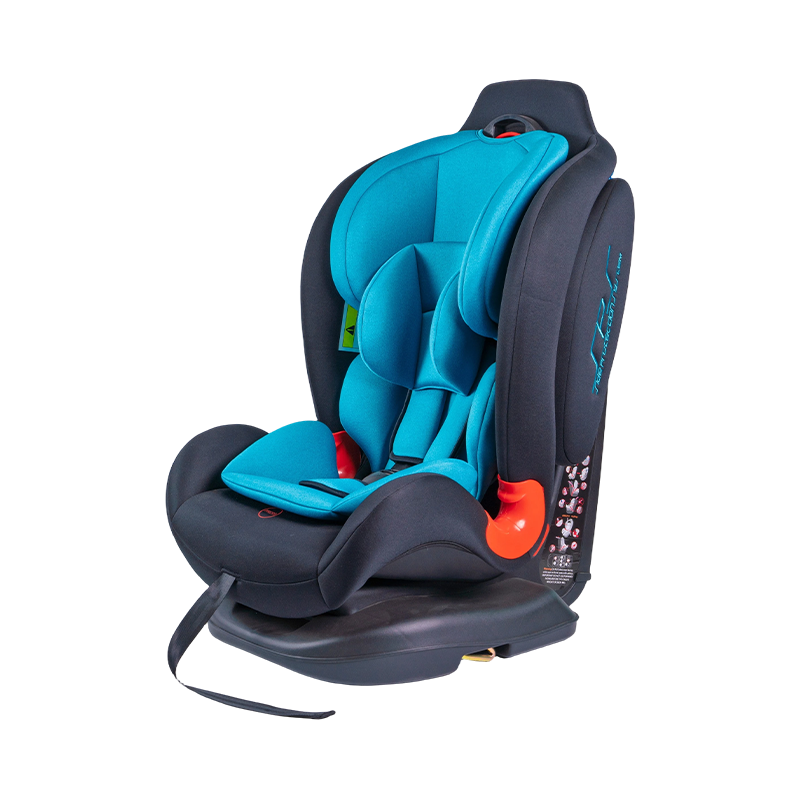
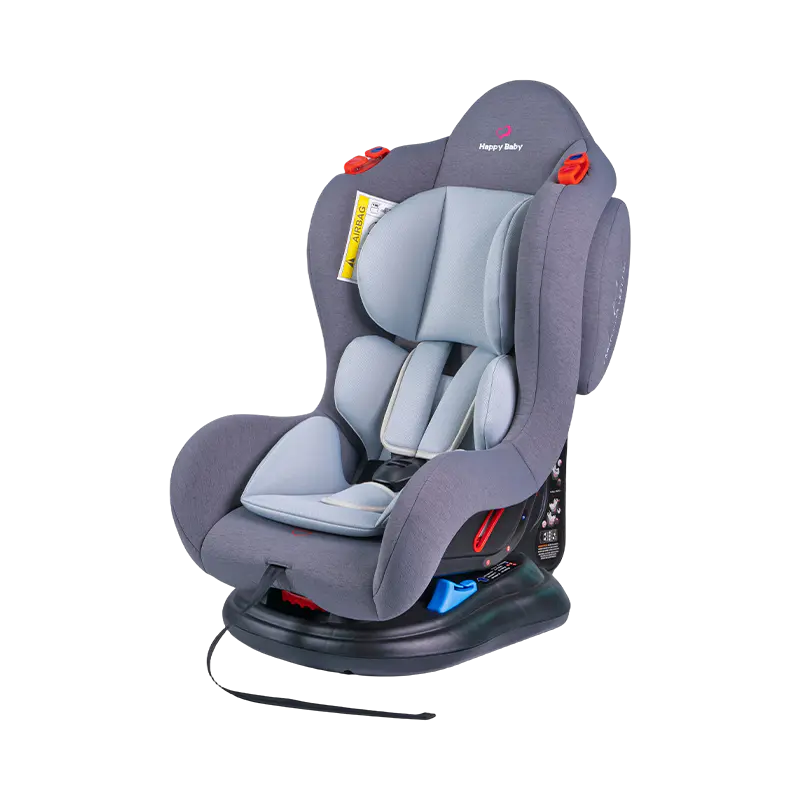

For the safety of babies' travel, we are committed to being a reliable partner for babies and families, and to becoming an expert in children's car safety seats. This is our eternal pursuit.
Contact Us
For exclusive deals and latest offers, sign up by entering your email address below.
CONTACT INFORMATION
-
Address: North of Sitong Road and west of Lianfu Port, Hongqiao Industrial Park, Taixing City, Jiangsu Province
-
Phone: +86 15996087029
-
E-mail: [email protected]
Copyright © JIANGSU HAPPY BABY SAFETY SEAT CO., LTD. All Rights Reserved.
Wholesale Child Travel Safety Seat Factory