
 English
 中文简体
中文简体

Industry News
Why Is the ece r129 Standard Essential for Choosing Safe Car Seats
2026-06-19
Content
In the field of child passenger safety, the iterative update of regulations directly drives the comprehensive upgrade of product technology and safety performance. As a highly authoritative and strict vehicle child safety seat safety standard globally, ece r129 (also known as the i-Size standard) has gradually replaced the older ECE R44 standard. For manufacturers pursuing high safety coefficients and high-quality manufacturing, as well as consumers concerned about child travel safety, a deep understanding of the technical core of r129 car seats is the key to evaluating product protection performance.
What is the ece r129 Certification Standard?
ece r129 is a new generation of child safety seat admission regulations introduced by the United Nations Economic Commission for Europe (UNECE). Compared with the ECE R44 regulation used for decades, this standard not only changes the classification logic of child safety seats, but also puts forward higher industrial manufacturing requirements in biomechanical testing, collision protection dimensions, and anti-misinstallation design. Products certified as ece r129 car seats mean that their structural strength, material energy absorption efficiency, and crash mechanics performance have reached current international leading levels.
Core Technical Upgrades of the ece r129 Specification
Shift from Weight Classification to Height Classification
In the old regulations, car seats were grouped according to the child's weight, which often led to some children who were taller but did not meet the weight standard, or who exceeded the weight but had immature skeletal development, switching seats too early. car seat r129 completely abolishes the complex weight grouping and relies entirely on the child's height (cm) as the primary basis for classification. This classification method is not only more in line with the ergonomic development laws of children, but also allows parents to be more intuitive and precise when choosing r129 compliant car seats, significantly reducing safety hazards caused by mismatched seat sizes.
Mandatory Introduction of Side-Impact Testing
Statistical data shows that side collisions are the second leading cause of serious injuries to children riding in vehicles. The old standard had no mandatory testing requirements for side impacts. ece r129 mandates that all inspected seats must pass high-speed side impact tests. By adding deeper, thicker high-density energy-absorbing materials (such as EPS/EPDM reinforced layers) or external side impact protection blocks to the seat wings, it ensures that the impact force acting on the child's head, neck, and chest is effectively mitigated during lateral displacement and extrusion.
High-Precision Q-Series Sensor Dummy Testing
In crash simulation experiments, the new regulation uses more advanced Q-series intelligent dummies instead of the old P-series dummies. The Q-series dummy has up to 32 precise sensors (the old dummy had only 4 to 6), which can monitor the acceleration and dynamic load borne by the infant's bones, internal organs, and central nervous system at the moment of collision with extreme sensitivity. This forces the product R&D of R129 Car Seat to invest heavily in shock-absorbing damping materials and frame rigidity.
Mandatory Extension of Rearward-Facing Installation Time
Infants have a large head weight ratio, and their neck muscles and ligaments are not yet fully developed. Forward-facing installation causes the head to lurch forward violently during a head-on collision, which can easily cause severe cervical spine injuries. The new regulation strictly requires that children must use the reverse (rearward-facing) installation mode before they reach 15 months of age and 76 cm in height. Rearward-facing installation can use the seat back to support and disperse the impact force over a large area, protecting the fragile spine.
Key Performance Parameters Comparison Between ece r129 and ECE R44
To clearly demonstrate the upgrade scale of this industry standard, the core testing indicators and technical parameters of the two are objectively compared below:
| Testing/Technical Indicator | Old ECE R44/04 Standard | New ece r129 Standard |
| Classification Basis | Based on child weight (Kg) | Based on child height (cm) |
| Side-Impact Testing | No mandatory requirement, not included in routine assessment | Mandatory requirement, including head and chest mechanics parameter testing |
| Crash Test Dummy | P-series dummy (very few sensors, mainly simulating trajectory) | Q-series advanced dummy (includes up to 32 mechanics sensors) |
| Mandatory Rearward-Facing Period | Forward-facing installation allowed at 9 Kg (approx. 9 months) | Must be over 15 months and meet 76 cm height |
| Fixing Connection Method | Supports vehicle three-point seat belt or ISOFIX connection | Encourages and prioritizes ISOFIX rigid connection to reduce misinstallation rates |
| Vehicle Compatibility Test | Requires checking specific vehicle adaptation lists | Seats with the i-Size logo can seamlessly fit all i-Size vehicle seats |
Technical Value of Ensuring Product Compliance
High standards mean strict requirements. Producing products that comply with r129 compliant car seats requires manufacturing enterprises to possess high professional skills in the supply chain, mold precision, and injection molding processes. The plastic shell of the seat needs to use virgin PP/ABS engineering plastics with strong impact resistance and good low-temperature flexibility; the internal energy-absorbing structure needs to achieve mechanical shunt through scientific honeycomb or one-piece molded high-density foam.
For enterprises wishing to stand out in the industry through high technical barriers, perfectly meeting the various hard parameter indicators of ece r129 can not only directly enhance the market competitiveness of products, but also fundamentally eliminate safety hazards caused by installation errors (such as traditional seat belt binding looseness). Through powerful hard-core protection strength, a zero-error, high-guaranteed vehicle travel environment is truly realized.
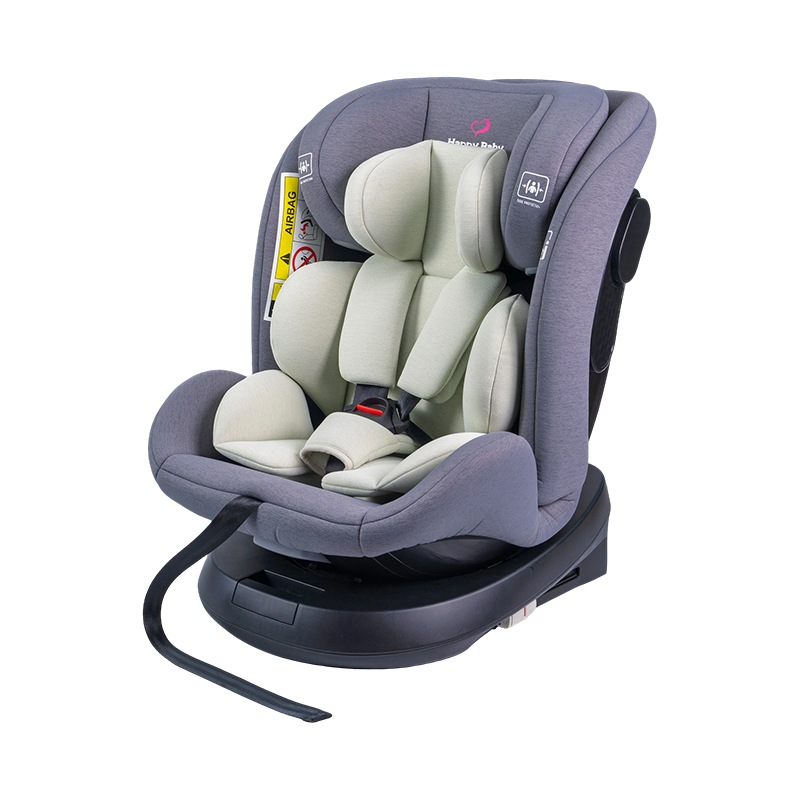
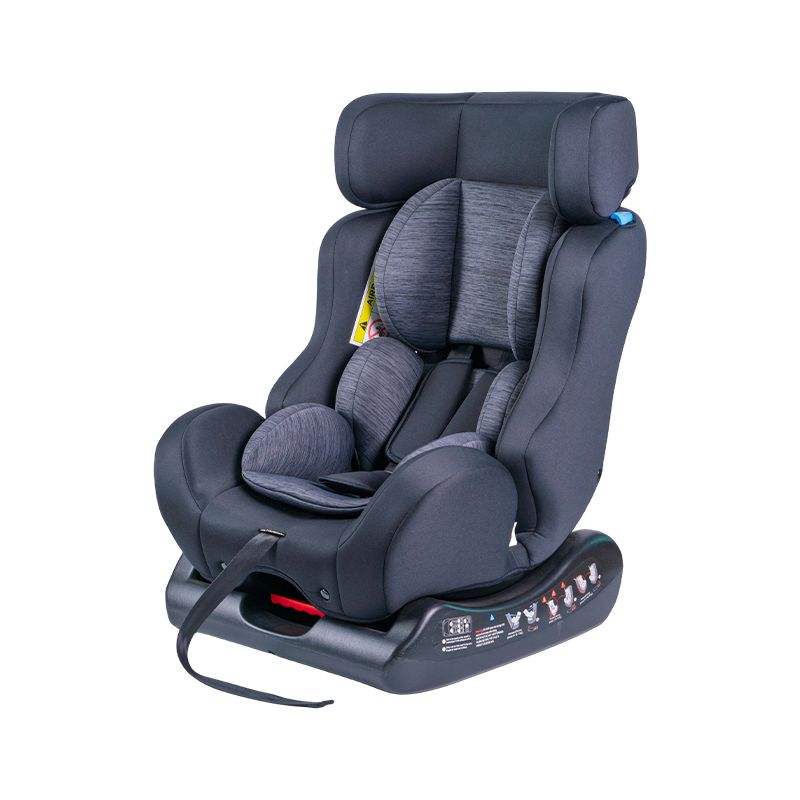
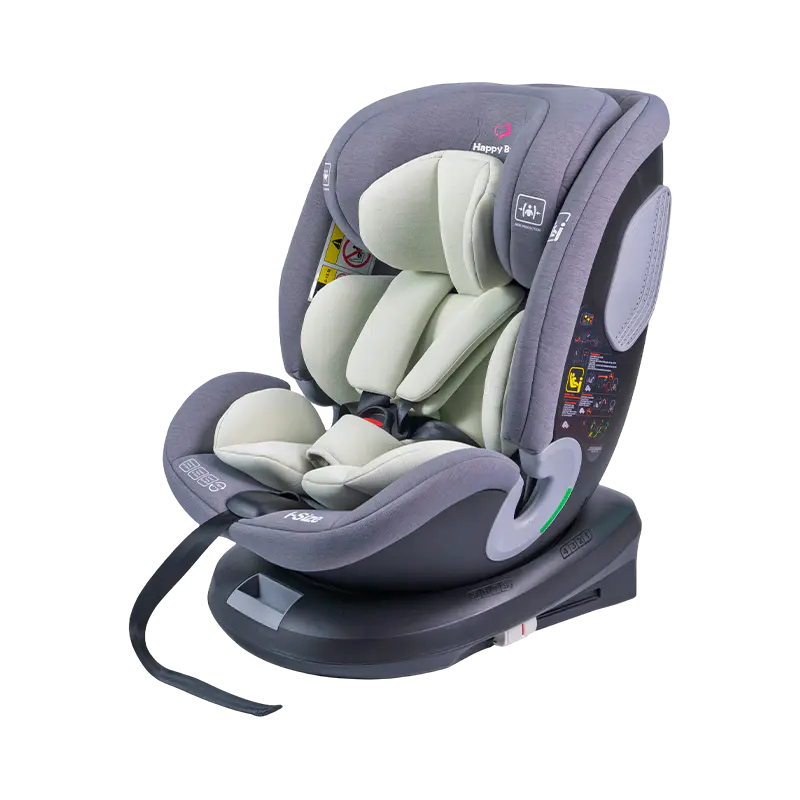
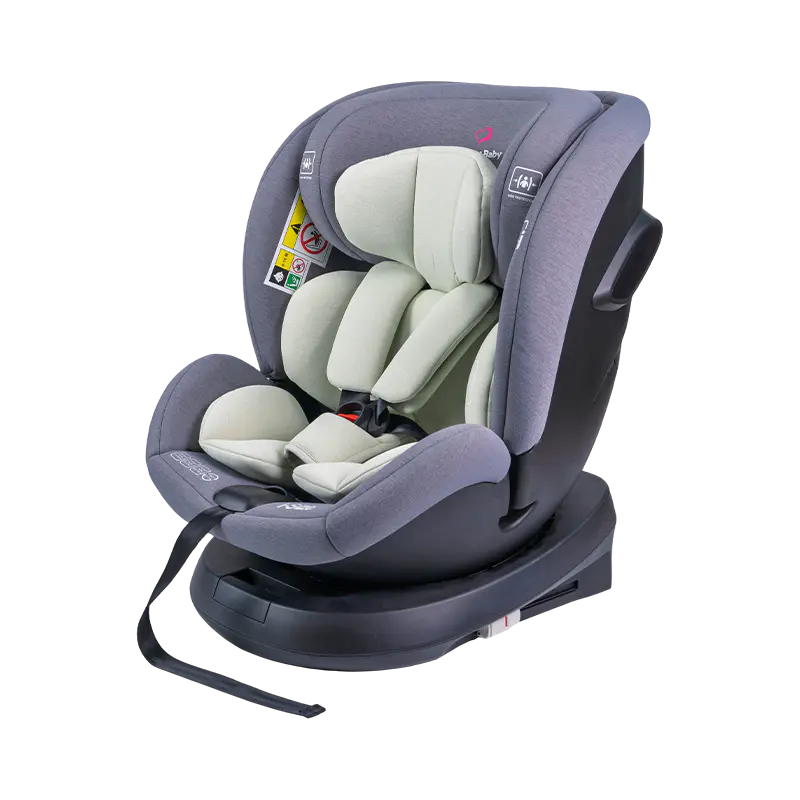
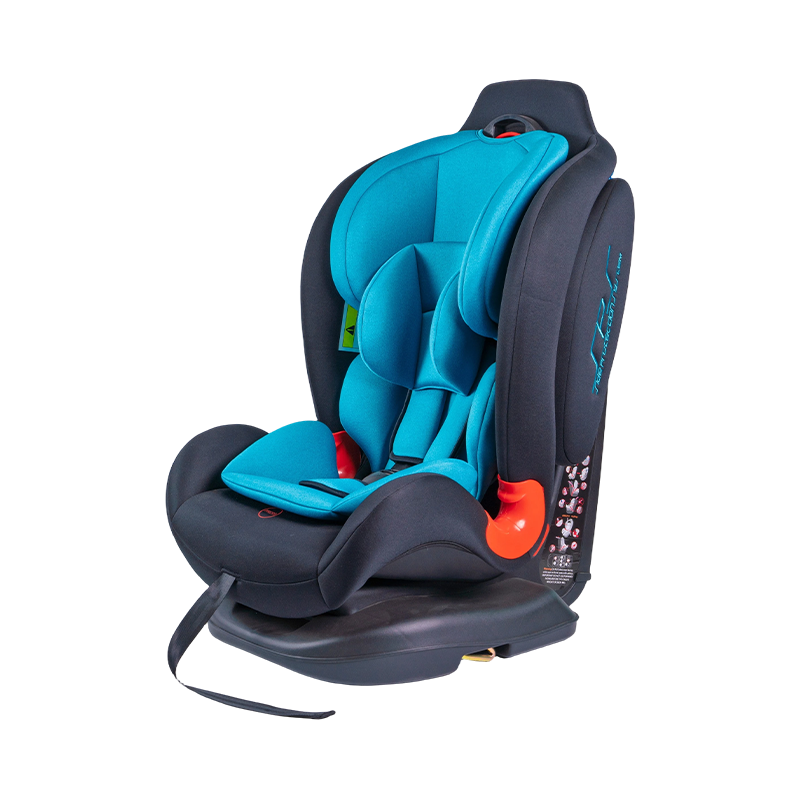
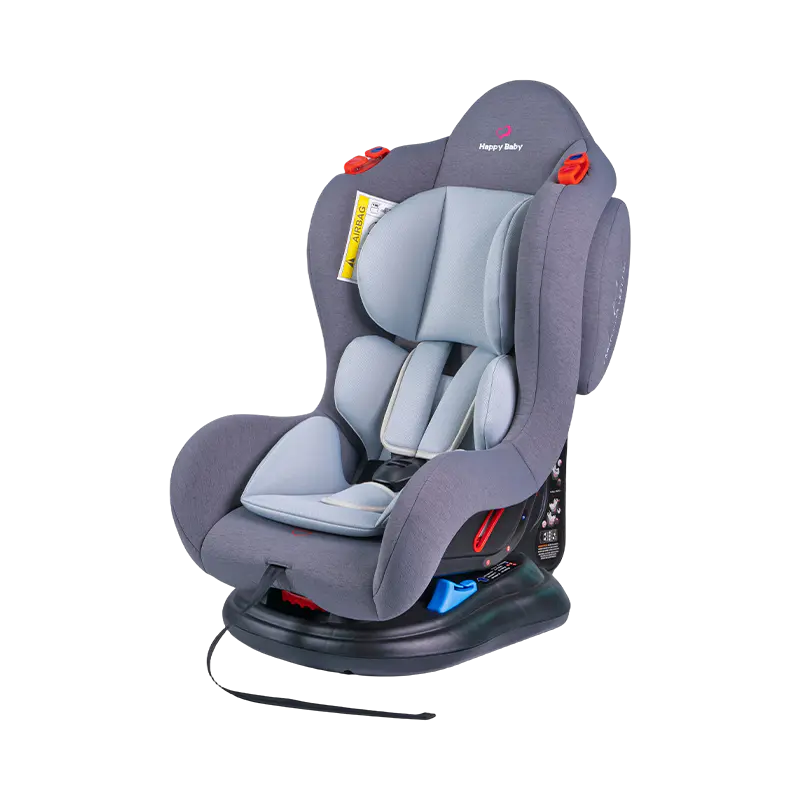

For the safety of babies' travel, we are committed to being a reliable partner for babies and families, and to becoming an expert in children's car safety seats. This is our eternal pursuit.
Contact Us
For exclusive deals and latest offers, sign up by entering your email address below.
CONTACT INFORMATION
-
Address: North of Sitong Road and west of Lianfu Port, Hongqiao Industrial Park, Taixing City, Jiangsu Province
-
Phone: +86 15996087029
-
E-mail: [email protected]
Copyright © JIANGSU HAPPY BABY SAFETY SEAT CO., LTD. All Rights Reserved.
Wholesale Child Travel Safety Seat Factory