
 English
 中文简体
中文简体 Home / News / Industry News / Car Seat Placement Deep Dive: Is Rear Center, Left, or Right the Safest
Industry News
Car Seat Placement Deep Dive: Is Rear Center, Left, or Right the Safest
2026-03-06
Content
- 1 Laboratory Data Perspective: The Absolute Advantage of Rear Center
- 2 LATCH and ISOFIX Interface Compatibility Considerations
- 3 Practical Safety of Rear Right (Behind the Passenger)
- 4 Mechanical Logic of Rear Left (Behind the Driver)
- 5 The Absolute Danger Zone: Front Passenger Seat
- 6 Core Factors for Placement: Displacement, Stability, and Operation
Laboratory Data Perspective: The Absolute Advantage of Rear Center
In the physics analysis of traffic accidents, the Rear Center position of a vehicle is generally recognized as the safest installation point for a child safety seat. According to a large-scale crash data analysis published in the journal Pediatrics, children sitting in the rear center position have a nearly 43% lower risk of injury compared to those sitting in the outboard side positions.
This safety advantage primarily stems from the reserved space within the Crush Zone. During a Side-impact collision, the center position is furthest from the door impact point. Because the buffer space in a side collision is extremely limited, the intrusion of the vehicle B-pillar and door is a leading cause of occupant injury. As the center of the buffer zone, this position maximizes the distance between the child and deforming body structures or shattering glass.
LATCH and ISOFIX Interface Compatibility Considerations
While the center position is theoretically the safest, in practical operation, Compatibility is the prerequisite for safety.
- ISOFIX Interface Limitations: Most passenger vehicles only equip standard ISOFIX or LATCH anchor points on the two outboard rear seats.
- Borrowing Interfaces: Unless the vehicle manual explicitly permits it, "borrowing" one anchor from the left and one from the right to secure a seat in the center is prohibited. Such non-standard installation can lead to uneven stress or anchor failure during an impact.
- ALR Seat Belt Fixing: If the center position lacks independent ISOFIX anchors, a three-point seat belt must be used. In this case, ensuring the seat belt has an ALR (Automatic Locking Retractor) function is critical; otherwise, the seat may undergo severe displacement during a collision.
Practical Safety of Rear Right (Behind the Passenger)
If the center position is not viable for installation, Rear Right (passenger side) is usually the second choice. This selection is based more on the logic of Roadside Safety.
In right-hand traffic countries, the right door is adjacent to the sidewalk. When parents stop at the curb to place a child or adjust a harness, installing on the right side effectively avoids active traffic flow, reducing the risk of being struck by trailing vehicles. Additionally, the driver can more easily observe the child's status through the rearview mirror, reducing Distracted Driving during the journey.
Mechanical Logic of Rear Left (Behind the Driver)
The Rear Left position has advantages in specific accident types. Research has found that in the face of an emergency unavoidable collision, drivers often perform an instinctive evasive maneuver, tending to protect the driver's side of the vehicle.
However, the fatal flaw of left-side installation lies in the danger of Curbside Loading. When parents operate the left door, their bodies are often exposed to traffic, increasing the probability of secondary accidents. Therefore, unless the center and right positions are already occupied, the left side is typically treated as a backup option.
The Absolute Danger Zone: Front Passenger Seat
Under no circumstances should a child in a safety seat be placed in a front passenger seat with an active Airbag.
- Airbag Impact Force: Airbags deploy at speeds up to 300km/h. The instantaneous impact force is sufficient to cause skull fractures or suffocation in young children.
- Rear-facing Ban: For Rear-facing car seats, airbag deployment will strike the back of the seat directly, propelling the seat into the dashboard with lethal consequences.
Core Factors for Placement: Displacement, Stability, and Operation
When choosing an installation position, the following professional assessment process must be followed:
- Check the Manual: First, confirm the vehicle manual's recommended anchor positions for "Child Restraint Systems."
- Ensure Tightness: After installation, grasp the seat base at the belt path. If the displacement exceeds 1 inch (2.5 cm), the installation at that position is non-compliant.
- Check Tethers and Support Legs: If the vehicle's rear center floor has a raised transmission tunnel, it may not support a car seat's Support Leg. In such cases, move the seat to a flat outboard position.
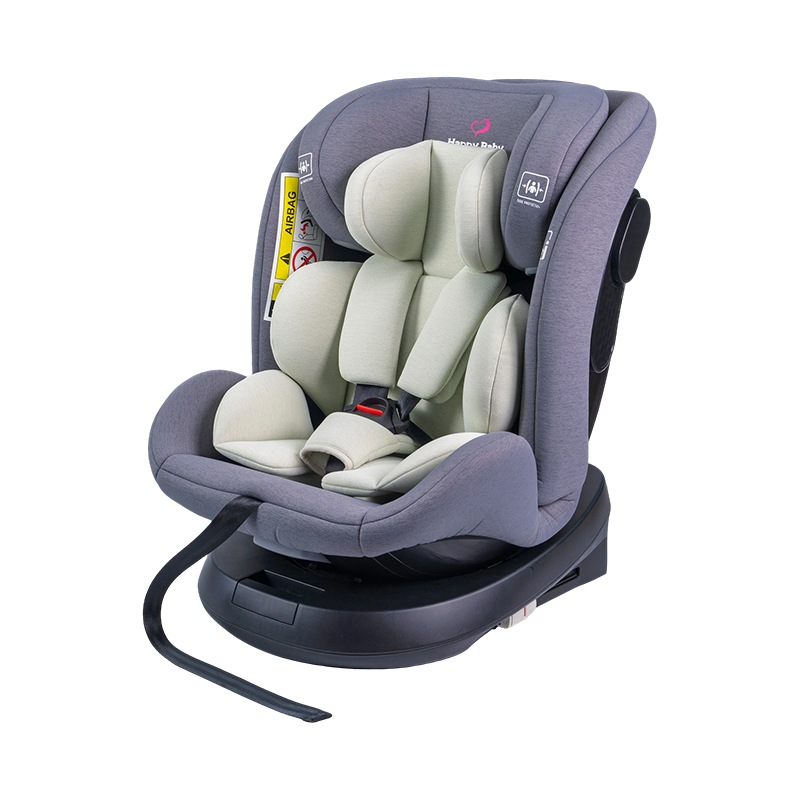
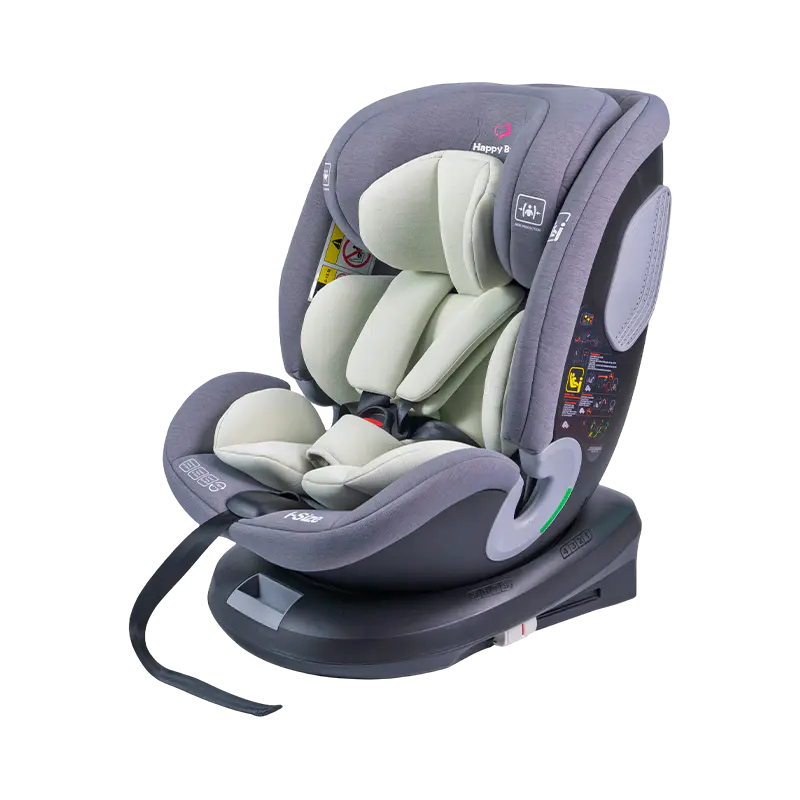
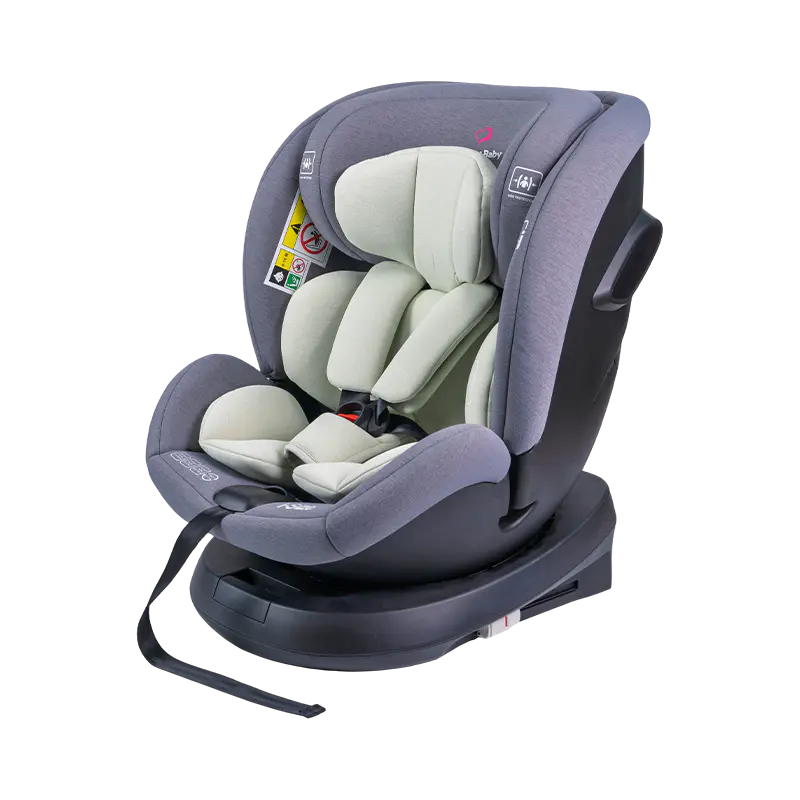
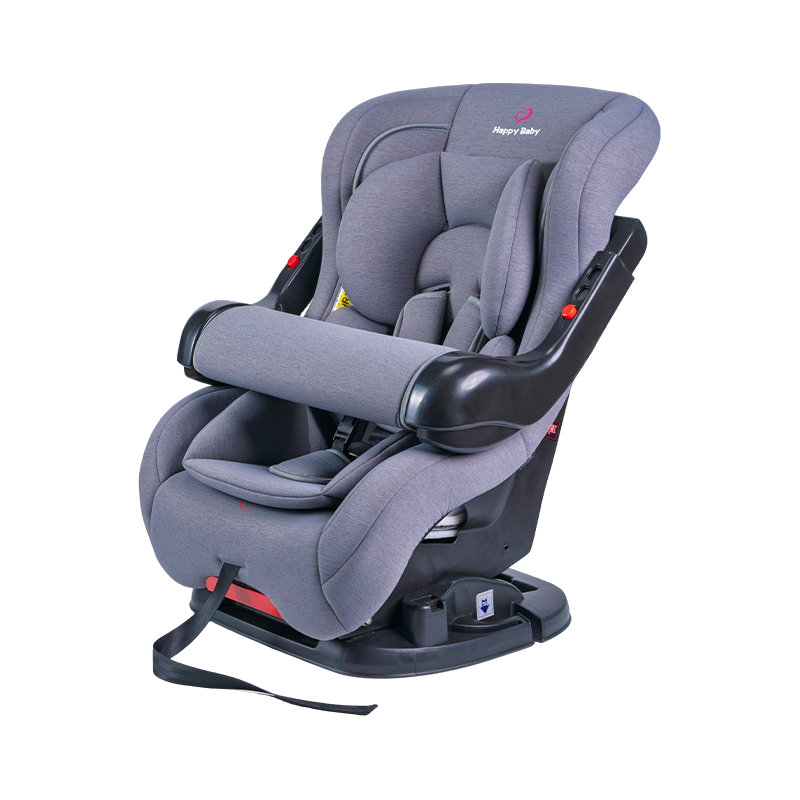
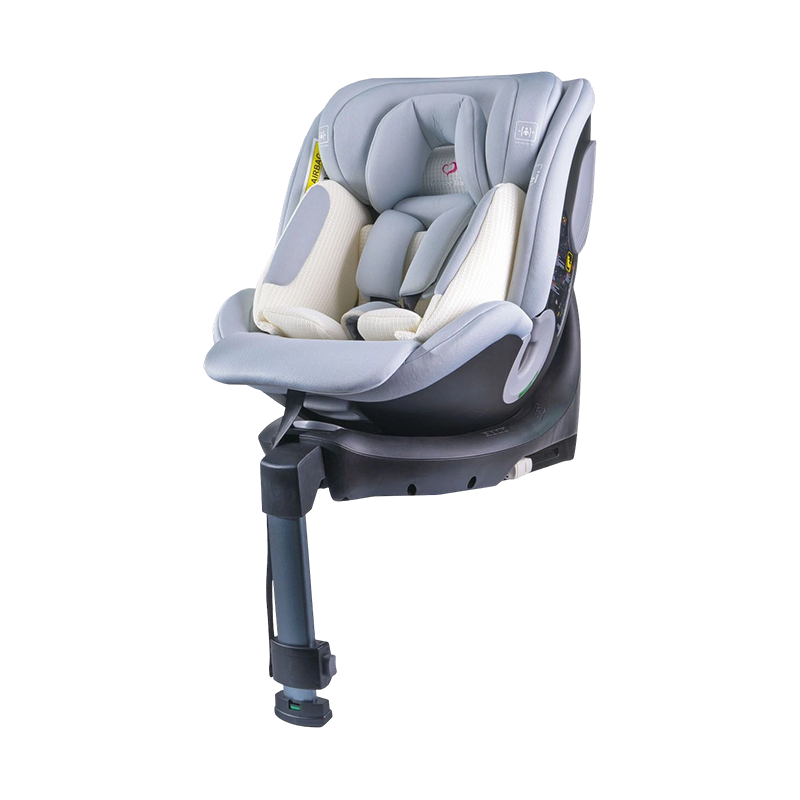
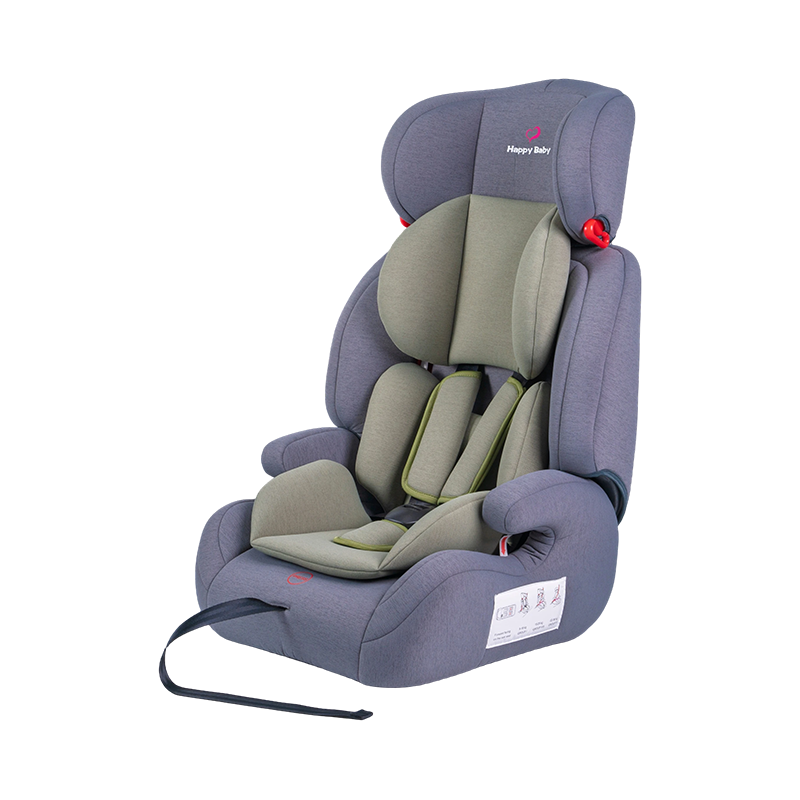

For the safety of babies' travel, we are committed to being a reliable partner for babies and families, and to becoming an expert in children's car safety seats. This is our eternal pursuit.
Contact Us
For exclusive deals and latest offers, sign up by entering your email address below.
CONTACT INFORMATION
-
Address: North of Sitong Road and west of Lianfu Port, Hongqiao Industrial Park, Taixing City, Jiangsu Province
-
Phone: +86 15996087029
-
E-mail: [email protected]
Copyright © JIANGSU HAPPY BABY SAFETY SEAT CO., LTD. All Rights Reserved.
Wholesale Child Travel Safety Seat Factory