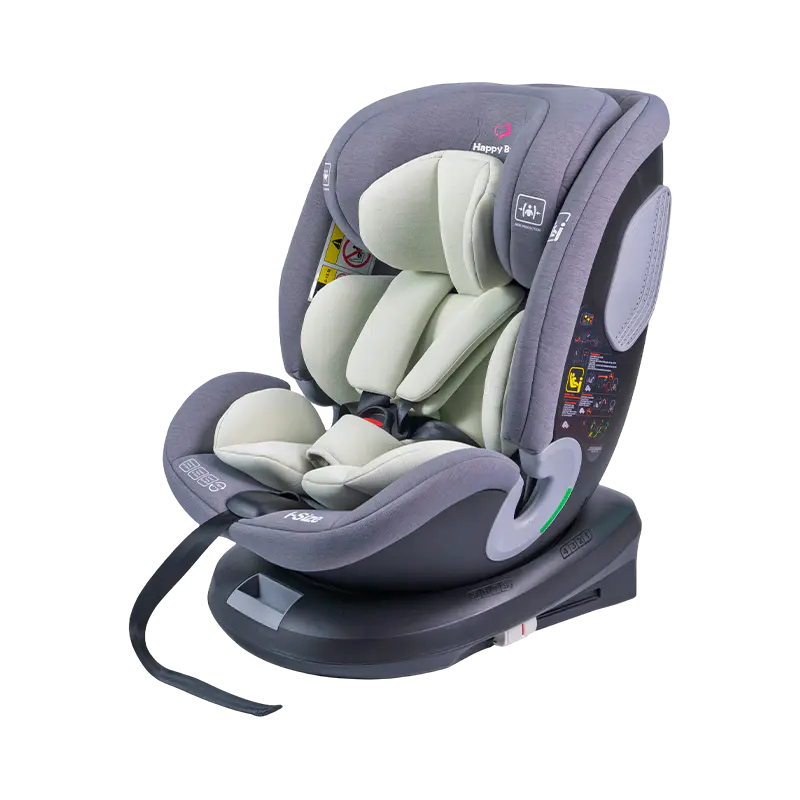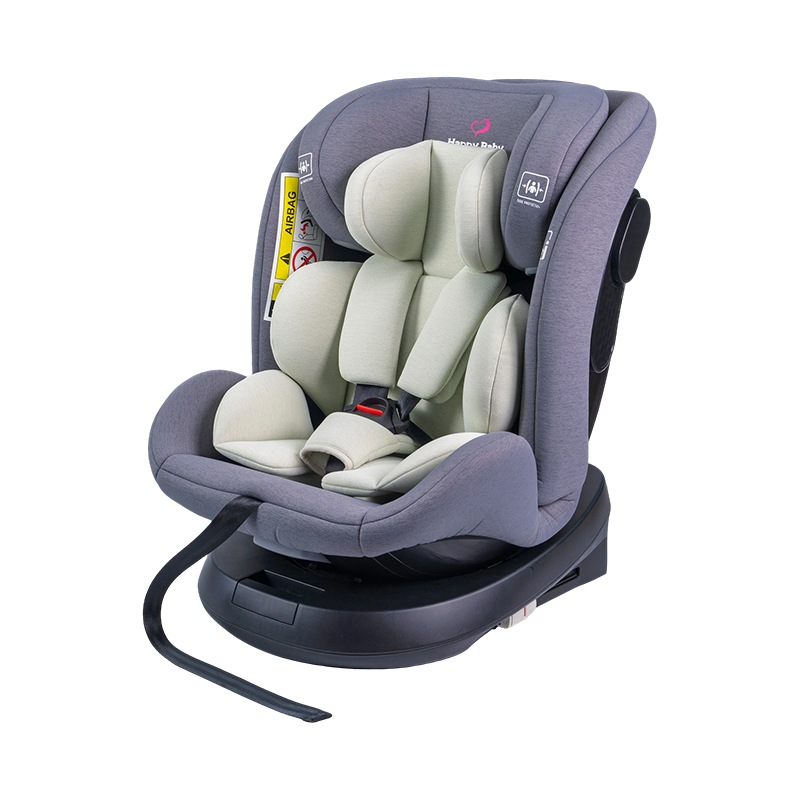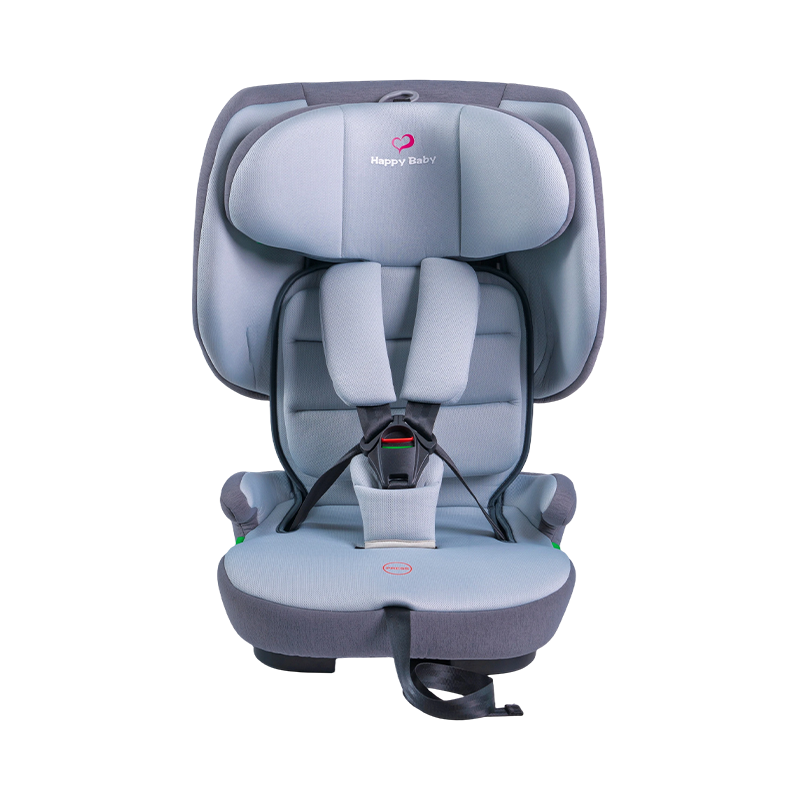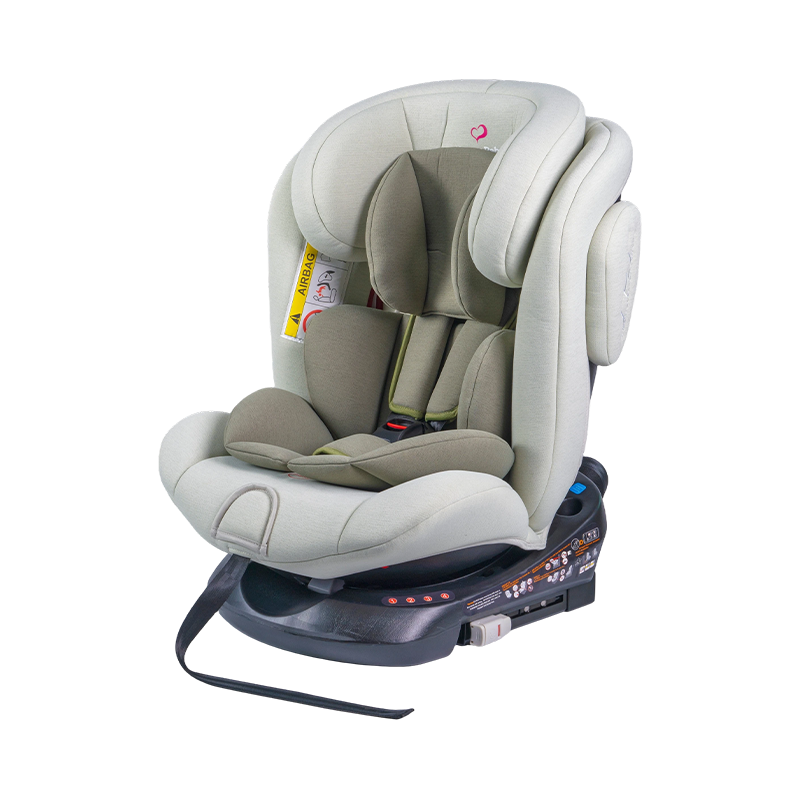
{config.cms_name} Home / Products / R129 standard / i-Size / I-Size Baby Car Seat / ISO FIX + support leg 360 Rotation Rearward/Forward facing baby car seat 40-150cm

JIANGSU HAPPY BABY SAFETY SEAT CO., LTD.
I-Size Baby Car Seat
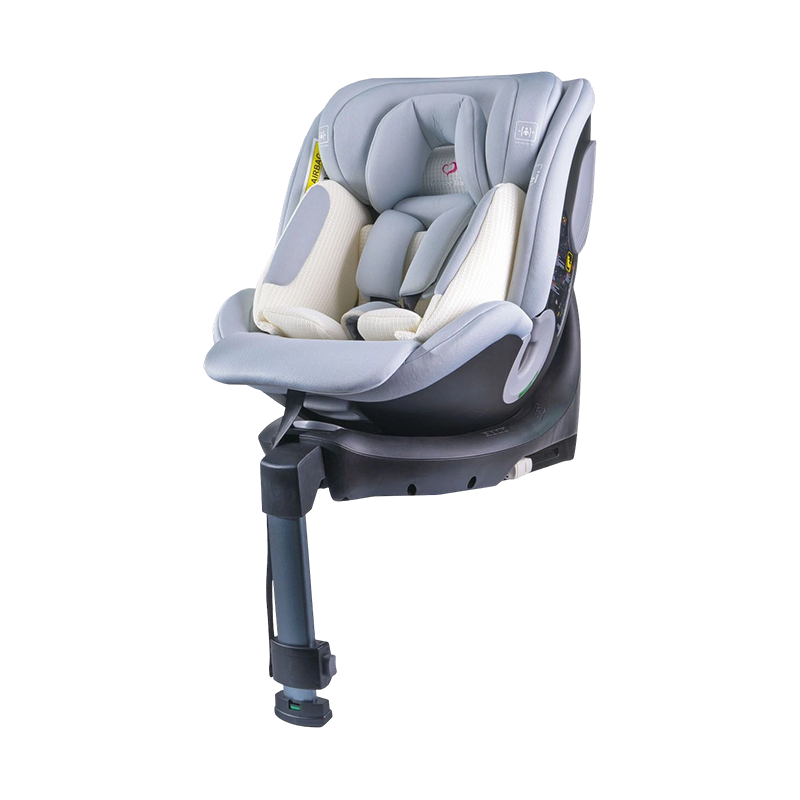
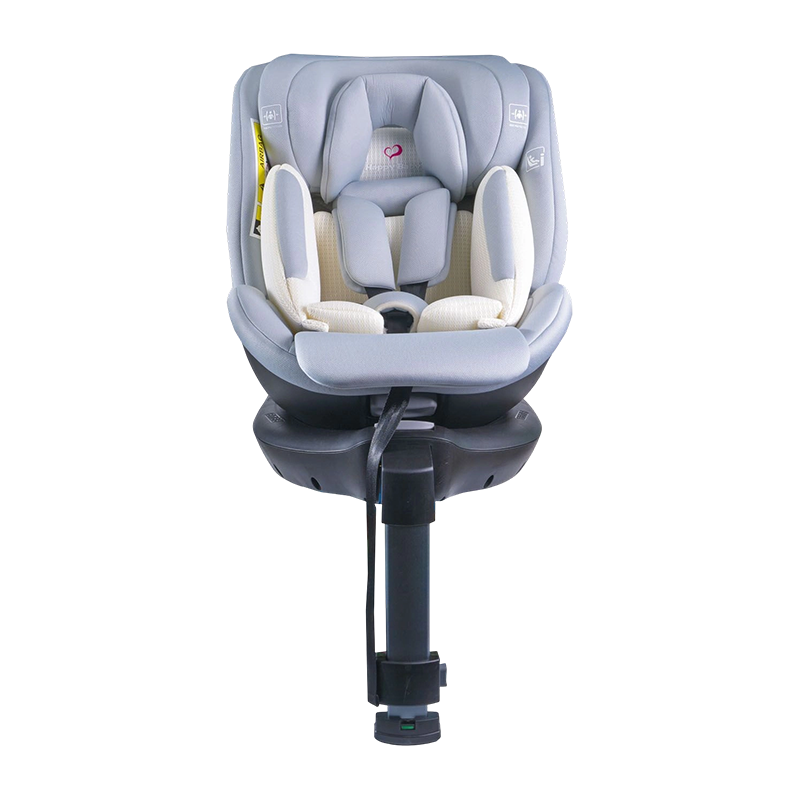
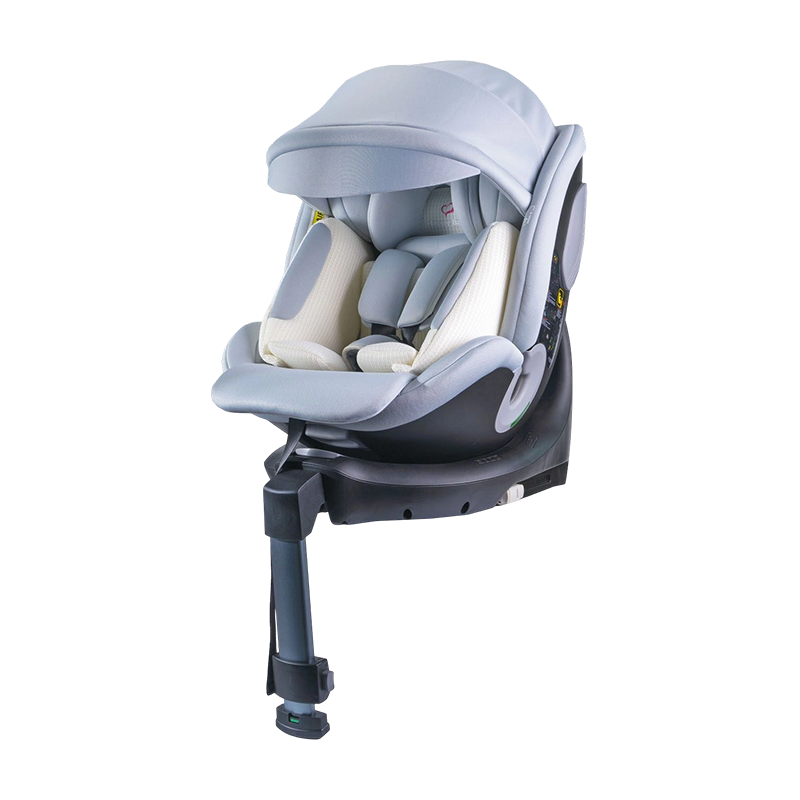
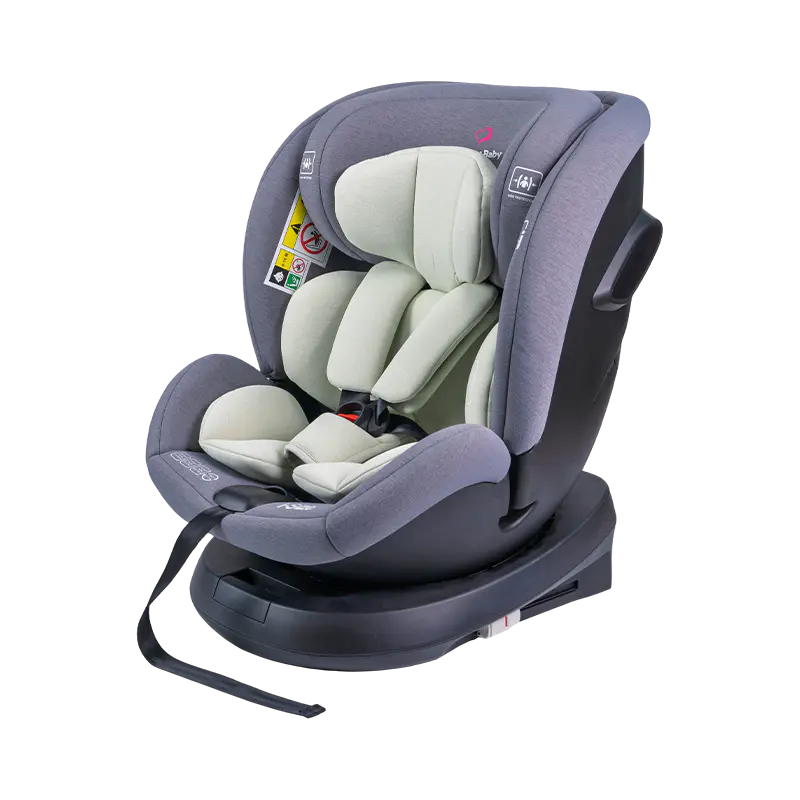
  • ISO FIX + support leg 360 Rotation Rearward/Forward facing baby car seat 40-150cm
  • ISO FIX + support leg 360 Rotation Rearward/Forward facing baby car seat 40-150cm
  • ISO FIX + support leg 360 Rotation Rearward/Forward facing baby car seat 40-150cm
  • ISO FIX + support leg 360 Rotation Rearward/Forward facing baby car seat 40-150cm
  • ISO FIX + support leg 360 Rotation Rearward/Forward facing baby car seat 40-150cm
  • ISO FIX + support leg 360 Rotation Rearward/Forward facing baby car seat 40-150cm
  • Product Details
  • FAQ
Category Details
Key Features Equipped with ISOFIX + SUPPORT LEG
360° Rotation
Contoured and flat base
Rearward Facing Requirement Child height range: 40cm-105cm
Child weight limit: ≤21.4kg
Forward Facing Requirement (1) Child height range: 76cm-105cm
Child weight limit: ≤21.4kg
Forward Facing Requirement (2) Child height range: 100cm-150cm
Production Process Injection mould making
Safety Features Side impact protection system
Integral 5-point harness system
Adjustment Functions 6 harness heights (adjustable to children’s height)
11 height positions for headrest adjustment
4 reclining positions of seat body (one-hand operation for forward facing)
4 reclining positions of seat body (one-hand operation for rearward facing)
Packaging Specification 1 piece per carton
200 pieces per 20-foot general purpose container (20GP)
490 pieces per 40-foot high cube container (40HQ)
Safety Certification Passed European New Safety Standard R129/03: i-Size

Inside the HB336: How One Seat Covers Rear-Facing, Forward-Facing and Everything In Between

Most families do not buy a car seat once and forget about it — they replace it as the child grows, adjust it at every stage, and hope the next seat still fits the car. The HB336 was engineered around that reality. Instead of treating rear-facing and forward-facing use as two separate products, the shell, base and harness system are built as one connected mechanism that transitions with the child from a small infant to a school-age passenger, without swapping components or buying a second seat.

The ISOFIX connectors and the telescopic support leg work together as a triangulated anchor: two rigid points at the base of the seat and one point braced against the vehicle floor. This three-point geometry is what keeps the seat from tipping forward in a hard stop, and it is also what allows the whole unit to rotate smoothly rather than shifting on the seat bench when the base is turned. Combined with a flat, contoured underside that mirrors the shape of a typical rear vehicle bench, the seat sits lower and more evenly than seats with a rounded or high-profile base, which reduces the small side-to-side rock that some rotating seats develop over years of daily use.

What Sets This Platform Apart in Daily Use

One Seat, Three Growth Stages 40–150cm Usable coverage spans from a newborn's first ride home to a school-age child who no longer needs a harnessed seat — three stages managed by one shell.
Rotation Without Re-Fitting 360° The seat turns toward the door for loading and unloading, then locks back into the rear-facing or forward-facing position without loosening the ISOFIX connection underneath it.
Recline Positions, Combined 8 total Four forward-facing and four rearward-facing recline angles, each reachable with one hand, so nap position can be adjusted without waking a sleeping child.
Headrest Range 11 levels Fine-grained height adjustment keeps the harness slots at shoulder level across several growth spurts, instead of jumping between two or three fixed heights.
Harness Adjustability 6 heights The integral five-point harness moves with the headrest, so shoulder straps stay correctly positioned instead of digging in or sitting too low.
Certified Standard R129/03 Tested against the current European i-Size regulation, which evaluates side-impact performance in addition to frontal and rear-impact criteria.

Why a 40–150cm Range Matters More Than It Sounds

Height-based classification, which is what the i-Size regulation uses instead of age or weight brackets alone, exists because children of the same age can differ in height by a wide margin. A seat rated by height rather than by a vague age bracket fits a broader range of real children accurately. The chart below plots an approximate average child growth curve against the seat's rated coverage band, to show roughly how many years of typical use the 40–150cm range represents.

150cm 40cm 0cm 50cm 100cm 150cm 190cm Birth 2y 4y 6y 8y 10y 12y HB336 rated coverage (40–150cm) Approximate average child height by age

Illustrative curve based on commonly referenced average child growth patterns; individual children vary, which is exactly why height-based i-Size classification is used instead of age alone. The shaded band marks where the HB336 remains within its certified operating range.

R129/03 (i-Size) Compared With the Older R44/04 Framework

Buyers researching this category often see both standards referenced side by side, sometimes on the same shelf. The table below summarizes the practical differences without repeating the certification line already listed in the specification table above.

Aspect R129/03 (i-Size) R44/04 (legacy)
Classification basis Child height (cm) Weight groups (0/0+/I/II/III)
Side-impact testing Mandatory part of approval Not required under this standard
Rear-facing guidance Encouraged to a higher minimum age Often shorter minimum rear-facing period
Vehicle fit verification Verified against specific vehicle lists for ISOFIX seats Universal fitting more common, less vehicle-specific data
Introduced Progressive rollout since 2013, current revision 03 Long-standing framework, being phased out for new approvals

Regulatory summaries are provided for general orientation. Distributors and retailers should confirm current requirements with the relevant type-approval authority for their target market before listing a product.

A Typical ISOFIX + Support Leg Installation Sequence

The steps below describe a general installation flow for this seat category. They are meant as an overview for product listings and training material, not a substitute for the printed instruction manual shipped with each unit.

1
Locate the ISOFIX anchor points

Most passenger vehicles built after the mid-2000s have ISOFIX anchor points built into the seam between the seat back and seat base. Guide clips are commonly included to make this step faster.

2
Extend the connectors and engage them

Both ISOFIX connectors extend from the base and click into the vehicle anchors. A correctly engaged connector typically shows a color change on the indicator window built into the base.

3
Lower and lock the support leg

The telescopic leg extends down to the vehicle floor and locks in place once it reaches full contact, which is what prevents the seat from rotating forward in a sudden stop.

4
Push the base firmly toward the seat back

A firm push removes any remaining gap between the base and the vehicle seat, which is one of the most common installation errors across this entire seat category.

5
Select the correct facing direction for the child's height

Rotate the seat to rearward or forward facing depending on the child's current height bracket, then confirm the seat has locked into position rather than resting between settings.

6
Adjust headrest and harness together

Move the headrest to the level where the harness slots sit at or just above the shoulder for rear-facing, or at or just below shoulder height for forward-facing, then tighten the harness so only one finger fits under the strap at the collarbone.

Where the Safety Margin Actually Comes From

Side-impact protection on this platform is not a single foam pad — it is a structural wing built into the injection-molded shell on both sides of the headrest and torso area. In a lateral collision, this wing is designed to contact the door or side structure before the child's body does, spreading and absorbing energy across a wider surface rather than transmitting it directly to the child.

The five-point harness distributes restraint force across the hips and shoulders instead of concentrating it at the abdomen, which is one reason harnessed seats remain the recommended restraint type for as long as a child's height allows it, even after a booster would technically fit.

Recline geometry matters just as much as impact structure. A child who is reclined too upright in a rear-facing seat can develop an airway-restricting head position during sleep, particularly in the first year. Four dedicated rearward recline angles exist specifically to give caregivers a genuinely flat option for younger, smaller occupants, rather than a single compromise angle shared with older children.

Because the harness height, headrest height, and recline angle are adjusted through three independent mechanisms rather than one shared lever, each can be tuned to the child without disturbing the other two settings — a detail that matters more in daily use than it does on a spec sheet.

Adjustment Range Compared Across Common Seat Categories

HB336 headrest positions
11
Typical fixed-shell seat
~3
HB336 combined recline angles
8
Typical single-recline seat
1

Comparison figures for "typical" seats are approximate category averages used for illustration, not measurements of any specific competing product.

Behind the Product: Manufacturing, Quality Control and Customization

This seat is produced in an in-house injection molding facility rather than assembled from outsourced shell components, which keeps tolerances consistent between production runs and shortens the feedback loop when a design change is requested. The production and quality process operates under ISO 9001:2008 quality management certification, with dedicated design, production, and testing teams working from the same facility.

Workforce ~200 Employees across design, molding, assembly, and quality control, allowing shell tooling and stitching lines to run in parallel rather than sequentially.
Quality System ISO 9001 Certified management system covering design control, incoming material inspection, in-process checks, and final product testing before packing.
Response Time 12 hours Standard reply window for inquiries received on working days, which shortens the early sourcing conversation before samples are requested.

Because the shell tooling, fabric cutting, and harness webbing are all controlled internally, this seat can be adapted at several points without opening an entirely new mold: fabric color and pattern, shell color accents, printed labeling, and carton artwork are the most commonly requested changes for buyers building a private assortment. Structural changes — such as a modified recline mechanism or a different support-leg length — are handled case by case, since they affect the certified test report and require re-validation before shipment.

Container Loading Efficiency

20-foot general purpose (20GP)
200 pcs
40-foot high cube (40HQ)
490 pcs

Packed one piece per carton, the 40HQ option delivers a meaningfully better per-unit freight cost for buyers planning larger initial orders or recurring container bookings.

Markets Where i-Size (R129) Approval Is Recognized

Because i-Size approval follows the UNECE regulatory framework rather than a single national standard, a product tested and approved once is generally recognized across a broad group of contracting markets, which simplifies multi-country listings for distributors expanding beyond a single storefront.

Region grouping Typical relevance
European Union member states i-Size and R129 widely recognized as current standard for new listings
United Kingdom Continues to recognize UNECE R129 approvals post-transition
EFTA states (Norway, Switzerland, Iceland) Apply UNECE regulations under existing agreements
Selected Middle East and Southeast Asia markets Increasingly reference R129 alongside local requirements
EU-27UKNorwaySwitzerlandIcelandSerbiaGCC (case-by-case)

Recognition can vary by local import rules and consumer protection requirements. This overview supports early sourcing discussions and is not a substitute for a formal compliance check in the destination market.

Materials, Cushioning and Everyday Maintenance

The seat cover fabric is selected for a balance of softness against a child's skin and resistance to repeated washing, since this is one of the few parts of the seat that a caregiver removes and cleans directly. The cushioning underneath uses a layered foam structure, denser near the shell for structural rebound and softer near the fabric for day-to-day comfort, rather than a single uniform foam block.

Routine care is straightforward: the fabric cover can be removed for washing according to the label instructions, the plastic shell can be wiped down with a damp cloth and mild soap, and the harness webbing should be spot-cleaned rather than machine washed, since heat and agitation can affect webbing strength over time. Buyers building instructional inserts or packaging copy for retail often ask for this level of detail specifically because it reduces post-sale support questions.

All fabric and foam components used in this seat are sourced to meet relevant flame-retardant and material-safety requirements for children's products in the markets this seat is certified for, and documentation is available to support import declarations where required.

Additional Questions From Buyers Evaluating This Seat

Can this seat be used in a vehicle without ISOFIX anchor points?
This particular configuration is built around the ISOFIX-plus-support-leg installation method. A separate belted variant exists within the same product family for vehicles without ISOFIX anchors, which uses the vehicle's own seat belt to secure the base instead.
How is the rotation mechanism protected from long-term wear?
The rotation base uses a locking ring rather than a simple pivot, so the seat clicks into fixed positions instead of resting on friction alone. This is what keeps the rotation feeling consistent after repeated daily use rather than loosening over the first year.
What packaging and labeling customization is available for a private assortment?
Carton artwork, hang tags, instruction booklet language, and inner packaging arrangement can be adapted to a buyer's branding requirements. Requests are typically reviewed alongside order quantity and lead time during the sampling stage.
Is a sample available before placing a full order?
Sample units can generally be arranged for evaluation prior to a production order, which allows a buyer to confirm fabric color, stitching quality, and mechanism feel firsthand before committing to a full production run.
Does the support leg design work with vehicles that have underfloor storage?
The telescopic leg is designed with an adjustable length range to accommodate common floor variations, including slightly raised or recessed floor areas found in some vehicle models. Checking the vehicle compatibility list for the destination market is still recommended before finalizing a listing.
What test reports are typically provided alongside a purchase order?
Type-approval test reports covering the R129/03 requirements, along with the relevant e-mark certificate, are the standard documents provided to support import and retail listing requirements.

Considering the HB336 for an upcoming assortment? Sample requests, container-load pricing, and private labeling questions are handled directly by the factory's product team, with a standard response window of twelve working hours.

Reach out through the contact form on this page with the target market, expected order volume, and any customization ideas, and the relevant specification sheets and sample terms will be sent back for review.

Have An Idea? Let'S Have A Chat Together!
We hope to be not only the manufacturer of child safety seats, but also the trusted guardians of families
Message Feedback
About Us
JIANGSU HAPPY BABY SAFETY SEAT CO., LTD.
JIANGSU HAPPY BABY SAFETY SEAT CO., LTD. specializes in we hope to be not only the China ISO FIX + support leg 360 Rotation Rearward/Forward facing baby car seat 40-150cm Suppliers and Custom ISO FIX + support leg 360 Rotation Rearward/Forward facing baby car seat 40-150cm Factory, but also the trusted guardians of families. Child safety is not merely a set of standards or a certification, but a responsibility and commitment. The birth of every chair is an understanding of the family and a reverence for life. We hope to provide products that are safe, comfortable and design-oriented for families around the world through continuous research and development and innovation, so that parents' peace of mind can go hand in hand with children's smiles.
Certificate Of Honor
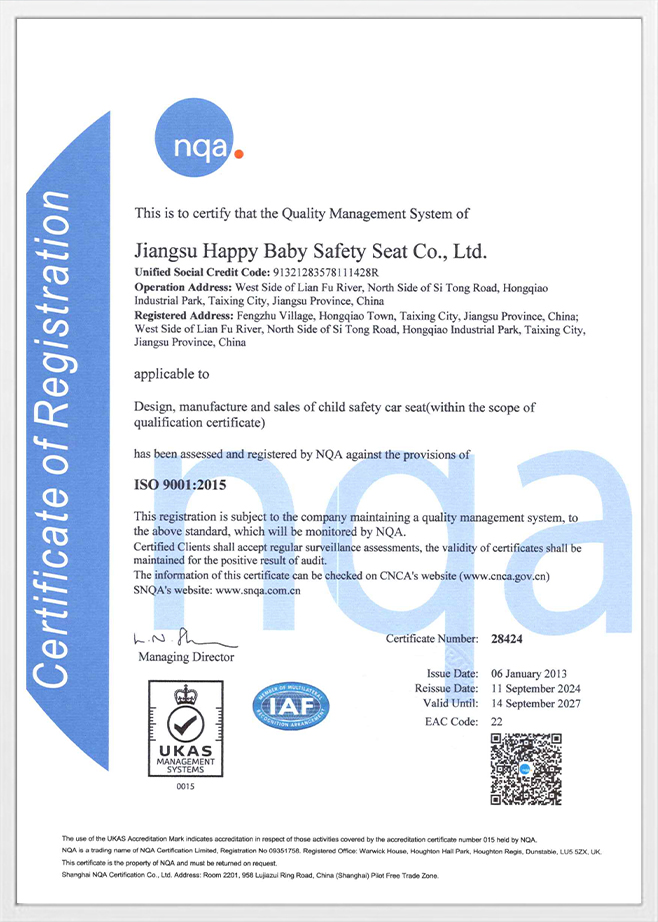
  • Certificate OfRegistration
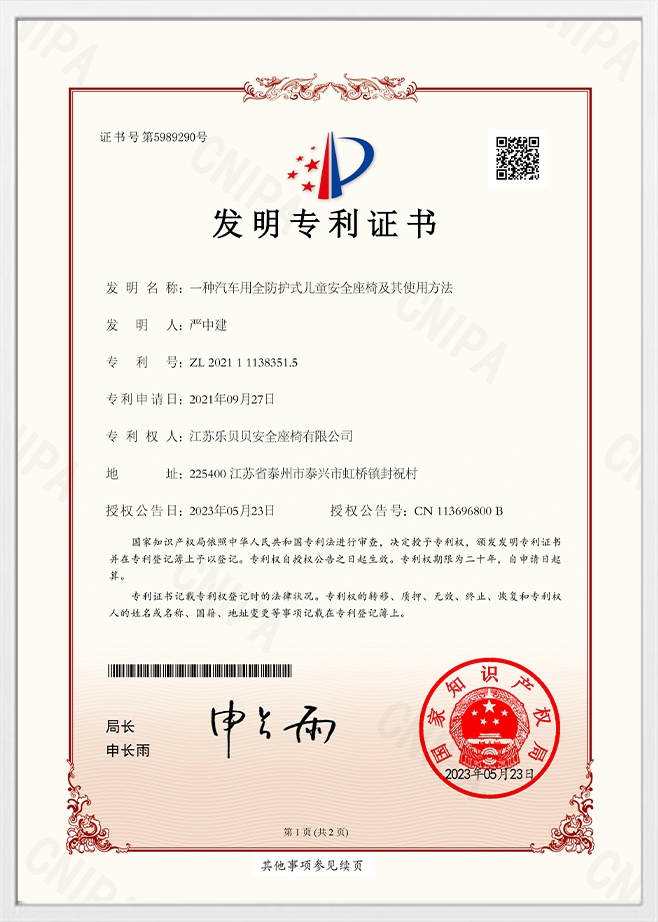
  • Invention Patent Certificate
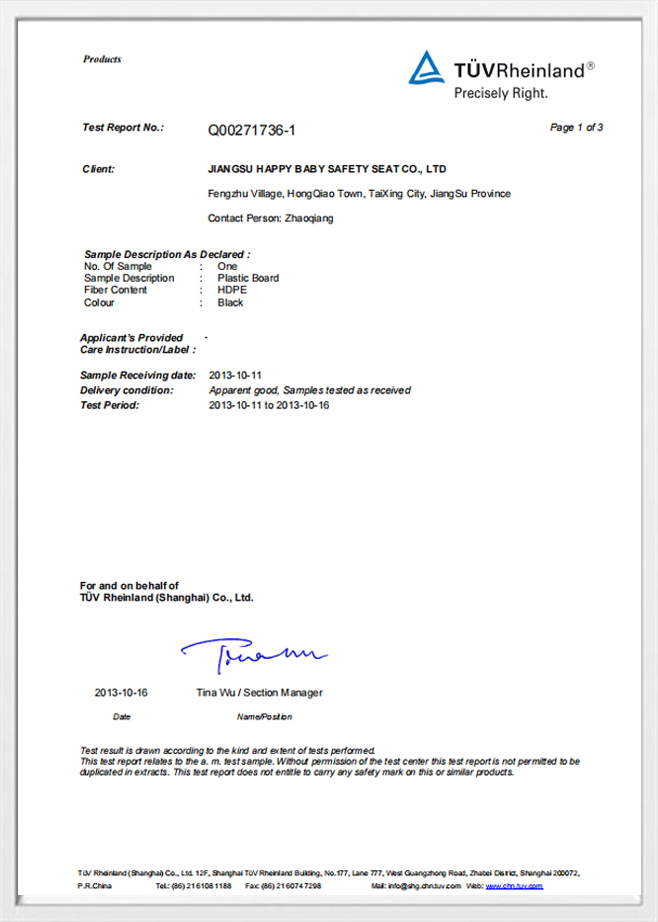
  • Q00271736-1
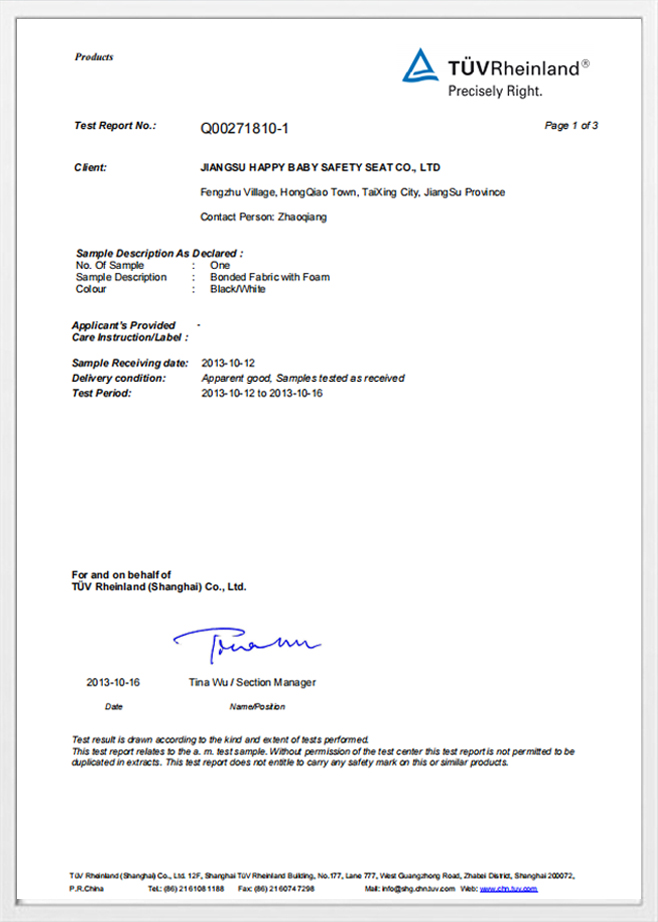
  • Q00271810-1
  • E8-129
News