
 English
 中文简体
 Home / News / Industry News / What is the 2-hour car seat rule?: Practical Applications, Selection, Performance, and

Industry News
What is the 2-hour car seat rule?: Practical Applications, Selection, Performance, and
2026-11-06
Content
- 1 What Is the 2-Hour Car Seat Rule?
- 2 Why Two Hours?
- 3 When Does the 2-Hour Car Seat Rule End?
- 4 Car Seat Design Features That Reduce the Risk
- 5 How to Plan Longer Journeys with a Baby
- 6 Common Mistakes and Misconceptions
- 7 Which Seat Is Right for Each Stage?
- 8 From a Manufacturer's Perspective: Designing for the 2-Hour Rule
- 9 Frequently Asked Questions about the 2-Hour Car Seat Rule
- 9.1 Is the 2-hour car seat rule a law?
- 9.2 How long can a newborn be in a car seat?
- 9.3 Does the rule apply if the car seat is used outside the car?
- 9.4 What should I do if my baby falls asleep during a long ride?
- 9.5 Can a baby sit in a car seat for three hours if the seat has extra padding?
- 9.6 When can I stop following the 2-hour rule?
What Is the 2-Hour Car Seat Rule?
The 2-hour car seat rule is a safety guideline that advises parents not to keep a baby in a car seat for more than two consecutive hours. The same guideline applies when the seat is used outside the car as an infant carrier, a stroller attachment, or a feeding seat.
This is not a legal limit. It is also not a sign that the car seat becomes dangerous at exactly 120 minutes. The two-hour figure is an outer boundary that helps parents plan breaks and avoid the physical stress that comes from a small body staying in one fixed position for too long.
Most car seat manuals and child passenger safety organizations repeat the same message: take the baby out of the seat every two hours, and especially avoid long stretches while the baby is sleeping. The rule exists because young babies have limited head control, flexible ribs, and an immature breathing center. It applies from the first ride home from the hospital through the first year. As a child grows, the risk drops, but extended time in any seat can still cause discomfort, poor posture, and fatigue.
For a deeper look at the science behind this guideline, read this related guide on the 2-hour car seat rule.
Bottom line: the 2-hour car seat rule is a planning tool. It helps you decide when to stop, how to adjust the seat, and what to prepare before a long journey.
Why Two Hours?
Why does the car seat rule stop at two hours? The main concern is positional asphyxia, which can happen when a baby's head slumps forward and narrows the airway. A newborn's head is heavy compared with the neck muscles, so a small recline angle can become dangerous if the child is not observed and given breaks.
The breathing pattern is also immature. In the first weeks, many babies have periods of irregular breathing, and the combination of a semi-reclined seat, a turned head, and a soft chest wall can make it harder for the child to maintain normal oxygen levels. This is one of the reasons why a short trip can become risky if the baby falls asleep and stays in exactly the same position for a long time.
Research and clinical guidance are not saying that every baby will have a problem at two hours. They are saying that risk increases with time and that early breaks remove most of the risk before it develops. The same position can also cause pressure on the back of the head, leading to flat-head syndrome in more extreme cases, as well as neck stiffness and restlessness.
Head control
Babies under four months usually cannot keep the head stable in a moving car. A head support insert is helpful, but it does not replace a break.
Small airway
The trachea of a newborn is narrow. Any forward slump of the head increases the chance of partial airway obstruction.
Immature breathing
Periodic breathing is common in newborns. A fixed position can make it harder for a baby to adjust when oxygen levels drift.
Overheating
Car seats trap heat. Long rides, layers of clothing, and a warm interior make it harder for a baby to regulate body temperature.
A premature baby, a low-birth-weight baby, or a baby with a respiratory infection may need shorter intervals than two hours. When in doubt, use a shorter first stop and check the baby's color, breathing, and temperature before continuing.
When Does the 2-Hour Car Seat Rule End?
There is no exact age when the 2-hour rule ends. The risk is highest in the first two to three months and gradually lowers as a baby gains head control and upper body strength. For most babies, that happens between four and six months, but development is different for every child.
A more useful question is: when can the baby sit up unassisted? If the baby can hold the head steady, push up on the arms, and shift position slightly, the body is better equipped to handle a car ride. Even then, the two-hour maximum should be treated as the outer limit rather than a normal daily plan.
Some pediatric advisors have suggested that babies under three months should be out of a car seat in under an hour when possible. This is stricter than the 2-hour rule, but it is a reasonable approach for the earliest weeks.
| Age group | Maximum continuous time | Why this matters |
|---|---|---|
| Newborn under 1 month | Around 30 minutes | Neck strength and breathing control are still developing. |
| 1-3 months | 30-60 minutes | The head is heavier than the neck muscles can support for a long time. |
| 4-6 months | Up to 2 hours | Most babies have better head control, but a break is still needed. |
| 6 months and older | 2 hours with planned stops | The breathing risk is lower, but posture and comfort still matter. |
As a child car seat manufacturer, we always suggest checking the specific age and height limits printed on your seat label before planning a long drive. A seat built for a 40-150 cm height range cannot be used correctly on the first day and on the last day with the same harness settings.
Car Seat Design Features That Reduce the Risk
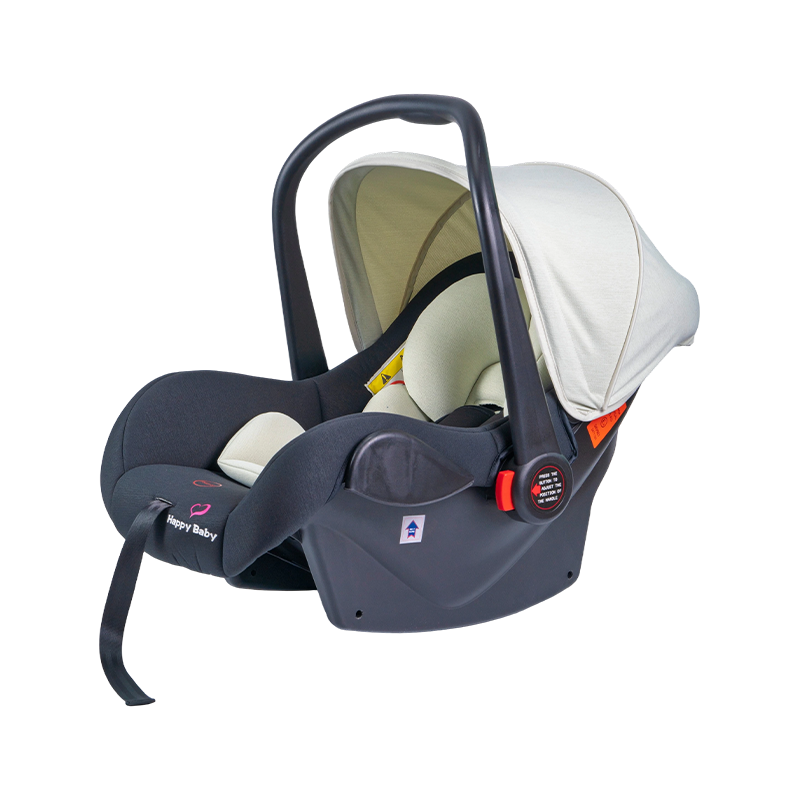
 HB819 I-Size Newborn Car Seat with Rearward-Facing SafetyThis infant carrier supports correct seating for newborns, with adjustable harness and headrest to prevent slouching during long trips, ensuring the 2-hour rule works effectively.View Product →
The 2-hour rule assumes that the seat is the right one for the child's age, height, and developmental stage. A seat that is too large lets a baby slouch. A seat that is too small pushes the head forward. Both situations make a long ride less safe.
Look for a seat that supports a natural spine curve. The recline angle should keep the baby's head in contact with the seat without the chin pressing into the chest. A newborn insert or body support should fill empty space, but it must come from the same manufacturer and be designed for that specific model.
Recline angle
A proper rear-facing recline keeps the airway open and prevents the head from rolling forward while the baby sleeps.
Newborn insert
An approved insert provides side support and keeps a small baby in a better position. After-market inserts can be dangerous.
Side-impact protection
Deep side wings and energy-absorbing foam provide a protective zone around the head and body.
Breathable fabric
Airflow through the seat cover helps prevent overheating on warm days and during longer journeys.
Safety standards matter too. R129 / i-Size seats are based on child height and include a stricter side-impact test. R44 seats are based on weight groups. Both standards can be used correctly, but the fit must be checked each time a baby grows. The 2-hour rule applies to both systems equally.
How to Plan Longer Journeys with a Baby
The 2-hour rule does not mean that long trips are impossible. It means that you need to build breaks into the journey and watch the baby during every stop. With a little planning, a long car ride can still be manageable.
- Plan a stop every 90 to 120 minutes. Even if the baby is asleep, stop and take the baby out for a short break.
- Let the baby lie flat on a safe surface at each stop. Use rest areas, picnic tables, or a clean blanket on the ground when available.
- Feed before the trip and at stops. Feeding in a moving car or in a rear-facing seat position can increase the risk of choking and reflux.
- Use thin layers. Bulky coats and snowsuits prevent the harness from sitting close enough to the body, which can reduce protection in a crash.
- Check the harness every time you put the child in the seat. The belt should be flat, snug, and free of twists.
- Keep the car cool. If the heating is on, feel the back of the baby's neck to check for overheating.
- Avoid loose objects. Toys, mirrors, and accessories that are not part of the seat can become dangerous projectiles in a sudden stop.
If you are driving alone, build stops into the route before you start. A 15-minute break every two hours does not add as much time as you might think, and it reduces the risk of a long, uncomfortable journey.
Common Mistakes and Misconceptions
The 2-hour rule is easy to understand but easy to misuse. The mistake is not that parents ignore the rule; it is that they apply it only in the car and forget that the same seat still matters outside the vehicle.
Car Seat as a Sleep Space
A car seat is for travel, not for long naps. When you arrive at your destination, move the baby to a flat, firm sleep surface. Do not leave a sleeping baby in an infant carrier on the floor, on a bed, or on a nearby chair.
A Sleeping Baby Can Stay in the Seat
Some parents do not wake a sleeping baby on a long car trip. That is understandable, but the 2-hour rule exists specifically because sleep can mask early signs of distress. If the baby is asleep, still stop every two hours, take the baby out, and check breathing and color.
LATCH Is Always Safer Than a Seatbelt
Both installation methods can be safe when done correctly. The best method is the one that gives a tight, secure installation in your specific car. Do not use both LATCH and the seatbelt together unless the manual allows it.
A Seat That Fits Today Will Fit Tomorrow
Height, not age, decides when a seat is too small. The 2-hour rule does not change that. If a child is near the height limit, the harness position and headrest need to be adjusted, or the seat needs to be replaced.
A One-Year-Old Is Ready to Face Forward
The 2-hour rule and forward-facing are separate issues. Keep the child rear-facing for as long as the seat allows. Extended rear-facing is a stronger protection and should not be shortened just because a trip is planned.
Which Seat Is Right for Each Stage?
 HB328 360° Rotating i-Size Seat for Extended Rear-Facing UseWith a 40-150 cm height range and rearward capability up to 105 cm, this seat helps maintain correct positioning and encourages longer rear-facing travel as recommended.View Product →
The 2-hour rule works hand in hand with seat selection. If the child is not sitting in the correct seat, the rule is only a partial safety net. Every stage needs a different combination of recline, harness height, and head support.
| Point of comparison | R44 | R129 / i-Size |
|---|---|---|
| Fit basis | Weight group | Child height |
| Rear-facing requirement | Depends on the group and model | At least until 15 months |
| Side-impact test | Not a separate requirement in R44 | Included in the standard |
| Typical examples | Group 0+, Group 1, Group 1-2-3 | 40-105 cm, 40-150 cm, 76-150 cm |
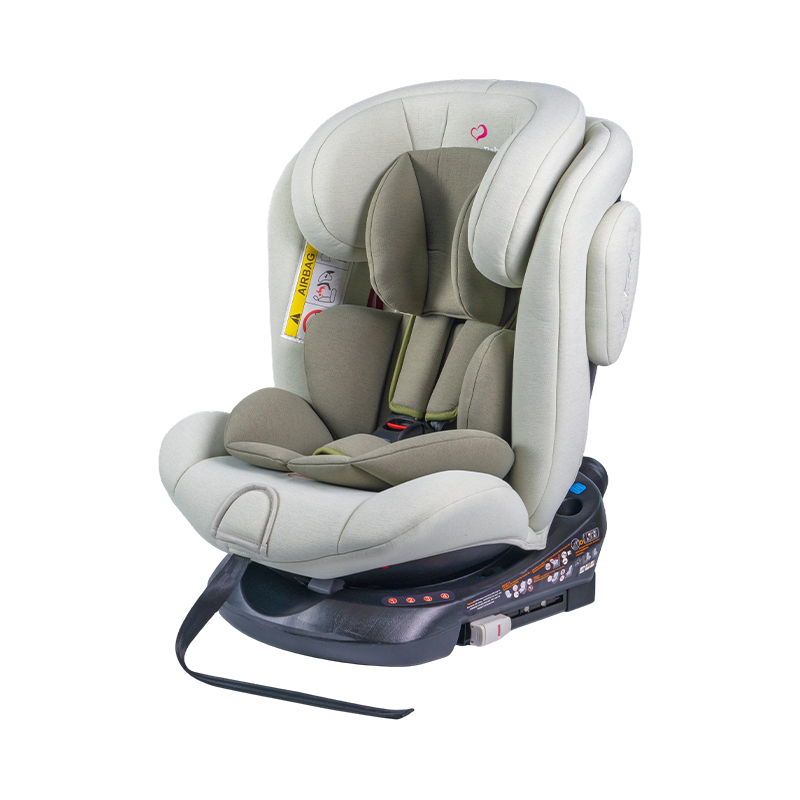
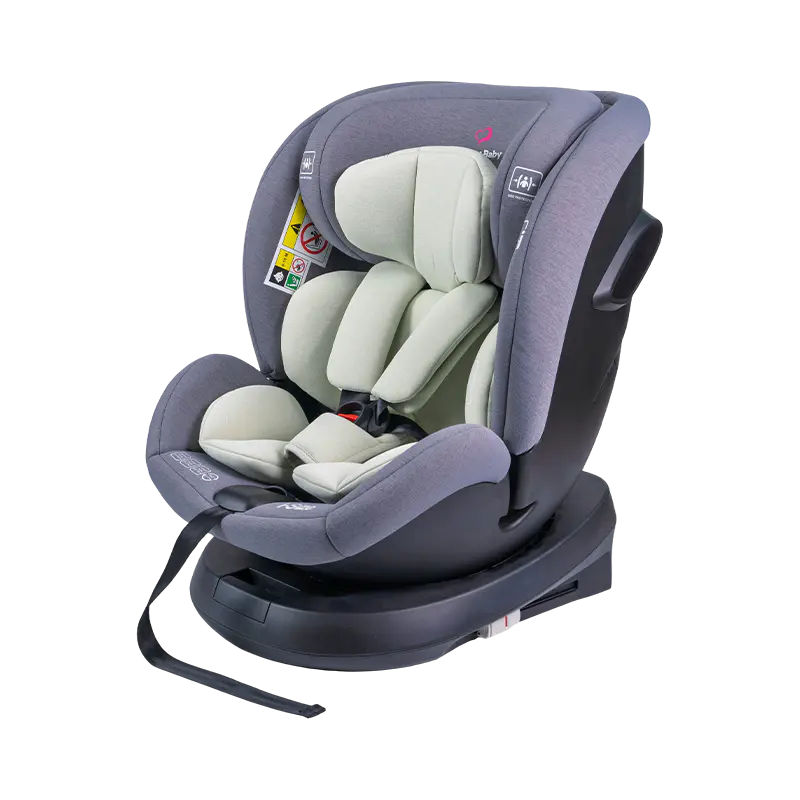
A 360-degree rotating seat can make it easier to put a child in and out, especially in the early stages. It is a convenience, not a safety performance feature. The more important feature is whether the seat supports a neutral position when rear-facing.
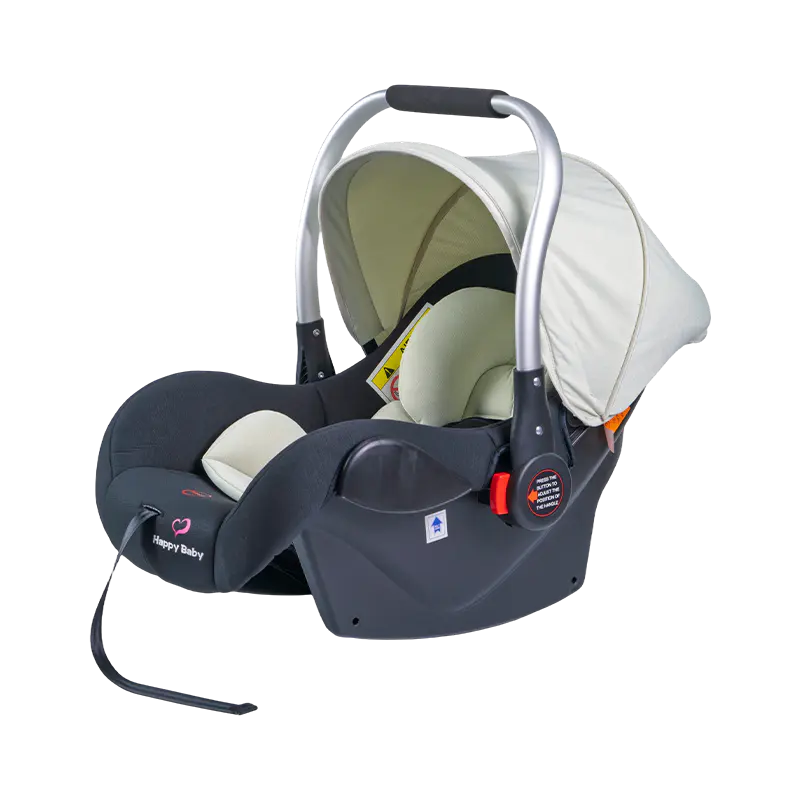
For newborns, an infant carrier is practical because it can be taken inside without waking the child. But the 2-hour rule still applies outside the car. The carrier is not a replacement for a crib or a bassinet.
For older toddlers, an i-Size seat with a tall shell allows a child to remain rear-facing for longer. Keeping the same habit of stopping every two hours is safer than relying on age alone.
From a Manufacturer's Perspective: Designing for the 2-Hour Rule
 HB926 Reclining Group 0+/1 Seat Designed for Comfortable Long RidesA tall shell and multiple recline positions support proper posture and comfort, making it easier to follow the 2-hour stop rule during extended journeys with toddlers.View Product →
At a child car seat factory, the 2-hour rule is not just customer information. It directly affects how we design seats. The shell shape, foam density, recline angles, and harness routes all influence how a child sits when the vehicle is moving.
The first design goal is to keep the airway open during normal sleep. That means the seat base should not tip the child's head forward, and the harness should not force the shoulders into an unnatural curve.
The second goal is comfort. If a seat is uncomfortable, a parent is more likely to loosen the harness or let a child ride outside the harness during a long drive. Both are serious mistakes. In our production process, we focus on the details that make the seat easy to use correctly.
Shell geometry
The curve of the back and the depth of the side wings affect how much the body is supported in a semi-reclined position.
Harness routing
The harness should lie flat against the child without twisting, even after long use and repeated adjustments.
Breathable upholstery
Fabric with good air circulation reduces heat buildup and helps a child stay comfortable on long journeys.
Clear angle indicator
A visible recline level helps parents set the seat correctly every time, not just during the first installation.
Our factory follows ECE-R44, ECE-R129, GB, and ISO 9001 quality management requirements. These standards address crash performance and manufacturing consistency, but they do not mention driving breaks. That is why the 2-hour rule is repeated in every guide we publish, including our product descriptions.
Frequently Asked Questions about the 2-Hour Car Seat Rule
Is the 2-hour car seat rule a law?
No. It is a safety recommendation from car seat manufacturers and child passenger safety organizations. It is not a police-enforced rule. It should be followed because it reduces a real risk, but there is no legal penalty for exceeding the time limit.
How long can a newborn be in a car seat?
A newborn should be in a car seat for the shortest time that is practical. Many experts suggest no more than 30 to 60 minutes for a single trip during the early weeks, especially for a baby born prematurely or with a low birth weight.
Does the rule apply if the car seat is used outside the car?
Yes. The risk is linked to the position of the body, not where the seat is placed. If a baby stays in the seat for more than two hours in a stroller, carrier, or on the floor, the same concern exists.
What should I do if my baby falls asleep during a long ride?
Finish the journey if you can, then take the baby out and move the baby to a flat surface. On a long trip, still stop at the two-hour mark. A sleeping baby should not stay in a car seat for extra hours just because they seem comfortable.
Can a baby sit in a car seat for three hours if the seat has extra padding?
No. Extra padding does not remove the need for breaks. In fact, after-market pads and inserts that are not approved by the seat manufacturer can change the harness position and increase the risk.
When can I stop following the 2-hour rule?
There is no single date. Once the baby has stable head control and can sit up unassisted, the danger is lower. Continue the two-hour maximum as a habit until you are confident the child can adjust position easily and comfortably.


For the safety of babies' travel, we are committed to being a reliable partner for babies and families, and to becoming an expert in children's car safety seats. This is our eternal pursuit.
Contact Us
For exclusive deals and latest offers, sign up by entering your email address below.
CONTACT INFORMATION
-
Address: North of Sitong Road and west of Lianfu Port, Hongqiao Industrial Park, Taixing City, Jiangsu Province
-
Phone: +86 15996087029
-
E-mail: [email protected]
Copyright © JIANGSU HAPPY BABY SAFETY SEAT CO., LTD. All Rights Reserved.
Wholesale Child Travel Safety Seat Factory