
 English
 中文简体
中文简体

Industry News
Is the 2-Hour Car Seat Rule Real? Science, Age Limits & Travel Tips
2026-08-21
Content
Yes, the 2-Hour Car Seat Rule Is Real—Here's What It Means
You are planning a long drive, your baby is three months old, and someone has warned you about a "two-hour car seat rule." Before you reorganize the whole trip, here is the answer you need: yes, the two-hour rule is real, and it matters most in the first months of a baby's life.
The two-hour rule is the everyday name for guidance shared by pediatric and child passenger safety organizations, including the American Academy of Pediatrics (AAP). The practical meaning is that an infant should not stay in a car seat for a long continuous stretch, and roughly two hours is the widely used benchmark.
The clock starts when the baby is placed in the seat. It continues through the whole drive, and it also includes any time the baby remains in the same carrier or travel system afterward. What matters is the body position, not the vehicle.
Two details are worth getting right from the start. First, the rule is about continuous time in a single session rather than a strict 24-hour total; that is the interpretation used by most manufacturers and safety specialists. Second, the guidance applies just as much to infant carriers and travel-system seats as to car seats installed in your vehicle.
The same logic appears in guidance from the U.S. National Highway Traffic Safety Administration (NHTSA), which advises against prolonged time in a child restraint, and it is echoed in European practice through the ECE R129 (i-Size) and ECE R44 standards. Those standards govern crash performance, not time limits, which highlights an important point for parents: a seat that is certified for a crash is still not designed for hours of uninterrupted sitting.
Despite how widely this recommendation is repeated, it is not common knowledge. One industry survey found that 58 percent of parents had never heard of the two-hour rule, which may explain why the question keeps coming up.
Why 2 Hours? The Science Behind the Limit
Two hours is not an arbitrary number. It is the point around which the risks of keeping a young infant in a fixed, semi-reclined position become significant enough that experts agree a break is justified. Those risks fall into two categories: respiratory restriction and musculoskeletal development.
One thing the medical and engineering sides agree on is that the number is practical, not precise. The point is not that two hours and one minute is dangerous; it is that the risks climb the longer the body stays fixed, and two hours gives parents a clear, easy-to-remember window.
Respiratory Risks: When Head Position Restricts Airway
The more serious concern is positional asphyxia, a gradual narrowing of the airway. A newborn's neck muscles are weak and head control is not yet developed, so when a baby falls asleep in a car seat, the head can slump forward until the chin presses into the chest.
The semi-reclined posture of a car seat leaves the head without the support it would have on a flat surface. This combination can reduce airflow quietly, and because the baby is asleep, there is often no crying or fussing to alert a parent. A quiet baby can be an at-risk baby. In fact, the squirming, head-turning, and fussing that parents often find annoying during drives are healthy movements that help keep the airway open.
Premature infants are at the highest risk, which is why many hospitals run a monitored car seat tolerance test before a preterm baby is discharged. The test simply confirms that the baby's breathing stays stable while seated, which is the exact function the two-hour rule tries to protect.
Muscular and Spinal Development: Why Babies Need to Stretch
The second reason is developmental. A newborn's spine is still C-shaped from life curled in the womb, and those young muscles and bones need regular opportunities to flex and stretch on a flat surface. Held in a car seat, the body stays in one posture, and the harness prevents the natural movement that a flat surface allows.
From an engineering perspective, this is not a flaw in the seat. A five-point harness is designed to hold the child in place during a collision, distributing forces across the strongest parts of the body. But the same holding function that protects in a crash also restricts movement during a long drive, which is precisely why the break becomes necessary.
When Does the 2-Hour Rule Stop Applying?
The rule does not switch off at a specific birthday. Pediatric guidance ties it to developmental milestones rather than to months. The AAP recommends following the two-hour limit until your baby can sit up independently and has clear head control; for most infants, that point falls between 4 and 6 months.
Milestones matter more than the calendar: a baby who is slow to sit up may need the stricter reading past six months, while a baby with early head control may relax it sooner. The phrase to remember is "sitting up with full head control."
After that milestone, the urgency fades gradually. Different organizations frame it slightly differently, but the phased interpretation used by leading child safety brands is consistent: 0 to 6 months is the most critical period, 6 to 12 months still calls for regular breaks, and from 12 months onward the main concerns are comfort and circulation.
Age-by-Age Guide: How Strict Should You Be?
| Age range | How strict the rule is | What to do on a long drive |
|---|---|---|
| 0–6 months | Very strict | Keep each continuous session under two hours; take the baby out and let them lie flat and stretch between drives. |
| 6–12 months | Moderate | Plan a stop every two hours and let your baby move freely during each break. |
| 12 months and older | Relaxed but sensible | Keep regular breaks to maintain comfort and leg circulation on long trips. |
In the strictest stage — 0 to 6 months — seat type makes a real difference. Newborn car carriers designed for the first months of travel are built around a smaller, more reclined body and often use a separate base, so the baby can stay asleep while the carrier comes out of the car. If you are weighing seat styles, our comparison of infant seat vs. convertible seat: which is better for newborns walks through the trade-offs.
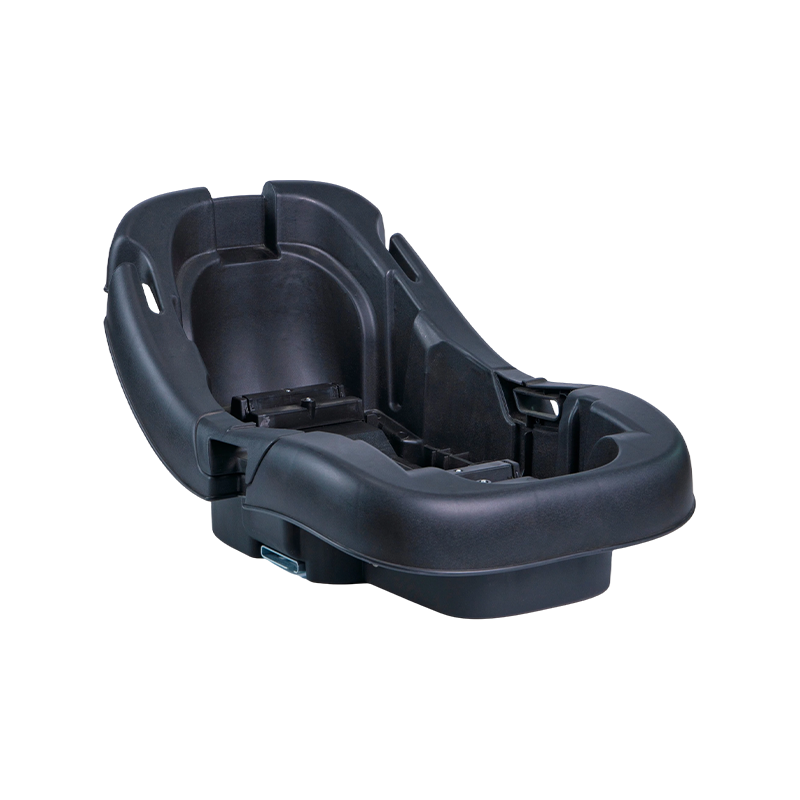 Custom R44 Standard Infant new born baby carrier car seat Group 0+ Suppliers, OEJIANGSU HAPPY BABY SAFETY SEAT CO., LTD. is China R44 Standard Infant new born baby carrier car seat Group 0+ Suppliers and OEM Factory, ...View Product →
How to Plan Long Drives Safely With a Baby
Accepting the two-hour rule does not mean you cannot drive long distances. It means every long journey needs a structure. Work through three phases: before you leave, on the road, and at every stop.
Before You Leave: The Pre-Trip Checklist
- Install the seat correctly and check the recline angle, the harness snugness, and the chest clip position.
- Dress your baby in thin layers rather than a bulky coat; thick fabric compresses under the harness and leaves dangerous slack.
- Pack feeding, diapering, and extra clothing supplies so every stop can be handled quickly.
- Plan your rest stops in advance, choosing places with clean changing rooms and somewhere your baby can lie flat.
On the Road: Making Every Stop Count
When you stop, the order matters. First take the baby out of the seat and give them time on a flat surface, letting them stretch, kick, or crawl. Then handle feeding and diapering. Adults take their break last, not first.
For older babies and toddlers, add walking time at every stop. Rest breaks also protect leg circulation and give a fidgeting child a way to burn energy. Even a five-minute stop at a roadside rest area helps if you take the baby out of the seat, but a proper 15-minute break with floor time is far better for everyone. Treat the stop as part of the trip, not an interruption; a relaxed parent makes a calmer car.
What the 2-Hour Rule Does NOT Mean
Because the rule sounds absolute, it is easy to overcorrect. Here is what it does not mean.
It does not mean you cannot drive with a baby. It does not mean the car seat is unsafe; the seat's crash protection and the effects of long, motionless sitting are two completely different questions. And it is not a cliff — a ten-minute overrun will not cause harm by itself.
The rule is a risk-reduction tool. Its purpose is to help you avoid unnecessary time in a fixed, semi-reclined position, not to add one more source of parenting stress. Used as a planning guide rather than a stopwatch, it is easy to follow.
It is also worth sharing the rule with anyone who drives your baby — grandparents, a nanny, or daycare staff. One short line is enough: no more than two hours at a time in the seat, then a break with time on the floor.
Choosing a Car Seat That Supports Safe, Comfortable Travel
No car seat removes the need for regular breaks; the two-hour rule applies to every seat on the market. What a well-designed seat can do is give your child the best possible crash protection and a more comfortable posture during the time they do spend in it. For a full walkthrough of the decision process, see our complete guide to choosing the right baby car seat.
Three criteria matter most. First, extended rear-facing: the longer a child travels rear-facing, the better their neck and spine are protected, and i-Size seats rated by height — such as 360° rotating i-Size car seats that support extended rear-facing travel — make it easy to keep your child rear-facing well past the first birthday. Second, a five-point harness holds the child securely and distributes crash forces more evenly than a simple lap shield.
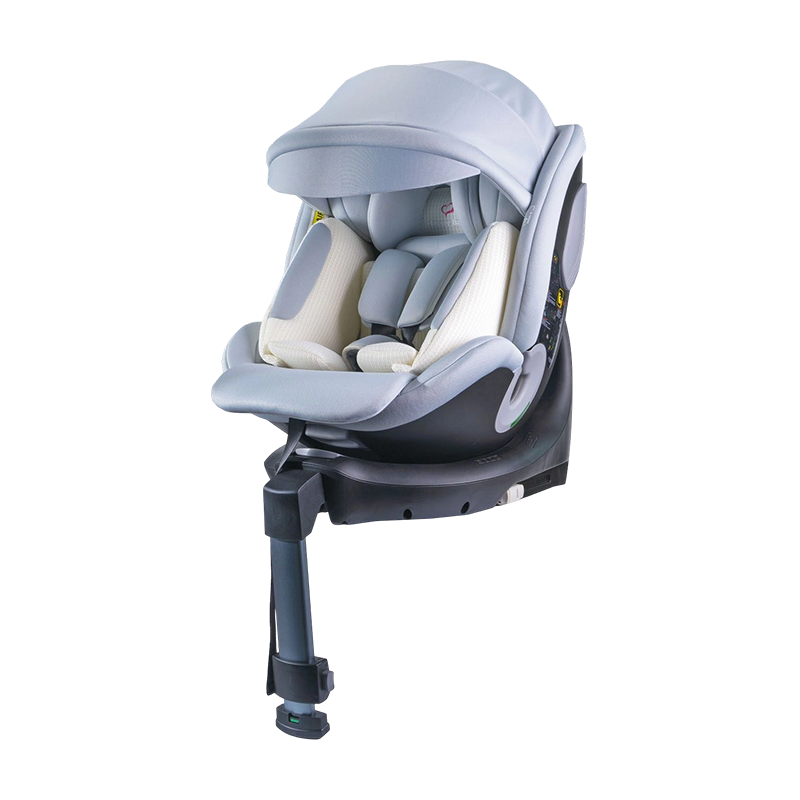 Custom R129 Standard ISO FIX + support leg 360 Rotation Rearward/Forward facing JIANGSU HAPPY BABY SAFETY SEAT CO., LTD. is China R129 Standard ISO FIX + support leg 360 Rotation Rearward/Forward facing baby car seat ...View Product →
Third, check the certification. As a manufacturer, we build to ECE R129/i-Size, ECE R44, and Chinese CCC requirements — these are entry-level safety standards every permitted seat must meet, not a brand advantage. What you should match to your own situation is the installation method: ISOFIX with a support leg or top tether works in most modern cars, while belted i-Size seats that fit vehicles without ISOFIX offer the same height-based sizing for older or entry-level vehicles.
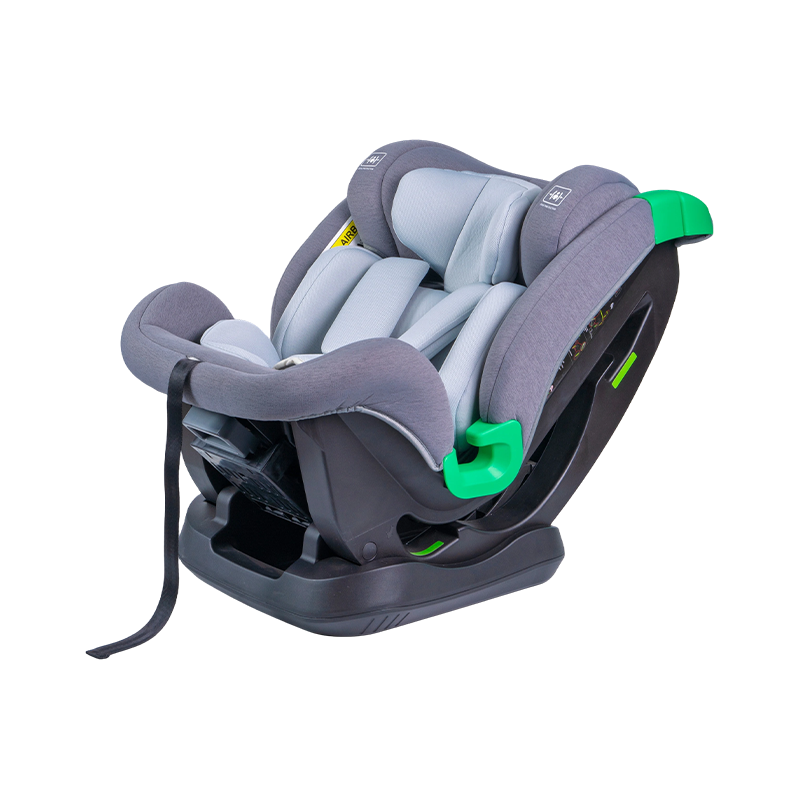 Custom R129 Standard I-Size Belted baby car seat 40-105cm Suppliers, OEM/ODM FacJIANGSU HAPPY BABY SAFETY SEAT CO., LTD. is China R129 Standard I-Size Belted baby car seat 40-105cm Suppliers and OEM Factory, details:H...View Product →
In practice, safe baby travel comes down to three elements that work together: a correctly certified seat, a correctly installed seat, and a planned schedule of breaks. The two-hour rule covers the third element. The right seat of any brand cannot replace it, but it can make every hour on the road safer and more comfortable.
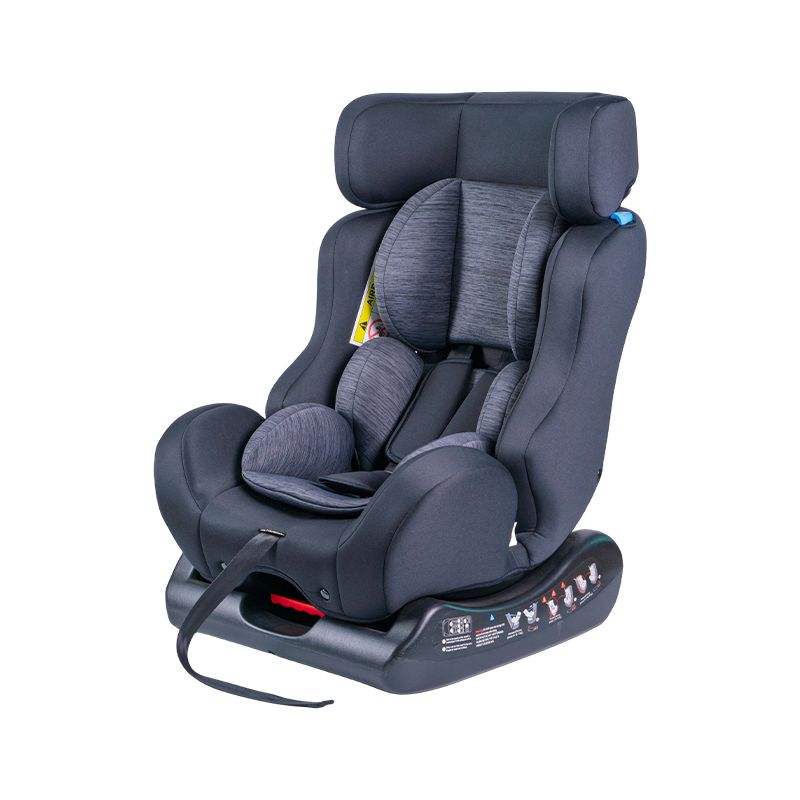
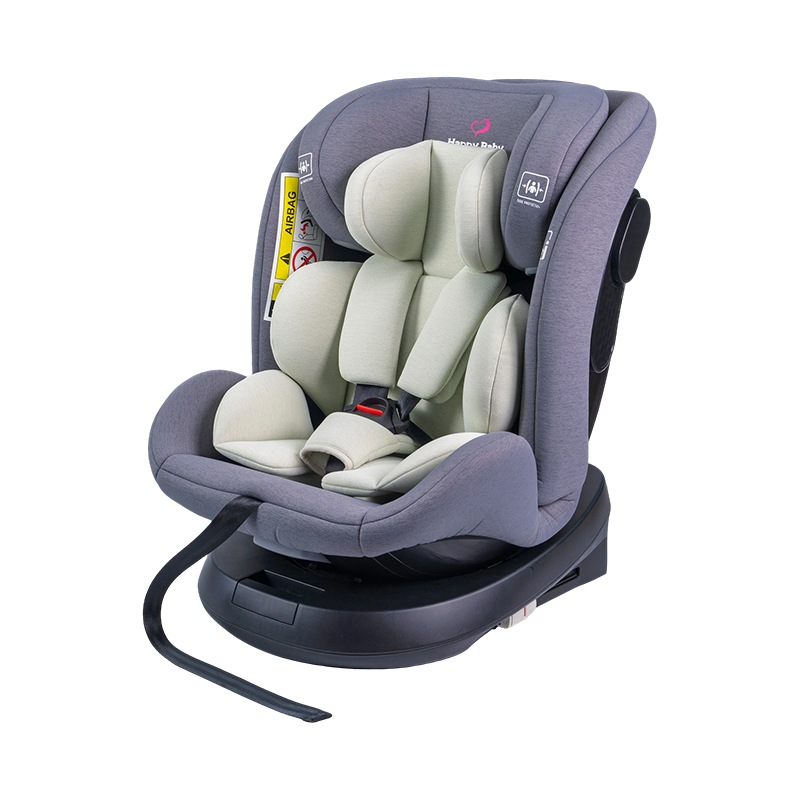
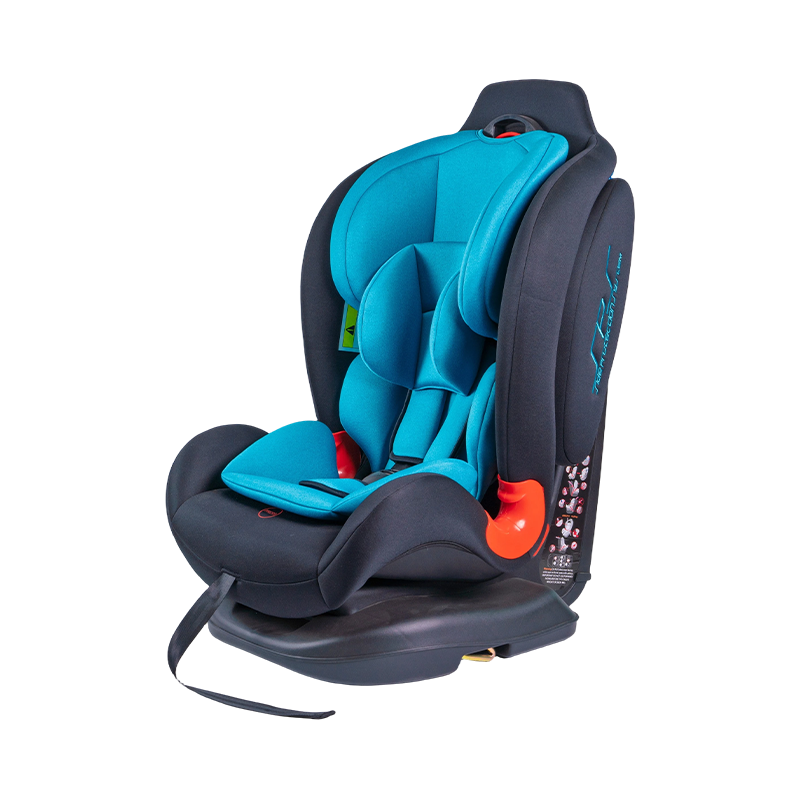
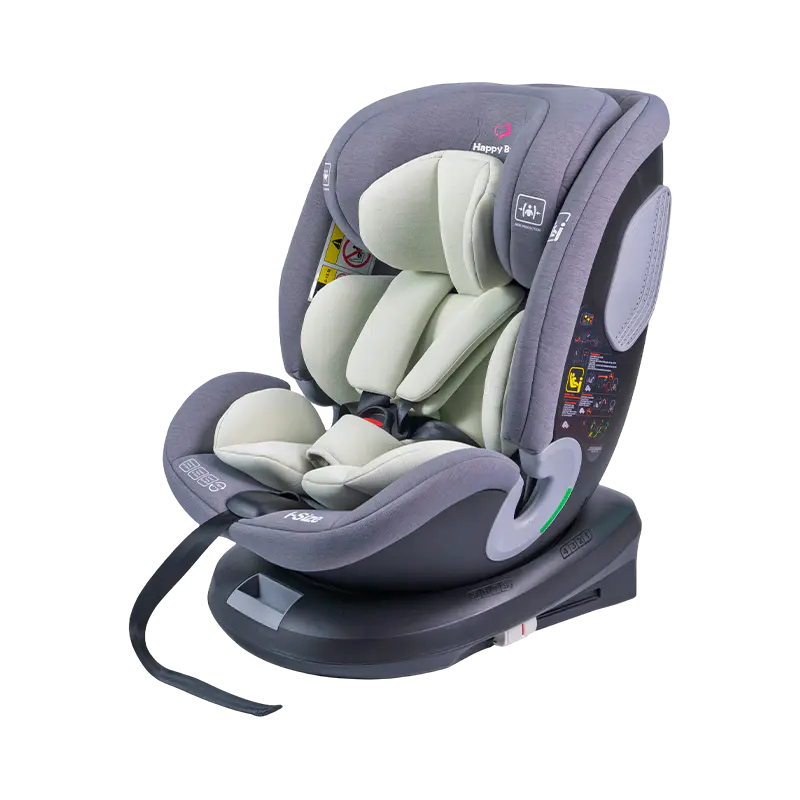
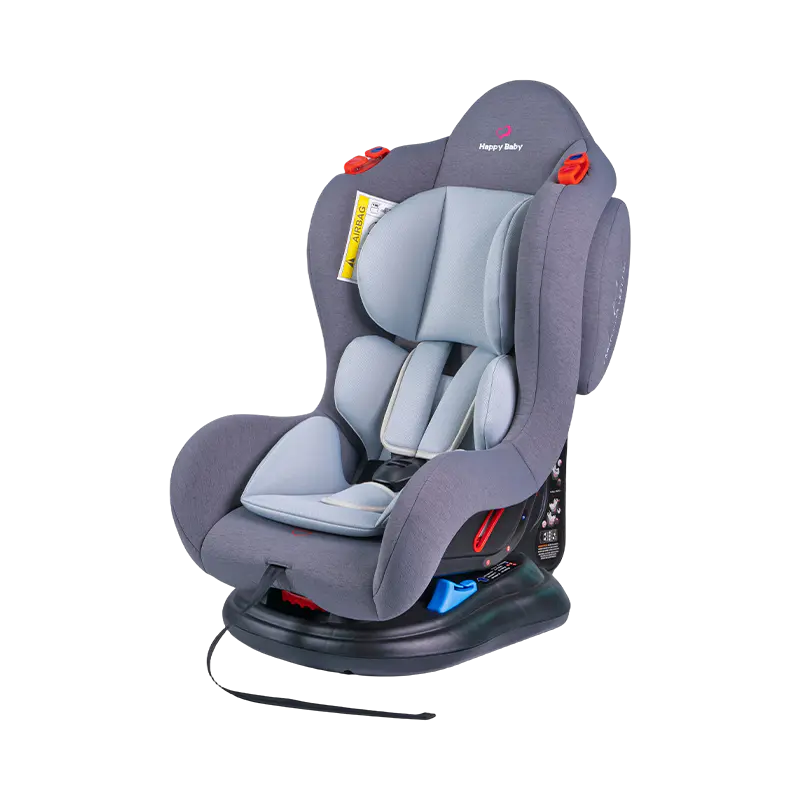
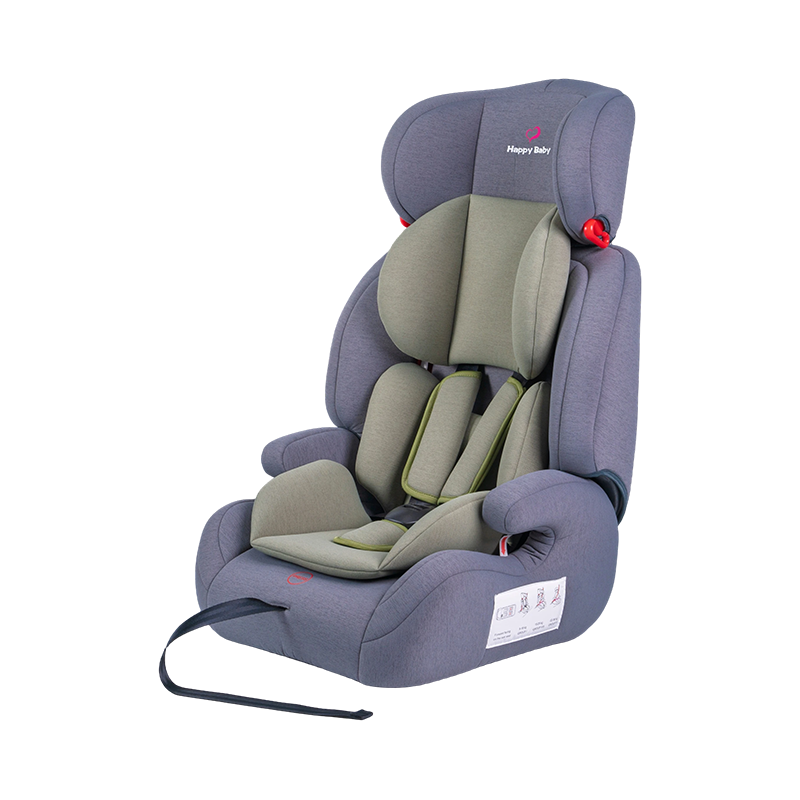

For the safety of babies' travel, we are committed to being a reliable partner for babies and families, and to becoming an expert in children's car safety seats. This is our eternal pursuit.
Contact Us
For exclusive deals and latest offers, sign up by entering your email address below.
CONTACT INFORMATION
-
Address: North of Sitong Road and west of Lianfu Port, Hongqiao Industrial Park, Taixing City, Jiangsu Province
-
Phone: +86 15996087029
-
E-mail: [email protected]
Copyright © JIANGSU HAPPY BABY SAFETY SEAT CO., LTD. All Rights Reserved.
Wholesale Child Travel Safety Seat Factory