
 English
 中文简体
中文简体
Industry News
I-Size vs Traditional Baby Car Seats: Which Is Safer for Your Baby
2026-04-10
Content
In modern parenting, car safety seats are essential for babies during travel. With the rising concerns over road traffic accidents and child passenger safety, the I-Size baby car seat has become a hot topic in recent years. Compared to traditional car seats, I-Size seats not only enhance safety but also improve comfort, compatibility, and ease of installation. This article will discuss in detail the key differences between I-Size baby car seats and traditional seats, helping parents make informed choices.
I-Size Standard vs Traditional Seat Certification Standards
Traditional car seats are primarily certified according to the European ECE R44/04 standard, while I-Size seats follow the more stringent ECE R129 standard. The core goal of the I-Size standard is to improve child safety, especially in side-impact collisions and the distribution of impact forces.
One notable feature of the I-Size car seat is the explicit regulation of installation methods. Unlike traditional seats, which often rely on “seatbelt installation,” I-Size seats recommend using the ISOFIX interface for installation. This installation method is more stable and helps reduce safety risks caused by improper installation.
Higher Safety: Side-Impact Protection
I-Size seats offer superior safety features. Traditional seats focus mainly on frontal collision tests, while I-Size seats address both frontal and side-impact collisions. The I-Size standard mandates that all seats undergo specific safety tests for side impacts, significantly reducing the risk of injury to babies in side collisions.
I-Size seats provide more robust headrests, side wings for protection, and optimized seat materials to offer comprehensive protection, reducing the transmission of impact forces to vulnerable areas such as the head and spine.
Height-Based Instead of Weight-Based: Better Fit
Another key difference between I-Size seats and traditional seats is how they are classified based on height rather than weight. Traditional seats use weight categories (e.g., 0-13 kg, 9-18 kg), while I-Size seats are classified based on a child’s height. This method is more precise and ensures that the seat offers optimal support and protection for the child.
For example, the I-Size standard may specify that babies with a height between 40 cm and 75 cm should use a Type 0 seat, while children over 75 cm may switch to a Type 1 seat. This height-based classification provides a more accurate fit compared to weight-based systems and minimizes safety risks caused by mismatched seat size.
ISOFIX Installation Interface: Convenience and Safety Combined
Most traditional car seats rely on the vehicle's seatbelt for installation, which, while common, can be prone to errors. I-Size seats, on the other hand, strongly recommend using the ISOFIX interface for installation. The ISOFIX system ensures a more secure connection between the seat and the car, making it more stable and safer than seatbelt-based installations.
The use of ISOFIX reduces the likelihood of improper installation caused by loose or incorrectly routed seatbelts. ISOFIX seats are also quicker and easier to install, providing greater peace of mind to parents when securing the car seat.
Better Comfort and Space Design
While traditional car seats do consider comfort, I-Size seats place even greater emphasis on the baby’s comfort and space design. The I-Size standard requires seats to be ergonomically designed, offering better support and comfort for the child.
Compared to traditional seats, I-Size seats typically come with more adjustment features, such as adjustable headrests, reclining angles, and seat depth. These features can be customized as the child grows, ensuring that the baby remains in a comfortable and safe position during long car trips.
Longer Usability and Wider Range of Application
The design philosophy of I-Size seats aligns with the baby’s growth needs, allowing for longer use. Traditional seats are typically divided into multiple stages, each with a shorter usage period. In contrast, I-Size seats offer more flexible adjustment options based on the child’s height, and some models are suitable for use from birth up to 4 years or even longer.
Some I-Size seats can accommodate children up to 12 years old, ensuring long-term safety without the need for frequent seat replacements. This extended usability helps parents reduce costs while providing continued safety for their children throughout different stages of growth.
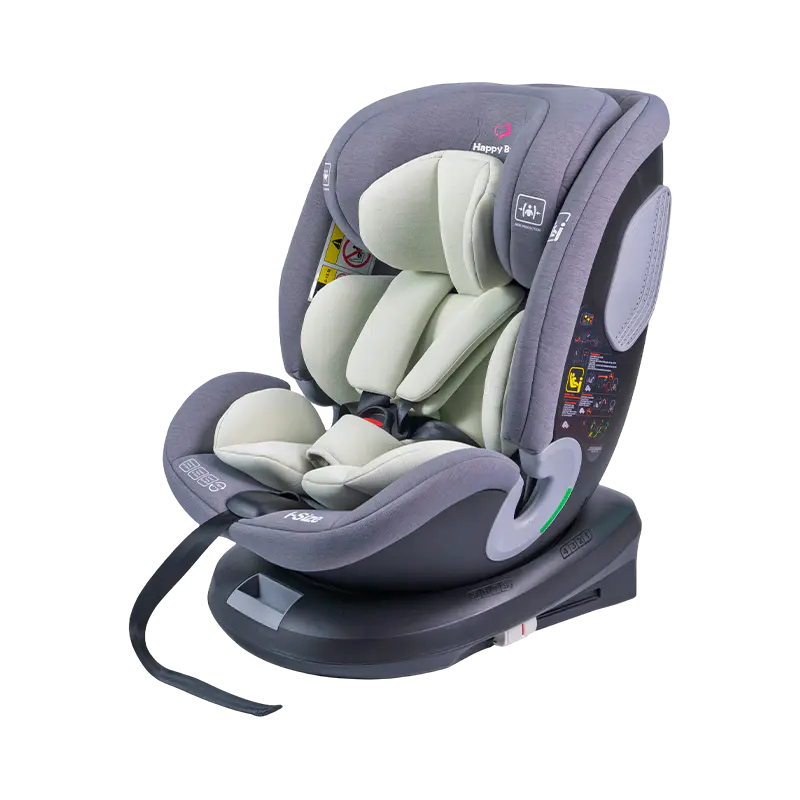

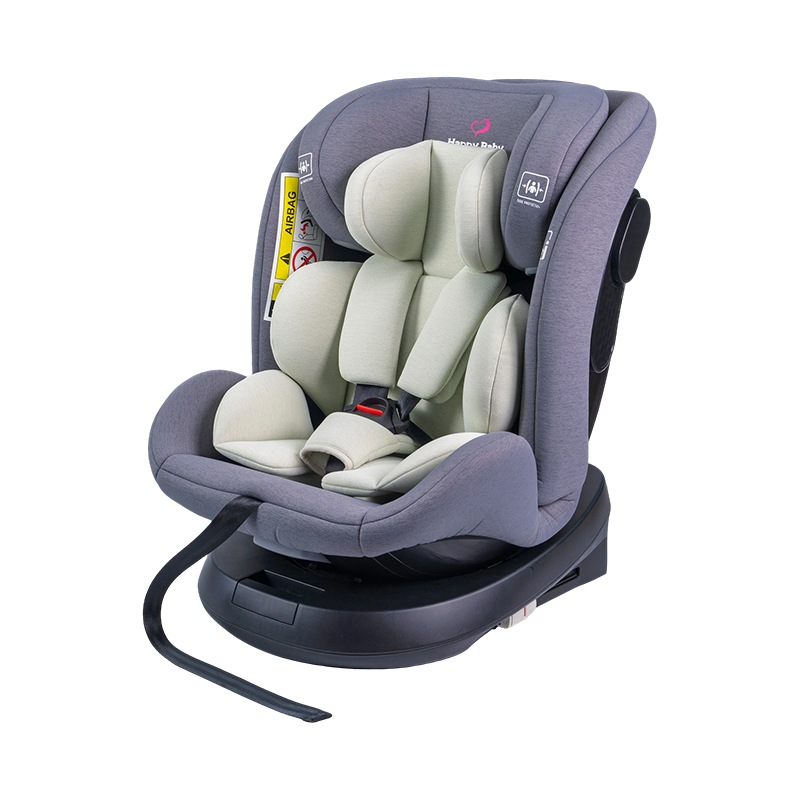
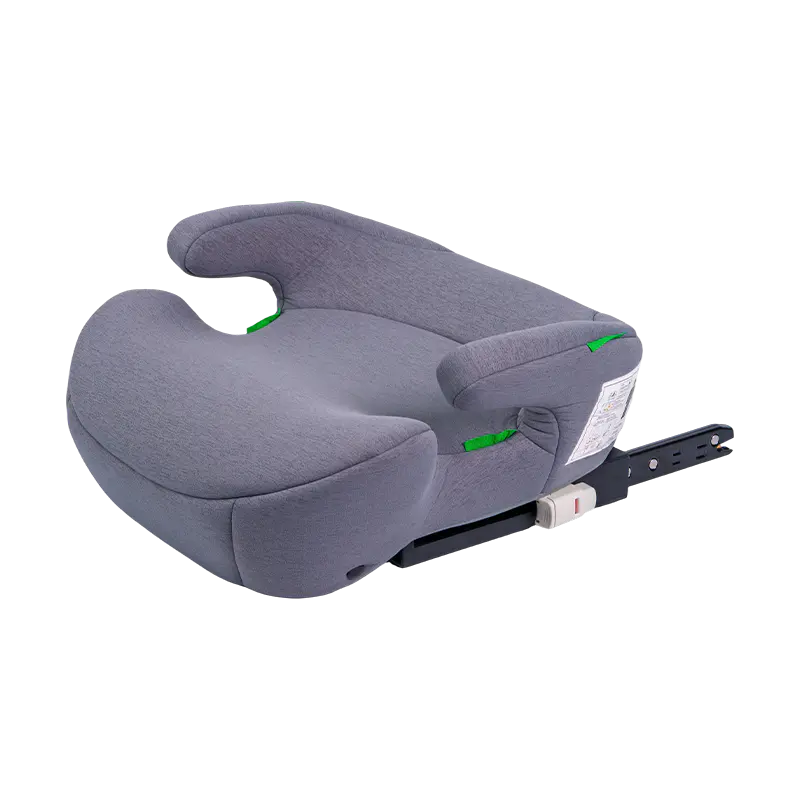
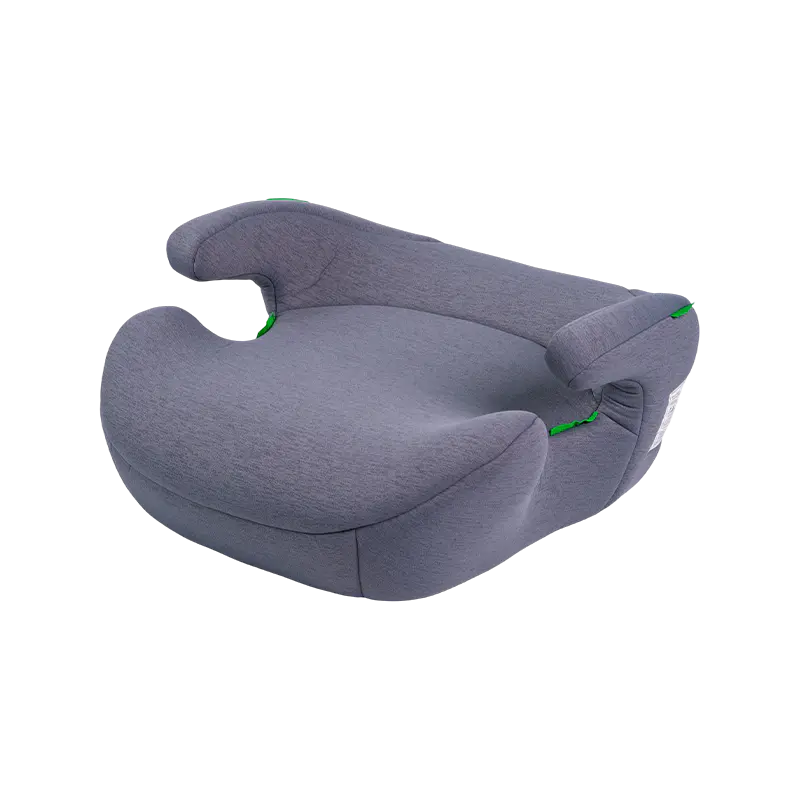
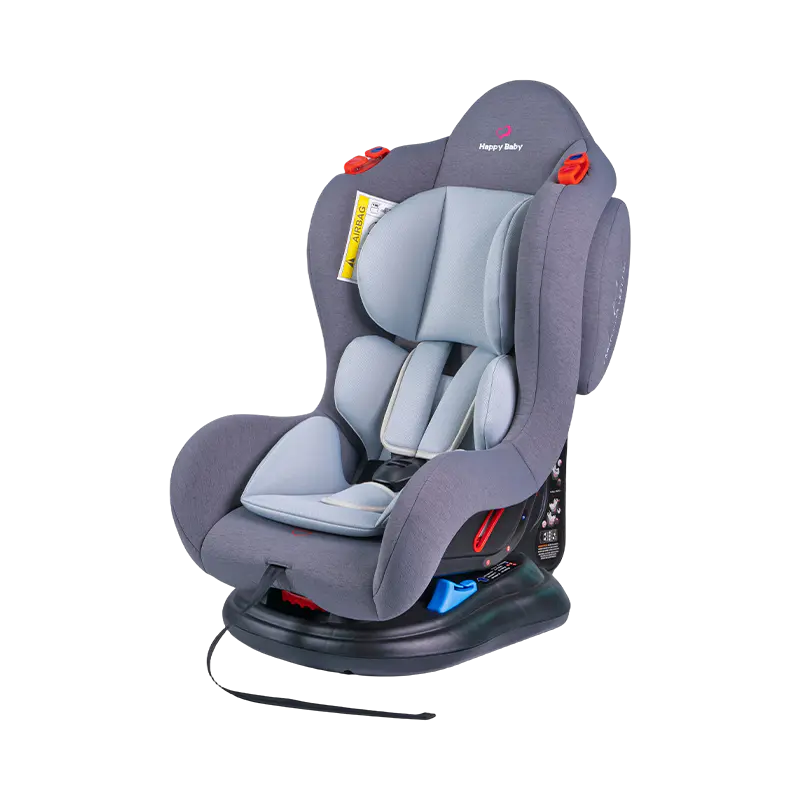

For the safety of babies' travel, we are committed to being a reliable partner for babies and families, and to becoming an expert in children's car safety seats. This is our eternal pursuit.
Contact Us
For exclusive deals and latest offers, sign up by entering your email address below.
CONTACT INFORMATION
-
Address: North of Sitong Road and west of Lianfu Port, Hongqiao Industrial Park, Taixing City, Jiangsu Province
-
Phone: +86 15996087029
-
E-mail: [email protected]
Copyright © JIANGSU HAPPY BABY SAFETY SEAT CO., LTD. All Rights Reserved.
Wholesale Child Travel Safety Seat Factory