
 English
 中文简体
中文简体 Home / News / Industry News / What Should Parents Consider When Choosing an Adjustable Infant Seat for Their Baby's Growth
Industry News
What Should Parents Consider When Choosing an Adjustable Infant Seat for Their Baby's Growth
2026-04-03
Content
As parenting knowledge continues to evolve, parents are increasingly discerning about the products they choose for their babies, particularly for key safety items like infant seats. Adjustable infant seats are not only designed to adapt to a baby's growth, but they also provide enhanced comfort and safety. This article details how to choose an adjustable infant seat that supports a baby's growth, helping parents make an informed decision.
Consider the Seat's Safety
Safety is the most important factor when selecting any infant seat. An adjustable infant seat must meet strict safety standards. Parents should first check whether the seat complies with international or national safety certifications, such as the "EU ECE R44/04" or the "US FMVSS 213 standard". These certifications ensure that the seat provides effective protection for babies in the event of a collision.
Next, examine the seat's 5-point harness system. Compared to a 3-point harness, a 5-point harness offers better fixation during a crash, reducing the risk of injury to the baby. Adjustable seats typically feature multiple harness slots, making it easy to adjust as the baby grows, ensuring that the seat always provides optimal safety protection.
Comfort and Adaptability of the Seat
As babies grow, their physical development and comfort needs evolve. When selecting an adjustable infant seat, comfort and adaptability are critical. A good adjustable seat should be able to adjust the seat's angle, width, and depth to meet the changing needs of the baby.
The seat's backrest should offer multiple adjustment angles. Especially for newborns, the seat should provide a near-flat position to avoid neck discomfort due to insufficient support. As the baby grows, the backrest can be adjusted to a more upright position to ensure the baby's comfort while seated, avoiding fatigue from prolonged sitting.
Additionally, the seat cushion should be made of soft and breathable materials, such as memory foam or soft fabrics, which help disperse pressure and offer a more comfortable experience. The seat's padding and liner should be removable for easy cleaning.
Age Range of the Seat
The design of adjustable infant seats typically indicates the age range for which the seat is suitable. Parents should carefully check whether the seat supports the baby's growth stages. From infancy to toddlerhood, a baby's weight, height, sitting posture, and safety needs constantly change. An ideal adjustable seat should accommodate these changes.
For example, some adjustable infant seats are designed for use from birth up to 4 years old (or even longer). These seats often include removable infant inserts, adjustable backrest angles, and adjustable harness systems, helping parents provide appropriate support for the baby at different growth stages.
Seat Installation and Portability
Many families may use the infant seat in different vehicles, so the seat's installation convenience and portability are important factors to consider. The most common installation methods are ISO-FIX systems or seat belt installation. ISO-FIX is the most secure and stable installation method, reducing the likelihood of human error during installation. For parents who need to frequently remove and install the seat, choosing a seat that is easy to install and uninstall is essential.
Additionally, the seat's weight should also be taken into account. If parents need to move the seat frequently between vehicles or use it at home, a seat with an appropriate weight is ideal. Lighter seats are easier to carry and install but must still ensure safety and stability.
Ease of Cleaning and Maintenance
Infant seats are bound to get dirty with food, drinks, and other messes, so ease of cleaning and maintenance is an important consideration. The fabric portions of the seat should be removable and machine washable for easy cleaning. Moreover, the seat's design should minimize dust and dirt accumulation, with surfaces that are easy to wipe down.
Some seats are designed with antimicrobial or waterproof features, which can effectively reduce the attachment of stains and extend the lifespan of the seat. Regular cleaning not only helps maintain hygiene but also prevents skin irritations or discomfort from bacteria buildup.
Brand Reputation
Choosing an adjustable infant seat from a reputable brand offers parents more assurance. Established brands often have rigorous quality control and excellent after-sales services to ensure a better long-term user experience. Parents can refer to reviews and experiences from other parents to understand how the seat performs in real-life situations.
Well-known brands such as Britax, Chicco, and Maxi-Cosi have earned strong reputations in the market. By understanding the features and after-sales services of these brands, parents can make a more confident choice for the right adjustable infant seat.
Price vs. Value
Finally, parents should consider their budget when choosing an adjustable infant seat. High-end adjustable seats typically offer more features, such as extra safety protection systems, better comfort design, and higher-quality materials, but they come at a higher price. Mid-range and budget seats usually offer more basic safety and comfort features at a more affordable price.
Parents need to balance their actual needs with their budget and choose a seat with high value for money. Importantly, even though a lower-priced seat may not have all the features of a high-end model, it should still ensure safety and comfort for the baby.
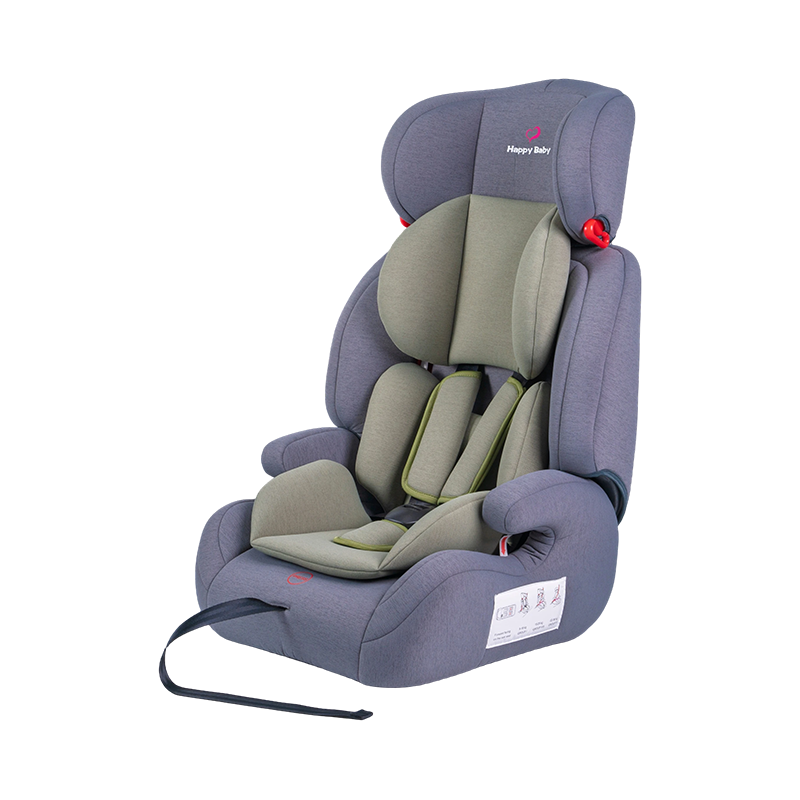
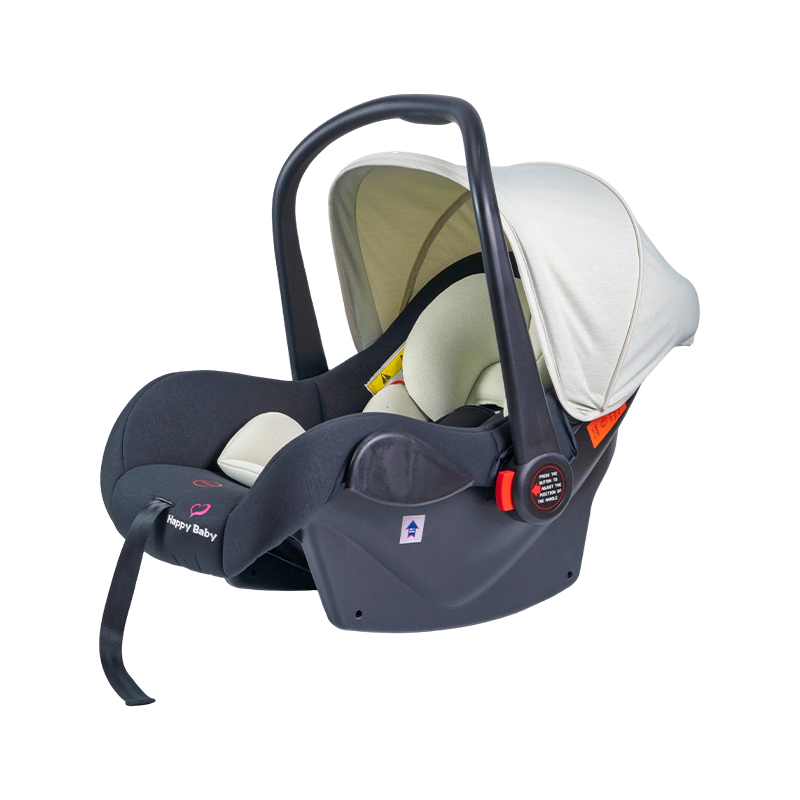
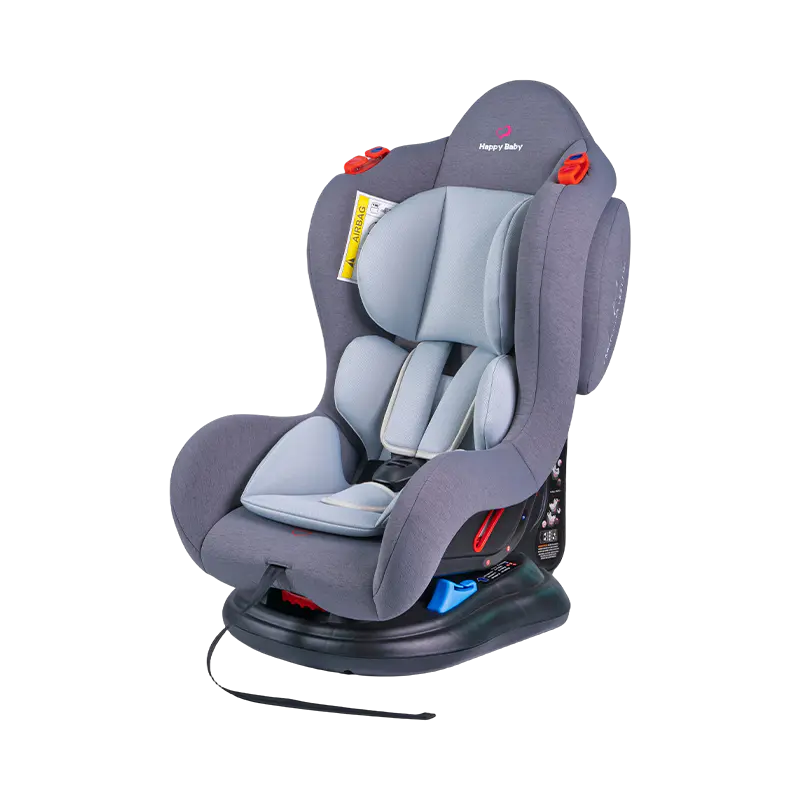

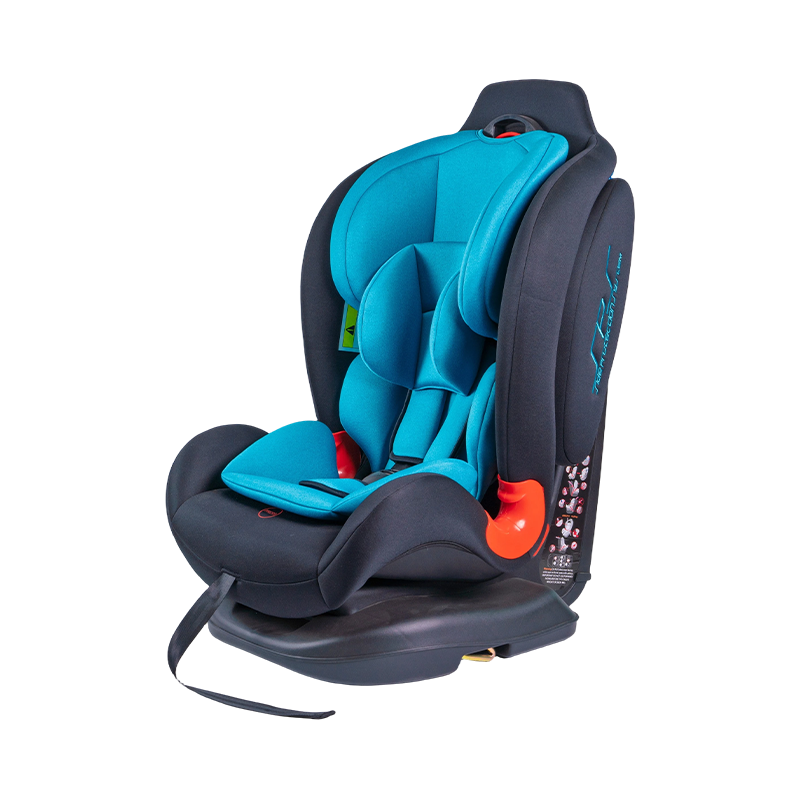
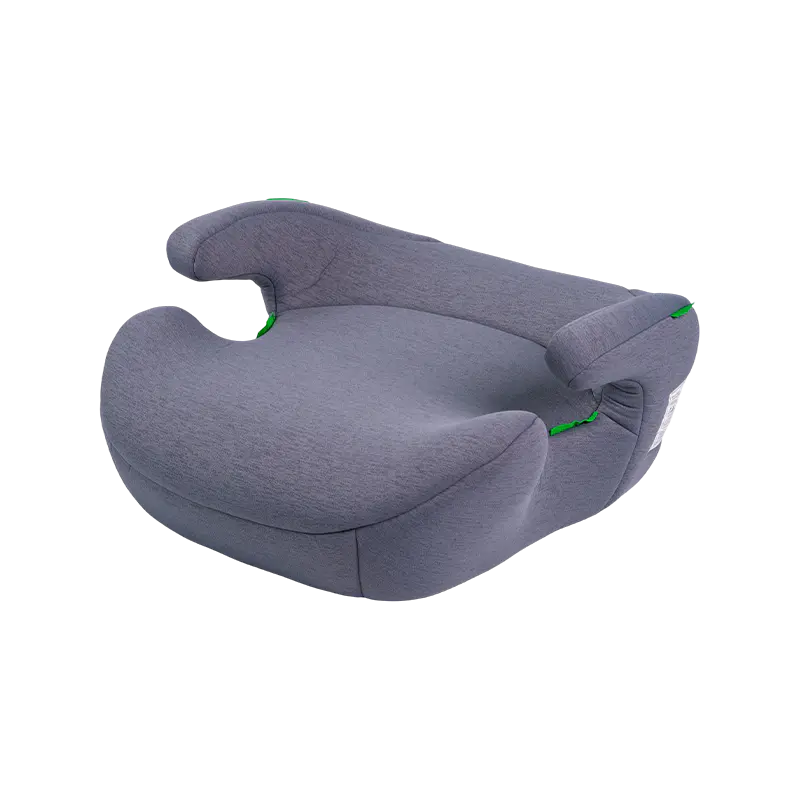

For the safety of babies' travel, we are committed to being a reliable partner for babies and families, and to becoming an expert in children's car safety seats. This is our eternal pursuit.
Contact Us
For exclusive deals and latest offers, sign up by entering your email address below.
CONTACT INFORMATION
-
Address: North of Sitong Road and west of Lianfu Port, Hongqiao Industrial Park, Taixing City, Jiangsu Province
-
Phone: +86 15996087029
-
E-mail: [email protected]
Copyright © JIANGSU HAPPY BABY SAFETY SEAT CO., LTD. All Rights Reserved.
Wholesale Child Travel Safety Seat Factory