
 English
 中文简体
中文简体
Industry News
Which Type of Car Seat Belt Should Be Used with I-Size Baby Car Seats
2026-05-01
Content
The I-Size baby car seat, as part of the new European safety standard (UN R129), focuses on improving children's safety in vehicles. Compared to the traditional ECE R44/04 standard, the I-Size seat upgrades many aspects, especially in installation and safety requirements. This article will explore in detail which type of car seat belt is required for the I-Size baby car seat, and compare the ISOFIX system with traditional seat belts.
I-Size Car Seat and ISOFIX System
One notable feature of the I-Size car seat is that it requires installation with the ISOFIX system. ISOFIX is an internationally standardized fixation system that connects the car seat directly to the car’s fixed points, reducing the risk of installation errors. Unlike traditional seat belt installations, the ISOFIX system secures the seat with two metal brackets, offering a more stable and reliable protection. The I-Size seat's instructions specifically require the use of the ISOFIX system, rather than relying on the vehicle’s seat belt for installation.
The advantage of the ISOFIX system lies in its simplicity and high safety. Parents can easily install the seat and ensure it is in the correct position. On the other hand, traditional seat belt installations may pose risks of incorrect installation, especially in different car models, leading to seat displacement during an accident and reducing its protective effect.
I-Size Seats and Traditional Seat Belt Compatibility
Although I-Size seats generally require the use of the ISOFIX system, some I-Size seats can also be installed with the vehicle’s seat belt. These seats are designed to be compatible with both ISOFIX and traditional seat belts for use in cars without ISOFIX interfaces. However, when using the seat belt, specific requirements must be met to ensure the seat belt properly secures the seat.
Compared to ISOFIX installation, using the seat belt to install an I-Size seat requires ensuring the seat belt is tight and passes through the seat’s seat belt channels correctly. The quality and installation method of the seat belt directly affect the safety of the seat. If the seat belt is installed incorrectly, the seat may move or fail to provide adequate protection, so it is crucial to ensure the seat belt is fully tensioned and meets the I-Size seat’s installation standards.
Comparison Between ISOFIX System and Traditional Seat Belts
- Stability The primary advantage of the ISOFIX system is its more stable installation method. ISOFIX directly connects the seat to the car’s structure, almost eliminating the risk of installation errors. In contrast, traditional seat belt installations can lead to loosening, tangling, or improper securing, especially in older car models.
- Safety The ISOFIX connection system effectively reduces seat displacement during collisions, offering stronger protection for babies. Studies have shown that seats installed with ISOFIX are more stable during accidents, significantly reducing the risk of injury to babies. Traditional seat belt installations, on the other hand, may cause the seat to shift during a collision, increasing the risk of harm to the child.
- Ease of Installation Installing an I-Size seat using the ISOFIX system is much quicker and easier than using the traditional seat belt. The ISOFIX connection points are prominent and easy to operate, allowing most parents to quickly secure the seat and ensure it is stable. Installing with a seat belt requires careful inspection of each seat belt to ensure it is correctly positioned and tensioned, which typically takes more time and effort.
Seat Belt Requirements for I-Size Seats
Although I-Size seats generally recommend the use of the ISOFIX system, in vehicles without ISOFIX, the I-Size seats can still be secured with the car’s seat belt. In such cases, the following aspects are crucial:
- Correctly Passing Through the Seat Belt Channels The seat belt must pass through the I-Size seat’s designated seat belt channels. These channels are usually located on the sides or back of the seat, and it is essential to ensure that the seat belt passes through completely and is tightly fastened.
- Ensuring the Seat Belt Is Tight During installation, it is important to ensure the car seat belt is tightly fastened, with no slack. A loose seat belt cannot provide adequate protection and may allow the seat to shift during a collision, reducing its effectiveness.
- Connecting the Seat to the Car’s Structure When using a seat belt, the seat must be securely connected to the car’s structure. Any improper securing method can lead to seat displacement during an accident, increasing the risk of injury to the child.
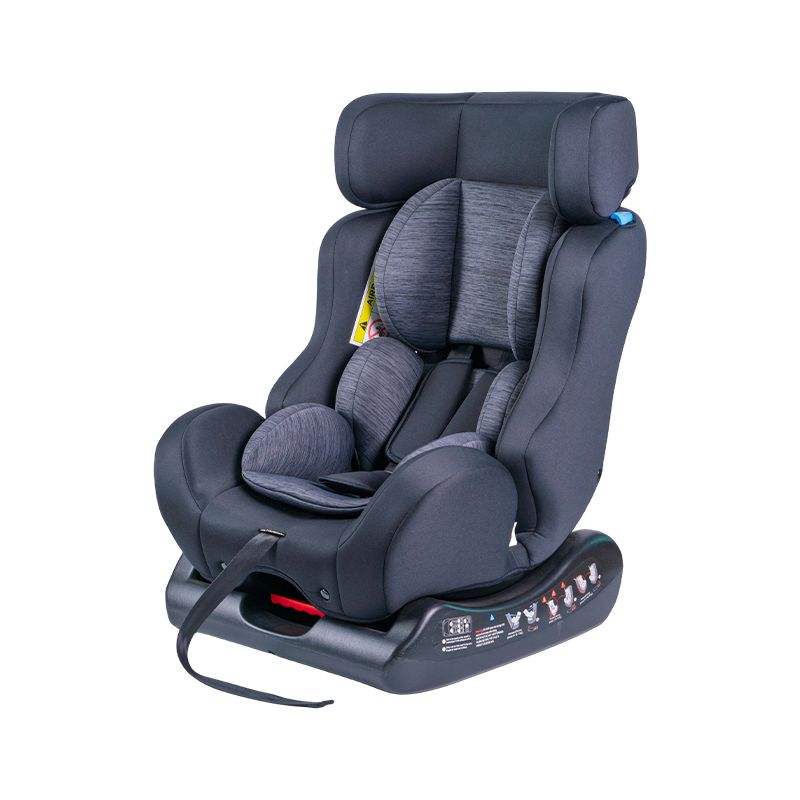
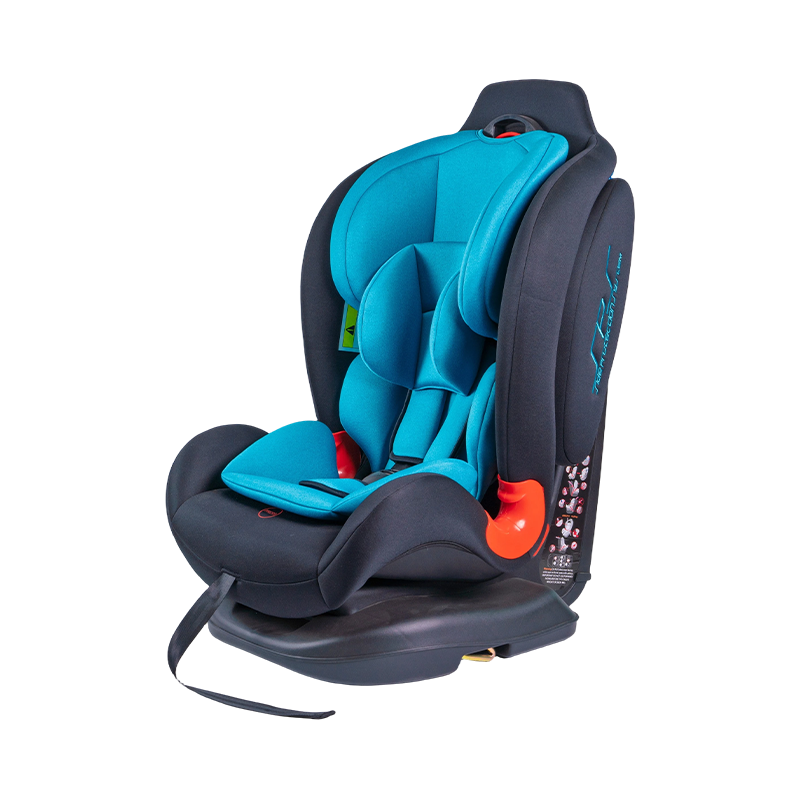
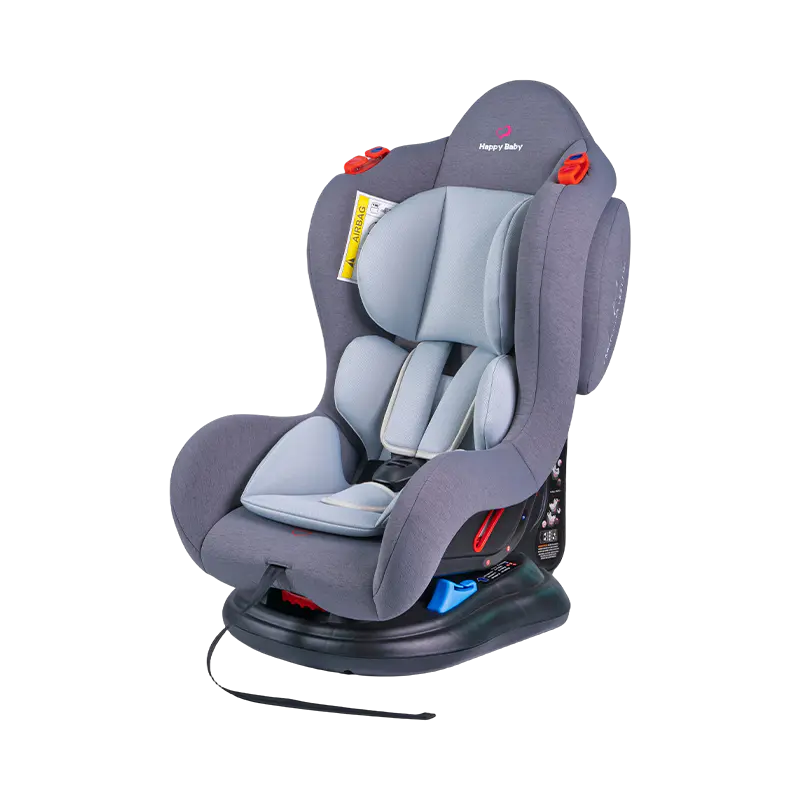
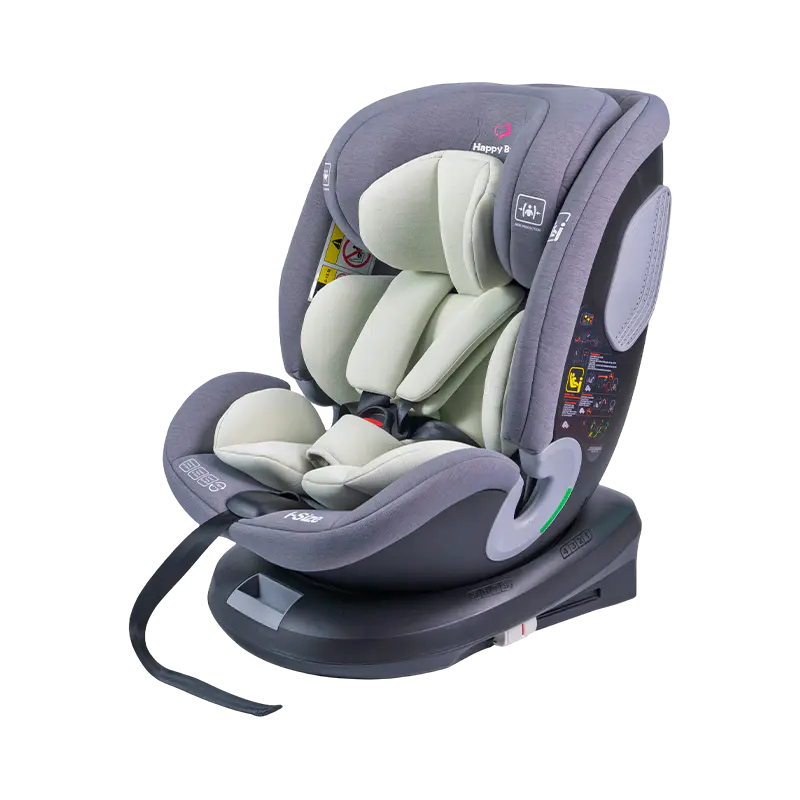
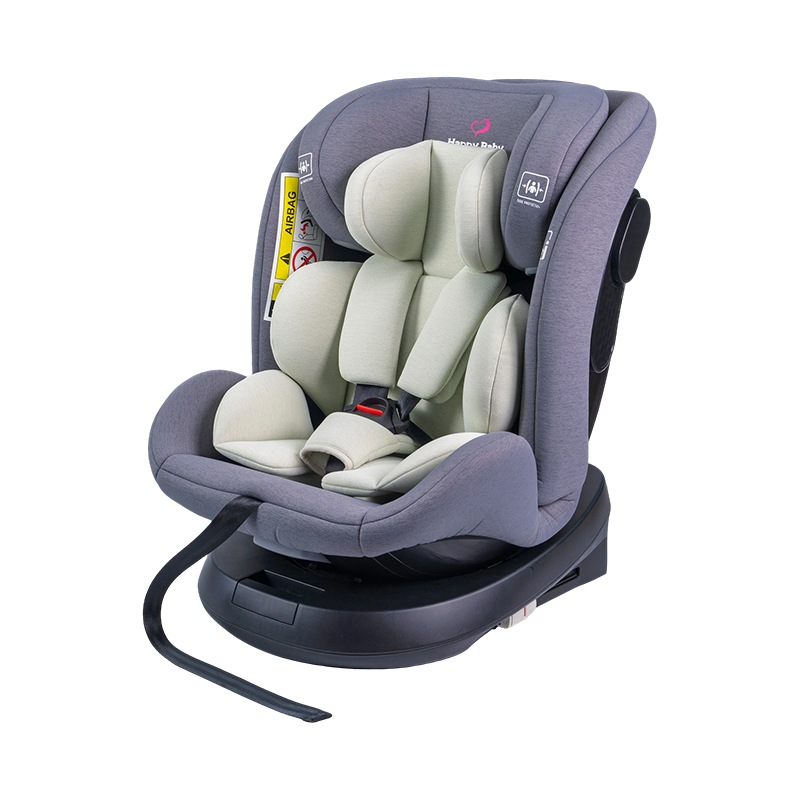
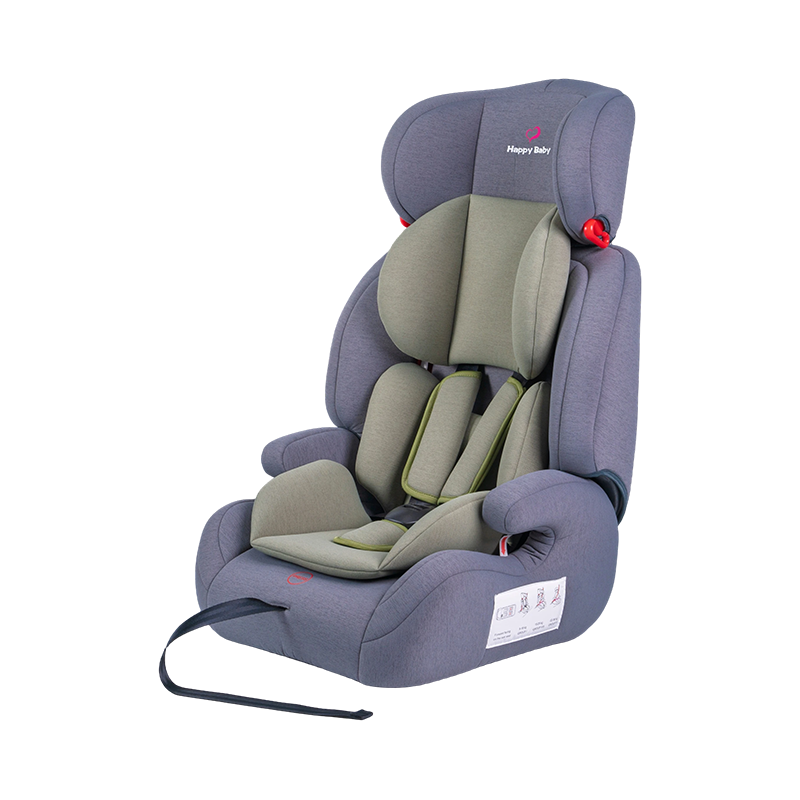

For the safety of babies' travel, we are committed to being a reliable partner for babies and families, and to becoming an expert in children's car safety seats. This is our eternal pursuit.
Contact Us
For exclusive deals and latest offers, sign up by entering your email address below.
CONTACT INFORMATION
-
Address: North of Sitong Road and west of Lianfu Port, Hongqiao Industrial Park, Taixing City, Jiangsu Province
-
Phone: +86 15996087029
-
E-mail: [email protected]
Copyright © JIANGSU HAPPY BABY SAFETY SEAT CO., LTD. All Rights Reserved.
Wholesale Child Travel Safety Seat Factory