
 English
 中文简体
中文简体 Home / News / Industry News / I-Size Baby Car Seat vs Traditional ECE R44/04 Car Seat: Which is Safer
Industry News
I-Size Baby Car Seat vs Traditional ECE R44/04 Car Seat: Which is Safer
2026-04-24
When choosing a baby car seat, the safety of the seat is undoubtedly the most important consideration for parents. With the continuous updating of car seat standards, I-Size and the traditional European ECE R44/04 car seats have become the two main standards on the market. While both aim to ensure the safety of babies, I-Size seats have significant advantages in terms of safety from multiple perspectives.
Differences Between I-Size and ECE R44/04 Standards
The I-Size (UN R129) is the latest European baby car seat safety standard. Compared to the traditional ECE R44/04 (European Standard 44/04), I-Size has made improvements in several key areas. One notable feature of the I-Size standard is its emphasis on side-impact protection for babies, along with strict regulations on seat size and installation requirements to ensure higher safety.
The ECE R44/04 standard primarily selects appropriate car seats based on the child’s weight, while I-Size selects seats according to the child’s height. This means I-Size seats can more accurately fit the baby’s body shape, reducing the potential risks associated with ill-fitting seats.
Safety Advantages of I-Size Car Seats
- Side Impact Protection I-Size seats have a particular focus on enhancing side-impact protection, something traditional ECE R44/04 seats lack. Side impacts are one of the most common and fatal types of car accidents. Therefore, I-Size seats are designed with stronger side protection structures to effectively reduce the impact force on babies.
- ISOFIX Installation System I-Size seats require the use of the ISOFIX installation system, rather than using the traditional car safety belt. The ISOFIX system firmly connects the seat to the car’s seat, eliminating the safety risks associated with incorrect installation. Although ECE R44/04 seats can also use ISOFIX, it is not mandatory, and many seats under this standard still use the safety belt method.
- Longer Rear-Facing Installation According to I-Size standards, babies should use rear-facing seats at least until 15 months of age. Research shows that rear-facing seats significantly reduce the strain on the neck and spine during a collision, greatly improving safety. In contrast, ECE R44/04 does not mandate this, and many parents may switch to a forward-facing seat before the baby is even one year old, increasing the risk of injury.
Limitations of ECE R44/04 Car Seats
Although ECE R44/04 seats have provided reliable safety for millions of babies over the years, this standard no longer meets the complexities of modern car accidents. First, the weight classification in ECE R44/04 does not fully account for differences in height and body shape, which may lead to seats being either too large or too small, affecting the baby’s safety. Additionally, the side-impact protection design of traditional seats is not as refined as I-Size seats, providing insufficient protection in the event of a side collision.
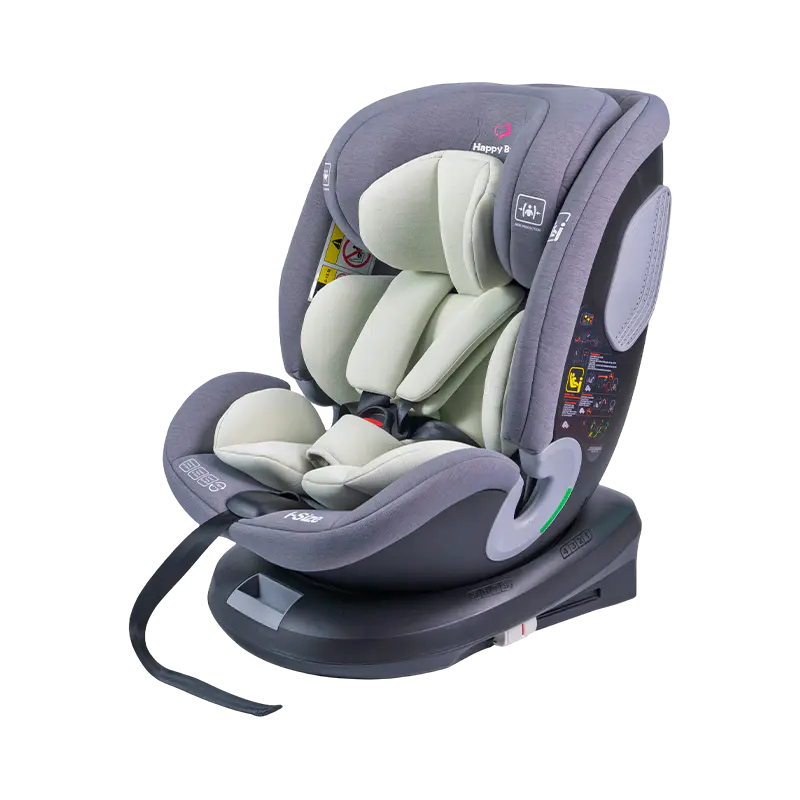
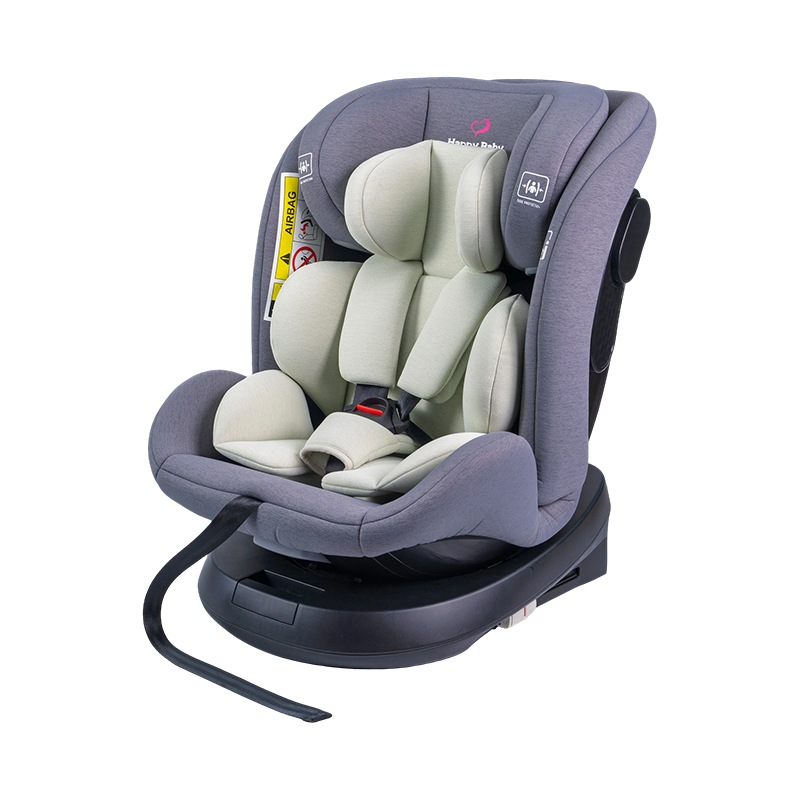
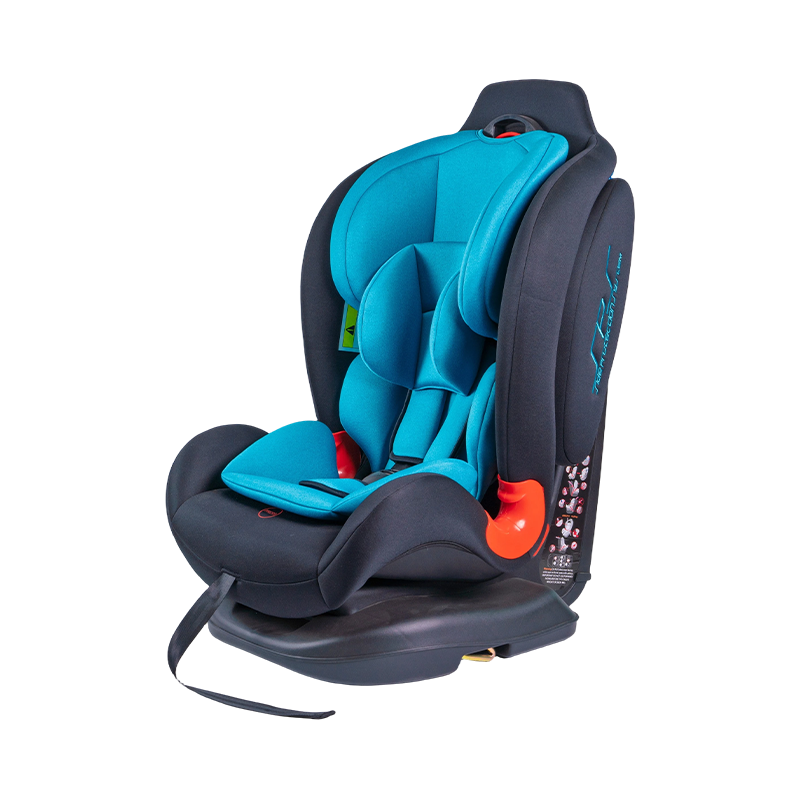
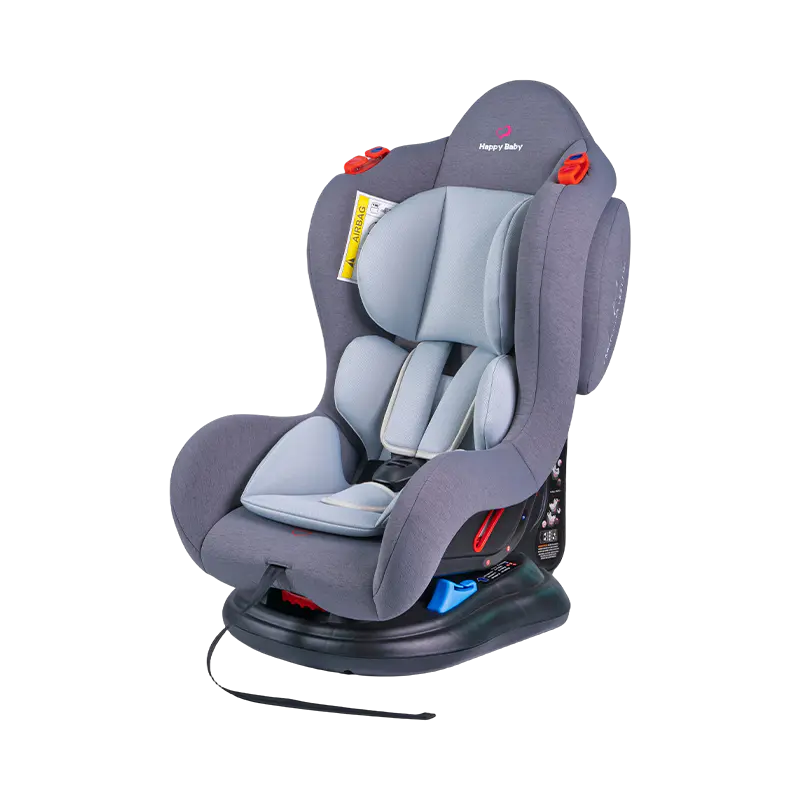
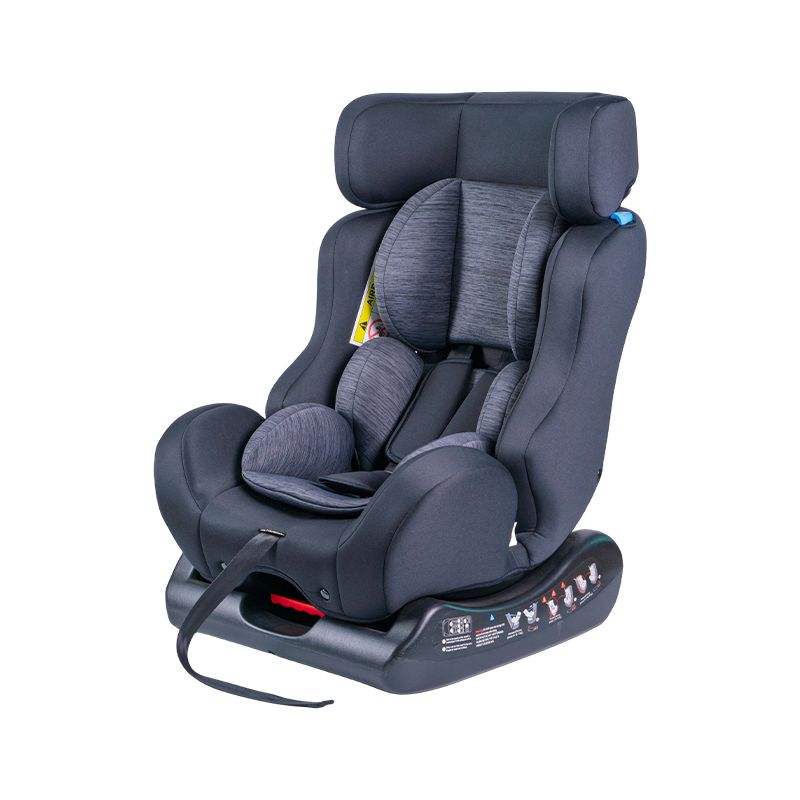
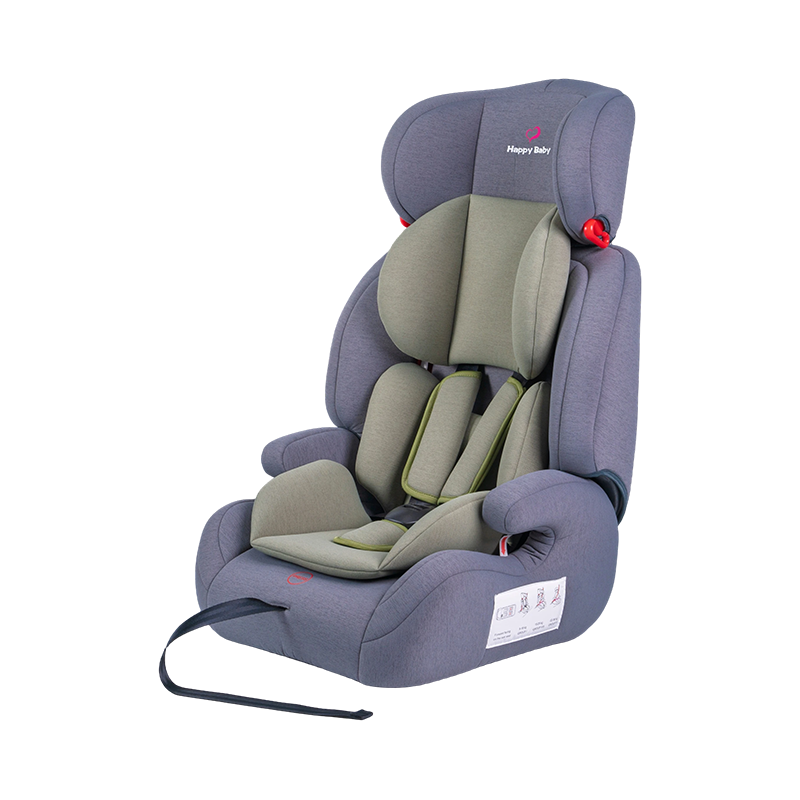

For the safety of babies' travel, we are committed to being a reliable partner for babies and families, and to becoming an expert in children's car safety seats. This is our eternal pursuit.
Contact Us
For exclusive deals and latest offers, sign up by entering your email address below.
CONTACT INFORMATION
-
Address: North of Sitong Road and west of Lianfu Port, Hongqiao Industrial Park, Taixing City, Jiangsu Province
-
Phone: +86 15996087029
-
E-mail: [email protected]
Copyright © JIANGSU HAPPY BABY SAFETY SEAT CO., LTD. All Rights Reserved.
Wholesale Child Travel Safety Seat Factory