
 English
 中文简体


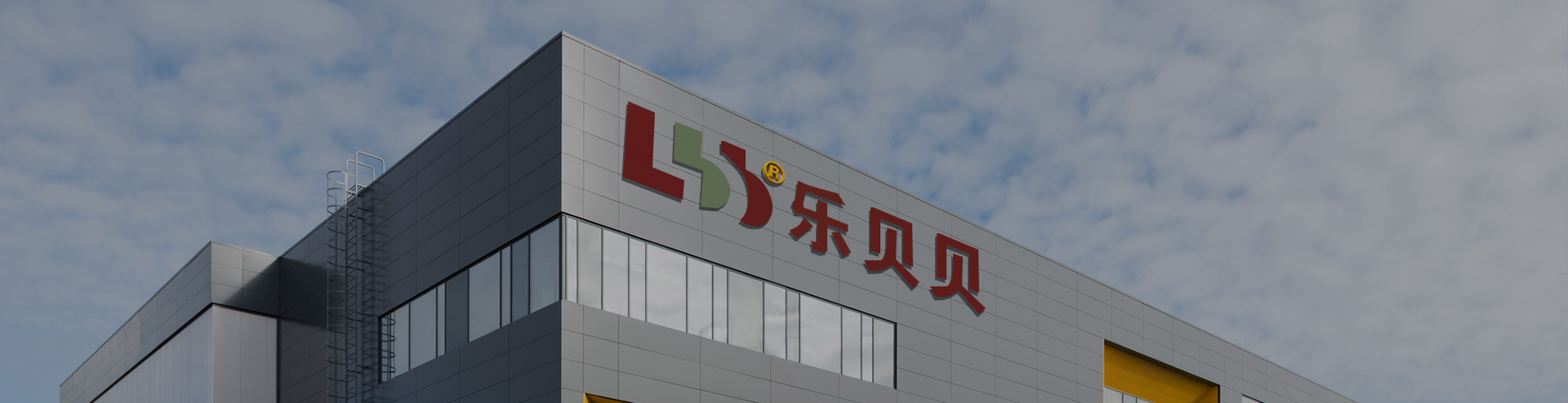
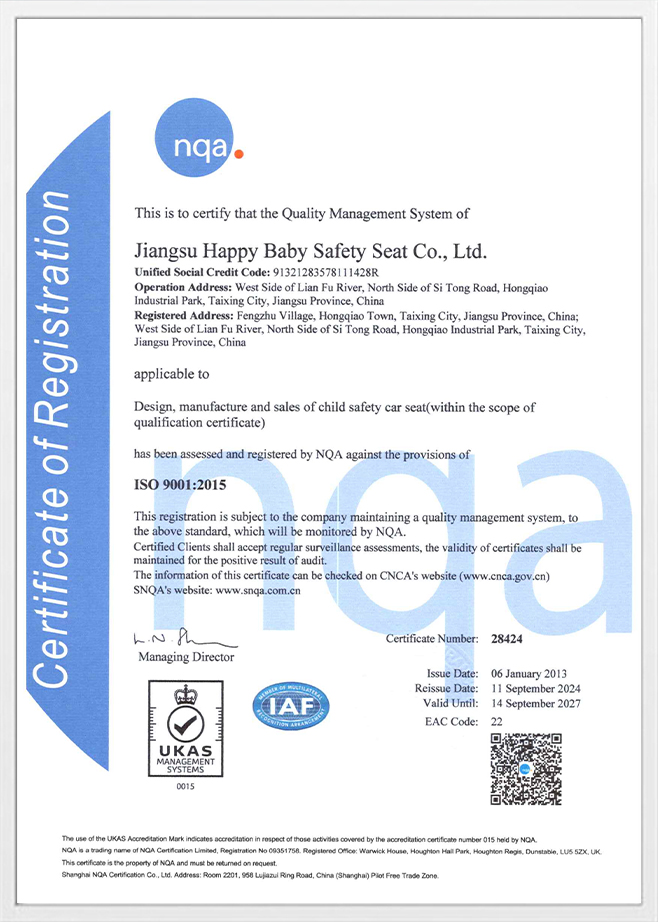
Since its establishment in 2011, the company has been professional China Rear Facing i-Size Baby Car Seat Manufacturers and Wholesale Rear Facing i-Size Baby Car Seat Factory, and has closely followed the development trends of domestic and international markets, strictly adhered to the European ECE-R44, ECE-R129 and Chinese GB (CCC) standards, and passed the ISO 9001:2008 quality management system certification to ensure stable supply and reliable quality.
Drawing on the care of parents and professional experience in automotive safety, we combine user-friendly designs for parents with strict manufacturing standards to ensure children are comfortable and happy, allowing parents to relax and focus on their trips.
Rear Facing i-Size Baby Car Seat Wholesale
2026 R129 i-Size Certified · Extended Rear-Facing
Rear Facing
i-Size Baby Car Seat
Purpose-built for extended rear-facing travel, following the Scandinavian safety principle that a rear-facing child absorbs crash forces across the whole back and head, not just the neck.
- ✔ i-Size (R129) Certified
- ✔ Rear-Facing Only Design
- ✔ Deep Recline for Sleep
- ✔ 40–105cm / Birth–4 Years
Rear-Facing Seat
i-Size · Extended Rear-Facing
Birth to Approx. 4 Years
R129 · i-Size
Featured Products
Explore our full range of R129 certified convertible car seats


Rear Facing i-Size Baby Car Seat: The Complete Guide
The Rear Facing i-Size Baby Car Seat is built on a simple premise: a child rear-facing in a collision has their entire back, shoulders and head cradled by the shell, spreading crash force across the body instead of concentrating it on the neck. This seat commits fully to that orientation rather than compromising for a forward-facing mode.
What makes a rear-facing-only shell different? Without needing to accommodate a forward-facing harness routing, engineers can dedicate more shell depth and foam volume to the rear-impact zone. A reinforced rear-impact bar and anti-rebound bar work together to limit how far the seat can rotate into the vehicle bench during a frontal collision — a protection specific to this orientation.
R129 set a minimum, this seat goes further. The i-Size standard requires rear-facing travel until at least 15 months, a major step up from the older R44 standard's forward-facing allowance from 9kg. This seat's shell and harness are sized to comfortably support rear-facing travel up to approximately 4 years or 105cm in height.
Comfort for long journeys. A five-position recline moves from a near-flat angle suited to a newborn's developing spine, through to a more upright setting for an alert toddler who wants to see out the window. The recline mechanism is linked to the harness adjuster, so strap tension stays correct no matter the angle.
Installation is anchored and monitored. ISOFIX connectors combine with the anti-rebound bar for a rigid, three-point connection to the vehicle. Colour-coded indicators confirm correct installation before every journey.
Built to last through the highest-risk years. The fabric set is Oeko-Tex 100 certified and machine-washable, while the shell itself is engineered to the same 6-year usable lifespan as our convertible models, tested specifically under rear-facing crash scenarios.
In short, the Rear Facing i-Size Car Seat is for caregivers who want a shell built around one job — rear-facing protection — done as thoroughly as the R129 standard allows.
Rear-Facing Protection Data
Why keeping a child rear-facing longer measurably reduces injury risk.
Head & Neck Injury Risk by Orientation
Relative injury risk indexBased on published crash-test research
Recommended Rear-Facing Duration
Neck protection improves the longer a child stays rear-facingR129 height-based fit
Rear-Facing Households, 2026 Survey
82% of parents using a dedicated
rear-facing-only seat kept their
child rear-facing past 2 years old
rear-facing-only seat kept their
child rear-facing past 2 years old
Neck Load Reduction vs. Forward-Facing
Rear-facing vs. forward-facing at same ageLower neck load is safer
Why Choose a Rear-Facing-Only Seat
No forward-facing mode means every design decision serves one goal: extended rear-facing safety.
01
Purpose-Built Rear-Facing Shell
With no forward-facing mechanism to accommodate, the shell geometry is optimised purely for rear-facing crash dynamics and deep recline comfort.
02
Deep Sleep Recline
A near-flat recline position supports a newborn's developing spine and lets toddlers nap comfortably on longer rear-facing journeys.
03
Extended Rear-Facing to ~4 Years
The shell and harness are sized to keep children rear-facing well past the R129 minimum of 15 months, following extended rear-facing best practice.
04
Reinforced Rear Impact Structure
A dedicated rear-impact bar and reinforced base absorb energy from behind, a scenario where rear-facing seats already have a natural safety advantage.
05
ISOFIX + Anti-Rebound Bar
An anti-rebound bar prevents the seat rotating back into the vehicle seat during a frontal collision, a rear-facing-specific safety feature.
06
Wide Recline Range for Growth
As the child grows within the rear-facing weight range, the recline angle adjusts to keep the head supported without crowding the vehicle seatback.


ABOUT HAPPY BABY
When Safety Counts, We’re Always Ready.
40,000m²
Factory Building Area
200+
Employee
2011
Established
10M
Annual export volume
Certificate Of Honor
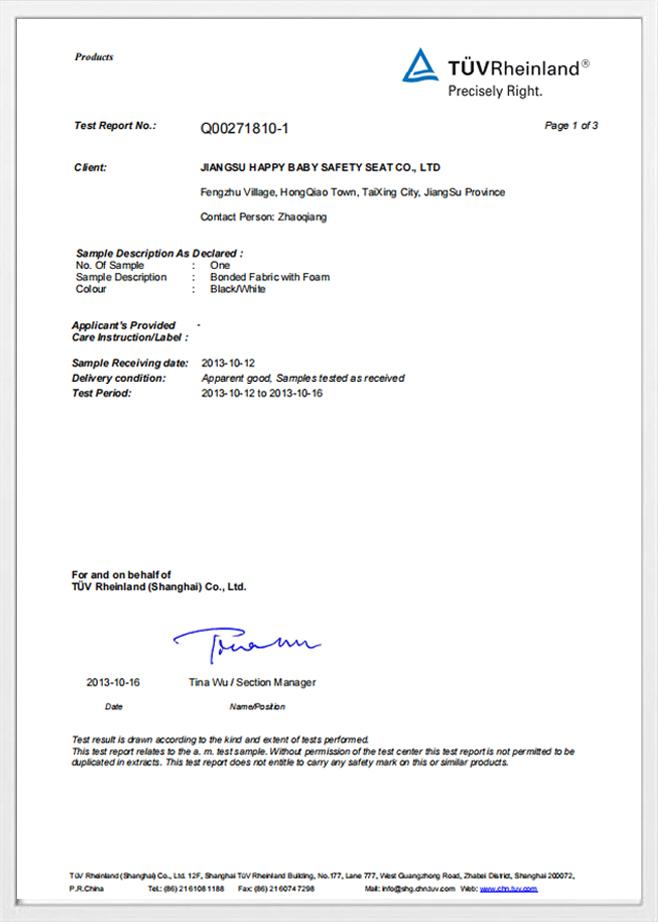

Relevant Certification
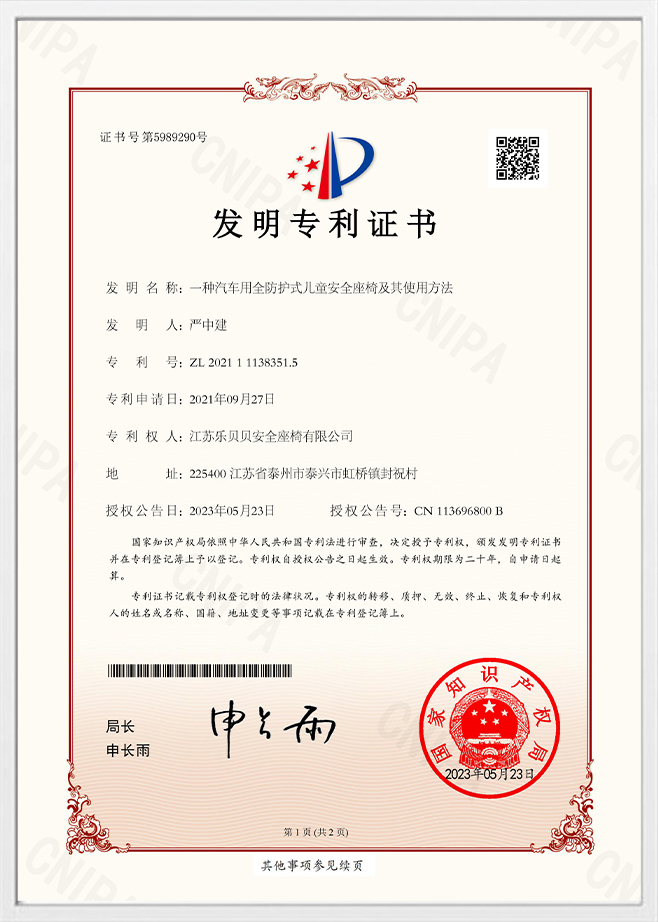
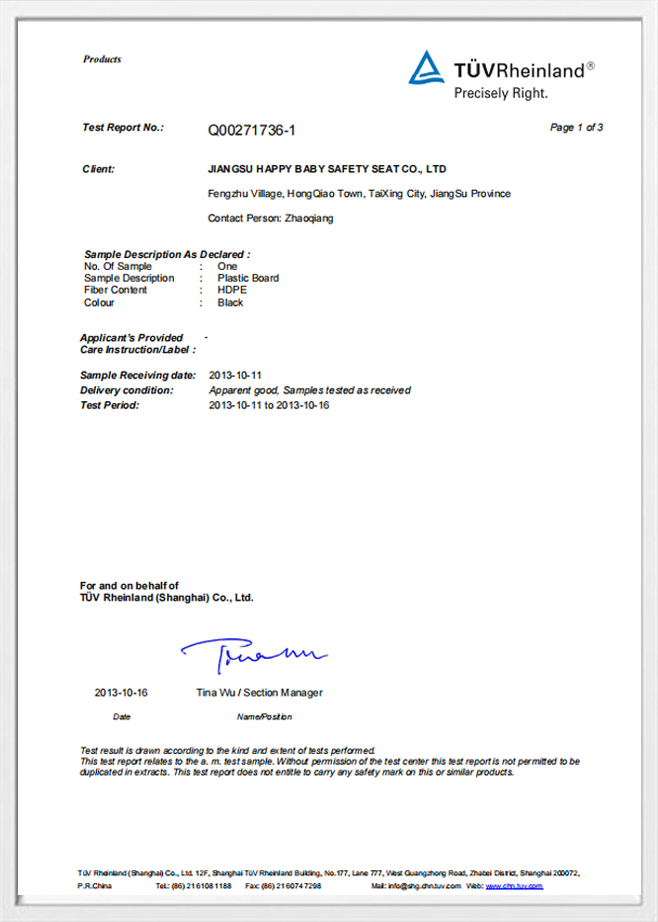
Standards and certification are significant means to show the quality and social responsibility of fabric products. Obtaining these certifications encourages sustainable and ethical production methods and builds the trust of partners and customers in a company.

CCC

CE

ISO

GSG

TÜV
WHY HAPPY BABY?

Rigorous Testing
Strict supervision of partner factories, ongoing Physical & chemical testing.
Safety First
From thoughtful design to shock-absorbing materials, our child safety seats are all equipped with safety features.
Durable and Long-Lasting
Our children's car safety seats are made of sturdy and high-quality materials and have undergone strict quality control and testing procedures.
Ergonomics
Simulate the curvature of the mother's embrace to keep the spine of infants and young children in a relaxed state and reduce the fatigue caused by long-distance travel.
PRODUCT TESTING VIDEO
Our products have passed static and dynamic collision (frontal/side/rolling scene simulation), impact, tensile force, fatigue and durability tests
Frontal Impact Test
Tensile Force Test
Side Impact Test
How We Work
Consultation
Understand the customer's market positioning, functional requirements, certification requirements (ECE, CCC, etc.), and provide professional selection suggestions.
01
Design & Customization
OEM: Provide customized appearance, Logo and packaging based on the customer's brand. ODM: Rapidly develop new styles based on existing product platforms. Discussion on industrial design, fabric selection, and functional configuration.
02
Prototyping & Validation
3D prototyping, functional prototyping, internal testing + third-party laboratory verification, and sample submission for review.
03
Certification & Compliance
Assist in completing the certification process for the target market (ECE, CCC, ISO, SGS/ TUV) and provide complete technical documentation.
04
Mass Production
Automated and standardized production lines, with strict quality control processes (IQC, IPQC, OQC).
05
Delivery & Logistics
Multiple international transportation solutions (sea/air) are available, and destination warehousing and distribution connection can be supported.
06
After-Sales Support
Multiple international transportation solutions (sea/air) are available, and destination warehousing and distribution connection can be supported.
07
R129 (i-Size)
Rear-Facing Requirements
R129 was the first European standard to mandate rear-facing travel for young children, and this seat is built to exceed that minimum by design, not by accident.
- ✓ Rear-Facing Mandate: R129 requires children to remain rear-facing until at least 15 months old; this seat's shell and harness support rear-facing well beyond that point.
- ✓ Anti-Rebound Bar: A dedicated bar reduces rotation of the seat into the vehicle bench during a frontal impact, a protection specific to rear-facing seats.
- ✓ Side-Impact Testing: Deep side wings are tested in the rear-facing orientation only, allowing the foam geometry to be tuned specifically for that position.
- ✓ Height & Weight Dual Limits: 40–105cm / 0–18kg while rear-facing, with no forward-facing mode to compromise the shell's optimisation.
- ✓ Q-Series Dummy Testing: Tested with biofidelic Q-series dummies in rear-facing crash scenarios to validate neck and head protection specifically.
R129 · i-Size
Cert. #R129-2026-RF2
- Height Range: 40 – 105 cm
- Weight Range: 0 – 18 kg
- Orientation: Rear-Facing Only
- Installation: ISOFIX + Anti-Rebound Bar
- Recline: 5 positions, near-flat to upright
- Fabric: Oeko-Tex 100 Certified
- Side Protection: Rear-Facing Optimised Wings
Rear-Facing-Only vs. Convertible Seats
A dedicated rear-facing seat trades convertibility for a shell optimised around a single orientation.
Rear-Facing-Only Seat
- Shell tuned purely for rear-facing crashes.
- Anti-rebound bar included.
- Deep, near-flat recline for sleep.
- No forward-facing conversion.
- Simplifies harness geometry.
Convertible Seat
- Shell compromises between two orientations.
- Anti-rebound bar less common.
- Recline limited by dual-mode design.
- Converts to forward-facing later.
- One seat covers more years.
Why Rear-Facing-Only Appeals
- Optimised protection for the highest-risk years.
- Encourages extended rear-facing by design.
- Better sleep comfort on long trips.
- Simpler mechanism, fewer failure points.
- Ideal as a first seat before a convertible.
Material & Construction
Every layer is shaped around rear-facing crash dynamics.
Shell
Reinforced polypropylene with a rear-impact bar integrated into the base, absorbing energy from behind the vehicle.
Foam
EPS foam concentrated around the head and shoulder zone, the primary contact points in a rear-facing frontal collision.
Fabric
Oeko-Tex 100 certified, soft-touch fabric with extra padding around the recline zone for newborn comfort.
Harness
5-point harness with a recline-linked adjuster so strap tension stays correct as the seat reclines for sleep.
Technical Specifications
Precise details for informed decision‑making.
40–105 cm
Height Range
0–18 kg
Weight Range
Rear-Facing Only
Orientation
ISOFIX
Installation Type
5 Positions
Recline Range
Included
Anti-Rebound Bar
7.2 kg
Net Weight
5 Years
Warranty Period
Frequently Asked Questions
Common questions about choosing a rear-facing-only i-Size seat.
1. Why choose a rear-facing-only seat instead of a convertible?
A dedicated rear-facing shell can be optimised purely for that orientation, giving deeper recline and a reinforced rear-impact structure that a convertible seat has to compromise on.
2. How long should my child stay rear-facing?
R129 sets a legal minimum of 15 months, but this seat's shell supports rear-facing safely up to around 4 years or 105cm, and we recommend staying rear-facing as long as possible.
3. What is an anti-rebound bar and do I need it?
It's a bar that braces against the vehicle seatback to stop the car seat rotating into the bench during a frontal crash; it's included on this seat and is a meaningful rear-facing safety feature.
4. Will my toddler's legs be cramped rear-facing?
Most toddlers naturally sit cross-legged or rest their legs up the vehicle seatback; leg room studies show no increased injury risk from bent legs while rear-facing.
5. What happens when my child outgrows this seat?
Once your child passes 105cm or the maximum rear-facing weight, you'll need to move to a forward-facing or all-stage seat, as this model does not convert.
6. Does deep recline affect crash safety?
No, the recline range is engineered so the harness geometry and shell protection remain correct at every recline angle.
7. Is ISOFIX required, or can I use a seatbelt?
This model is designed for ISOFIX plus the anti-rebound bar; seatbelt-only installation is not supported on this particular seat.
8. Can this seat be used with a newborn immediately?
Yes, the shell and included insert are sized from birth, with the deepest recline position suited to a newborn's developing spine.
9. Does rear-facing limit visibility for my child?
Many rear-facing seats include a mirror accessory so caregivers can monitor the child; the seat itself does not restrict the child's own view out the rear windows.
10. How is this different from the 360 Spin seat in your range?
The Rear Facing i-Size seat has no rotation mechanism or forward-facing mode, trading that flexibility for a shell built solely around rear-facing crash performance.
Give Extended Rear-Facing a Real Shell
Purpose-built for the orientation that protects a child's head and neck best, from birth through the toddler years.
Learn More at Happy BabyComprehensive technical data · 5-Year warranty · Global compliance

For the safety of babies' travel, we are committed to being a reliable partner for babies and families, and to becoming an expert in children's car safety seats. This is our eternal pursuit.
Contact Us
For exclusive deals and latest offers, sign up by entering your email address below.
CONTACT INFORMATION
-
Address: North of Sitong Road and west of Lianfu Port, Hongqiao Industrial Park, Taixing City, Jiangsu Province
-
Phone: +86 15996087029
-
E-mail: [email protected]
Copyright © JIANGSU HAPPY BABY SAFETY SEAT CO., LTD. All Rights Reserved.
Wholesale Rear Facing i-Size Baby Car Seat Manufacturers