
 English
 中文简体
中文简体

Industry News
How Do You Choose and Install a Safety First Car Seat
2026-07-17
Content
- 1 How Does a Safety First Car Seat Protect a Child During Travel?
- 2 What Is the Meaning of Safety Seat?
- 3 What Is a Safety Seat vs Infant Seat?
- 4 What’s the Difference Between a Safety Seat and a Booster Seat?
- 5 How to Install Safety First Car Seat Correctly
- 6 How to Install a Safety First Infant Car Seat
- 7 How to Install Safety First Convertible Car Seat
- 8 How Much Does a Safety First Car Seat Weigh?
- 9 How Long Are Safety First Car Seats Good For?
- 10 What Is the #1 Safest Car Seat?
- 11 Product Construction Details That Influence Car Seat Safety
- 12 Manufacturing and Quality Checks for a Child Safety Seat
- 13 Frequently Asked Questions About Safety First Car Seat Use
- 13.1 Can a child wear a thick winter coat in the harness?
- 13.2 Can lower anchors and the vehicle belt be used together?
- 13.3 Why does the top of a rear-facing seat move?
- 13.4 When should a child move from rear-facing to forward-facing?
- 13.5 Can an aftermarket cushion be added?
- 13.6 How should the harness be cleaned?
- 13.7 Is a heavier child seat automatically safer?
- 13.8 Can a used child seat be accepted without its history?
Child Passenger Safety Guide
How Does a Safety First Car Seat Protect a Child During Travel?
A properly selected and installed safety first car seat is designed to manage the forces created during sudden braking, sharp turns, and vehicle collisions. Its protective performance depends on more than the shell or padding. The seating direction, harness position, installation path, recline angle, child size, vehicle seat structure, and daily adjustment all influence real-world protection.
Searches for safety 1st car seat, car seat safety, installation instructions, product weight, and service life usually come from parents who need practical answers before using a child restraint. This guide explains the major seat categories, installation checks, construction details, replacement conditions, and product features that should be reviewed before every stage of use.
Four Factors That Affect Protection
Correct seat type The restraint must match the child’s current height, weight, and developmental stage.
Correct installation The seat must use the approved belt path, anchor points, and recline position.
Correct harness fit The harness should lie flat, remain snug, and contact the proper areas of the body.
Regular inspection Labels, buckles, straps, shell condition, and expiration information require routine checks.
Seat Selection Child size comes first
Age is useful, but height, weight, torso position, and seating behavior provide a more complete basis for choosing a restraint.
Installation Follow both manuals
The child seat instructions and the vehicle owner’s manual must be reviewed together before installation.
Service Life Check the product label
Manufacture date, model number, expiration information, and recall status should remain readable throughout use.
Daily Use Recheck every journey
Harness tension, chest clip height, clothing thickness, and buckle engagement may change from one trip to another.
01
What Is the Meaning of Safety Seat?
A safety seat is a child restraint engineered to position and secure a child inside a vehicle.
The term safety seat commonly refers to a restraint system developed for infants, toddlers, and children who are too small to obtain proper protection from an adult vehicle belt alone. It may include a rear-facing infant seat, a convertible child seat, a forward-facing harness seat, or a belt-positioning booster.
Adult seat belts are designed around adult body proportions. A young child has a smaller pelvis, shorter torso, lower shoulder position, and relatively heavier head. Without an appropriate child restraint, a shoulder belt may cross the neck or face, while the lap portion may rest on the abdomen instead of the upper thighs and pelvic bones.
A well-designed safety first car seat manages these differences through a shaped shell, energy-absorbing materials, adjustable harness components, buckle systems, side structures, head support, and vehicle attachment points. Each component has a specific function and should not be replaced by an unapproved cushion, strap cover, insert, or accessory.
The Main Functions of a Safety Seat
Restraint
Limits uncontrolled forward, sideways, and rotational movement.
Positioning
Keeps the child in a posture suited to the restraint design.
Force distribution
Spreads impact loads across stronger body areas and the seat structure.
Head and torso support
Helps manage movement of the head, neck, shoulders, and upper body.
02
What Is a Safety Seat vs Infant Seat?
The two terms are related, but they do not describe exactly the same product category.
Safety Seat
A Broad Product Category
Safety seat is a general term covering several child restraint types. It can refer to infant restraints, convertible seats, forward-facing harness seats, combination seats, and booster seats.
- May cover multiple child development stages
- May support rear-facing or forward-facing use
- May use an internal harness or vehicle seat belt
- May remain fixed in the vehicle
Infant Seat
A Rear-Facing Infant Restraint
An infant seat is usually a rear-facing restraint intended for babies within specified height and weight limits. Many designs use a removable carrier that connects to a separately installed base.
- Normally used in the rear-facing position
- Often includes a carry handle
- May attach to a stay-in-car base
- Requires replacement when the child exceeds stated limits
| Seat Type | Typical Direction | Child Restraint Method | Main Use Characteristic |
|---|---|---|---|
| Infant seat | Rear-facing | Integrated harness | Designed specifically for early infancy |
| Convertible car seat | Rear-facing and forward-facing | Integrated harness | Changes mode as the child grows |
| Forward-facing harness seat | Forward-facing | Integrated harness and tether | Used after rear-facing limits are exceeded |
| Booster seat | Forward-facing | Vehicle lap-and-shoulder belt | Improves adult belt positioning |
03
What’s the Difference Between a Safety Seat and a Booster Seat?
The primary difference is how the child is restrained and how crash forces are managed.
A harness-equipped child safety seat restrains the child with straps connected directly to the seat. A typical five-point harness contacts both shoulders, both hips, and the area between the legs. This arrangement helps maintain the child’s position and distribute force across multiple contact points.
A booster seat generally does not restrain the child with its own harness. It raises and positions the child so the vehicle lap-and-shoulder belt fits more like it would on an adult. The lap portion should remain low across the upper thighs and pelvic area. The shoulder portion should cross the center of the shoulder and chest.
A child who moves the shoulder belt behind the back, places it under the arm, leans sideways, or cannot remain seated throughout the journey may not be ready for booster use. Proper car seat safety depends on physical fit and the child’s ability to maintain the correct position.
Booster Readiness Questions
Has the child exceeded the harness limits?
Confirm the maximum height and weight permitted in harness mode.
Can the child sit upright for the full trip?
Frequent leaning or belt movement may reduce protection.
Does the vehicle have a lap-and-shoulder belt?
A booster should be used only with the belt configuration allowed by its instructions.
Does the belt contact the correct body areas?
The belt should not rest across the neck, face, or soft abdomen.
04
How to Install Safety First Car Seat Correctly
Installation begins with identifying the seat mode, vehicle position, and approved attachment method.
Step 1
Confirm the Mode
Identify whether the seat is being used rear-facing, forward-facing, or as a booster. Each mode may use a different belt path, recline setting, harness height, and attachment procedure.
Step 2
Read the Vehicle Instructions
Locate the permitted seating positions, lower anchors, top tether anchors, locking seat belt instructions, airbag warnings, and restrictions for the selected vehicle seat.
Step 3
Select One Approved Attachment
Use either the vehicle seat belt or the lower anchor system when permitted. Do not automatically use both systems together unless the child seat manufacturer specifically allows it.
Step 4
Route and Tighten
Pass the belt or lower anchor strap through the correct path. Remove twists, apply pressure to the seat, and tighten the attachment until movement is controlled.
Step 5
Check Movement
Hold the seat near the active belt path and move it from side to side and front to back. Testing from the top of the seat can give an inaccurate impression of installation tightness.
Step 6
Fit the Child
Position the harness at the required height, remove slack from the hip and shoulder areas, close the chest clip, and verify that the straps lie flat against the body.
Important Installation Control
The Belt Path Must Match the Direction of Use
A rear-facing belt path should not be used for a forward-facing installation. A forward-facing path should not be used for rear-facing operation. The marked routing labels on the shell must remain visible and readable so the user can identify the correct path.
05
How to Install a Safety First Infant Car Seat
An infant restraint requires special attention to rear-facing direction, recline angle, and carrier engagement.
Install the Base or Carrier
Some infant seats use a separate base, while others permit installation without the base. Only the belt routing and procedures specified for the selected method should be used.
Set the Rear-Facing Angle
Use the built-in level indicator, recline line, adjustable foot, or other approved angle reference. The required position may change according to the child’s age, weight, or product configuration.
Verify Carrier Locking
When a removable carrier is placed on its base, confirm that the attachment mechanism is fully engaged. Pull upward gently at the approved points to verify connection.
Position the Harness Correctly
In rear-facing mode, the harness commonly enters the shell at or below the child’s shoulders. The exact permitted position must follow the seat instructions.
Infant Seat Product Details
Features That Improve Daily Usability
A practical infant restraint should combine protective construction with adjustments that are easy to understand. Complicated controls may increase the risk of incorrect use.
Visible level indicator Supports more consistent recline adjustment.
Clearly marked belt path Reduces confusion during vehicle installation.
Accessible harness adjuster Allows tension to be checked before every trip.
Removable textile cover Supports cleaning without modifying the restraint structure.
Secure carrier release Helps prevent unintentional separation from the base.
06
How to Install Safety First Convertible Car Seat
A convertible seat requires different configurations for rear-facing and forward-facing use.
Rear-Facing Mode Infant and toddler configuration
Use the rear-facing belt path and an approved recline position.
Place the harness at or below the child’s shoulder level when required by the instructions.
Confirm the child remains below the rear-facing height and weight limits.
Check the required distance between the child’s head and the top of the shell or headrest.
Forward-Facing Mode Older child configuration
Move the attachment through the forward-facing belt path.
Connect the top tether when required and when an approved anchor is available.
Place the harness at or above the child’s shoulders when specified.
Verify that the seat is in an approved upright or reclined forward-facing setting.
What Must Be Rechecked When Changing Modes?
Belt path Recline position Harness slot height Buckle position Headrest height Top tether use Child height limit Child weight limit
07
How Much Does a Safety First Car Seat Weigh?
The weight varies according to seat category, shell construction, reinforcement, and adjustment functions.
Consumers asking how much does a safety first car seat weigh may be evaluating portability, installation effort, vehicle compatibility, storage, or travel use. There is no single standard weight for every child restraint.
A lightweight seat may be easier to move between vehicles, while a larger multi-stage seat may include more adjustment parts, deeper side structures, extended head support, additional reinforcement, or a broader seating area. Product weight alone does not determine protection quality.
| Product Category | Approximate Weight Range | Portability | Typical Installation Pattern |
|---|---|---|---|
| Infant carrier without base | About 3 to 6 kg | Designed for regular carrying | Direct installation or connection to a base |
| Infant seat with base | About 7 to 12 kg combined | Carrier moves while base remains installed | Base installed by belt or lower anchors |
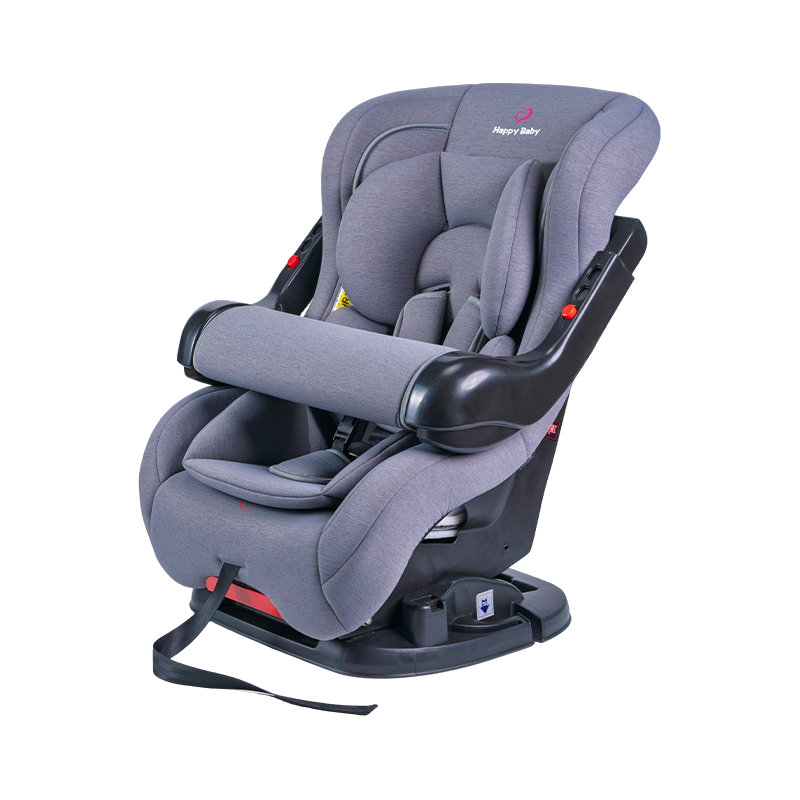
| Convertible car seat | About 7 to 15 kg | Usually left in one vehicle | Rear-facing or forward-facing installation |
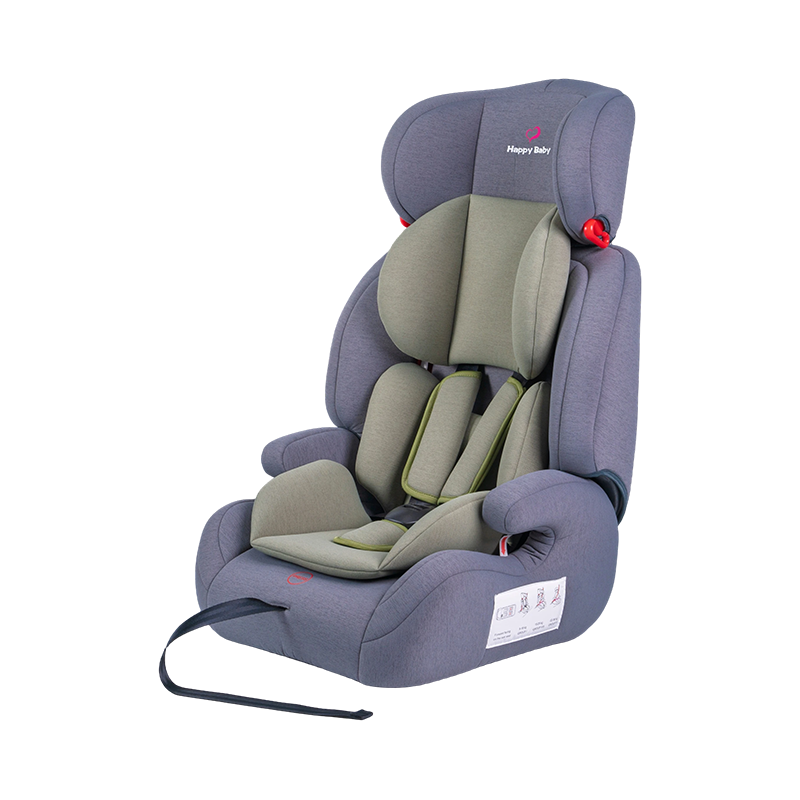
| Multi-stage combination seat | About 9 to 18 kg | Less suitable for frequent carrying | Harness mode followed by booster mode |
| Backless booster | About 2 to 4 kg | Easy to transfer and store | Used with vehicle lap-and-shoulder belt |
Weight ranges are general product-category references. The exact weight, dimensions, child limits, and approved installation methods must be confirmed from the label and technical information supplied with the individual seat.
08
How Long Are Safety First Car Seats Good For?
Service life is determined by product labeling, material aging, condition, history, and manufacturer instructions.
Manufacture Date
Locate the production date, model number, and batch information before the seat is placed into service.
Normal Use
Inspect the shell, harness, buckle, adjuster, labels, foam, and attachment parts regularly.
Vehicle Collision
Review the replacement instructions after any collision, even when visible damage is not present.
Expiration
Remove the restraint from use when it reaches the service-life limit stated by the manufacturer.
Conditions That May Require Replacement
- The expiration date or permitted service period has passed.
- The restraint has been involved in a collision requiring replacement.
- The plastic shell is cracked, deformed, stressed, or discolored.
- The harness is cut, heavily worn, twisted, or unable to tighten.
- The buckle does not lock or release consistently.
- Structural foam, inserts, labels, or installation parts are missing.
- The seat history cannot be confirmed.
- The product is affected by an unresolved safety recall.
The answer to how long are safety first car seats good for should always come from the date information and service-life statement on the specific restraint. Appearance alone cannot confirm that an older seat remains suitable for continued use.
09
What Is the #1 Safest Car Seat?
The safest choice is not a universal model but a suitable restraint that can be installed and used correctly.
The question What is the #1 safest car seat cannot be answered only by comparing price, weight, padding thickness, or the number of adjustment functions. A seat may perform well in controlled testing but provide inadequate protection when it is too large for the vehicle, unsuitable for the child, installed through the wrong path, or used with a loose harness.
The most appropriate safety 1st car seat configuration should fit the child’s current stage, fit the vehicle seating position, provide understandable installation instructions, and allow the caregiver to repeat the correct process on every journey.
Priority A Correct child fit
The child remains within all height, weight, and head-position limits.
Priority B Correct vehicle fit
The seat can be installed securely in an approved seating position.
Priority C Repeatable daily use
The harness, buckle, recline, and adjustment controls are easy to verify.
10
Product Construction Details That Influence Car Seat Safety
Protective performance is created by a complete restraint system rather than one visible feature.
Structural Shell
The shell supports the child, connects the harness and attachment system, and helps maintain restraint geometry under load. Material consistency, molding control, wall thickness, and stress concentration require careful production management.
Energy-Absorbing Layer
Foam or other engineered materials may be positioned around the head, torso, or side areas to help manage impact energy. The material must remain properly located during assembly and normal use.
Harness and Webbing
Harness webbing must resist wear, remain compatible with adjusters, and move smoothly through the approved routing. Stitching, anchor points, and strap length require consistent inspection.
Buckle and Adjuster
The buckle should engage positively and release through the intended action. The harness adjuster should hold tension while remaining accessible for everyday fitting.
Headrest and Side Support
Adjustable head support helps maintain alignment as the child grows. The adjustment mechanism should lock securely and remain compatible with the permitted harness positions.
Textile Cover
The cover affects comfort, cleaning, breathability, fit, and access to labels or controls. It should not interfere with buckle operation, harness movement, or installation markings.
11
Manufacturing and Quality Checks for a Child Safety Seat
Reliable production requires traceable materials, controlled assembly, and repeatable inspection procedures.
Incoming Material Control
Plastic resin, metal components, webbing, buckles, foam, textiles, labels, fasteners, and adjustment parts should be checked against approved specifications before production.
Molding and Dimensional Control
Shell dimensions, attachment areas, belt paths, openings, and assembly interfaces should remain within defined tolerances so the finished restraint functions as intended.
Harness System Inspection
Webbing routing, stitching, buckle engagement, strap adjustment, anchor connection, and harness symmetry require confirmation during assembly.
Functional Testing
Recline controls, headrest movement, carrier locking, release mechanisms, tether adjusters, and installation components should be tested for consistent operation.
Label and Instruction Verification
Product labels should clearly show model information, manufacture date, usage limits, installation routing, warnings, and traceability details.
Final Product Review
The completed seat should be checked for missing parts, incorrect assembly, cosmetic damage, obstructed controls, unreadable labels, and packaging completeness.
Product Development Support
What Information Should Be Defined Before Manufacturing?
Target child group: intended height, weight, and seating stage.
Seat category: infant, convertible, harness, combination, or booster.
Vehicle attachment: approved belt, lower anchor, tether, and base configurations.
Adjustment range: harness slots, headrest levels, buckle positions, and recline settings.
Material specification: shell resin, metal reinforcement, webbing, foam, and textile requirements.
Packaging information: instructions, labels, traceability marks, accessory list, and carton protection.
12
Frequently Asked Questions About Safety First Car Seat Use
These questions address common installation, cleaning, sizing, and replacement concerns.
Can a child wear a thick winter coat in the harness?
Thick, compressible clothing can create hidden slack. The harness should fit close to the child’s body. A blanket or coat may be placed over the secured harness when appropriate.
Can lower anchors and the vehicle belt be used together?
Only when the restraint instructions explicitly approve simultaneous use. Using both without approval may alter how the seat responds under load.
Why does the top of a rear-facing seat move?
Movement should be checked at the active belt path. Some movement at the upper portion may be expected according to the restraint design and does not automatically indicate a loose installation.
When should a child move from rear-facing to forward-facing?
The change should occur only after the child reaches the rear-facing height or weight limit stated for the seat, while also meeting any other product requirements.
Can an aftermarket cushion be added?
Additional cushions, head supports, harness covers, or positioning products should not be added unless they are supplied with the restraint or specifically approved for use with it.
How should the harness be cleaned?
Follow the cleaning method in the instructions. Strong chemicals, machine washing, soaking, ironing, or heat drying may be prohibited because they can affect the webbing or hardware.
Is a heavier child seat automatically safer?
No. Weight may reflect materials and construction, but correct child fit, vehicle compatibility, installation, restraint design, and proper use remain essential.
Can a used child seat be accepted without its history?
A restraint with unknown collision history, missing labels, unavailable instructions, incomplete parts, or uncertain expiration information should not be treated as a reliable choice.
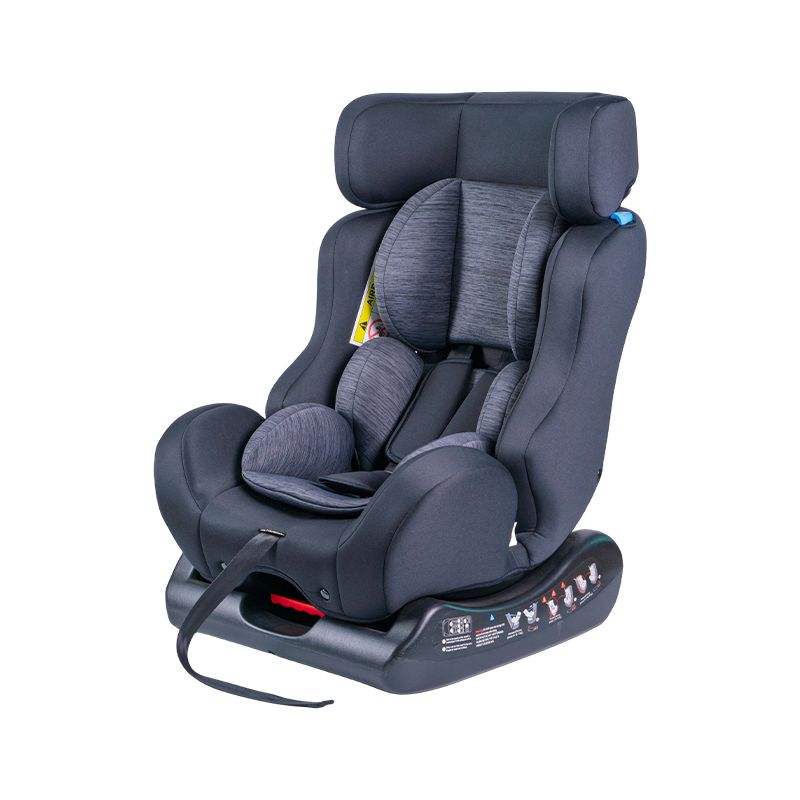
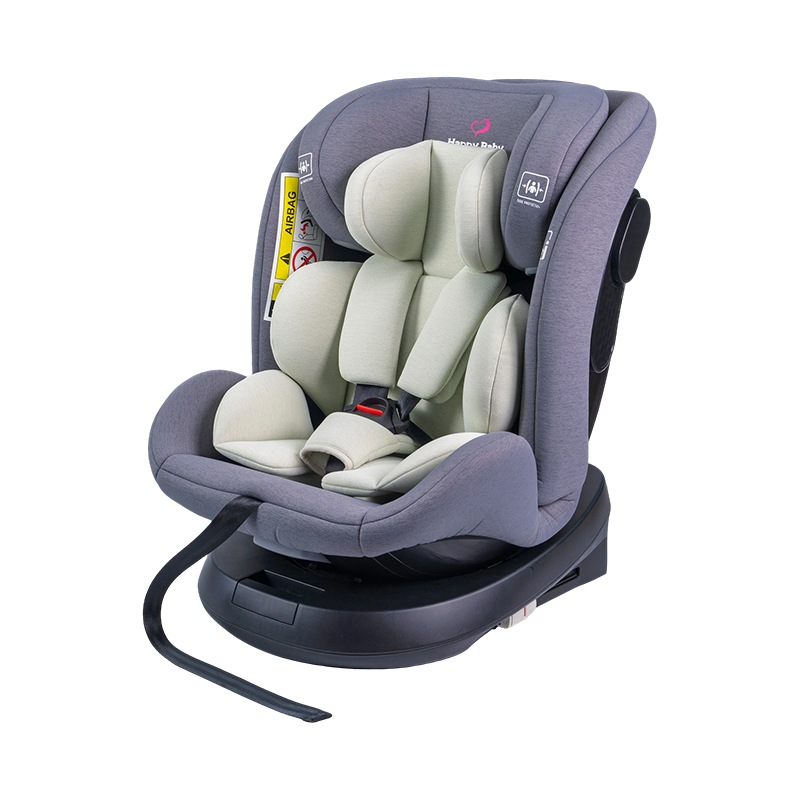
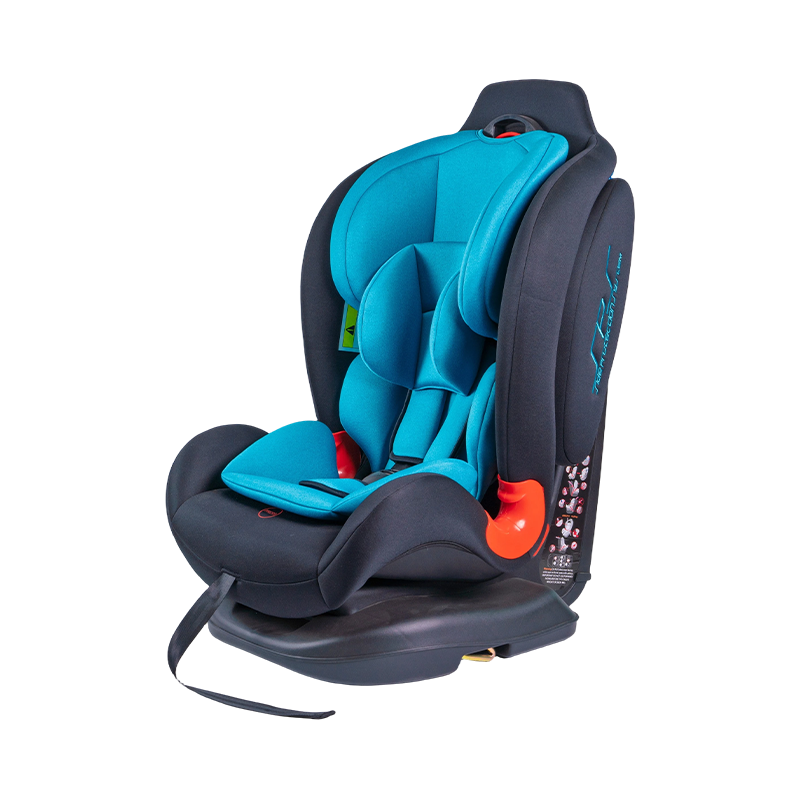
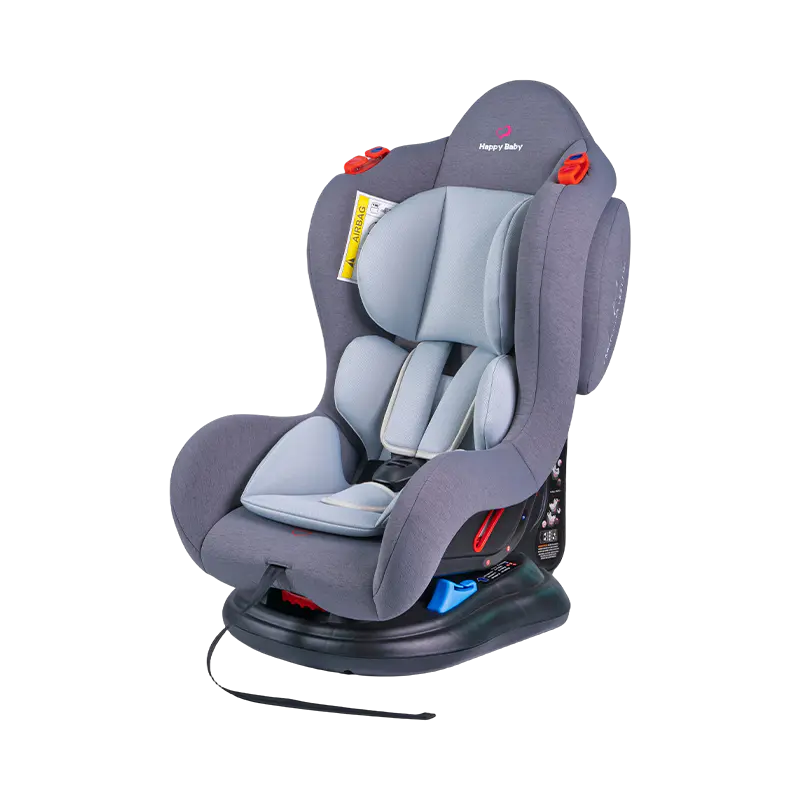

For the safety of babies' travel, we are committed to being a reliable partner for babies and families, and to becoming an expert in children's car safety seats. This is our eternal pursuit.
Contact Us
For exclusive deals and latest offers, sign up by entering your email address below.
CONTACT INFORMATION
-
Address: North of Sitong Road and west of Lianfu Port, Hongqiao Industrial Park, Taixing City, Jiangsu Province
-
Phone: +86 15996087029
-
E-mail: [email protected]
Copyright © JIANGSU HAPPY BABY SAFETY SEAT CO., LTD. All Rights Reserved.
Wholesale Child Travel Safety Seat Factory