
 English
 中文简体
 Home / News / Industry News / ECE R129 Approval for Importers: What to Ask Your Car Seat Supplier First

Industry News
ECE R129 Approval for Importers: What to Ask Your Car Seat Supplier First
2026-11-23
Content
- 1 Start With the Approval File, Not the Brochure
- 2 Confirm the Approval Covers the Exact Seat You Will Import
- 3 Read the Label and Manual as Import Documents
- 4 Test Reports and Factory Controls: The Evidence Behind the Approval
- 5 The Same R129 Approval Can Still Create Different Import Risks
- 6 Supplier Questions That Reveal Technical Depth
- 7 Product Fit: Matching R129 Approval to Your Sales Mix
- 8 FAQ for Importers Evaluating ECE R129 Approval
- 8.1 Is an ECE R129 certificate enough to start importing?
- 8.2 How can I tell whether the approval covers my exact variant?
- 8.3 What is the difference between an R129 approval and a test report?
- 8.4 Does i-Size mean the same thing as R129?
- 8.5 What should I check on the production label?
- 8.6 Why does production control matter after approval?
- 8.7 Can I use the same manual in every market?
- 8.8 What is the most practical first step with a new supplier?
Start With the Approval File, Not the Brochure
An R129 car seat sourcing project usually begins with a sample, a price sheet and a sentence such as “our factory has ECE R129.” That sentence is not an approval file. For an importer, the approval file is the commercial document that connects a specific car seat model to a specific approved type, a defined child size range, a defined installation method and a defined production control system. If those elements do not match, the product may still look ready for sale, but the importer is the party left explaining the gap.
The practical starting point is to ask for the approval package before the sample is accepted. A complete package should include the approval certificate or official approval document, the approved model list, the model-specific test report summary, the production label artwork, the instruction manual, the declaration of conformity where applicable, and evidence that the factory controls series production against the approved design. The approval number should appear consistently across these documents. It should not appear only in an email signature or on a sales presentation slide.
A common weakness is a supplier that can show a certificate but cannot show which exact model, variant or colour version it covers. Approval is not a general factory capability. It belongs to a type. If the importer plans to sell a 360-degree rotating ISOFIX seat with support leg in one market and a belted seat in another, those are different product stories and may require different approval references. The supplier should be able to explain the difference without forwarding the same file twice.
| Document | What it proves | Weak response to watch for |
|---|---|---|
| Approval certificate or approval document | Shows the official approval reference and the regulation under which the type was approved | Only a logo, a badge or a sentence saying “R129 available” |
| Approved model list | Connects the approval reference to the exact model, variant and size range | “All our seats use the same approval” without a model list |
| Test report summary | Shows the test basis, dummy group, installation method and key results for the approved type | A report for a different shell, different harness or different ISOFIX system |
| Label artwork | Shows the approval mark, approval number, size range, direction and warnings as they will appear on the seat | A sticker added after import or a label that differs from the manual |
| Instruction manual | Confirms installation routes, vehicle seat requirements and child size limits in the destination language | A generic manual that does not name the model or the approved installation method |
| Production control evidence | Shows how the factory keeps series production aligned with the approved type | No batch traceability, no inspection records and no change notification process |
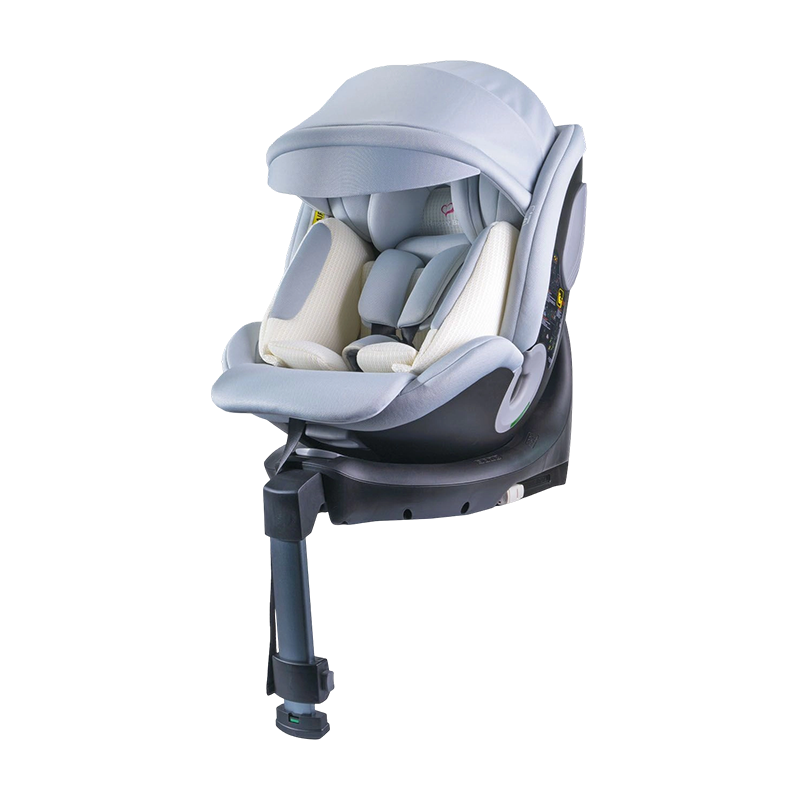 HB336 360° Rotating i-Size Car SeatThis ISOFIX seat with support leg covers 40–150 cm and offers 360° rotation; review its specific configuration against approval scope.View Product →
Confirm the Approval Covers the Exact Seat You Will Import
The second question is narrower than “is this R129 approved?” It is “is this exact configuration approved, and does the approval scope match the way we will sell it?” A car seat can share a shell family with another model and still differ in harness routing, insert use, ISOFIX connectors, support leg, top tether, recline positions, label text or child size range. Those differences are not cosmetic from an approval point of view. They can change how the seat is installed, which dummy is used in testing and which warnings must appear in the manual.
Ask the supplier to provide five identifiers in writing: the approval number, the approved model name, the approved child size range, the approved installation method and the approved direction of use. Then compare those identifiers with the sample, label, manual and carton. If the supplier cannot align them, pause the order. A mismatch at this stage is cheaper to solve than a mismatch discovered by a customs officer, a retailer or a parent.
i-Size is another area where loose language creates confusion. i-Size is a category within the R129 framework, not a casual synonym for every R129 seat. An R129 product may be belted or ISOFIX-fixed, and it may be approved for a height range rather than a weight group. When a supplier says “i-Size 40-150 cm,” ask whether that is one approval or a family of approvals covering different stages. A rotating 40-150 cm seat, a belted 76-150 cm seat and a high-back booster for 100-150 cm may all sit under the R129 umbrella, but they do not carry the same commercial or technical meaning. Importers comparing R44 and R129 files can also review the key differences between R44 car seats and R129 standards before finalising the range plan.
| Question | Why it matters | Acceptable evidence |
|---|---|---|
| What is the approval number and approved model name? | Links the product to the official file and prevents “family approval” assumptions | Approval document plus model list |
| What child size range is approved? | Defines the selling claim, manual warnings and retailer listing limits | Label artwork and manual page showing the same range |
| Is the approval for belted installation, ISOFIX, support leg or top tether? | Installation method affects vehicle compatibility, returns and misuse risk | Approval scope and installation section of the manual |
| Is the seat approved for rearward facing, forward facing or both? | Direction of use is central to R129 positioning and consumer instructions | Approved label and model-specific manual |
| Which inserts, harness settings and recline positions are approved? | Variants can change the tested configuration and the child size range | Variant list, product photos and test report summary |
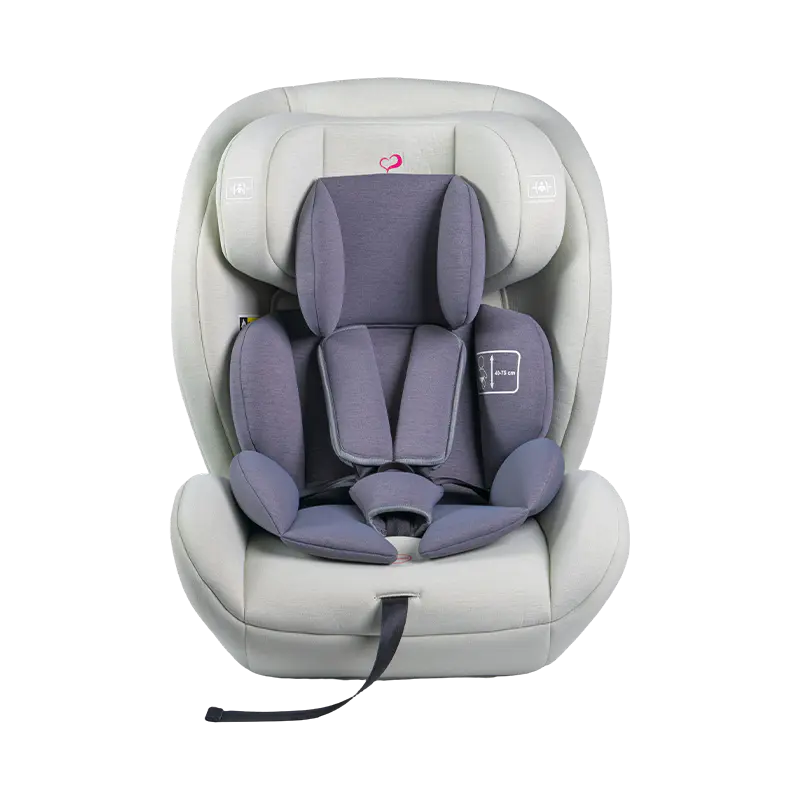 HB659 Belted i-Size Car Seat 76–150 cmThis belted i-Size seat spans 76–150 cm and converts from harness to booster; useful when confirming approval stages and label consistency.View Product →
Read the Label and Manual as Import Documents
On a retail shelf, the label looks like product information. In an import file, it is evidence. The label must match the approved type. The manual must match the label. The carton must match the model. If the importer changes the retail packaging, the approval label and safety warnings should not drift away from the approved wording unless the supplier has confirmed that the change is acceptable. This is one of the most common places where a good factory and a rushed factory look similar at the sample stage but very different after three container loads.
Check the label for the approval mark, approval number, child size range, maximum child weight where stated, installation direction, ISOFIX or belt routing symbols and the warnings that apply to the model. Then open the manual and confirm that the same limits appear in the installation steps. A seat labelled for 76-150 cm but described in the manual as suitable from 40 cm is not a small editorial error. It is a contradiction that can create returns, marketplace suspensions or liability questions.
Language control is equally practical. The importer may need a manual in the destination market language, but the technical content should come from the approved source. A translated manual should keep the same warnings, the same installation routes and the same size limits. If the supplier offers a “local language manual” that was written by a sales assistant rather than translated from the approved document, request the source file and have it checked. The cheapest manual is not the one with the lowest translation cost. It is the one that prevents an installation error.
| Field | What to check on the label | What to check in the manual |
|---|---|---|
| Approval reference | Approval mark and number are visible and legible | Manual references the same model and approval basis |
| Child size range | Height range is stated clearly and matches the approval | Installation steps do not extend the range beyond the label |
| Installation method | Belt route, ISOFIX, support leg or top tether is shown correctly | Vehicle seat requirements and routing steps are complete |
| Direction of use | Rearward facing, forward facing or both are stated without ambiguity | Transition advice matches the approved use |
| Warnings | Airbag, seat position and child size warnings are present | Warnings are translated and placed near the relevant step |
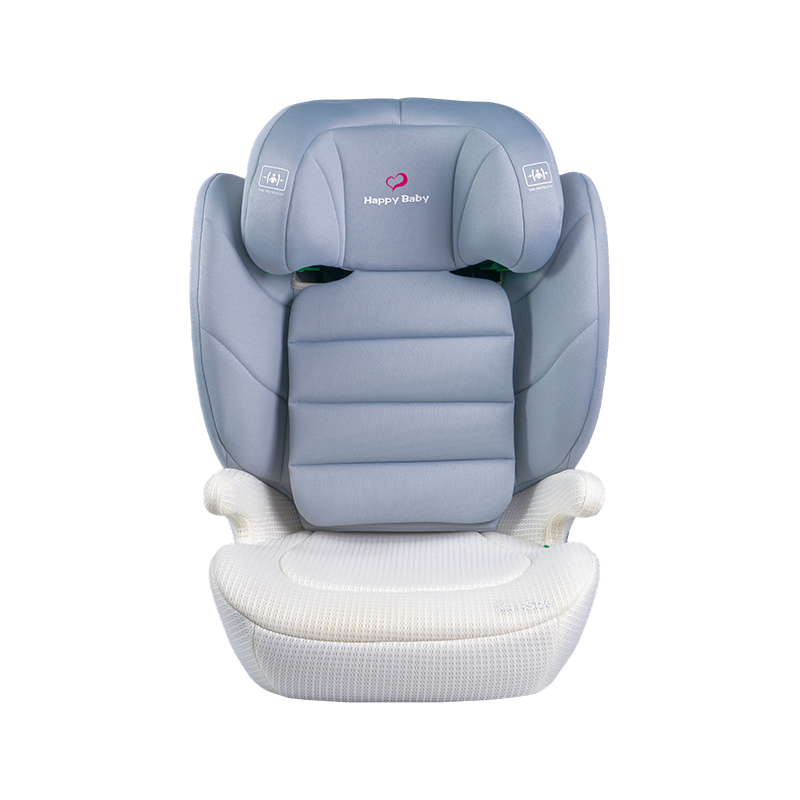 HB629 ISOFIX High-Back i-Size BoosterThis 100–150 cm high-back booster uses ISOFIX and 13 headrest positions; review model-specific evidence and installation details before purchase.View Product →
Test Reports and Factory Controls: The Evidence Behind the Approval
A test report is not the same thing as an approval. The approval is the formal outcome. The test report is part of the technical evidence that supports it. Importers should ask for a model-specific test report summary and enough detail to understand what was tested: the child dummy group, the installation method, the support leg or top tether configuration, the harness setting and the key pass criteria. They do not need to become a test laboratory, but they should be able to see that the report belongs to the product they are buying.
Production control is the next layer. A factory can build a perfect sample and still produce a different seat six months later if components change without notice. Ask how the factory controls critical components, how it records batch traceability, how it handles a change in plastic resin, fabric supplier, harness buckle or ISOFIX connector, and how it notifies the importer when a change could affect the approved type. A simple written change-notification process is more useful than a promise that “nothing ever changes.”
The factory audit should follow the product, not the showroom. Start with the approved model, then move to the plastic mould identification, the harness and buckle part numbers, the insert foam, the label application station and the final inspection record. If the factory cannot link a finished seat back to a production batch, the importer has no practical way to investigate a complaint or manage a recall. That is a commercial risk, not only a compliance detail.
| Control point | Question for the supplier | Useful record |
|---|---|---|
| Incoming components | How do you verify harness, buckle, ISOFIX and foam parts against the approved specification? | Inspection standard and incoming batch record |
| Injection and blow moulding | How do you identify the mould and resin batch used for the seat shell? | Mould ID, material record and first-article check |
| Assembly | How do you prevent a mixed build of different variants on the same line? | Line-side model check and assembly sign-off |
| Label application | How do you confirm the correct label for the correct model and market? | Label artwork approval and label inspection record |
| Final inspection | What is checked on every seat before packing? | Final inspection sheet and batch traceability record |
Ask for the approved configuration
Request photos of the exact seat configuration that was approved: insert fitted or removed, harness height, recline position, support leg or top tether and label position. This reduces the chance that the sample and mass production are speaking different languages.
Ask how changes are handled
A supplier that can describe a change-notification process is easier to work with than one that says changes never happen. The process does not need to be complex. It needs to be written, owner-assigned and followed.
Ask for a batch trace
Choose one finished carton and ask the factory to trace it back to the main components. If the trace stops at the carton, the factory is relying on memory rather than a system.
The Same R129 Approval Can Still Create Different Import Risks
Two importers can buy the same approved seat and face different risks because the market, sales channel and after-sales model are different. One importer may sell through specialist child safety retailers that ask detailed installation questions. Another may sell online, where the listing must carry clear warnings tribute to the label and manual. A third may supply rental fleets or childcare operators that need replacement parts and cleaning guidance. The approval file is the foundation, but the import plan determines which parts of that file deserve the closest attention.
Customs and market surveillance also matter. The product description, model name, approval reference, country of origin, carton marks and commercial invoice should tell a consistent story. If the invoice says “baby car seat” while the approval document names a different model, the importer may need to explain the difference. If the retail listing claims a child size range that is wider than the approved label, the problem moves from the factory to the marketplace. R129 approval does not replace market-specific registration, language requirements or product liability planning.
Label drift
The approval is correct, but the label on mass production differs from the approved artwork. This is usually a factory document-control issue, not a design issue. Catch it with a pre-production label sign-off and a first-article check.
Manual drift
The manual has been updated for a new market but the technical limits were copied from an older model. Compare the source manual with the approved label before translation begins.
Variant drift
The approved seat used one insert or harness setting, but the retail version adds a comfort pad or removes a newborn insert. Ask which variants are covered and which require a separate approval.
Component drift
The shell looks the same, but the buckle, ISOFIX connector or foam has changed. Request a written change-notification clause and audit critical components at least once per season.
| Risk area | Question to answer internally | Commercial impact if missed |
|---|---|---|
| Market listing | Does our product page use the same size range and installation method as the approved label? | Returns, marketplace removal or consumer complaint |
| Language | Who checks the translated manual against the approved source? | Misuse, installation error and liability exposure |
| Customs description | Do invoice, carton and approval document use the same model name? | Shipment delay and additional documentation requests |
| After-sales parts | Can the supplier identify replacement harness, buckle and insert parts by model and batch? | Slow complaint handling and poor retailer confidence |
| Recall readiness | Do we have batch records and a supplier contact who can respond within a defined time? | Uncontrolled recall cost and reputational damage |
Supplier Questions That Reveal Technical Depth
The fastest way to judge a car seat supplier is not to ask whether it “supports R129.” Ask questions that require the supplier to distinguish between the approval, the product and the production system. A supplier with real experience will answer with model references, document names and process steps. A supplier that answers only with adjectives is giving the importer a warning sign.
Start with technical questions. Ask which approved models use the same shell and which do not. Ask how the support leg load path is controlled when the seat is installed on a vehicle floor that is not perfectly flat. Ask how the harness height adjustment is locked and how the manual tells the user when to change the setting. Ask what happens to the approved configuration when the newborn insert is removed. These questions are not traps. They show whether the supplier understands the product beyond the catalogue photo.
Then move to documentation. Ask who signs the declaration of conformity, who controls the label artwork, who approves a manual translation and how the factory records the approval number on the production traveller. Ask for one example of a change that was reviewed against the approval file and explain how the decision was made. Even a small example, such as a new fabric supplier, reveals whether the approval is treated as a living control or as a framed certificate in the reception area.
Technical questions
- Which exact models and variants are covered by this approval?
- Is the seat approved with the newborn insert fitted, removed or both?
- Which installation methods are approved for this shell family?
- How do you control support leg or top tether configuration during assembly?
- How do you verify harness routing and buckle engagement on the line?
Documentation questions
- Who owns the approval file and who signs revisions?
- How do you approve label artwork before mass production?
- How do you verify that a translated manual matches the approved source?
- What records link a finished carton to the main components?
- How do you notify customers when a critical component changes?
Commercial and after-sales questions
- Which spare parts are available by model and batch?
- How quickly can you provide a replacement label or manual insert?
- Who is the technical contact for a retailer installation question?
- What is the process for a complaint that involves a possible approval mismatch?
- Can you support a pre-shipment sample check against the approved configuration?
A useful test is to ask for a written answer to three questions after the meeting. If the supplier can return a clear response with document references, the relationship has a working foundation. If the response is a new brochure with the same general claims, the importer should keep looking. The aim is not to make the supplier uncomfortable. The aim is to make the approval file useful before the first shipment, not after the first problem.
Product Fit: Matching R129 Approval to Your Sales Mix
Once the approval file is clear, the next decision is product fit. An R129 range can cover infant carriers, belted seats, ISOFIX seats, rotating seats and high-back boosters, but each family answers a different retail need. The importer should choose the approved product family that matches the market, the price band and the installation habits of the target customer. A long-range rotating seat may reduce the number of SKUs in a premium range. A belted seat may suit a price-sensitive market where ISOFIX is not common in every vehicle. A high-back booster may be the right entry point for older children, but it should not be sold as a newborn solution.
For a broad R129 and i-Size range, review the product category as a system rather than a list of isolated items. A 40-150 cm rotating ISOFIX seat can cover a long use period and gives the retailer a strong anchor product. A 76-150 cm belted i-Size seat can serve a simpler installation story and a different price point. A 100-150 cm high-back booster can extend the range for older children and create a natural upgrade path. The importer should check that the labels, manuals and approval references for each family are distinct and that the sales team can explain the differences without mixing claims.
The product page should also reflect the approved configuration. If the approved seat uses a support leg, the page should not show only a top tether version. If the approved label says 100-150 cm, the page should not imply use from 76 cm. These details may look small beside price and MOQ, but they shape the customer’s installation experience and the importer’s after-sales workload. A range built around clear approval boundaries is easier to sell, easier to train and easier to defend. The full R129 standard and i-Size category overview can help the team compare product families before committing to a mixed container.
| Product family | Typical approved scope | Best fit for the range | Import check |
|---|---|---|---|
| Infant carrier | Newborn stage, often with a carry handle and belted or ISOFIX base option | Markets with a strong newborn bundle or travel system offer | Confirm base compatibility, handle use and label warnings |
| Belted i-Size seat | Height-based range such as 76-150 cm | Price-sensitive ranges and vehicles without ISOFIX | Check belt routing, harness storage and manual clarity |
| ISOFIX rotating seat | Long range such as 40-150 cm with support leg or top tether | Premium ranges that want one anchor SKU | Check vehicle floor requirements and rotation lock |
| High-back booster | Older child range such as 100-150 cm or 125-150 cm | Upgrade path and back-to-school season promotions | Confirm belt guide position and headrest adjustment |
FAQ for Importers Evaluating ECE R129 Approval
Is an ECE R129 certificate enough to start importing?
A certificate is the beginning, not the whole file. The importer should also check the approved model list, label artwork, manual, size range, installation method and production control records. The certificate should match the exact product being shipped, not only the factory’s general product range.
How can I tell whether the approval covers my exact variant?
Compare the model name, approval number, child size range, installation method and approved direction of use across the certificate, label and manual. If the supplier cannot show that the variant list includes your configuration, ask for a written confirmation or a separate approval reference before ordering.
What is the difference between an R129 approval and a test report?
The approval is the formal regulatory outcome. The test report is technical evidence used in the approval process. The importer should not accept a test report from a different shell, harness or installation method as proof for the product being purchased.
Does i-Size mean the same thing as R129?
No. i-Size is a category within the R129 framework. An R129 car seat may be belted or ISOFIX-fixed, and not every R129 seat is an i-Size seat. The approval label and manual should state the exact scope clearly.
What should I check on the production label?
Check the approval mark, approval number, child size range, direction of use, installation method and warnings. Then compare the label with the manual and the approval file. The label should be part of the approved document set, not a last-minute sticker decision.
Why does production control matter after approval?
Approval is linked to a defined type. If the factory changes a critical component without review, series production may no longer match the approved configuration. Batch records, component checks and a written change-notification process help protect the importer over time.
Can I use the same manual in every market?
Not automatically. The technical content should remain aligned with the approved source, but the language, warnings and local regulatory references may need adjustment. The supplier and importer should agree who checks the translation against the approved manual.
What is the most practical first step with a new supplier?
Ask for the approval file and a model-specific label and manual for one product you intend to buy. Then compare those documents with the sample. If the supplier can answer detailed questions about the file, the product and the factory process, the relationship has a stronger starting point than a catalogue full of general claims.
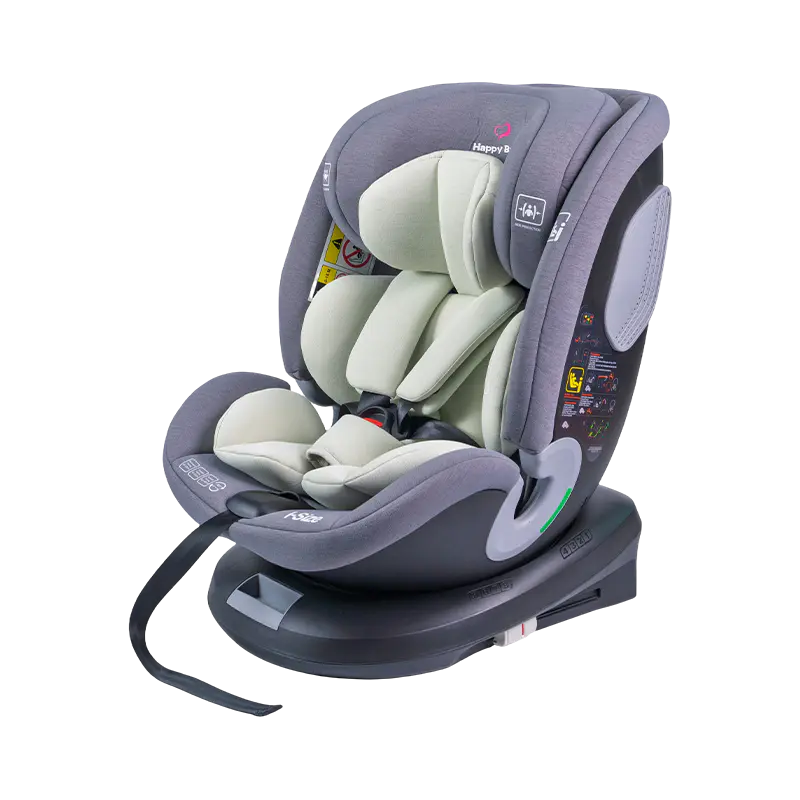
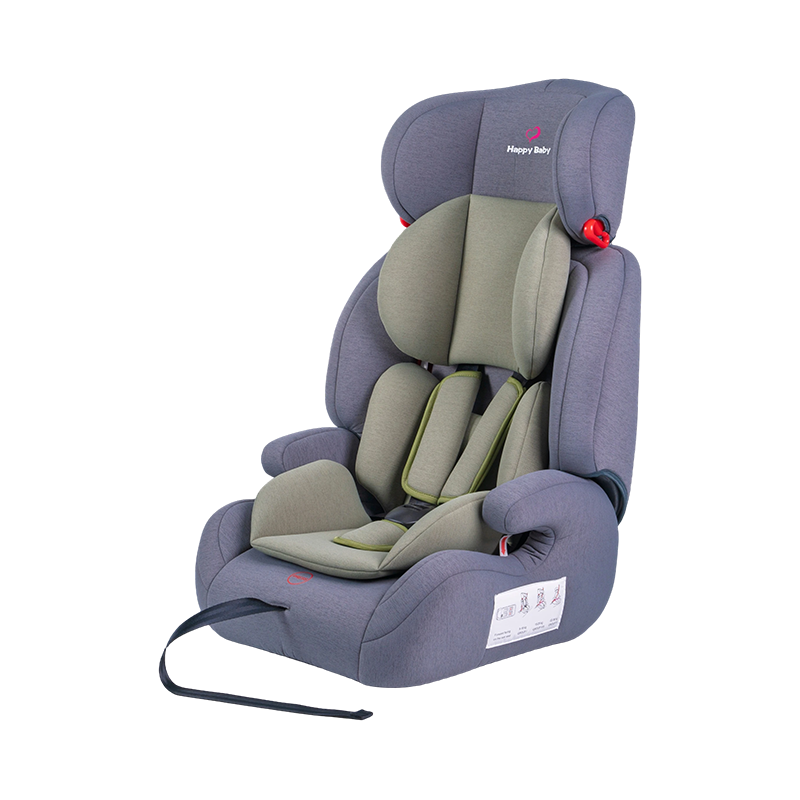

For the safety of babies' travel, we are committed to being a reliable partner for babies and families, and to becoming an expert in children's car safety seats. This is our eternal pursuit.
Contact Us
For exclusive deals and latest offers, sign up by entering your email address below.
CONTACT INFORMATION
-
Address: North of Sitong Road and west of Lianfu Port, Hongqiao Industrial Park, Taixing City, Jiangsu Province
-
Phone: +86 15996087029
-
E-mail: [email protected]
Copyright © JIANGSU HAPPY BABY SAFETY SEAT CO., LTD. All Rights Reserved.
Wholesale Child Travel Safety Seat Factory