
 English
 中文简体
中文简体

Industry News
When Should A Child Switch To A Booster Seat?
2026-07-24
Content
- 1 What Is A Booster Seat, Engineered From The Inside Out
- 2 Booster Seat Requirements From A Production Standpoint
- 3 High Back Booster Seat Versus Backless Booster Seat
- 4 When To Switch To Booster Seat: A Developmental Timeline
- 5 Can A 4 Year Old Sit In A Booster Seat
- 6 Can A 4 Year Old Use A Backless Booster Seat
- 7 Should My 4 Year Old Be In A Car Seat Or A Booster Seat
- 8 Is A 7 Year Old Too Big For A Booster Seat
- 9 Material Selection And Testing In Booster Seat Manufacturing
- 10 Sizing Parameters Across A Booster Seat Product Range
- 11 Why Belt-Path Geometry Defines A Booster Seat's Real Performance
For manufacturers who design and produce child restraint systems, the booster seat category sits at an interesting intersection of regulation, biomechanics, and everyday parenting decisions. A booster seat is not simply a plastic platform — it is a precisely engineered component designed to reposition the vehicle's own three-point seatbelt so that it interacts correctly with a growing child's skeletal frame. This article looks at the booster car seat category from a product and engineering standpoint, while also answering the practical questions parents ask most often, including when to switch to booster seat, what age for booster seat transitions typically occur, and whether a 7 year old is too big for a booster seat.
What Is A Booster Seat, Engineered From The Inside Out
What is a booster seat, structurally speaking? At its core, a booster seat consists of a rigid or semi-rigid shell, an energy-absorbing foam layer, a fabric or textile cover, and — in the case of a high back booster seat — an adjustable headrest assembly with integrated belt-routing guides. The shell is typically molded from high-impact polypropylene or ABS resin, chosen for its ability to flex slightly under load without cracking. Beneath the shell, expanded polystyrene (EPS) or expanded polypropylene (EPP) foam absorbs and disperses kinetic energy during sudden deceleration, reducing the forces transmitted to the child's torso.
Unlike infant or convertible car seats, a booster car seat does not include its own harness system. Instead, it raises the seating position of the child so the vehicle's adult seatbelt sits correctly across the shoulder and hip bones rather than across the soft tissue of the neck and abdomen. This single functional difference is why booster seat requirements focus almost entirely on belt-path geometry, seat height, and lateral positioning rather than harness tension.
Shell Structure
Injection-molded polypropylene shells are pressure-tested for flex tolerance and structural recovery after repeated impact simulations.
Energy Absorption
EPS/EPP foam layers are density-mapped so the shoulder and hip zones absorb load differently than the central seating area.
Belt Guide System
Adjustable belt guides maintain correct shoulder belt angle across a wide range of child heights without manual repositioning.
Booster Seat Requirements From A Production Standpoint
Booster seat requirements vary by region, but from a manufacturing perspective, most current standards converge around a few shared testing pillars: frontal impact simulation, side impact simulation, belt-path angle verification, and material flammability testing. In markets that follow ECE R129 (i-Size) regulation, booster seats are certified by height rather than weight alone, which has shifted much of the recent product development toward height-banded sizing rather than the older weight-only classifications.
In practical terms, this means a compliant booster seat is not a single fixed object but a system that must perform consistently across a defined height and weight band, across different vehicle seat geometries, and across different seatbelt buckle positions. Every adjustable element — headrest height, armrest width, base depth — is validated through repeated dynamic sled testing before a design reaches production approval.
| Requirement Area | Typical Standard Focus | Common Test Method |
| Height Range Approval | 100cm–150cm (i-Size band) | Dynamic frontal / side sled test |
| Belt Path Angle | Shoulder belt across clavicle midpoint | Static geometry measurement |
| Lateral Protection | Side wing depth and headrest coverage | Side impact simulation |
| Material Safety | Flammability and chemical compliance | Combustion and material sampling |
| Structural Integrity | Shell flex and recovery limits | Repeated stress-cycle testing |
High Back Booster Seat Versus Backless Booster Seat
The distinction between a high back booster seat and a backless design is one of the most common points of confusion for parents, and it also drives very different engineering priorities during development. A high back booster seat integrates a headrest and side wings, which provide lateral head and neck containment during a side impact event, and it also anchors the shoulder belt guide at a fixed, correctly angled height regardless of the vehicle's own headrest position.
A backless booster seat, by contrast, relies entirely on the vehicle's existing headrest to provide head and neck support. This makes fit-testing against the specific vehicle seat essential before use. From a product design view, backless models are lighter, more compact, and easier to move between vehicles, but they place more responsibility on correct headrest alignment in the vehicle itself.
High Back Booster Seat
Integrated headrest and side wings
Fixed belt guide height
Independent of vehicle headrest position
Recommended for smaller vehicle seat backs
Backless Booster Seat
Compact and lightweight base only
Depends on vehicle headrest for support
Easier to transfer between vehicles
Best suited to taller children with correct seat alignment
Many manufacturers now produce a single platform that converts between the two configurations, allowing a high back booster seat to have its backrest removed once the child grows tall enough to rely on the vehicle's own headrest. This modular approach extends the usable life of a single product across several developmental stages, which is one of the reasons a compliant Booster Seat designed around i-Size height bands has become a preferred format across many markets.
When To Switch To Booster Seat: A Developmental Timeline
When to switch to booster seat is rarely a single-day decision. It is a transition that should be evaluated against three physical markers rather than a birthday. The first marker is shoulder height relative to the harness slot limit of the current forward-facing seat. The second is torso length relative to the seat's internal harness capacity. The third is the child's ability to remain seated upright and still for the duration of a typical car journey without slouching or leaning forward.
Stage 1
Harnessed seat still fits shoulder height range — continue using harness system.
Stage 2
Shoulders approach top harness slot — begin evaluating booster seat requirements for the child's current height.
Stage 3
Child sits upright unaided for full trips — booster car seat becomes the appropriate next stage.
Can A 4 Year Old Sit In A Booster Seat
Can a 4 year old sit in a booster seat? Physically, some children at this age already meet the height and weight thresholds associated with booster seat requirements, while others have not yet reached the point where a harnessed system becomes limiting. Rather than treating four years old as an automatic cutoff, it is more accurate to treat it as the earliest point at which the transition question should be actively assessed, using shoulder height against the current seat's harness limit as the deciding factor.
Behavioral readiness matters as much as physical size. A booster car seat depends on the child remaining seated correctly for the belt to function as intended, so a four year old who frequently slips out of position may benefit from remaining in a harnessed seat slightly longer, even if height and weight technically qualify for a booster.
Can A 4 Year Old Use A Backless Booster Seat
Can a 4 year old use a backless booster seat depends heavily on the vehicle itself rather than the child alone. Because a backless booster seat has no integrated headrest, the vehicle's own headrest must sit at or above the level of the child's ears. If the vehicle seat back or headrest is too low for a four year old's proportions, a high back booster seat is the safer configuration until the child grows into a size where the vehicle's headrest naturally aligns.
Should My 4 Year Old Be In A Car Seat Or A Booster Seat
Should my 4 year old be in a car seat or a booster seat is one of the most searched questions among parents navigating this transition, and the answer depends on comparing the child's current shoulder height against the specific harness limit printed on the existing seat, not on age alone.
| Comparison Point | Harnessed Car Seat | Booster Seat |
| Restraint Type | Integrated 5-point harness | Vehicle seatbelt, repositioned |
| Fit Dependency | Seat-specific harness slots | Vehicle seatbelt geometry |
| Best Suited For | Children still within harness height limit | Children who have outgrown harness slots |
| Positioning Responsibility | Seat structure holds child in place | Child maintains upright posture |
Is A 7 Year Old Too Big For A Booster Seat
Is a 7 year old too big for a booster seat is best answered with a simple seatbelt fit test rather than a fixed age rule. If, without a booster, the shoulder belt naturally crosses the middle of the collarbone and the lap belt sits low across the hip bones rather than the stomach, the child may no longer need a booster seat. If either of these conditions is not met, a 7 year old is not too big for a booster seat and continued use is the safer choice, since correct belt geometry is the entire purpose of the product category.
Many children reach adequate height for beltless seating between ages 8 and 12, which means a booster car seat frequently remains in active use well beyond the age most parents initially expect.
Material Selection And Testing In Booster Seat Manufacturing
Producing a compliant booster seat involves considerably more than shaping a plastic shell. Material selection begins with impact-grade polypropylene for structural components, selected for consistent performance across a wide temperature range, since a vehicle interior can swing from freezing to extreme heat depending on climate and season. Foam density is mapped zone by zone, with higher-density foam placed at the hip and shoulder belt contact points, and softer foam used across the general seating surface for comfort during longer trips.
Frontal Impact Simulation
Sled testing measures forward displacement and belt-path retention under sudden deceleration forces.
Side Impact Simulation
Lateral testing evaluates head containment for high back booster seat wing depth and headrest coverage.
Material Durability
Repeated flex-cycle and UV exposure testing confirms shell integrity does not degrade over years of daily use.
Fabric And Cover Testing
Removable covers undergo wash-cycle and colorfastness testing to maintain appearance across repeated cleaning.
Sizing Parameters Across A Booster Seat Product Range
A well-engineered booster car seat range is typically structured around overlapping height bands rather than a single fixed size, allowing continuous use as a child grows rather than requiring multiple replacements. The table below outlines a representative parameter structure used across a typical i-Size compliant booster seat line.
| Parameter | Typical Range | Notes |
| Approved Height | 100cm – 150cm | Aligned with i-Size (ECE R129) height banding |
| Approved Weight | Approx. 15kg – 36kg | Weight is a secondary reference alongside height |
| Headrest Adjustment | Multi-position, toolless | Adjusts as child grows without disassembly |
| Configuration | High back / backless convertible | Backrest detaches once vehicle headrest alignment is adequate |
| Shell Material | Impact-grade polypropylene | Combined with EPS/EPP energy-absorbing foam core |
Why Belt-Path Geometry Defines A Booster Seat's Real Performance
Every booster seat requirement ultimately traces back to one central goal: making sure the vehicle's own seatbelt behaves as though it were designed for the child's body, not an adult frame. A seatbelt that rides too high across the neck concentrates force dangerously during sudden stops. A lap belt sitting across the stomach rather than the hips can cause internal injury even at moderate collision speeds. A booster seat exists purely to correct these two failure points, and every dimension of its shell, foam, and belt guide is built around that single mechanical purpose.
This is also why booster seat requirements continue to shift toward height-based rather than age-based classification. Children of the same age can differ in height by ten centimeters or more, which means age alone cannot reliably predict whether a seatbelt will fit correctly. Height-based sizing, paired with a seatbelt fit test at each stage of growth, remains the most accurate method for determining whether a child needs a high back booster seat, a backless booster seat, or no booster at all.
A properly fitted booster seat should always be checked against three points at every stage of a child's growth: the shoulder belt crossing the midpoint of the collarbone, the lap belt resting low across the hip bones, and the child able to sit fully back against the seat with knees bending naturally at the edge of the cushion.
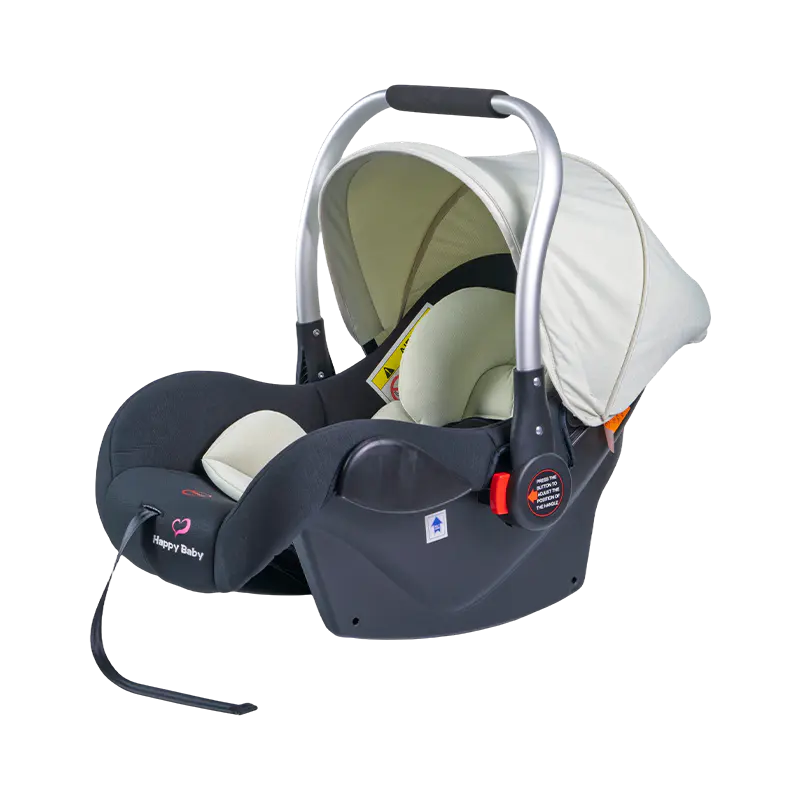
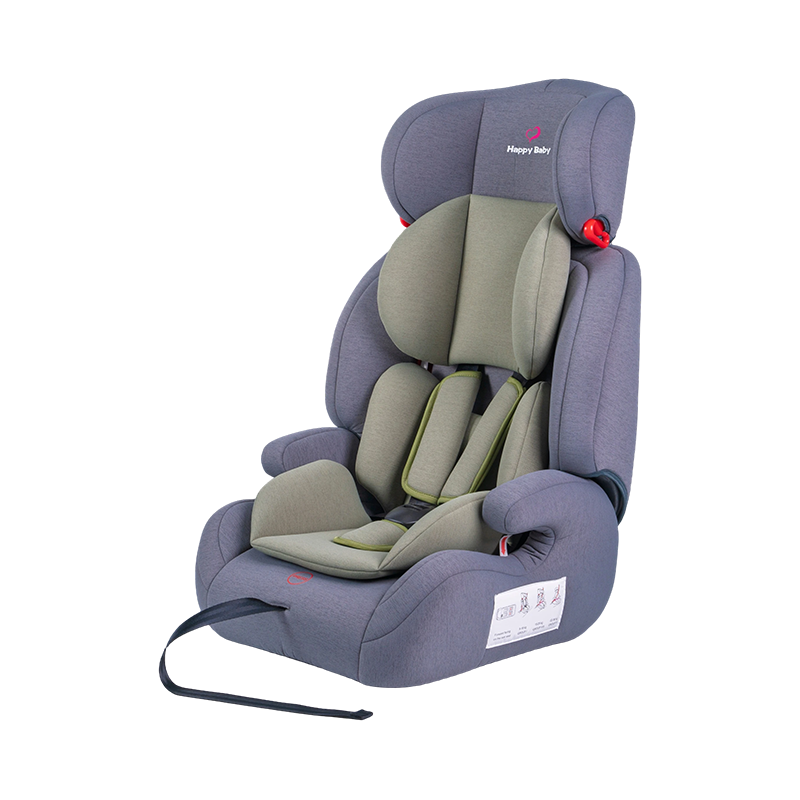
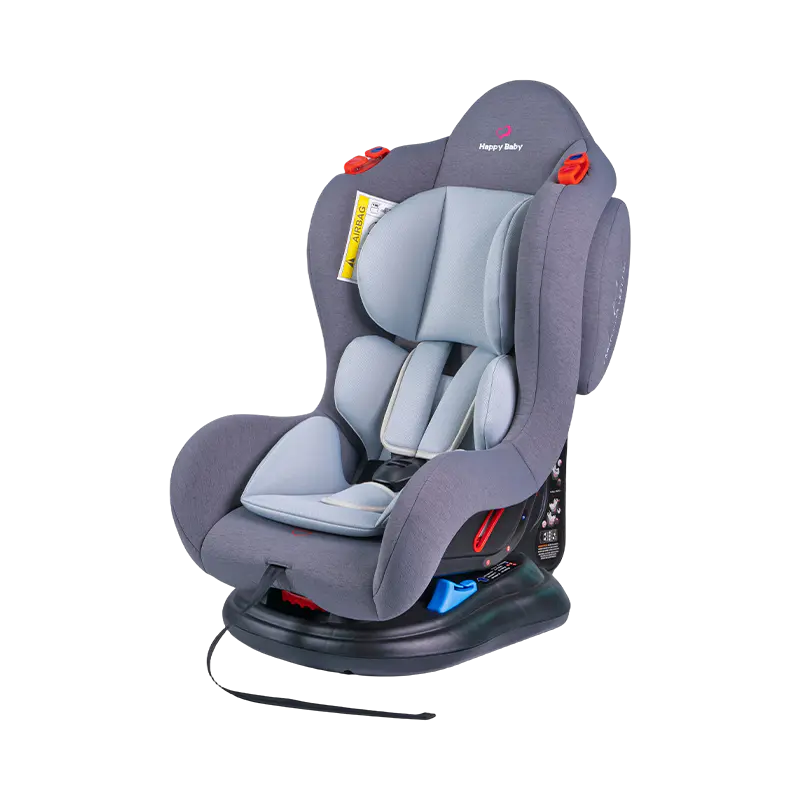
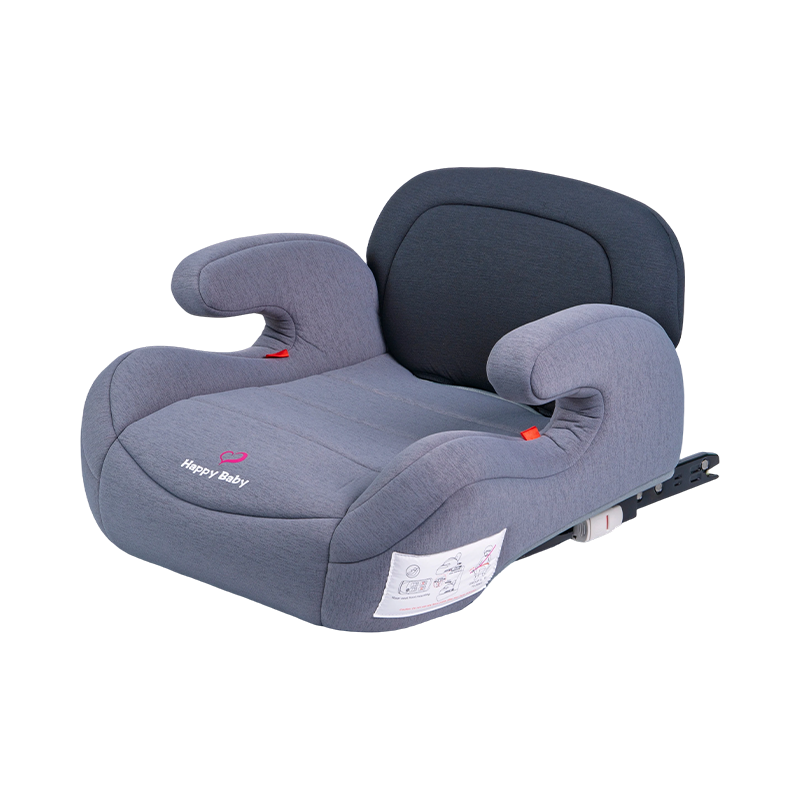
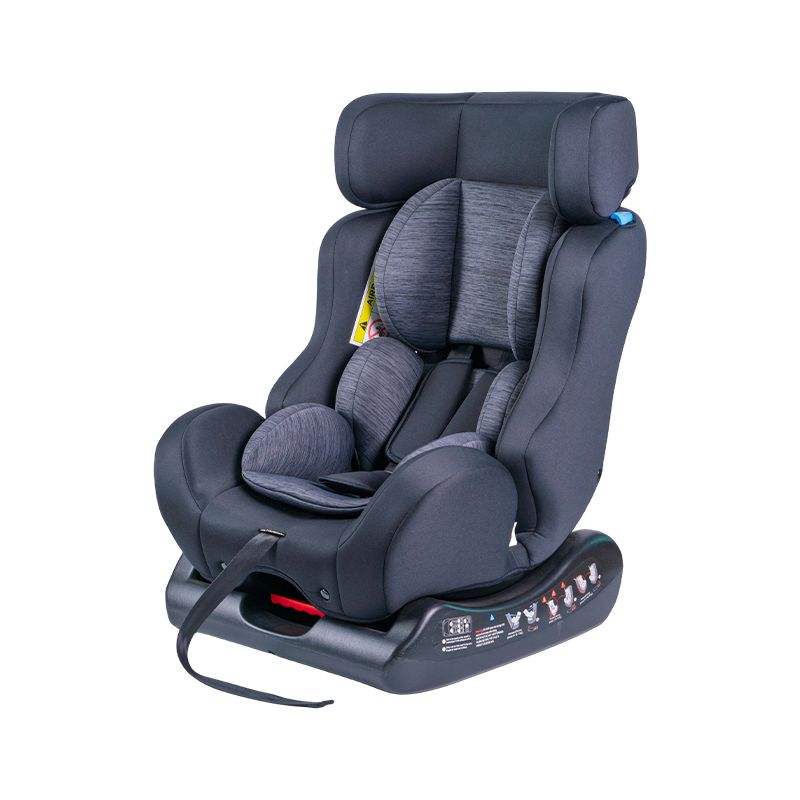
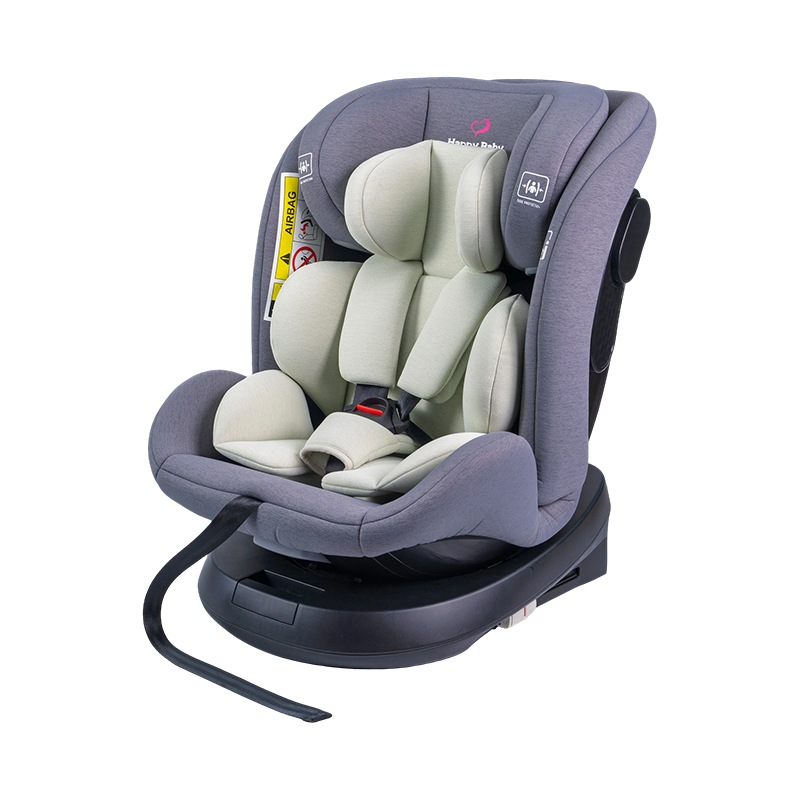

For the safety of babies' travel, we are committed to being a reliable partner for babies and families, and to becoming an expert in children's car safety seats. This is our eternal pursuit.
Contact Us
For exclusive deals and latest offers, sign up by entering your email address below.
CONTACT INFORMATION
-
Address: North of Sitong Road and west of Lianfu Port, Hongqiao Industrial Park, Taixing City, Jiangsu Province
-
Phone: +86 15996087029
-
E-mail: [email protected]
Copyright © JIANGSU HAPPY BABY SAFETY SEAT CO., LTD. All Rights Reserved.
Wholesale Child Travel Safety Seat Factory