
 English
 中文简体
中文简体

Industry News
How Long in an Infant Car Seat? Age, Height & Safety Limits
2026-08-07
Content
- 1 What Is an Infant Car Seat and How Is It Different from Other Seats?
- 2 How Long Can a Baby Stay in an Infant Car Seat? The Real Answer
- 3 How to Know It's Time to Switch: 3 Fit Checks That Matter
- 4 The 2-Hour Rule: How Long Can a Baby Stay in the Seat at a Time?
- 5 What Comes Next? Switching to a Convertible Seat (and Staying Rear-Facing)
- 6 Different Body Types, Different Timelines
- 7 Final Checklist: When to Move Your Baby Out of an Infant Car Seat
What Is an Infant Car Seat and How Is It Different from Other Seats?
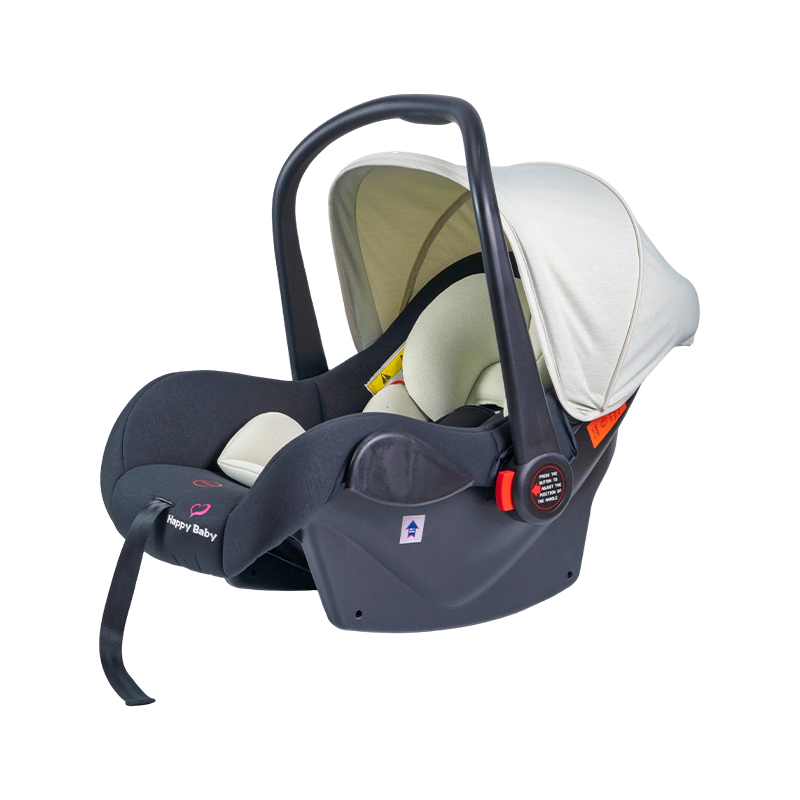
Picture the bucket-shaped seat you clip into a base in the back seat, lift by its carry handle, and click onto a stroller frame. That is an infant car seat: a rear-facing-only restraint designed for newborns and small babies.
Its defining feature is portability. Instead of unbuckling a sleeping newborn, you lift the whole seat out of the car and carry it inside. That convenience, though, comes with a trade-off. The seat works only in the rear-facing direction, and the shell is built for a small body. Once your child outgrows it, there is no second stage.
Here is how infant seats compare with the seats that come next:
| Feature | Infant car seat | Convertible | All-in-one |
|---|---|---|---|
| Orientation | Rear-facing only | Rear-facing, then forward-facing | Rear-facing, forward-facing, booster |
| Portability | Carry handle and travel system | Stays installed in the car | Stays installed in the car |
| Typical limits | 30-32 in (76-81 cm); 30-35 lb (13.6-15.9 kg) | Rear-facing up to 40-50 lb (18-23 kg) | Depends on model and stage |
| Typical use period | 6-18 months | 4-6 years or more | Over 10 years |
European standards organize infant seats differently. Under the older ECE-R44 rule, an infant seat is usually Group 0, rated for babies up to 13 kg (about 29 lb), which most children reach around 15 months. Under the newer ECE-R129 (i-Size) rule, height is the measure, and a typical newborn carrier is rated from 40 to 105 cm. If you are weighing the two stages, our infant seat vs. convertible car seat for newborns guide can help. And if you know an infant seat is the right start, see our newborn infant car carrier seat to see how a Group 0 design works in practice.
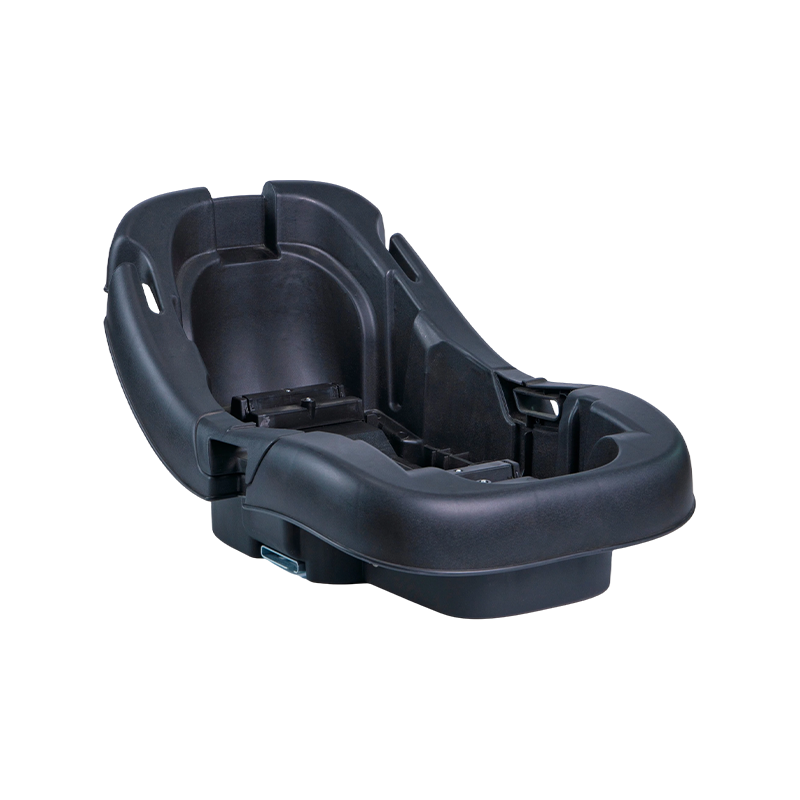 Custom R44 Standard Infant new born baby carrier car seat Group 0+ Suppliers, OEJIANGSU HAPPY BABY SAFETY SEAT CO., LTD. is China R44 Standard Infant new born baby carrier car seat Group 0+ Suppliers and OEM Factory, ...View Product →
How Long Can a Baby Stay in an Infant Car Seat? The Real Answer
No single month number fits every baby. Some infants outgrow their seat at 6 months; others still fit at 18 months. The real answer depends on two things: your child's size and the height and weight limits printed on the seat you own.
Common infant seats allow heights of 30 to 32 inches (76 to 81 cm) and weights of 30 to 35 lb (13.6 to 15.9 kg). Because babies grow at different rates, most reach those limits between 6 and 18 months. And since the head grows faster than overall body weight in the first year, most children hit the height limit first: the top of the head approaches the shell edge before the weight number matters.
The U.S. National Highway Traffic Safety Administration (NHTSA) puts it clearly: keep your child in the current seat as long as possible, as long as they still fit within the manufacturer's limits. Do not switch early just because your baby looks snug or their legs touch the seat back. That contact is normal and safe.
European buyers see a different picture. An i-Size infant carrier is rated by height, typically 40 to 105 cm, so many children can stay in this style of carrier until around age three or four, much longer than the 6-to-18-month estimate suggests. Our i-Size newborn baby carrier car seat uses exactly this height-based classification.
 Custom R129 Standard I-Size infant Newborn Baby carrier car seat Suppliers, OEM/JIANGSU HAPPY BABY SAFETY SEAT CO., LTD. is China R129 Standard I-Size infant Newborn Baby carrier car seat Suppliers and OEM Factory, de...View Product →
| Basis | US guidance (NHTSA/AAP) | EU ECE-R129 / i-Size |
|---|---|---|
| Primary measurement | Height and weight limits printed on the seat | Child height in cm classes |
| Typical infant seat range | 30-32 in (76-81 cm); 30-35 lb (13.6-15.9 kg) | 40-105 cm |
| Main switching signal | 1-inch rule, or any printed limit reached | Head within 1 in (2.5 cm) of shell top, or 105 cm reached |
| Rear-facing expectation after switching | Continue rear-facing to the convertible seat's limits | 15 months minimum; ideally continue to 105 cm |
The takeaway: measure your child against the numbers on the seat, not against the calendar. Two babies of the same age can differ by more than five inches (13 cm) in height, which is why age is a weak predictor.
How to Know It's Time to Switch: 3 Fit Checks That Matter
Run three quick checks instead of guessing. If any one fails, the seat is outgrown, even when the other two still look acceptable.
The 1-Inch Rule
Place your child in the seat with their bottom fully back and their head resting against the shell. Look at the space between the top of the head and the hard shell edge. If less than 1 inch (2.5 cm) of clearance remains, the seat can no longer protect the head in a collision. Parents often miss this rule, because legs touching the seat back looks dramatic but is harmless, while head clearance is the real safety limit.
The Harness Position Check
In a rear-facing seat, the harness straps must sit at or slightly below your child's shoulders. If the lowest available harness slot is now at or above shoulder level, the straps cannot hold the torso correctly in a frontal impact. Try moving the straps one slot lower; if no lower slot exists, the seat's rear-facing harness is finished.
The Height and Weight Limit Check
Look for the label molded into the seat shell or printed in the manual. It lists the maximum height and maximum weight. When either number is exceeded, move to the next seat; do not wait for both to be exceeded. Models label these values differently, so always confirm on the seat you own. Our aluminum-handle infant carrier car seat, for example, is a standard R44 Group 0 model with the limits printed on the shell for quick reference. Write both numbers in your phone, and the monthly check takes about ten seconds.
The 2-Hour Rule: How Long Can a Baby Stay in the Seat at a Time?
A separate question is about per-trip time: how long can a baby stay in the seat in one stretch? The American Academy of Pediatrics (AAP) recommends no more than about two continuous hours at a time in a car seat, whether that seat is in the car or clipped onto a stroller as a travel system.
The guideline matters most before about 4 to 6 months of age, when babies cannot yet sit up independently and control their heads well. A car seat holds a young infant in a semi-reclined, fixed posture, and long stretches can interfere with breathing and put uneven strain on the developing spine. This is not theoretical: hospitals often require premature babies to pass a monitored "car seat challenge" before discharge to confirm stable breathing. For healthy full-term newborns the risk is much lower, but the AAP still suggests the two-hour limit as a comfortable safety margin.
On long drives, plan a stop every 1.5 to 2 hours, take the baby out, let them stretch for a few minutes, then continue. The two-hour clock restarts after each break.
One thing is easy to forget: the two-hour rule is not about the seat model. A convertible seat does not cancel it. If you want to understand how different restraint systems protect children, our ultimate guide to belted baby car seats explains the mechanics in plain language.
What Comes Next? Switching to a Convertible Seat (and Staying Rear-Facing)
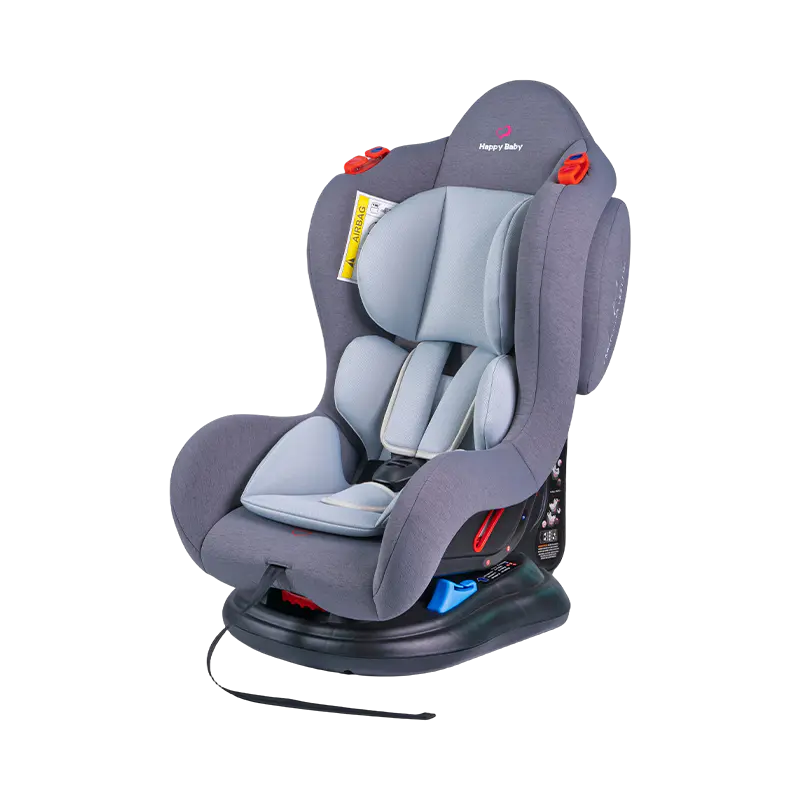
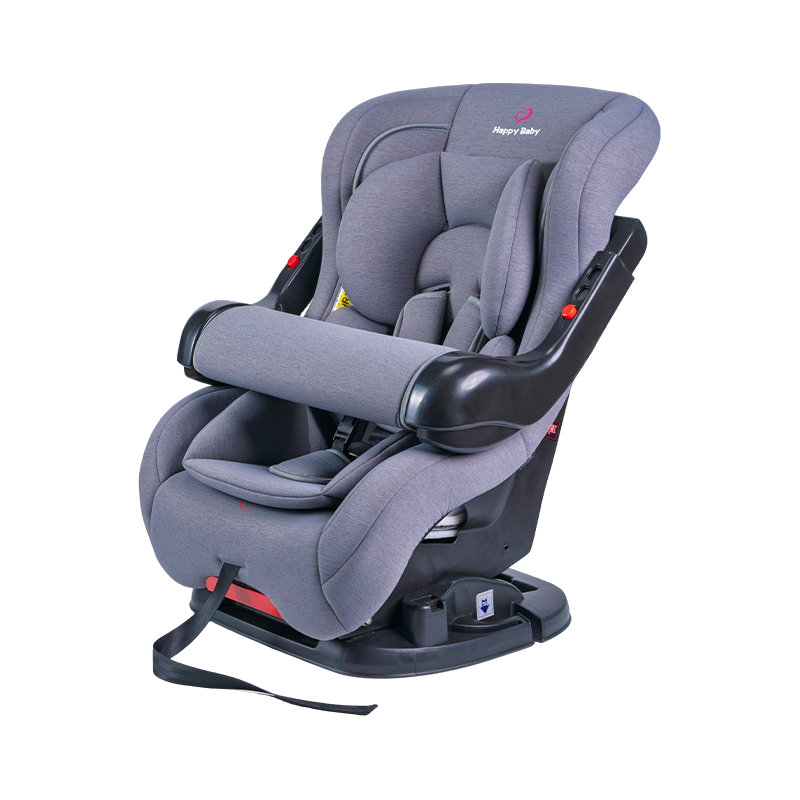
Once any fit check fails, move to a convertible seat. The most important decision after the switch is to keep the seat rear-facing for as long as its limits allow.
In a frontal crash, a rear-facing seat spreads the force across the child's entire back and keeps the head in line with the spine. In a forward-facing seat, that proportionally heavy head is thrown forward and places strain on a neck that is still mostly cartilage. The cervical spine bones do not fully ossify until about age four, which is why the safety advice has moved toward longer rear-facing periods.
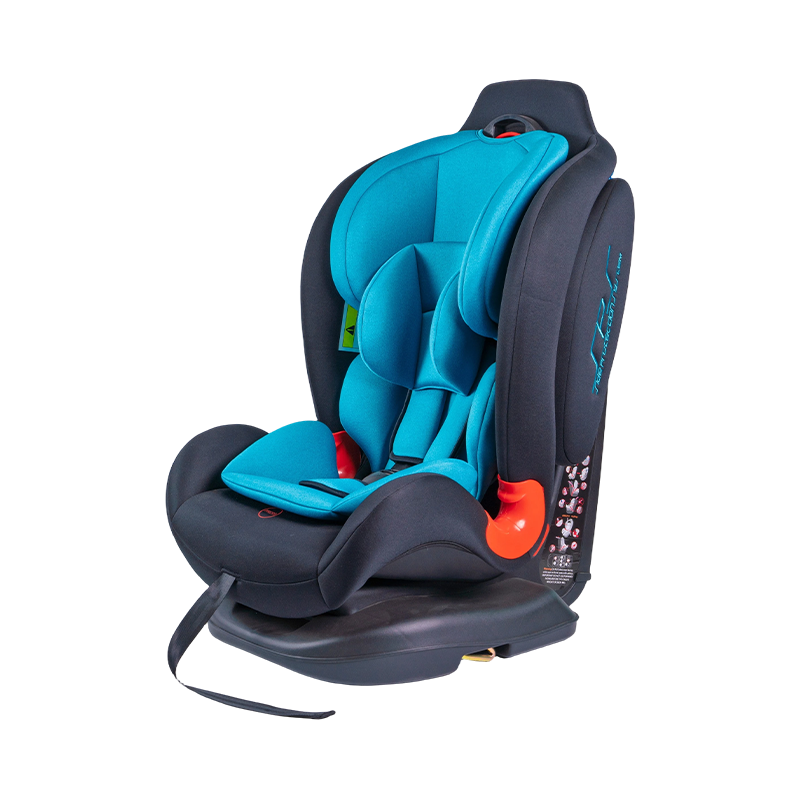
In the United States, the AAP and NHTSA recommend rear-facing until the child reaches the convertible seat's maximum rear-facing height or weight, often well past the second birthday. In Europe, ECE-R129 (i-Size) regulation requires rear-facing until at least 15 months, and experts recommend extending it to roughly 105 cm, around age four for many children. That is why a generous rear-facing range matters. A model such as our ISOFIX 360 rotating convertible car seat (40-150cm) can be installed once and simply rotated when your child is ready to face forward.
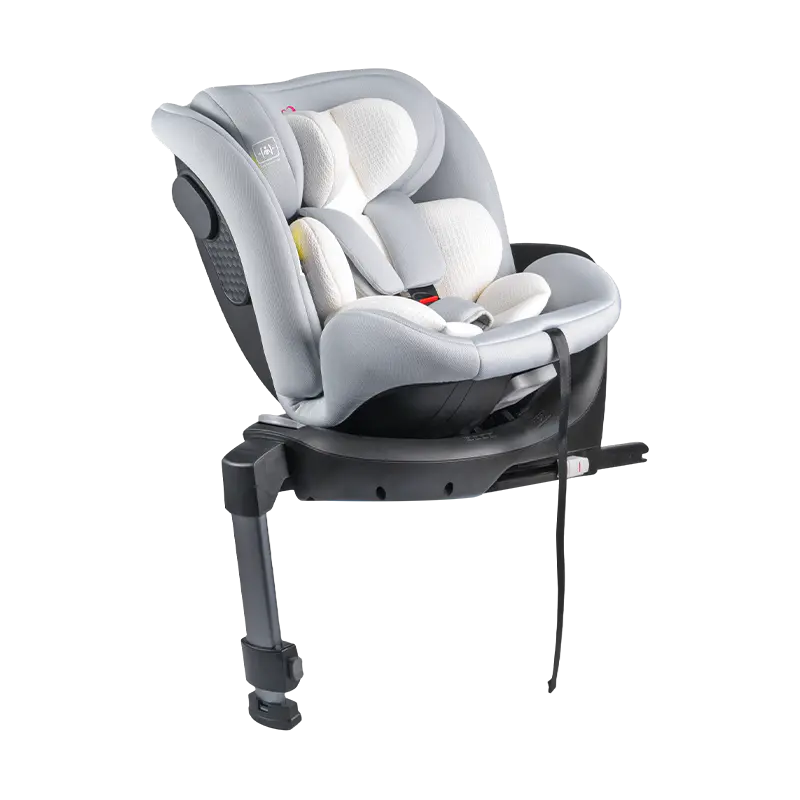 Custom R129 Standard ISOFIX + support leg 360 Rotation Rearward/Forward facing bJIANGSU HAPPY BABY SAFETY SEAT CO., LTD. is China R129 Standard ISOFIX + support leg 360 Rotation Rearward/Forward facing baby car seat 4...View Product →
Convertible seats differ in installation. Some use the vehicle seat belt; others use ISOFIX anchors with a support leg or top tether for a stiffer mount. Your choice should reflect your vehicle, your confidence in daily installation, and the seat's height range. The convertible stage typically lasts until age four to six in the forward-facing mode, when the child moves to a high-back booster.
Different Body Types, Different Timelines
Not every baby follows the 6-to-18-month curve. Body type changes the timeline, but the decision rule stays the same: compare size against seat limits.
Premature babies are the first exception. A smaller preemie often fits in an infant seat well past 18 months. The caution is the two-hour rule, which should be followed strictly because preemies have more sensitive breathing regulation, exactly why hospitals run the car seat challenge before discharge.
Large babies are the second. A rapidly growing baby can hit 30 to 35 lb (13.6 to 15.9 kg) at 6 to 9 months, which forces an early switch. The good news is that the convertible seat keeps the same rear-facing protection with a higher rear-facing weight ceiling, so safety does not drop.
Tall toddlers form the third group. They usually trip the 1-inch head clearance rule first and tend to switch between 9 and 12 months. If your baby is long but light, check head clearance more often than the weight label.
| Body type | Typical switch time | Primary signal |
|---|---|---|
| Premature baby | Often beyond 18 months | Height or weight limit reached; keep 2-hour breaks strict |
| Large baby | 6-9 months | Weight limit reached first |
| Tall toddler | 9-12 months | 1-inch rule or height limit reached |
Notice what the table does not use: age. A big baby switches early; a small baby switches late. The only consistent rule is to compare your child's height and weight with the numbers printed on the seat.
Final Checklist: When to Move Your Baby Out of an Infant Car Seat
Run through these checks before you decide to shop for the next seat. Each takes less than a minute:
- The 1-inch rule: with the head resting against the shell, less than 1 in (2.5 cm) of clearance remains.
- Harness slots: the straps can no longer sit at or below shoulder level in the rear-facing position.
- Weight limit: your child has reached the maximum weight on the seat label.
- Height limit: your child has reached the maximum height on the seat label.
- Two-hour rule: you still take your baby out of the seat at least every two hours during travel.
- Next-seat plan: a convertible seat is installed, still rear-facing, with enough height and weight capacity for the next stage.
Your child does not need to reach a certain age to leave the infant seat; they need to reach the right size criteria or fail one of the fit checks. Check the numbers monthly, and you will always know when the switch is due.
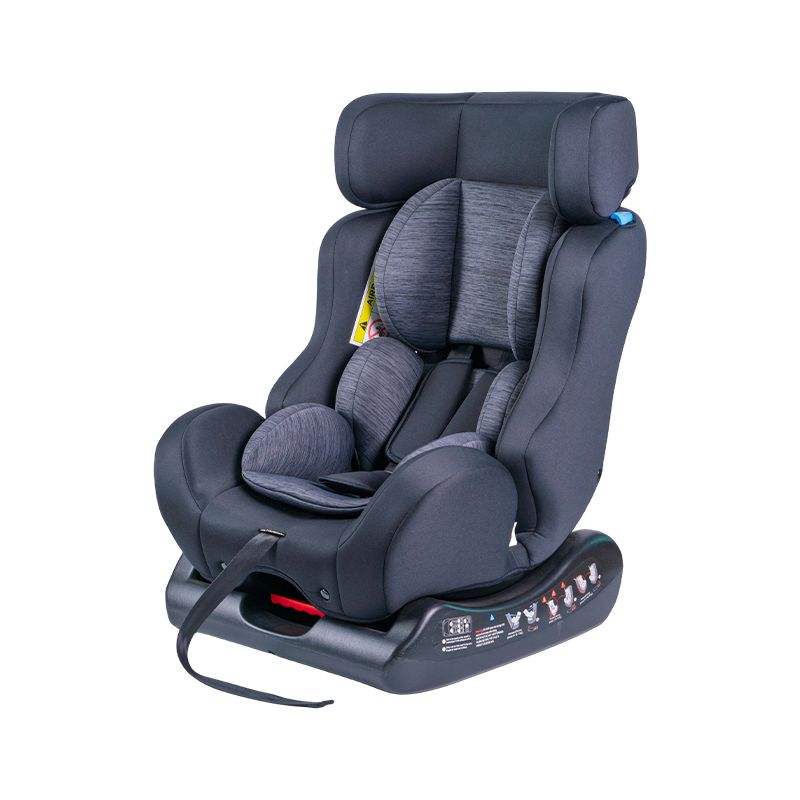
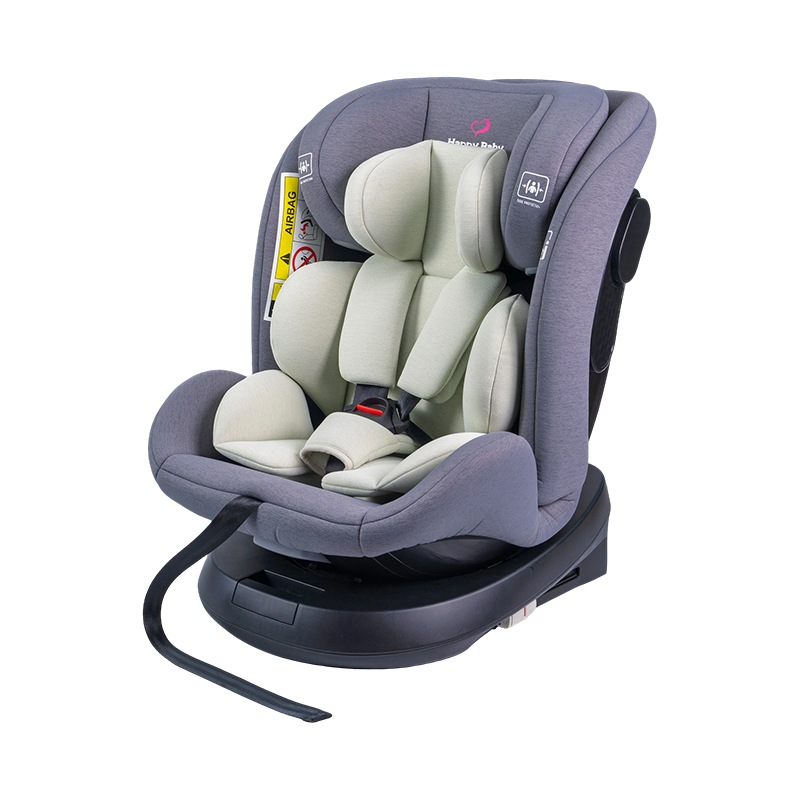

For the safety of babies' travel, we are committed to being a reliable partner for babies and families, and to becoming an expert in children's car safety seats. This is our eternal pursuit.
Contact Us
For exclusive deals and latest offers, sign up by entering your email address below.
CONTACT INFORMATION
-
Address: North of Sitong Road and west of Lianfu Port, Hongqiao Industrial Park, Taixing City, Jiangsu Province
-
Phone: +86 15996087029
-
E-mail: [email protected]
Copyright © JIANGSU HAPPY BABY SAFETY SEAT CO., LTD. All Rights Reserved.
Wholesale Child Travel Safety Seat Factory